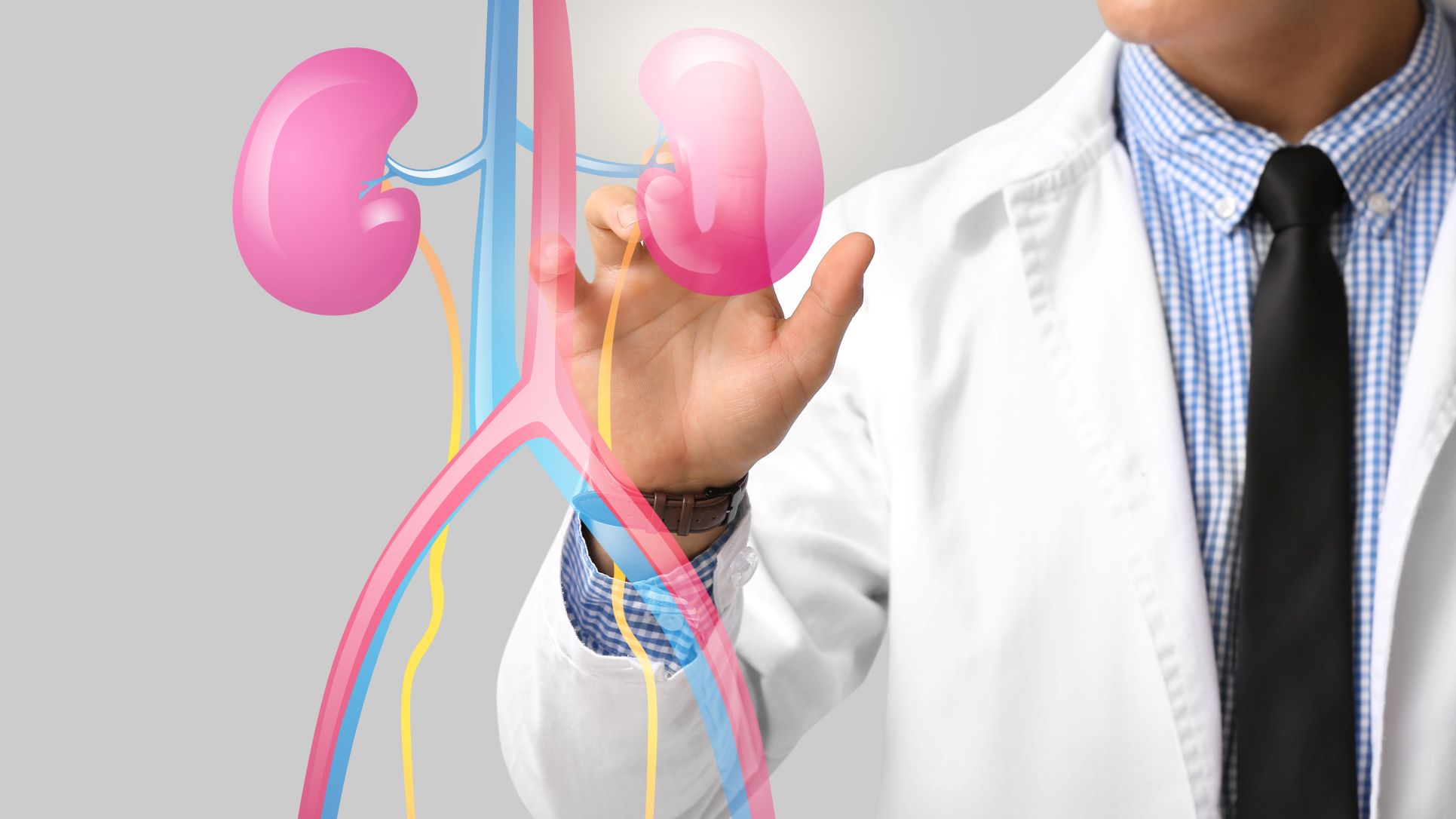
Kidney damage often develops gradually and may not cause obvious symptoms in the early stages. Many people discover kidney problems only after routine blood tests show elevated creatinine levels or reduced kidney function. Recognizing the signs of kidney damage early can help prevent chronic kidney disease from progressing to advanced kidney failure.
At Prabhakar Bhurke Clinic, Dr. Sandip Prabhakar Bhurke, a super specialist nephrologist and transplant physician, provides advanced diagnosis and treatment for kidney damage, chronic kidney disease, diabetic kidney disease, hypertension related kidney disorders, and advanced kidney failure.
What is kidney damage
Kidney damage occurs when the kidneys lose their ability to filter waste products, remove excess fluid, regulate electrolytes, and support other essential body functions. The damage may be temporary or long term depending on the underlying cause.
Common causes include:
-
Diabetes
-
High blood pressure
-
Kidney stones
-
Kidney infections
-
Glomerulonephritis
-
Polycystic kidney disease
-
Autoimmune kidney disorders
-
Certain medications
-
Urinary obstruction
Early diagnosis offers the best opportunity to protect remaining kidney function.
Early signs of kidney damage
One of the challenges of kidney disease is that early damage often causes few or no symptoms.
Possible early signs include:
-
Foamy urine
-
Mild swelling around the ankles
-
Increased nighttime urination
-
Fatigue
-
Elevated blood pressure
-
Protein in the urine
-
Mild reduction in kidney function on blood tests
These signs should prompt evaluation by a nephrologist.
Swelling of the feet and face
Swelling is one of the most common signs of kidney damage.
Patients may notice:
-
Swollen ankles
-
Swollen feet
-
Puffiness around the eyes
-
Facial swelling
-
Weight gain from fluid retention
This occurs because damaged kidneys may not remove excess fluid effectively.
Foamy urine
Persistent foamy urine may indicate protein leakage, which is an important marker of kidney damage.
Protein in the urine can occur with:
-
Diabetic kidney disease
-
Hypertensive kidney disease
-
Glomerular diseases
-
Other chronic kidney disorders
Urine protein testing is an important part of kidney evaluation.
Fatigue and weakness
Kidney damage can lead to:
-
Anemia
-
Toxin accumulation
-
Nutritional problems
-
Reduced energy levels
Persistent fatigue should not be ignored, especially when accompanied by abnormal kidney tests.
Changes in urination
Kidney damage may cause:
-
Frequent urination
-
Reduced urine output
-
Increased nighttime urination
-
Difficulty passing urine
-
Blood in the urine
Urinary changes are often important warning signs.
High blood pressure
Kidney disease and high blood pressure are closely connected.
Kidney damage may:
-
Cause hypertension
-
Worsen existing hypertension
-
Become more severe due to uncontrolled blood pressure
Persistent high blood pressure should prompt kidney function testing.
Nausea and poor appetite
As kidney function declines, waste products may accumulate in the bloodstream.
This may cause:
-
Nausea
-
Loss of appetite
-
Metallic taste
-
Weight loss
-
Vomiting in advanced disease
These symptoms are more common in moderate to advanced kidney disease.
Itching and muscle cramps
Advanced kidney damage may cause:
-
Persistent itching
-
Dry skin
-
Muscle cramps
-
Restless legs
-
Sleep disturbances
These symptoms may result from electrolyte and mineral imbalances.
Blood in the urine
Blood in the urine may occur due to:
-
Kidney stones
-
Kidney infections
-
Glomerulonephritis
-
Kidney cysts
-
Urinary tract disorders
Visible or microscopic blood in the urine requires medical evaluation.
How kidney damage is diagnosed
A nephrologist may recommend:
-
Serum creatinine
-
Estimated glomerular filtration rate or eGFR
-
Urine protein testing
-
Urine albumin testing
-
Urine routine examination
-
Kidney ultrasound
-
Blood pressure assessment
-
Electrolyte testing
-
Additional specialized investigations when required
These tests help determine the severity and cause of kidney damage.
Who is at higher risk
The risk of kidney damage is higher in people with:
-
Diabetes
-
High blood pressure
-
Obesity
-
Heart disease
-
A family history of kidney disease
-
Recurrent kidney stones
-
Chronic urinary infections
-
Smoking history
-
Age above 60 years
Regular kidney screening is especially important for these individuals.
Can kidney damage be treated
Treatment depends on the underlying cause and the stage of kidney disease.
Management may include:
-
Blood pressure control
-
Diabetes management
-
Kidney protective medications
-
Dietary modification
-
Treatment of infections
-
Kidney stone treatment
-
Fluid and electrolyte management
-
Dialysis planning when necessary
Early treatment can significantly slow progression.
Lifestyle changes that help protect the kidneys
Patients with kidney damage may benefit from:
-
Controlling blood pressure
-
Managing diabetes
-
Maintaining a healthy weight
-
Exercising regularly
-
Avoiding smoking
-
Limiting excessive salt intake
-
Avoiding unnecessary painkiller use
-
Attending regular follow up appointments
These measures support long term kidney health.
When should you see a kidney specialist
Consult a nephrologist if you have:
-
Swelling
-
Foamy urine
-
Blood in the urine
-
Elevated creatinine
-
Reduced eGFR
-
Uncontrolled blood pressure
-
Diabetes with kidney abnormalities
-
Persistent fatigue
-
Recurrent kidney stones
-
Abnormal urine test results
Early specialist care can help preserve kidney function.
Why choose Dr. Sandip Prabhakar Bhurke
Patients searching for signs of kidney damage often need expert evaluation to identify the underlying cause before significant kidney function is lost.
Dr. Sandip Prabhakar Bhurke provides:
-
Super-specialized nephrology expertise
-
Comprehensive kidney damage evaluation
-
Chronic kidney disease management
-
High creatinine treatment
-
Diabetic kidney disease care
-
Dialysis and transplant expertise
-
Personalized kidney preservation strategies
At Prabhakar Bhurke Clinic, the focus is on early diagnosis, evidence based treatment, and long term kidney health preservation.
Early diagnosis can prevent kidney failure
Kidney damage often progresses silently, but early recognition of warning signs can make a significant difference. If you notice swelling, foamy urine, blood in the urine, abnormal kidney test results, or persistent fatigue, timely nephrology evaluation can help protect your kidneys and reduce the risk of advanced kidney disease.
Medical Disclaimer: This article is intended for educational and informational purposes only and should not be considered medical advice, diagnosis, or treatment. Kidney damage requires evaluation by a qualified nephrologist. If you have swelling, blood in the urine, foamy urine, reduced urine output, uncontrolled blood pressure, or abnormal kidney test results, consult Dr. Sandip Prabhakar Bhurke or another qualified healthcare professional for appropriate medical assessment and treatment.