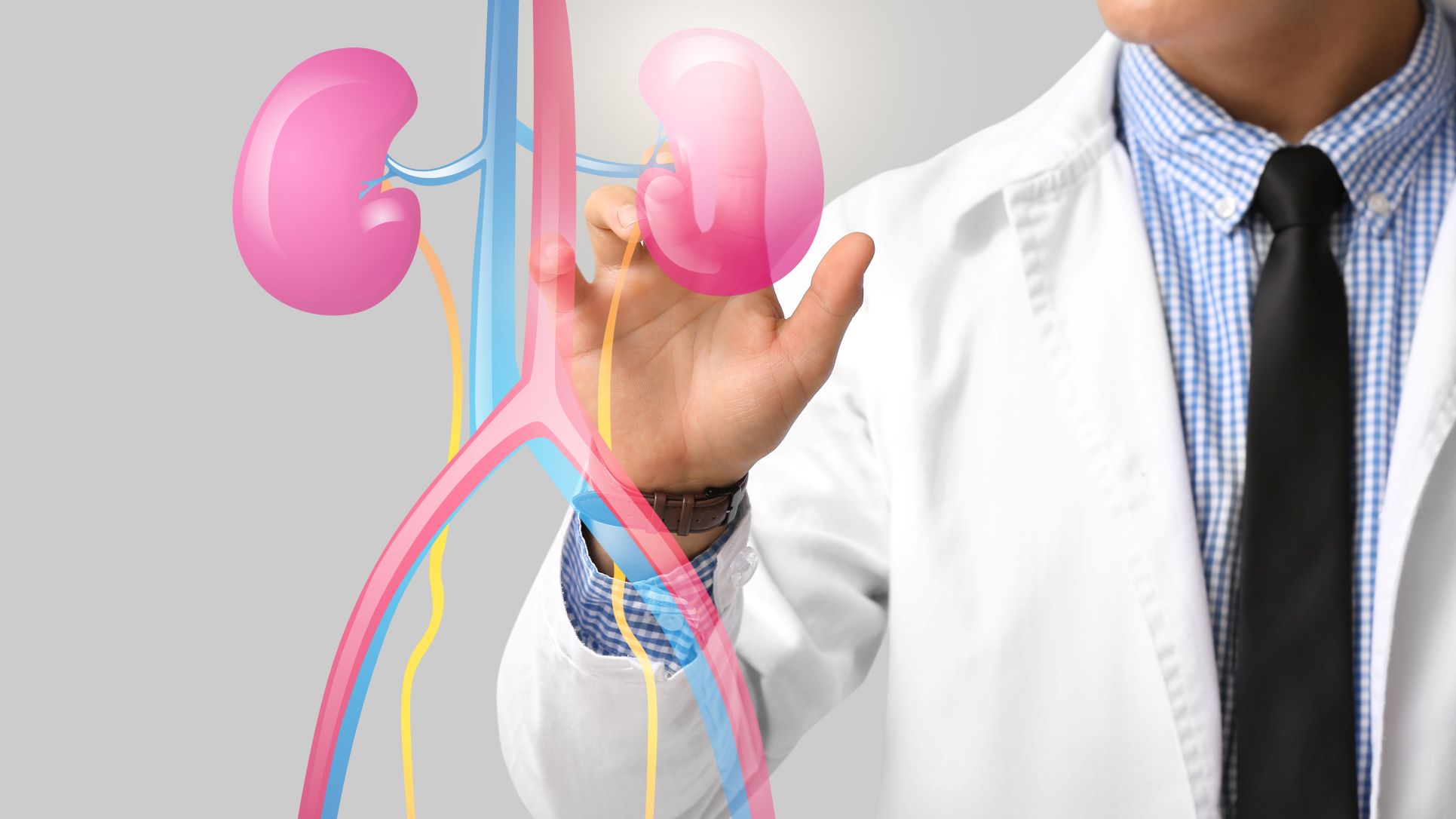
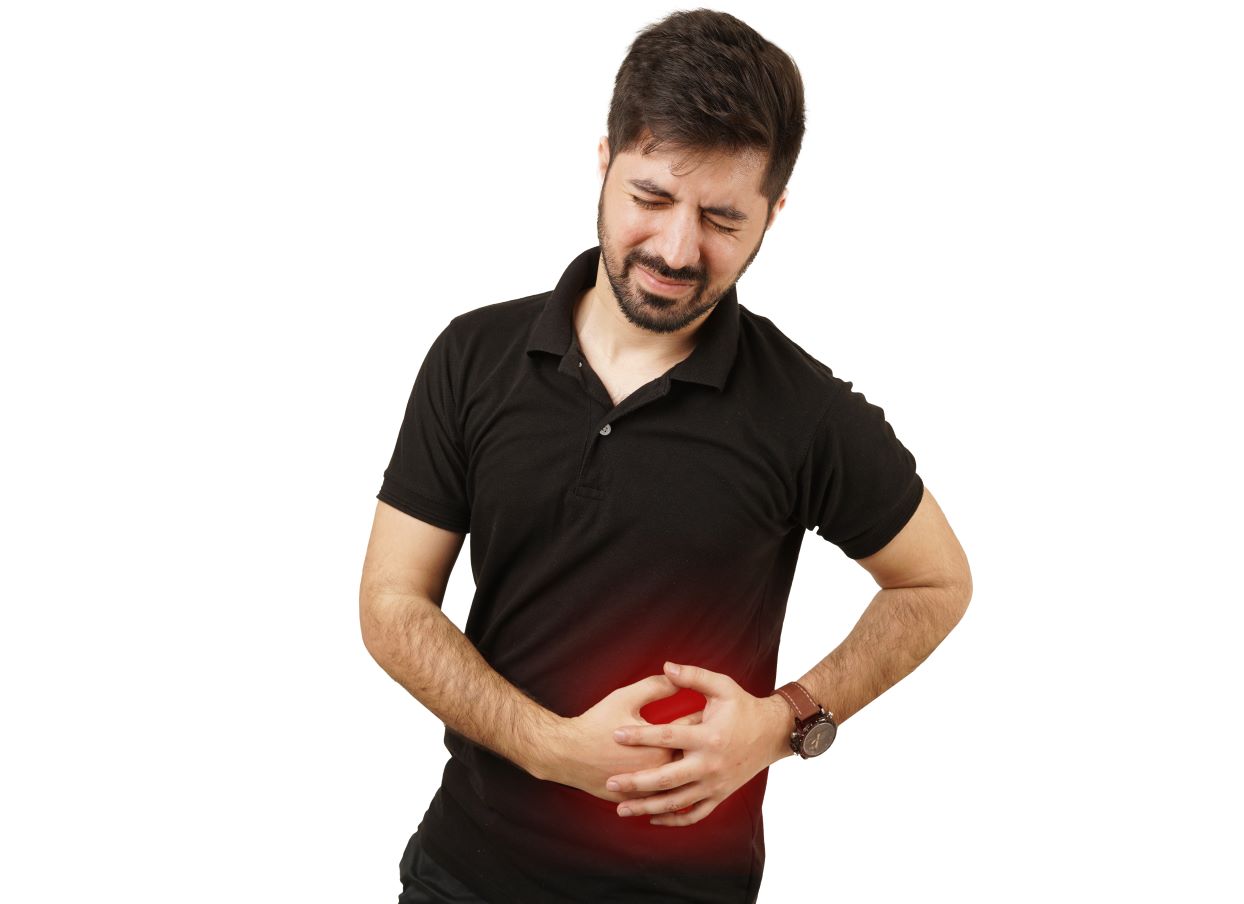
Kidney stones can cause severe flank pain, blood in the urine, nausea, vomiting, and urinary obstruction. One of the most common questions patients ask is about the best medicine for kidney stone treatment. The answer depends on the stone size, location, composition, and whether the stone is causing obstruction or infection. Some stones can be managed with medicines, while others require procedures such as laser lithotripsy, RIRS, PCNL, or shock wave lithotripsy.
At Prabhakar Bhurke Clinic, Dr. Sandip Prabhakar Bhurke, a super specialist nephrologist and transplant physician, provides comprehensive kidney stone evaluation, medical management, minimally invasive stone treatment, and long term prevention of recurrent kidney stones.
Is there one best medicine for kidney stones
There is no single medicine that works for every kidney stone.
Treatment depends on:
-
Stone size
-
Stone location
-
Stone type
-
Degree of obstruction
-
Presence of infection
-
Kidney function
-
Severity of symptoms
A nephrologist determines the most appropriate treatment after proper evaluation.
Medicines used for kidney stone treatment
Medical treatment may include medicines that help:
-
Relieve severe pain
-
Reduce inflammation
-
Relax the ureter
-
Improve stone passage
-
Treat infection
-
Prevent future stone formation
The choice of medicine is individualized for each patient.
Medicines that help small stones pass
For certain small stones, doctors may prescribe medications that relax the urinary tract and improve the chances of natural stone passage.
These medicines may:
-
Reduce ureteral spasm
-
Improve stone passage
-
Decrease pain episodes
-
Reduce the need for emergency intervention in selected cases
Medical treatment requires regular follow up.
Pain relief medicines
Kidney stone pain can be extremely intense.
Appropriate pain management is an important part of treatment and may include prescription medications selected according to the patient’s kidney function and medical condition.
Self medication should be avoided because some painkillers can affect kidney function.
Can medicines dissolve kidney stones
Most calcium based kidney stones cannot be completely dissolved with medicine alone.
However, some uric acid stones may dissolve with appropriate medical treatment that changes urine chemistry.
Stone analysis helps determine whether dissolution therapy is possible.
When medicine is not enough
Medical treatment is usually insufficient when:
-
The stone is large
-
Severe pain persists
-
Kidney function is affected
-
Infection develops
-
Urine flow is blocked
-
The stone fails to pass
-
Recurrent bleeding occurs
In these situations, a procedure may be recommended.
Laser treatment for kidney stones
Laser lithotripsy is commonly performed during:
-
Ureteroscopy
-
RIRS
Laser energy breaks the stone into very small fragments that can be removed or passed naturally.
Shock wave lithotripsy
Shock wave lithotripsy may be suitable for selected kidney stones.
This procedure uses focused shock waves to fragment stones from outside the body.
PCNL for large kidney stones
Large or complex kidney stones may require percutaneous nephrolithotomy or PCNL.
PCNL is highly effective for large stone burdens and staghorn calculi.
How doctors choose the best treatment
Treatment decisions are based on:
-
Stone size
-
Stone location
-
Stone composition
-
Kidney function
-
Degree of obstruction
-
Infection status
-
Previous stone history
-
Overall health
Imaging studies help determine the safest and most effective treatment option.
Can kidney stones pass naturally
Some small stones may pass naturally, especially if they are located lower in the urinary tract.
During conservative treatment, patients may require:
-
Hydration guidance
-
Pain management
-
Medicines to assist stone passage
-
Repeat imaging
Persistent symptoms require reassessment.
Preventing future kidney stones
After a kidney stone episode, prevention becomes extremely important.
A nephrologist may recommend:
-
Drinking adequate water
-
Reducing excessive salt intake
-
Maintaining balanced dietary calcium
-
Limiting excessive oxalate intake when appropriate
-
Managing uric acid levels
-
Stone analysis
-
Metabolic evaluation
-
Preventive medications when indicated
Prevention strategies are tailored to the stone type.
Diet for kidney stone prevention
Dietary recommendations vary according to stone composition.
Patients may be advised to:
-
Increase fluid intake
-
Reduce excessive sodium
-
Maintain normal dietary calcium
-
Moderate animal protein intake
-
Follow individualized nutritional guidance
Diet should not be unnecessarily restricted without proper evaluation.
When should you see a kidney specialist
Consult a nephrologist if you have:
-
Severe flank pain
-
Blood in the urine
-
Fever with kidney stone symptoms
-
Recurrent kidney stones
-
Reduced urine output
-
Elevated creatinine
-
Persistent nausea or vomiting
-
A family history of recurrent stones
Early specialist care can prevent kidney damage and stone related complications.
Why choose Dr. Sandip Prabhakar Bhurke
Patients searching for the best medicine for kidney stone often need expert evaluation to determine whether medicines, laser treatment, shock wave lithotripsy, RIRS, or PCNL is the most appropriate option.
Dr. Sandip Prabhakar Bhurke provides:
-
Super-specialized nephrology expertise
-
Comprehensive kidney stone evaluation
-
Kidney function assessment
-
Medical stone management
-
Metabolic stone prevention
-
Long term kidney monitoring
-
Personalized treatment planning
At Prabhakar Bhurke Clinic, the focus is on accurate diagnosis, effective treatment, prevention of recurrence, and preservation of long term kidney function.
Early treatment can help preserve kidney function
There is no universal best medicine for kidney stones because treatment depends on the individual stone and the patient’s kidney health. Early nephrology evaluation can identify the most effective treatment option, relieve symptoms, protect kidney function, and reduce the risk of future stone episodes.
Medical Disclaimer: This article is intended for educational and informational purposes only and should not be considered medical advice, diagnosis, or treatment. The best medicine for kidney stones depends on stone size, location, composition, kidney function, and individual medical factors. Consult Dr. Sandip Prabhakar Bhurke or another qualified kidney specialist for a comprehensive evaluation and personalized treatment plan.