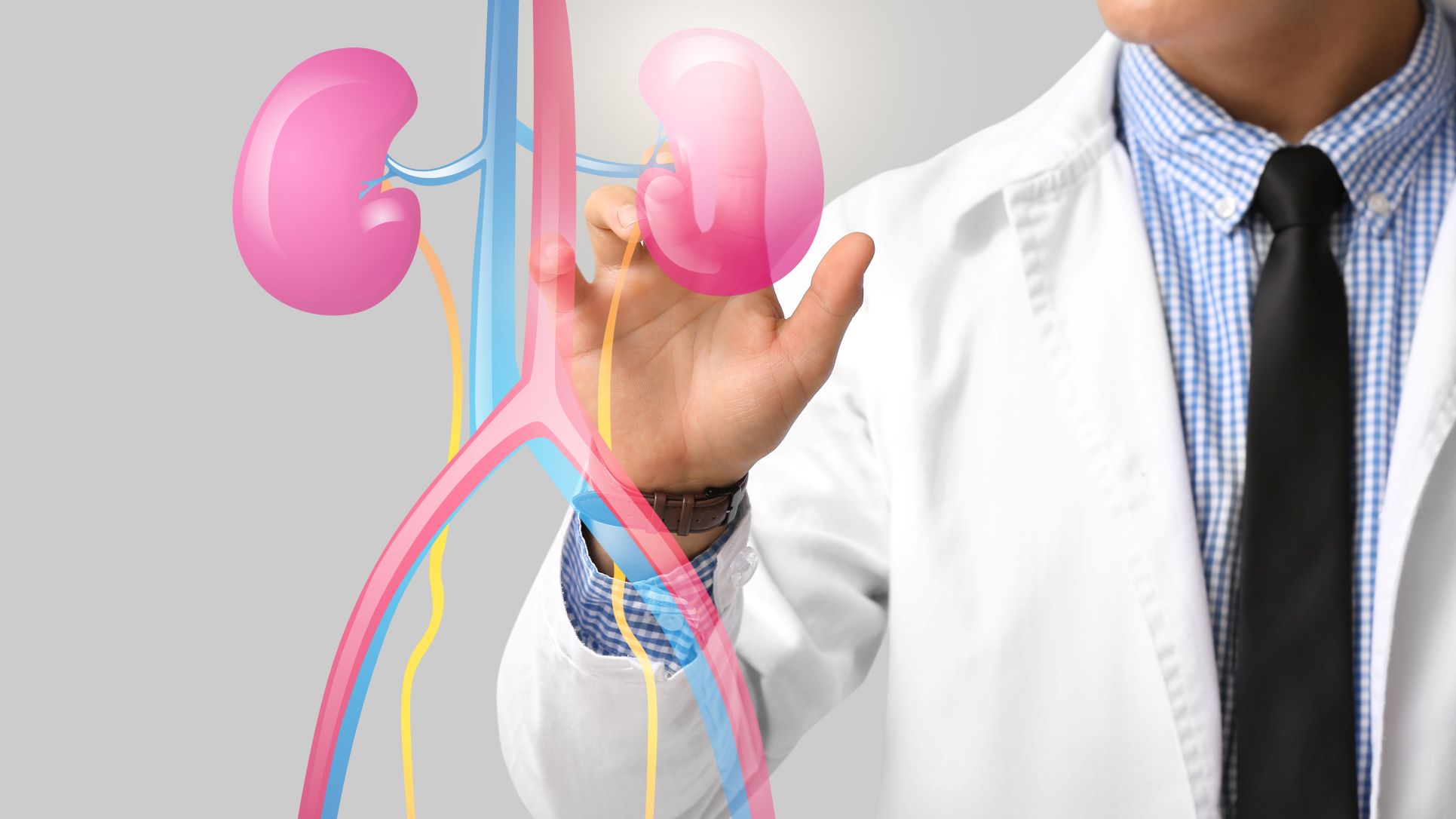
Kidney failure can develop gradually over months or years, and many men may not recognize the early symptoms until kidney function has significantly declined. Understanding kidney failure symptoms in men is important because early diagnosis and treatment may help slow disease progression and reduce the risk of serious complications.
The kidneys remove waste products from the blood, regulate body fluids, maintain electrolyte balance and help control blood pressure. When kidney function becomes severely impaired, several systems of the body may be affected.
At Prabhakar Bhurke Clinic, Dr. Sandip Prabhakar Bhurke, super specialist nephrologist and transplant physician, provides comprehensive evaluation and treatment for kidney disease, chronic kidney failure and advanced kidney disorders.
What is kidney failure?
Kidney failure occurs when the kidneys lose much of their ability to perform their normal functions.
It may develop because of:
-
Chronic kidney disease
-
Diabetes
-
High blood pressure
-
Glomerular diseases
-
Polycystic kidney disease
-
Recurrent kidney infections
-
Urinary obstruction
-
Severe acute kidney injury
Kidney failure can be acute or chronic, and the symptoms may vary depending on the cause and severity.
Early kidney failure symptoms in men
One of the challenges of kidney disease is that early symptoms are often mild or nonspecific.
Common early symptoms may include:
-
Fatigue
-
Reduced energy
-
Swelling of the feet or ankles
-
Foamy urine
-
Changes in urination
-
High blood pressure
-
Poor appetite
-
Difficulty concentrating
Many men attribute these symptoms to stress, aging or work-related fatigue, which can delay diagnosis.
Swelling in the feet and legs
Swelling is a common sign of reduced kidney function.
It may affect:
-
Feet
-
Ankles
-
Lower legs
-
Sometimes the face or hands
This can occur because the kidneys are unable to remove excess fluid effectively.
Persistent swelling should be medically evaluated.
Changes in urination
Kidney failure may cause noticeable urinary changes.
Possible symptoms include:
-
Increased urination
-
Decreased urination
-
Nighttime urination
-
Difficulty passing urine
-
Dark urine
-
Foamy urine
-
Blood in the urine
Changes in urination are important warning signs and should not be ignored.
Foamy urine
Foamy or frothy urine may indicate protein leaking into the urine, which can occur in several kidney diseases.
Persistent foamy urine should be evaluated by a nephrologist.
Blood in the urine
Blood in the urine may appear:
-
Pink
-
Red
-
Brown
-
Tea colored
It may also be detected only on urine testing.
Possible causes include:
-
Kidney disease
-
Kidney stones
-
Kidney infection
-
Glomerulonephritis
-
Urinary tract disorders
Medical evaluation is necessary to determine the cause.
Fatigue and weakness
As kidney function declines, waste products can accumulate in the body.
Kidney disease can also contribute to anemia, which may cause:
-
Persistent tiredness
-
Weakness
-
Reduced exercise tolerance
-
Difficulty performing routine activities
These symptoms often become more noticeable as kidney disease progresses.
High blood pressure
Kidney disease and hypertension are closely linked.
Kidney damage can raise blood pressure, and uncontrolled hypertension can further damage the kidneys.
Men with persistent high blood pressure should have regular kidney function testing.
Loss of appetite and nausea
Advanced kidney dysfunction may cause:
-
Poor appetite
-
Nausea
-
Vomiting
-
Weight loss
-
Metallic taste
-
Food aversion
These symptoms occur because waste products accumulate in the bloodstream.
Difficulty concentrating
Men with significant kidney dysfunction may experience:
-
Poor concentration
-
Memory problems
-
Mental fatigue
-
Reduced alertness
These symptoms can affect work performance and daily activities.
Itching
Persistent generalized itching may occur in advanced kidney disease because of metabolic and mineral balance disturbances.
Although itching has many possible causes, unexplained chronic itching should be evaluated.
Muscle cramps
Electrolyte disturbances associated with kidney disease may contribute to:
-
Muscle cramps
-
Muscle weakness
-
Restless legs
-
Sleep disturbances
Breathlessness
Kidney failure may cause breathlessness because of:
-
Fluid overload
-
Anemia
-
Heart-related complications
Severe breathlessness requires prompt medical attention.
Symptoms of advanced kidney failure in men
As kidney function becomes severely impaired, symptoms may become more pronounced.
These may include:
-
Marked fatigue
-
Significant swelling
-
Very low urine output
-
Persistent nausea and vomiting
-
Severe itching
-
Muscle weakness
-
Confusion
-
Sleep disturbances
-
Weight changes
-
Shortness of breath
These symptoms require urgent nephrology evaluation.
Risk factors for kidney failure in men
Men may be at increased risk if they have:
-
Diabetes
-
High blood pressure
-
Obesity
-
Heart disease
-
Smoking
-
Family history of kidney disease
-
Recurrent kidney stones
-
Chronic urinary obstruction
-
Enlarged prostate with urinary problems
-
Long-term use of certain medications
Regular kidney testing is important for high-risk individuals.
How is kidney failure diagnosed?
Doctors usually perform several investigations.
Blood tests
These may include:
-
Serum creatinine
-
eGFR
-
Blood urea
-
Electrolytes
-
Hemoglobin
Urine tests
Urine examination may detect:
-
Protein
-
Blood
-
Infection
-
Other abnormalities
Blood pressure measurement
Blood pressure assessment is an important part of kidney evaluation.
Kidney ultrasound
Ultrasound can identify:
-
Kidney size
-
Kidney stones
-
Hydronephrosis
-
Cysts
-
Structural abnormalities
Additional tests may be required depending on the suspected cause.
Can kidney failure symptoms be reversed?
The answer depends on the cause.
Acute kidney injury may sometimes improve significantly with appropriate treatment.
Chronic kidney failure generally involves permanent kidney damage, but treatment may help:
-
Slow progression
-
Preserve remaining kidney function
-
Reduce symptoms
-
Manage complications
-
Improve quality of life
Early treatment offers the best opportunity to protect kidney function.
Treatment for kidney failure
Treatment depends on the underlying cause and stage of kidney disease.
Management may include:
Blood pressure control
Controlling hypertension is important for kidney protection.
Diabetes management
Good blood sugar control can reduce further kidney damage.
Kidney protective medications
Certain medicines may help reduce protein in the urine and slow kidney disease progression.
Treatment of anemia
Anemia related to kidney disease may require specific treatment.
Dietary management
Dietary recommendations may involve individualized adjustments to:
-
Sodium
-
Protein
-
Potassium
-
Phosphorus
-
Fluid intake
Dialysis
When kidney function becomes severely inadequate, dialysis may be necessary.
Kidney transplant
For suitable patients with advanced irreversible kidney failure, kidney transplantation may be considered.
When should men seek urgent medical care?
Seek immediate medical attention if kidney symptoms occur with:
-
Very little urine
-
Inability to pass urine
-
Severe breathlessness
-
Chest pain
-
Confusion
-
Persistent vomiting
-
Severe swelling
-
High fever with flank pain
-
Rapidly worsening symptoms
These may indicate serious kidney complications.
Can kidney failure be prevented?
Not every case can be prevented, but many cases can be delayed through:
-
Blood pressure control
-
Diabetes management
-
Healthy weight
-
Smoking cessation
-
Adequate hydration
-
Prompt treatment of urinary infections
-
Kidney stone prevention
-
Regular kidney testing for high-risk individuals
Kidney failure care at Prabhakar Bhurke Clinic
At Prabhakar Bhurke Clinic, Dr. Sandip Prabhakar Bhurke provides specialized care for men with kidney disease and kidney failure.
Evaluation and treatment may include:
-
Kidney function assessment
-
CKD staging
-
Proteinuria evaluation
-
Blood pressure management
-
Diabetes-related kidney care
-
Anemia management
-
Electrolyte management
-
Dietary guidance
-
Dialysis planning
-
Kidney transplant evaluation
-
Long-term kidney monitoring
Treatment is individualized according to the patient's kidney function, symptoms and underlying disease.
Frequently Asked Questions
What are the first signs of kidney failure in men?
Early signs may include fatigue, swelling, foamy urine, changes in urination and high blood pressure.
Can kidney failure occur without pain?
Yes. Chronic kidney failure often develops silently and may not cause pain in the early stages.
Is frequent urination a sign of kidney failure?
It can be. Nighttime urination and changes in urinary frequency may occur in kidney disease, although these symptoms can also have other causes.
Can kidney failure affect sexual health in men?
Advanced kidney disease may affect sexual function, energy levels and hormone balance, but these symptoms require medical evaluation because they can have multiple causes.
When should a man get kidney tests?
Men with diabetes, high blood pressure, swelling, foamy urine, blood in the urine or a family history of kidney disease should undergo kidney function testing.
Conclusion
Recognizing kidney failure symptoms in men early is important because chronic kidney disease often progresses silently. Swelling, foamy urine, blood in the urine, fatigue, changes in urination and high blood pressure are important warning signs that should not be ignored.
Timely diagnosis, blood pressure control, diabetes management and specialist nephrology care can help preserve kidney function and reduce complications.
For expert evaluation and personalized kidney care, patients can consult Dr. Sandip Prabhakar Bhurke at Prabhakar Bhurke Clinic.
Medical Disclaimer
This article is intended for general educational purposes only and does not constitute medical advice, diagnosis or treatment. Kidney failure symptoms can have many different causes, and diagnosis requires blood tests, urine tests, imaging and clinical evaluation. Do not ignore persistent swelling, foamy urine, blood in the urine, reduced urine output, severe fatigue, breathlessness or rapidly worsening symptoms. Early medical evaluation is important to protect kidney function and prevent complications. For personalized diagnosis and treatment, consult Dr. Sandip Prabhakar Bhurke or another qualified nephrologist.