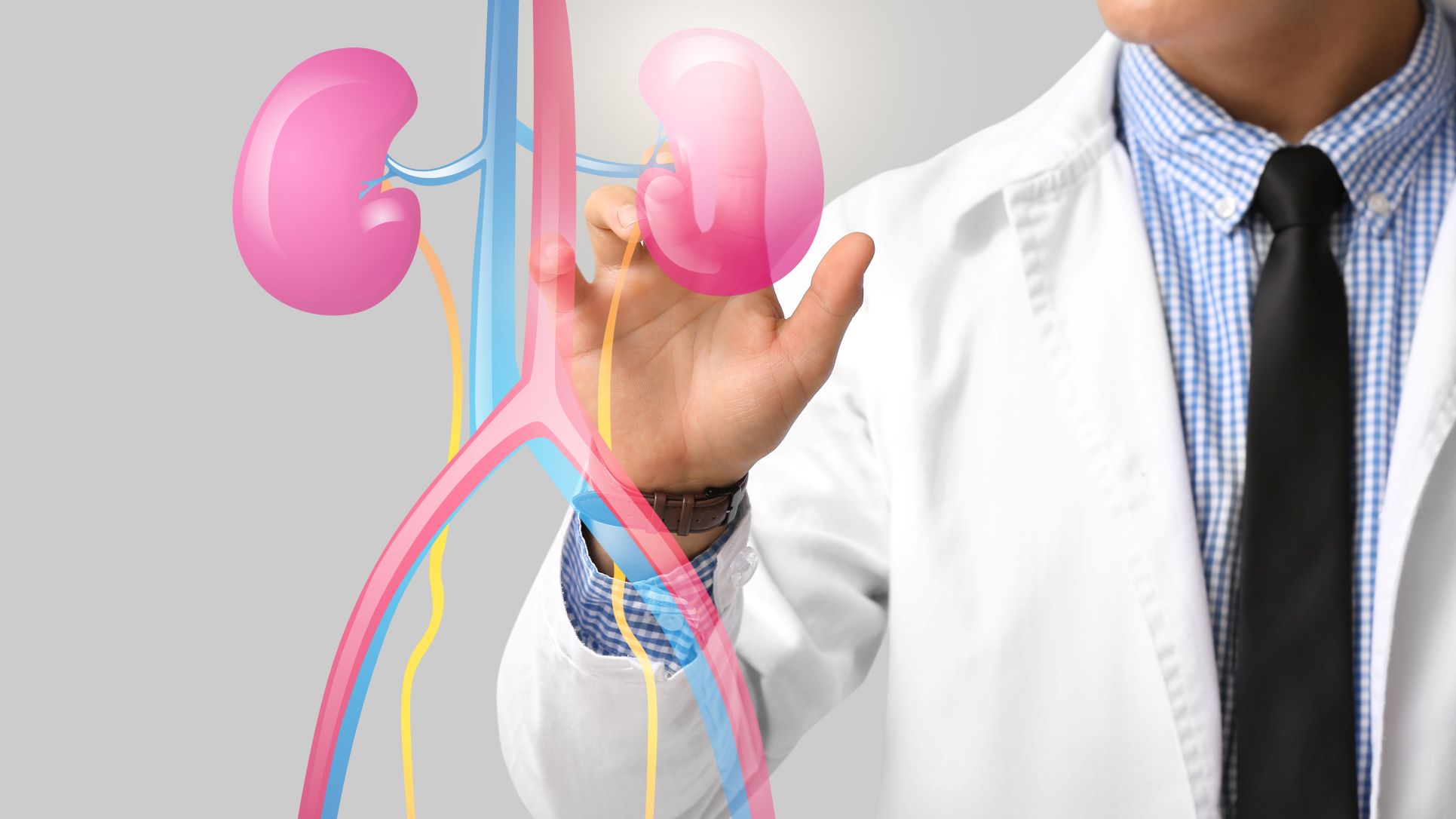
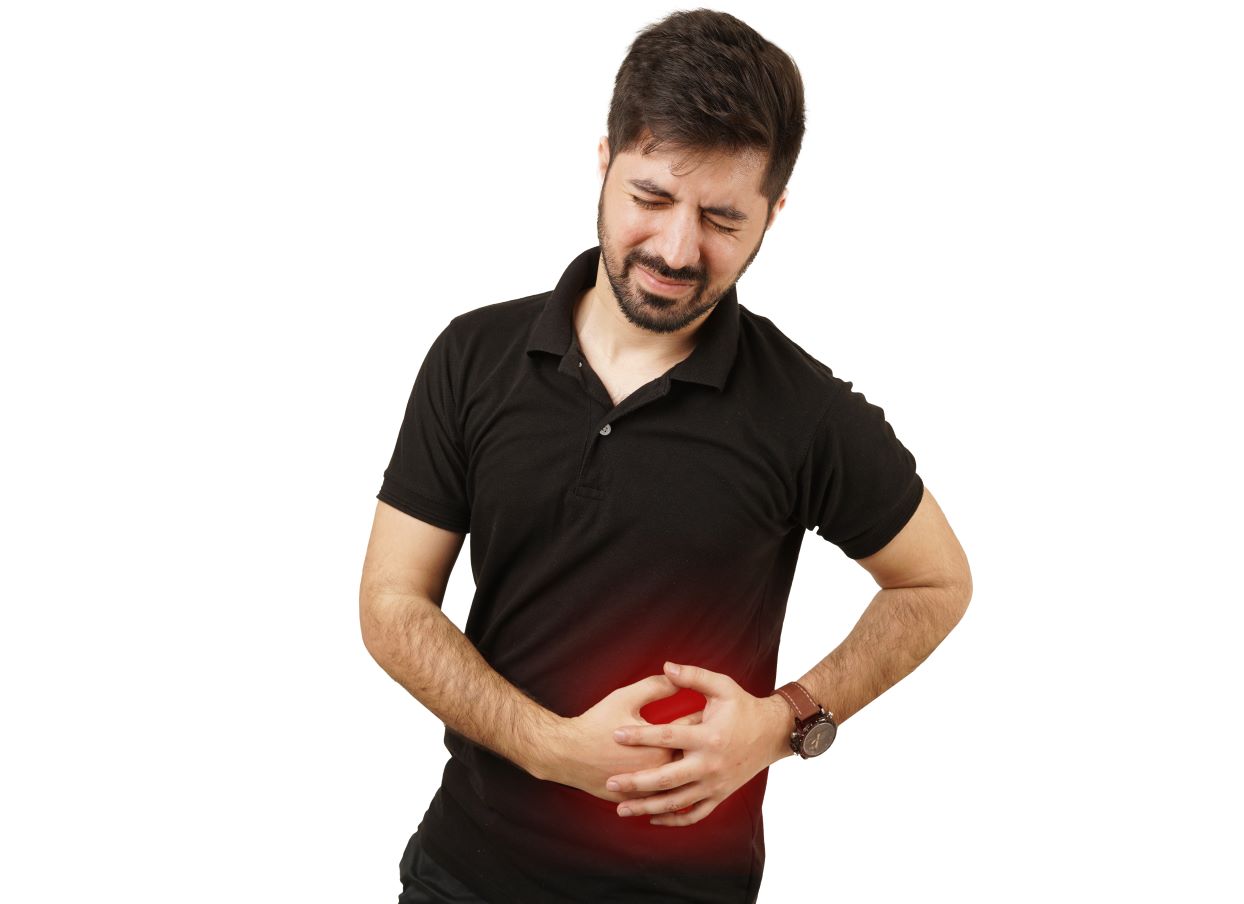
A kidney stone problem is one of the most common urinary tract conditions affecting adults. Kidney stones can cause severe pain, difficulty passing urine, blood in the urine and, in some cases, kidney damage if not treated appropriately. The good news is that many kidney stones can be managed effectively with timely diagnosis and the right treatment approach.
Kidney stones develop when minerals and salts in the urine become concentrated and form hard deposits inside the kidneys. The severity of symptoms depends on the size of the stone, its location and whether it obstructs urine flow.
At Prabhakar Bhurke Clinic, Dr. Sandip Prabhakar Bhurke, super specialist nephrologist and transplant physician, provides expert evaluation and management for patients with kidney stone disease and other kidney-related disorders.
What Is a Kidney Stone Problem?
A kidney stone problem occurs when one or more stones form within the kidneys or urinary tract. These stones may remain inside the kidney without causing symptoms, or they may move into the ureter, where they can cause intense pain and urinary obstruction.
Kidney stones vary in size from tiny crystals to larger stones that require medical or surgical treatment.
Common Causes of Kidney Stones
Several factors can increase the risk of developing kidney stones.
Dehydration
Not drinking enough water is one of the most important risk factors. Concentrated urine allows minerals to crystallize more easily.
High Sodium Intake
Excess salt consumption can increase urinary calcium excretion and stone risk.
High Oxalate Foods
Foods such as spinach, beetroot, nuts, chocolate and tea may contribute to calcium oxalate stone formation in susceptible individuals.
Family History
A family history of kidney stones increases the likelihood of developing stones.
Obesity
Excess body weight is associated with a higher risk of kidney stone disease.
Certain Medical Conditions
These include:
- Recurrent urinary tract infections
- Hyperparathyroidism
- Gout
- Certain intestinal disorders
- Some inherited metabolic conditions
Types of Kidney Stones
The most common types include:
- Calcium oxalate stones
- Calcium phosphate stones
- Uric acid stones
- Struvite stones
- Cystine stones
Identifying the stone type can help guide prevention strategies.
Kidney Stone Symptoms
A kidney stone may not cause symptoms until it begins to move.
Common symptoms include:
Severe Flank Pain
Pain usually occurs in the side of the back, below the ribs, and may radiate toward the lower abdomen or groin.
Blood in the Urine
Urine may appear pink, red or brown.
Burning During Urination
A stone near the bladder may cause urinary discomfort.
Frequent Urination
Patients may feel the urge to urinate repeatedly.
Nausea and Vomiting
Severe renal colic is often associated with nausea.
Difficulty Passing Urine
A stone can partially or completely obstruct urine flow.
Fever and Chills
These symptoms may indicate a kidney infection and require urgent medical attention.
When Is a Kidney Stone an Emergency?
Seek immediate medical care if kidney stone symptoms are accompanied by:
- Fever
- Chills
- Persistent vomiting
- Severe uncontrolled pain
- Difficulty passing urine
- Reduced urine output
- Weakness or confusion
An obstructing stone with infection can become a serious medical emergency.
How Is a Kidney Stone Diagnosed?
A doctor may recommend:
Urine Tests
To detect:
- Blood
- Infection
- Crystals
- Protein
- Other abnormalities
Blood Tests
To evaluate:
- Kidney function
- Calcium
- Uric acid
- Electrolytes
- Infection
Imaging
Common imaging studies include:
- Ultrasound
- CT scan
- X ray in selected situations
Imaging helps determine the size, number and location of stones.
Kidney Stone Treatment Options
Treatment depends on the stone size, location, symptoms and kidney function.
Small Kidney Stones
Small stones may pass naturally with:
- Appropriate hydration
- Pain management
- Medical observation
- Follow up imaging
Medicines
Doctors may prescribe medicines to:
- Relieve pain
- Reduce nausea
- Help certain ureteric stones pass more easily
- Treat associated infection when present
ESWL
Shock wave lithotripsy uses external shock waves to break selected stones into smaller fragments.
Ureteroscopy and Laser Lithotripsy
A thin scope is passed through the urinary tract to remove or fragment the stone with laser energy.
Percutaneous Nephrolithotomy
This minimally invasive procedure is used for larger or more complex kidney stones.
The most appropriate treatment is determined after imaging and specialist evaluation.
Can Kidney Stones Be Treated at Home?
Home care may be appropriate for selected patients with small stones and no complications.
Supportive measures may include:
- Adequate fluid intake
- Prescribed pain medication
- Urine straining when recommended
- Follow up with a doctor
Home treatment is not appropriate for severe pain, fever, vomiting, urinary obstruction or reduced kidney function.
What Should You Drink for Kidney Stones?
For many patients, increasing urine volume is an important part of kidney stone prevention.
However, fluid recommendations should be individualized for people with:
- Kidney failure
- Heart disease
- Fluid restrictions
- Advanced chronic kidney disease
A doctor can provide appropriate hydration guidance.
Foods That May Increase Stone Risk
Depending on stone type, excessive intake of the following may increase risk:
- Salt
- Processed foods
- Sugary beverages
- Excess animal protein
- Very high oxalate foods
Dietary changes should be based on stone composition and individual metabolic evaluation.
Preventing Future Kidney Stones
Prevention is especially important because kidney stones often recur.
Helpful measures may include:
Drink Adequate Fluids
Maintaining sufficient urine output is one of the most effective preventive strategies.
Reduce Excess Sodium
Limiting excessive salt intake may reduce calcium stone risk.
Maintain Normal Dietary Calcium
Very low calcium intake may actually increase oxalate absorption.
Moderate Animal Protein
Excessive intake may increase risk in some patients.
Treat Underlying Medical Conditions
Proper management of diabetes, gout and other metabolic disorders may reduce recurrence.
Metabolic Evaluation
Patients with recurrent stones may benefit from a 24 hour urine analysis to identify specific risk factors.
Can Kidney Stones Damage the Kidneys?
Yes.
Untreated stones can potentially cause:
- Urinary obstruction
- Recurrent infections
- Hydronephrosis
- Reduced kidney function
- Permanent kidney damage in some cases
Early treatment helps reduce these risks.
Why Recurrent Kidney Stones Need Specialist Evaluation
Repeated stone formation may indicate an underlying metabolic problem.
A nephrologist may evaluate:
- Urine calcium
- Urine oxalate
- Urine citrate
- Uric acid
- Urine volume
- Dietary factors
- Kidney function
- Family history
Personalized prevention strategies can significantly reduce recurrence in many patients.
Kidney Stone Care at Prabhakar Bhurke Clinic
At Prabhakar Bhurke Clinic, Dr. Sandip Prabhakar Bhurke provides comprehensive evaluation and management of kidney stone disease.
Assessment may include:
- Symptom evaluation
- Urine testing
- Kidney function testing
- Ultrasound and imaging review
- Metabolic stone evaluation
- Dietary guidance
- Recurrence prevention planning
- Long term kidney health monitoring
Treatment is individualized according to stone characteristics, kidney function and the patient’s overall health.
Frequently Asked Questions
What is the main cause of a kidney stone problem?
Dehydration is one of the most important risk factors, but diet, genetics, metabolic disorders and urinary tract conditions can also contribute.
Can kidney stones go away on their own?
Some small stones pass naturally, but larger stones or stones causing obstruction may require medical treatment or a procedure.
Is kidney stone pain always severe?
Pain can vary. Some stones cause mild discomfort, while others cause intense renal colic.
Can kidney stones come back?
Yes. Recurrence is common, especially without preventive measures.
How can I prevent kidney stones naturally?
Adequate hydration, moderation of salt intake, maintaining normal dietary calcium and addressing metabolic risk factors may help reduce recurrence.
When should I see a kidney specialist?
Seek specialist evaluation for recurrent stones, persistent pain, blood in the urine, urinary obstruction, infection or reduced kidney function.
Conclusion
A kidney stone problem can range from a small stone that passes naturally to a serious condition causing severe pain, urinary obstruction and kidney damage. Early diagnosis and appropriate treatment are important for relieving symptoms and protecting kidney function.
Many kidney stones can be managed successfully with hydration, medications, ESWL, ureteroscopy or other modern stone treatments. Long term prevention is equally important, particularly for patients with recurrent stone formation.
For expert kidney stone evaluation and personalized treatment, consult Dr. Sandip Prabhakar Bhurke at Prabhakar Bhurke Clinic.
Medical Disclaimer
This article is intended for general educational purposes only and does not constitute medical advice, diagnosis or treatment. Kidney stone symptoms can overlap with other urinary and abdominal conditions, and treatment depends on stone size, location, kidney function and the presence of infection or obstruction. Do not rely solely on home remedies for severe pain, fever, chills, persistent vomiting, blood in the urine, difficulty passing urine or reduced urine output. Consult Dr. Sandip Prabhakar Bhurke or another qualified healthcare professional for an individualized evaluation and treatment plan.