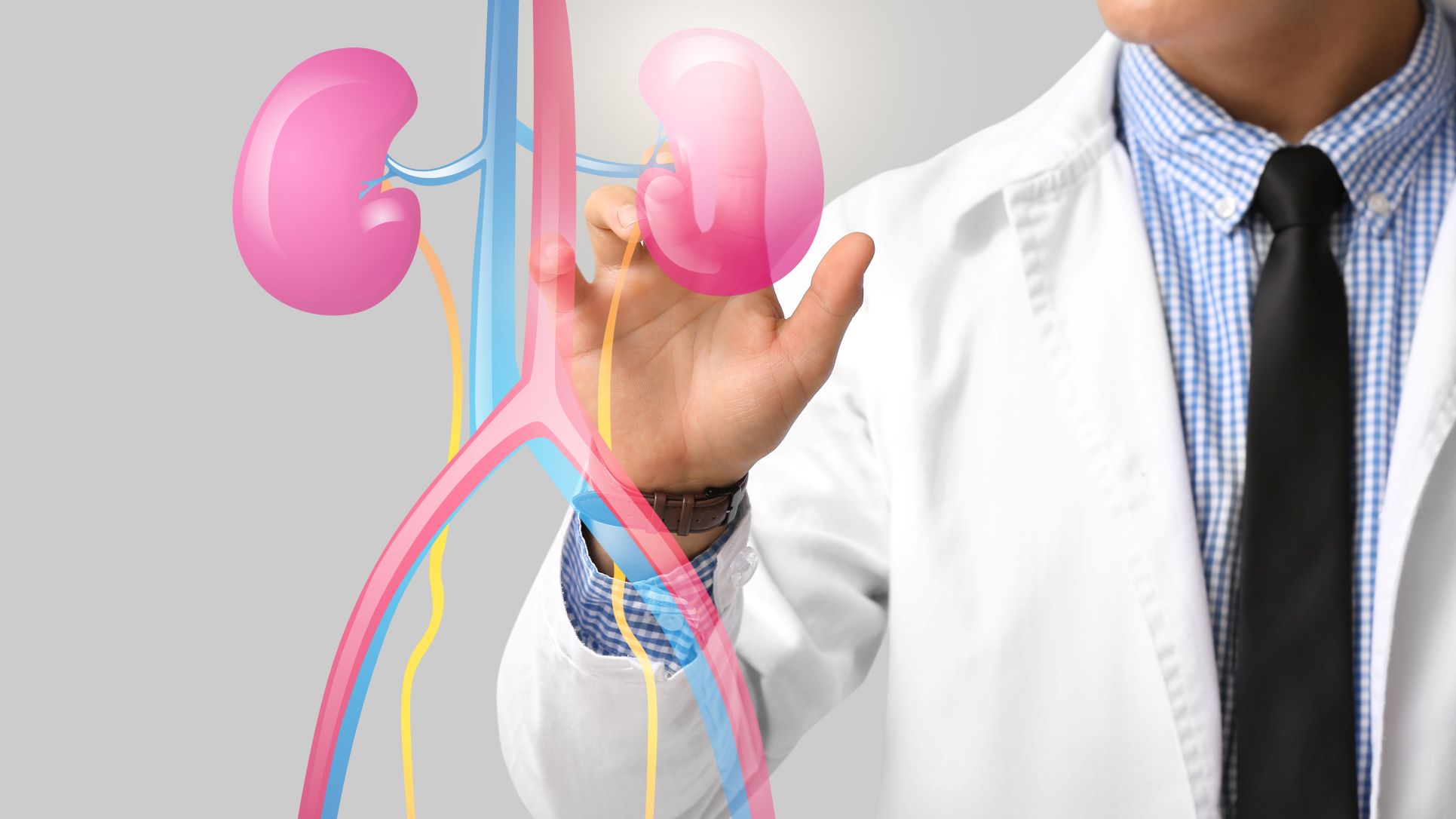
Kidney damage can occur gradually over many years or develop suddenly because of dehydration, infection, medications or reduced blood flow to the kidneys. Many people search for kidney damage treatment hoping to understand whether kidney function can improve and what treatments are available.
The answer depends on the cause, severity and duration of kidney damage. Some forms of kidney injury are reversible when treated early, while chronic kidney damage usually requires long term management aimed at preserving the remaining kidney function and preventing further deterioration.
At Prabhakar Bhurke Clinic, Dr. Sandip Prabhakar Bhurke, super specialist nephrologist and transplant physician, provides comprehensive evaluation and treatment for acute kidney injury, chronic kidney disease and advanced kidney failure.
What Is Kidney Damage?
Kidney damage refers to injury or dysfunction affecting the kidneys’ ability to:
-
Filter waste products
-
Remove excess fluid
-
Balance electrolytes
-
Regulate blood pressure
-
Support red blood cell production
-
Maintain bone and mineral balance
Kidney damage may be temporary or permanent.
Types of Kidney Damage
Acute Kidney Injury
Acute kidney injury develops suddenly over hours or days.
Common causes include:
-
Dehydration
-
Severe infection
-
Low blood pressure
-
Kidney stones causing obstruction
-
Certain medications
-
Contrast related kidney injury
-
Heart failure
Acute kidney injury may improve significantly if treated promptly.
Chronic Kidney Disease
Chronic kidney disease develops gradually over months or years.
Common causes include:
-
Diabetes
-
High blood pressure
-
Glomerular diseases
-
Polycystic kidney disease
-
Recurrent kidney infections
-
Long standing urinary obstruction
Chronic kidney damage is usually not completely reversible, but progression can often be slowed.
Early Symptoms of Kidney Damage
Many patients have no symptoms in the early stages.
Possible early signs include:
-
Fatigue
-
Swelling of the feet or ankles
-
Foamy urine
-
Blood in the urine
-
Frequent urination
-
Nighttime urination
-
High blood pressure
-
Reduced appetite
Because symptoms may be absent, blood and urine testing are important for early detection.
Symptoms of Advanced Kidney Damage
As kidney function declines, symptoms may include:
-
Severe fatigue
-
Swelling
-
Shortness of breath
-
Nausea
-
Vomiting
-
Itching
-
Muscle cramps
-
Difficulty concentrating
-
Reduced urine output
-
Persistent high blood pressure
These symptoms require medical evaluation.
Can Kidney Damage Be Reversed?
The possibility of recovery depends on the type of kidney damage.
Acute Kidney Injury
Many patients experience partial or substantial recovery if the underlying cause is treated promptly.
Chronic Kidney Disease
Established chronic kidney scarring is generally not completely reversible.
However, treatment can often:
-
Slow progression
-
Reduce proteinuria
-
Control blood pressure
-
Protect remaining kidney function
-
Delay dialysis
Early treatment provides the greatest benefit.
How Is Kidney Damage Diagnosed?
Diagnosis usually involves several tests.
Blood Tests
Common investigations include:
-
Serum creatinine
-
eGFR
-
Potassium
-
Sodium
-
Bicarbonate
-
Calcium
-
Phosphorus
Urine Tests
Urine testing may detect:
-
Protein
-
Albumin
-
Blood
-
Infection
-
Casts
-
Other abnormalities
Ultrasound
Ultrasound helps evaluate:
-
Kidney size
-
Kidney stones
-
Urinary obstruction
-
Cysts
-
Structural abnormalities
Additional Tests
Some patients require:
-
Kidney biopsy
-
Immunological testing
-
CT imaging
-
Specialized blood tests
Kidney Damage Treatment
Treatment is individualized according to the cause and severity of kidney damage.
Control Blood Pressure
Blood pressure control is one of the most important kidney protective strategies.
Manage Diabetes
Good blood sugar control helps reduce ongoing kidney injury.
Reduce Protein in the Urine
Certain kidney protective medications may help reduce proteinuria.
Treat Kidney Infections
Prompt treatment of infections can prevent additional kidney damage.
Remove Urinary Obstruction
Kidney stones and other obstructions may require procedures.
Correct Dehydration
Appropriate fluid management is essential in acute kidney injury.
Avoid Kidney Harming Medications
Medication review is often an important part of treatment.
Medications Used in Kidney Damage Treatment
Depending on the underlying condition, treatment may include:
-
Blood pressure medications
-
Diabetes medications
-
Diuretics
-
Antibiotics
-
Medications for glomerular disease
-
Anemia treatment
-
Bone and mineral disorder treatment
-
Electrolyte management
Medication choice depends on kidney function and other medical conditions.
Lifestyle Changes That Help Protect the Kidneys
Reduce Salt Intake
Limiting excessive sodium helps control blood pressure and fluid retention.
Maintain a Healthy Weight
Weight management supports kidney and cardiovascular health.
Exercise Regularly
Physical activity helps improve overall health.
Stop Smoking
Smoking accelerates kidney disease progression.
Stay Hydrated
Hydration should be individualized according to kidney function and other medical conditions.
Avoid Unnecessary Painkillers
Frequent use of certain pain medications may worsen kidney function.
Diet for Kidney Damage
Dietary recommendations depend on the stage of kidney disease.
Patients may require guidance regarding:
-
Sodium
-
Potassium
-
Phosphorus
-
Protein
-
Fluid intake
A renal dietitian can provide individualized advice.
When Is Dialysis Needed?
Dialysis may be necessary when kidney damage progresses to advanced kidney failure with:
-
Severe fluid overload
-
High potassium
-
Metabolic acidosis
-
Uremic symptoms
-
Pericarditis
-
Significant clinical deterioration
The decision is based on the patient’s overall condition.
Kidney Transplantation
For suitable patients with advanced kidney failure, kidney transplantation may provide the best long term kidney replacement option.
A successful transplant can restore kidney function and improve quality of life.
Preventing Further Kidney Damage
Important preventive measures include:
-
Controlling diabetes
-
Controlling blood pressure
-
Regular kidney function monitoring
-
Avoiding smoking
-
Maintaining a healthy weight
-
Treating urinary infections promptly
-
Managing kidney stones
-
Avoiding unnecessary nephrotoxic medications
-
Following nephrology recommendations
When Should You See a Kidney Specialist?
Consult a nephrologist if you have:
-
Reduced eGFR
-
Protein in the urine
-
Blood in the urine
-
Recurrent kidney infections
-
Recurrent kidney stones
-
Difficult to control blood pressure
-
Diabetes with kidney involvement
-
Persistent swelling
-
Elevated creatinine
-
Chronic kidney disease
-
Acute worsening of kidney function
Early nephrology referral can improve long term outcomes.
Kidney Damage Treatment at Prabhakar Bhurke Clinic
At Prabhakar Bhurke Clinic, Dr. Sandip Prabhakar Bhurke provides comprehensive evaluation and management for patients with kidney damage.
Assessment may include:
-
Kidney function testing
-
Urine analysis
-
Blood pressure management
-
Diabetes related kidney care
-
Kidney imaging
-
Proteinuria evaluation
-
Medication optimization
-
Dialysis planning
-
Kidney transplant evaluation
-
Long term kidney monitoring
Treatment is tailored to the cause and stage of kidney disease.
Frequently Asked Questions
Can kidney damage heal completely?
Acute kidney injury may recover significantly if treated early. Chronic kidney damage is usually not completely reversible.
What is the best treatment for kidney damage?
Treatment depends on the underlying cause and may include blood pressure control, diabetes management, infection treatment and kidney protective medications.
Can stage 3 kidney damage improve?
Kidney function may remain stable for long periods with appropriate treatment and lifestyle modification.
Does kidney damage always lead to dialysis?
No. Many patients with chronic kidney disease never require dialysis if progression is slowed effectively.
How can I protect my kidneys from further damage?
Control diabetes and blood pressure, avoid smoking, follow dietary recommendations and undergo regular kidney monitoring.
Conclusion
Kidney damage treatment depends on identifying the underlying cause and beginning medical care as early as possible. Acute kidney injury may be reversible, while chronic kidney disease often requires long term strategies to preserve remaining kidney function and prevent progression.
Early diagnosis, blood pressure control, diabetes management and specialized nephrology care can significantly improve kidney outcomes.
For expert kidney damage evaluation and personalized treatment, consult Dr. Sandip Prabhakar Bhurke at Prabhakar Bhurke Clinic.
Medical Disclaimer
This article is intended for general educational purposes only and does not constitute medical advice, diagnosis or treatment. Kidney damage can result from many different conditions, and the appropriate treatment depends on blood tests, urine findings, imaging, underlying disease and overall health. Do not start, stop or change medications, supplements, diet or fluid intake based solely on this article. Seek urgent medical attention for severe swelling, shortness of breath, chest pain, confusion, markedly reduced urine output or sudden worsening of kidney related symptoms. Consult Dr. Sandip Prabhakar Bhurke or another qualified nephrology specialist for an individualized assessment and treatment plan.