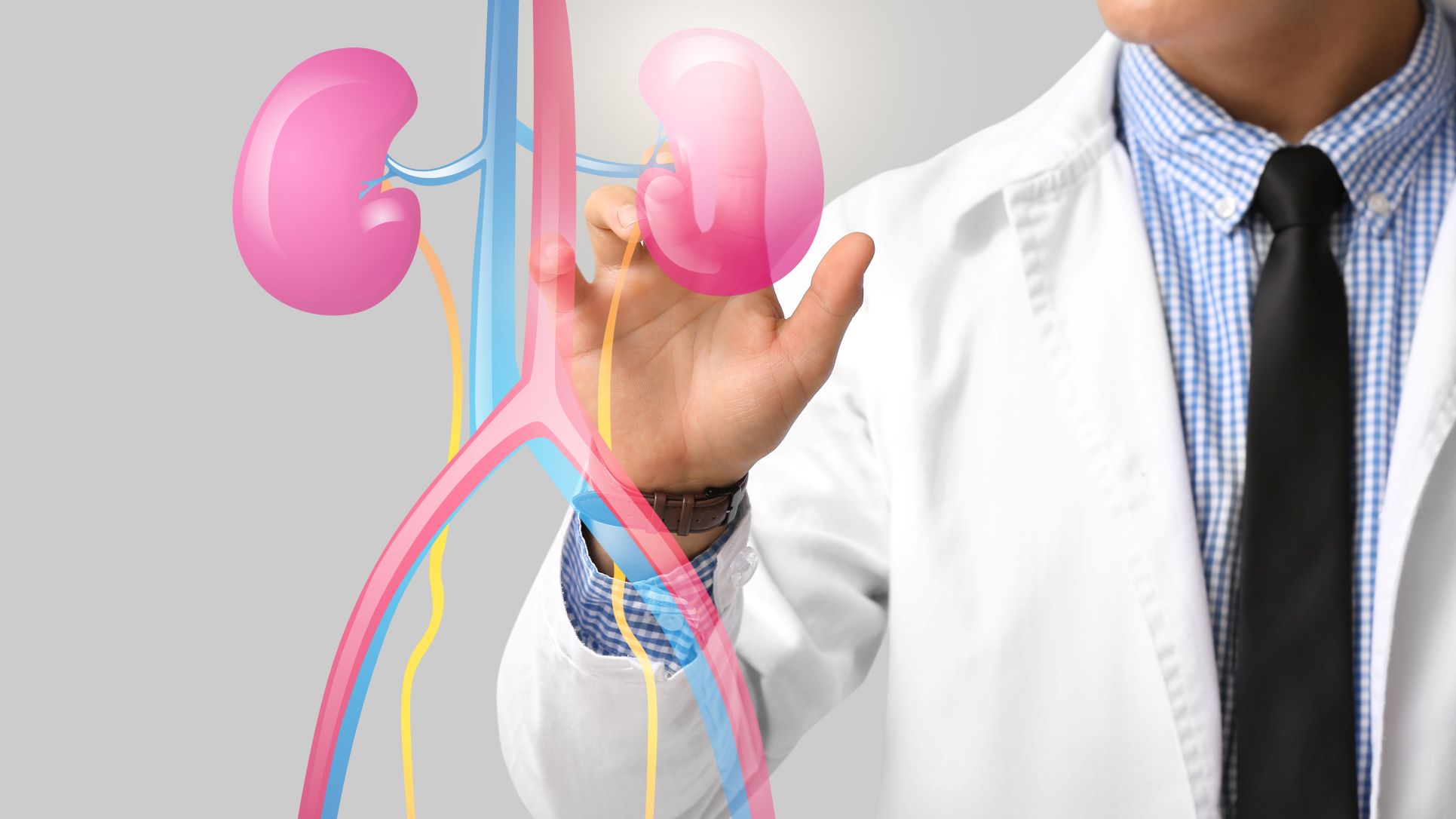
Chronic kidney disease (CKD) is a long-term condition in which the kidneys gradually lose their ability to filter waste products, regulate fluids and maintain electrolyte balance. Many people search for CKD medical treatment because they want to know whether kidney disease can be controlled, which medicines are used and how to prevent progression to kidney failure.
The most important fact about CKD is that early medical treatment can often slow kidney damage, reduce complications and delay the need for dialysis or kidney transplantation. Treatment is usually individualized according to the stage of CKD, the underlying cause and the patient's overall health.
At Prabhakar Bhurke Clinic, Dr. Sandip Prabhakar Bhurke, super specialist nephrologist and transplant physician, provides comprehensive medical management of chronic kidney disease, diabetic kidney disease, hypertensive kidney disease and advanced renal failure.
What Is CKD?
CKD is diagnosed when kidney damage or reduced kidney function persists for three months or longer. The disease is commonly staged according to the estimated glomerular filtration rate (eGFR).
As CKD progresses, the kidneys become less effective at removing waste products and maintaining normal fluid and mineral balance.
Common Causes of Chronic Kidney Disease
The most common causes include:
-
Diabetes
-
High blood pressure
-
Glomerulonephritis
-
Polycystic kidney disease
-
Recurrent kidney infections
-
Urinary tract obstruction
-
Autoimmune kidney diseases
-
Congenital kidney disorders
Identifying the underlying cause is essential because treatment may differ depending on the diagnosis.
Goals of CKD Medical Treatment
The main objectives of treatment are to:
-
Slow kidney function decline
-
Control blood pressure
-
Manage diabetes
-
Reduce protein in urine
-
Treat CKD complications
-
Protect the heart and blood vessels
-
Delay dialysis
-
Improve quality of life
Blood Pressure Control in CKD
Controlling blood pressure is one of the most important aspects of CKD treatment. High blood pressure can both cause and worsen kidney disease. Effective control may help:
-
Slow CKD progression
-
Reduce proteinuria
-
Lower cardiovascular risk
-
Protect remaining kidney function
Regular blood pressure monitoring is essential.
Diabetes Management and Kidney Protection
Diabetes is a leading cause of chronic kidney disease. Medical treatment focuses on:
-
Blood sugar control
-
Kidney-protective medications when appropriate
-
Blood pressure management
-
Cholesterol control
-
Regular kidney function monitoring
Good diabetes management can significantly influence long-term kidney outcomes.
CKD Medications
Treatment is individualized, but medications may be used to:
-
Lower blood pressure
-
Reduce protein leakage in urine
-
Protect kidney function
-
Manage diabetes
-
Treat anemia
-
Control phosphorus levels
-
Correct vitamin D deficiency
-
Manage parathyroid hormone abnormalities
-
Reduce fluid retention
-
Treat metabolic acidosis when indicated
Medication selection depends on kidney function, laboratory results and the underlying kidney disease.
Protein in Urine (Proteinuria)
Proteinuria is an important marker of kidney damage. Reducing protein loss in the urine is a major treatment goal because it may help preserve kidney function and slow disease progression.
Regular urine testing helps monitor treatment response.
CKD Diet and Medical Nutrition
Nutrition plays an important role in CKD management. Dietary recommendations may include individualized guidance regarding:
-
Sodium (salt)
-
Protein intake
-
Potassium
-
Phosphorus
-
Fluid intake
-
Processed foods
Diet should be tailored to the stage of CKD and laboratory results.
Can CKD Be Reversed?
In most cases, chronic kidney disease cannot be completely reversed. However, medical treatment can often:
-
Slow progression
-
Stabilize kidney function
-
Reduce complications
-
Delay dialysis
-
Improve symptoms
Early treatment offers the best opportunity to preserve kidney function.
Treatment of CKD Complications
CKD can affect many body systems. Medical treatment may address several complications.
Anemia
The kidneys produce hormones involved in red blood cell production. CKD-related anemia may require iron therapy and other medications.
Bone and Mineral Disorders
CKD can disturb calcium, phosphorus and vitamin D balance. Treatment may involve dietary changes and medications when appropriate.
Fluid Retention
Patients may develop:
-
Leg swelling
-
Ankle swelling
-
Shortness of breath
-
Weight gain from fluid retention
-
High blood pressure
Fluid and sodium management become increasingly important as CKD progresses.
CKD Stage-Specific Treatment
Early CKD (Stages 1–2)
Treatment focuses on:
-
Identifying the cause
-
Blood pressure control
-
Diabetes management
-
Proteinuria reduction
-
Lifestyle modification
Moderate CKD (Stage 3)
Additional focus includes:
-
Anemia monitoring
-
Bone health assessment
-
Electrolyte monitoring
-
Dietary modification
Advanced CKD (Stages 4–5)
Management becomes more intensive and may include:
-
Preparation for dialysis
-
Kidney transplant evaluation
-
Advanced complication management
-
Nutritional optimization
Lifestyle Changes That Support CKD Treatment
Important lifestyle measures include:
-
Blood pressure control
-
Diabetes management
-
Smoking cessation
-
Weight management
-
Regular physical activity as medically appropriate
-
Healthy nutrition
-
Avoiding unnecessary NSAID pain medications
-
Regular nephrology follow-up
These measures can significantly affect long-term kidney outcomes.
Monitoring During CKD Treatment
Regular follow-up usually includes:
-
Serum creatinine
-
eGFR
-
Urine protein or albumin
-
Blood pressure
-
Potassium
-
Sodium
-
Hemoglobin
-
Calcium and phosphorus
-
Weight and fluid status
Monitoring helps detect progression and complications early.
When Is Dialysis Considered?
Dialysis is generally considered when kidney function becomes severely reduced and symptoms or complications cannot be adequately controlled with medical treatment.
Possible indications include:
-
Severe fluid overload
-
High potassium
-
Severe metabolic acidosis
-
Uremic symptoms
-
Persistent nausea and vomiting
-
Progressive malnutrition
-
Certain other complications of advanced kidney failure
The decision is individualized and not based on creatinine alone.
Kidney Transplantation in CKD
For many medically suitable patients with advanced CKD, kidney transplantation may provide better long-term quality of life and survival than long-term dialysis.
Early transplant evaluation can be beneficial.
When Should You See a Nephrologist?
Consult a kidney specialist if you have:
-
eGFR below 60
-
Persistent protein in urine
-
Blood in urine
-
Elevated creatinine
-
Difficult-to-control blood pressure
-
Diabetes with kidney involvement
-
Recurrent kidney stones
-
Stage 3–5 CKD
-
Electrolyte abnormalities
Early nephrology care may significantly improve long-term kidney outcomes.
CKD Medical Care at Prabhakar Bhurke Clinic
At Prabhakar Bhurke Clinic, Dr. Sandip Prabhakar Bhurke provides comprehensive medical management of chronic kidney disease at all stages.
Care may include:
-
CKD staging
-
Kidney function assessment
-
Blood pressure optimization
-
Diabetes-related kidney care
-
Proteinuria management
-
Anemia treatment
-
Bone and mineral disorder management
-
Dietary counseling
-
Dialysis planning and monitoring
-
Kidney transplant evaluation and follow-up
Treatment is individualized according to kidney function, symptoms and overall health.
Frequently Asked Questions
What is CKD medical treatment?
CKD medical treatment includes medications, blood pressure control, diabetes management, dietary modification, treatment of complications and regular kidney function monitoring.
Can medications stop CKD progression?
Medications often cannot completely stop CKD progression, but they may significantly slow kidney function decline and reduce complications.
Is dialysis the only treatment for CKD?
No. Most CKD patients are treated with medications and lifestyle changes for many years before dialysis becomes necessary.
What is the most important treatment for CKD?
Blood pressure control, diabetes management, proteinuria reduction and regular nephrology follow-up are among the most important components of CKD treatment.
Can early CKD be treated effectively?
Yes. Early CKD often responds better to medical treatment, and early intervention may significantly slow disease progression.
Conclusion
CKD medical treatment is focused on preserving kidney function, treating complications and preventing progression to advanced kidney failure. With early diagnosis, appropriate medications, blood pressure control, diabetes management and regular specialist follow-up, many patients can maintain stable kidney function for years and delay the need for dialysis.
For expert chronic kidney disease evaluation and personalized medical treatment, consult Dr. Sandip Prabhakar Bhurke at Prabhakar Bhurke Clinic.
Medical Disclaimer
This article is intended for general educational purposes only and does not constitute medical advice, diagnosis or treatment. Chronic kidney disease requires individualized evaluation and management based on kidney function, the underlying cause, laboratory results and overall health. Do not start, stop or change medications, supplements, diet, fluid intake or other treatments based solely on this article. Seek urgent medical attention for severe shortness of breath, chest pain, confusion, persistent vomiting, markedly reduced urine output, severe swelling or other serious symptoms. Consult Dr. Sandip Prabhakar Bhurke or another qualified nephrologist for individualized medical evaluation and treatment.