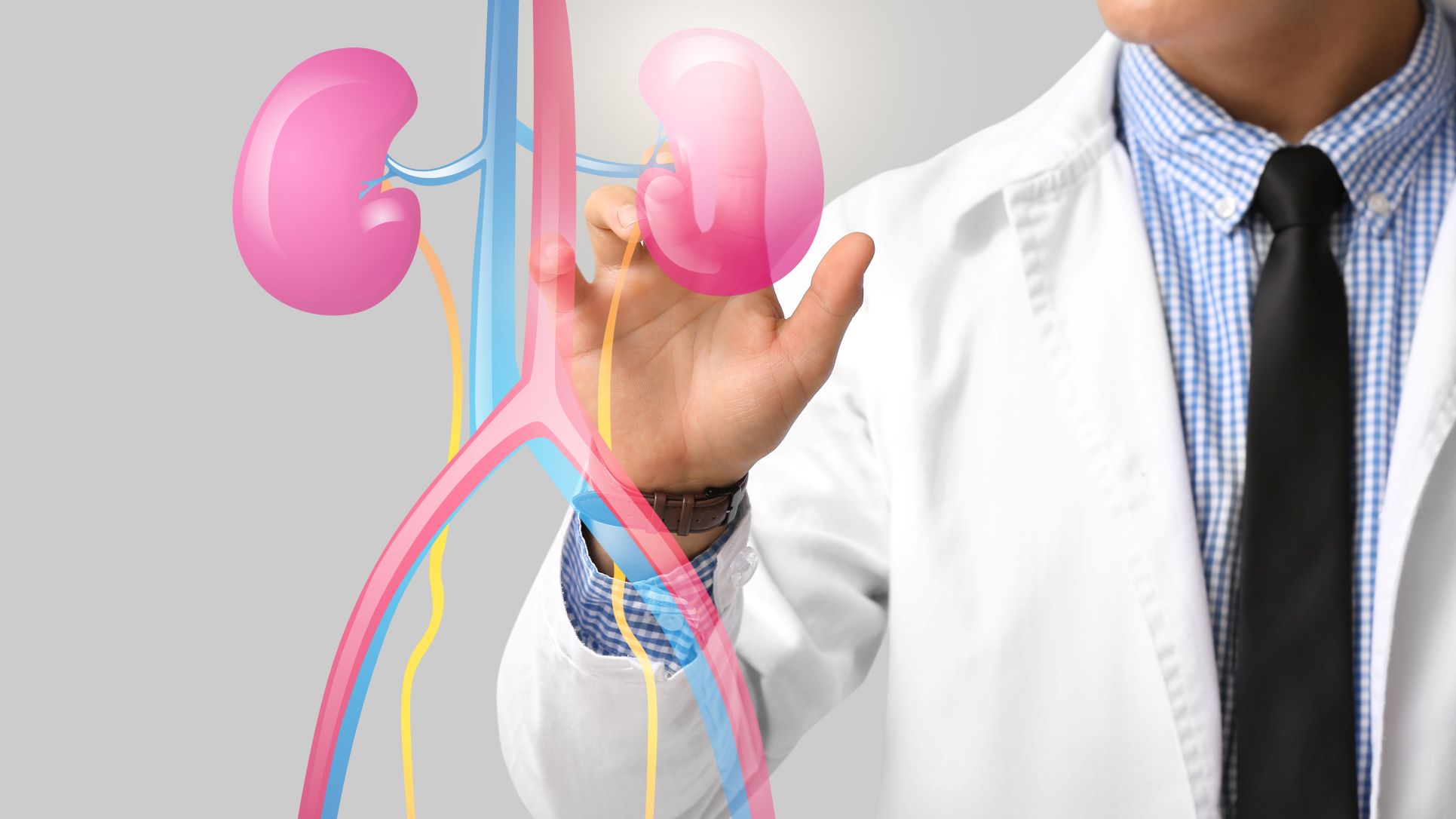
One of the most common questions patients ask after receiving kidney test results is “What is the life expectancy with 20 percent kidney function?” This is a natural concern, but the most important point is that 20 percent kidney function does not by itself determine life expectancy. Many people with approximately 20% kidney function (often corresponding to an eGFR around 20 mL/min/1.73 m²) can live for many years with appropriate medical treatment, blood pressure control, diabetes management and regular nephrology care.
Twenty percent kidney function usually indicates advanced chronic kidney disease (CKD stage 4). At this stage, the kidneys are significantly damaged, but they may still be able to perform some essential functions. The goal of treatment is to slow further decline, manage complications and prepare for future treatment options if needed.
At Prabhakar Bhurke Clinic, Dr. Sandip Prabhakar Bhurke, super specialist nephrologist and transplant physician, provides comprehensive management of stage 4 CKD, high creatinine, diabetic kidney disease, dialysis planning and kidney transplant evaluation.
What Does 20 Percent Kidney Function Mean?
When doctors say kidney function is about 20%, they are usually referring to an eGFR of approximately 20.
This generally falls within stage 4 chronic kidney disease, where kidney function is severely reduced.
At this stage:
-
Waste products begin accumulating more significantly.
-
Fluid regulation becomes less efficient.
-
Blood pressure often becomes harder to control.
-
Complications become more common.
-
Careful nephrology follow-up becomes extremely important.
Is 20 Percent Kidney Function the Same as Kidney Failure?
Not necessarily.
Kidney failure is usually associated with stage 5 CKD, when eGFR falls below 15 and symptoms or complications become severe enough that dialysis or kidney transplantation may be considered.
With 20% kidney function, many patients are not yet on dialysis.
What Affects Life Expectancy?
Life expectancy depends on many factors, including:
-
Age
-
Diabetes
-
Blood pressure control
-
Heart disease
-
Protein in urine
-
Smoking
-
Kidney disease progression rate
-
Nutritional status
-
Anemia
-
Potassium levels
-
Access to nephrology care
-
Response to treatment
For this reason, two patients with the same eGFR may have very different long-term outcomes.
Symptoms at 20 Percent Kidney Function
Some patients have few symptoms, while others develop noticeable complications.
Common symptoms may include:
-
Fatigue
-
Weakness
-
Swelling of the feet or ankles
-
Puffiness around the eyes
-
Frequent nighttime urination
-
Nausea
-
Loss of appetite
-
Itching
-
Muscle cramps
-
High blood pressure
-
Difficulty concentrating
Symptoms often become more noticeable as kidney function declines further.
Why Early Stage 4 CKD Care Matters
A key message for patients with 20% kidney function is that stage 4 CKD is a critical opportunity for intervention.
Proper treatment may help:
-
Slow progression
-
Reduce symptoms
-
Delay dialysis
-
Improve quality of life
-
Reduce cardiovascular risk
-
Prepare for transplantation if appropriate
Can Kidney Function Improve From 20 Percent?
In chronic kidney disease, kidney damage is usually not fully reversible.
However:
-
Acute kidney injury superimposed on CKD may improve.
-
Obstruction can sometimes be relieved.
-
Infections can be treated.
-
Certain medications may stabilize kidney function.
-
Blood pressure and diabetes control may slow further decline.
The goal is often stabilization and preservation of remaining kidney function.
Stage 4 CKD and Dialysis Planning
An eGFR around 20 is an important stage for discussing future kidney replacement therapy.
This does not mean dialysis must start immediately.
Instead, nephrologists may begin planning for:
-
Vascular access creation
-
Dialysis education
-
Home dialysis evaluation
-
Kidney transplant assessment
-
Conservative kidney care discussions when appropriate
Early planning usually leads to better outcomes.
How Fast Does Kidney Function Decline?
Progression varies widely.
Some patients remain near 20% kidney function for years, while others experience more rapid decline.
Factors associated with faster progression include:
-
Poor blood pressure control
-
Uncontrolled diabetes
-
Heavy proteinuria
-
Recurrent kidney injury
-
Smoking
-
Obesity
-
Certain kidney diseases
-
Poor medication adherence
Regular monitoring helps identify progression early.
Important Blood Tests
Patients with stage 4 CKD usually require regular monitoring of:
-
Serum creatinine
-
eGFR
-
Potassium
-
Sodium
-
Bicarbonate
-
Hemoglobin
-
Calcium
-
Phosphorus
-
Parathyroid hormone
-
Urine protein
These tests help guide treatment decisions.
Anemia at 20 Percent Kidney Function
Many patients develop anemia because the kidneys produce less erythropoietin.
Symptoms may include:
-
Fatigue
-
Weakness
-
Shortness of breath
-
Reduced exercise capacity
-
Dizziness
Treatment may include iron therapy and erythropoiesis-stimulating medications when appropriate.
Bone and Mineral Problems
Stage 4 CKD may cause disturbances in:
-
Calcium
-
Phosphorus
-
Vitamin D
-
Parathyroid hormone
These changes can lead to:
-
Bone pain
-
Weak bones
-
Fracture risk
-
Muscle weakness
Monitoring and treatment are important.
Blood Pressure Targets
Blood pressure control is one of the most effective ways to protect remaining kidney function.
Nephrologists may recommend:
-
Home blood pressure monitoring
-
Salt restriction
-
Kidney-protective medications
-
Weight management
-
Regular follow-up
Diabetes and Stage 4 CKD
Diabetes is a major cause of CKD progression.
Care focuses on:
-
Blood sugar control
-
Kidney-protective medications
-
Proteinuria reduction
-
Cardiovascular protection
-
Regular kidney monitoring
Diet With 20 Percent Kidney Function
Diet should be individualized, but recommendations may include:
-
Reduced sodium intake
-
Appropriate protein intake
-
Potassium management when necessary
-
Phosphorus control
-
Fluid guidance based on swelling and kidney function
-
Nutritional assessment
Patients should avoid making major dietary changes without medical supervision.
Can Dialysis Be Delayed?
In many patients, yes.
Dialysis may sometimes be delayed through:
-
Blood pressure control
-
Diabetes management
-
Medication optimization
-
Proteinuria reduction
-
Dietary management
-
Treatment of anemia
-
Management of CKD complications
-
Regular nephrology care
The goal is to maintain good quality of life for as long as possible.
Kidney Transplant Evaluation
For many medically suitable patients, kidney transplantation may provide better long-term outcomes than long-term dialysis.
Evaluation often begins during stage 4 CKD, particularly when eGFR approaches 20.
Early transplant referral can be beneficial.
Warning Signs Requiring Urgent Medical Attention
Patients with advanced CKD should seek urgent medical care for:
-
Severe shortness of breath
-
Chest pain
-
Very little urine output
-
Severe swelling
-
Persistent vomiting
-
Confusion
-
Severe weakness
-
High potassium symptoms
-
Loss of consciousness
These symptoms may indicate serious kidney failure complications.
Kidney Care at Prabhakar Bhurke Clinic
At Prabhakar Bhurke Clinic, Dr. Sandip Prabhakar Bhurke provides comprehensive stage 4 CKD management, including:
-
CKD staging
-
High creatinine evaluation
-
eGFR monitoring
-
Diabetic kidney disease treatment
-
Hypertensive kidney disease management
-
Proteinuria treatment
-
Anemia management
-
Bone and mineral disorder treatment
-
Dialysis planning
-
Home dialysis assessment
-
Kidney transplant evaluation and follow-up
Treatment is individualized according to kidney function, symptoms and overall health.
Frequently Asked Questions
Is 20 percent kidney function serious?
Yes. It usually indicates stage 4 chronic kidney disease and requires close nephrology follow-up and active treatment.
How long can someone live with 20 percent kidney function?
Life expectancy varies widely depending on age, diabetes, heart disease, blood pressure control, proteinuria and overall health. Many patients live for years with appropriate treatment.
Does 20 percent kidney function mean dialysis is needed immediately?
Not necessarily. Many patients with an eGFR around 20 are managed medically and monitored closely before dialysis becomes necessary.
Can kidney function improve from 20 percent?
Chronic kidney damage is usually not fully reversible, but treatment may stabilize kidney function and slow further decline.
Is kidney transplant an option at this stage?
Yes. Stage 4 CKD is often an appropriate time to begin kidney transplant evaluation in suitable patients.
Conclusion
Twenty percent kidney function is a serious but manageable stage of chronic kidney disease. Life expectancy cannot be predicted from kidney function alone, and many patients maintain good quality of life for years with expert nephrology care. Early treatment, blood pressure control, diabetes management, complication monitoring and timely planning for future treatment options are the most important factors in improving long-term outcomes.
For expert evaluation and personalized stage 4 CKD management, consult Dr. Sandip Prabhakar Bhurke at Prabhakar Bhurke Clinic.
Medical Disclaimer
This article is intended for general educational purposes only and does not constitute medical advice, diagnosis or treatment. Life expectancy with advanced kidney disease varies significantly depending on the underlying cause, age, cardiovascular health, diabetes, blood pressure control, laboratory findings and overall medical condition. Do not use this article to predict an individual prognosis or make treatment decisions. Seek urgent medical attention for severe shortness of breath, chest pain, confusion, persistent vomiting, very little urine output, severe swelling or other serious symptoms. Consult Dr. Sandip Prabhakar Bhurke or another qualified nephrologist for individualized medical evaluation, prognosis and treatment planning.