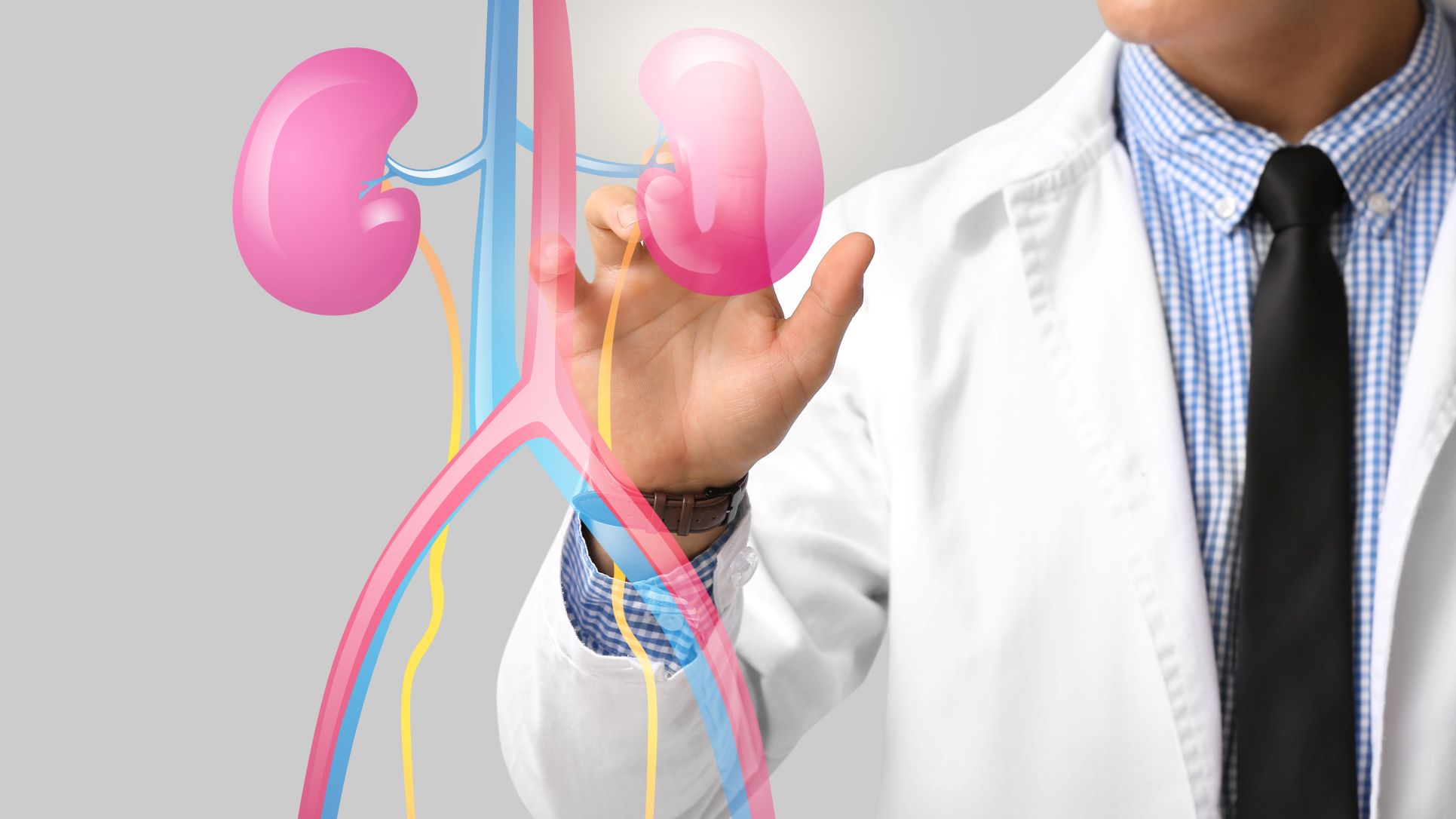
The search for medicine to dissolve kidney stones is common among people who want to avoid surgery or invasive procedures. However, whether a stone can actually be dissolved with medicine depends primarily on its chemical composition, size, location and the patient's overall condition.
Not all kidney stones respond to medicines that dissolve them.
Uric acid stones are the main type that may sometimes be dissolved medically. Treatment can involve medicines that make the urine more alkaline, allowing uric acid crystals to dissolve.
Most calcium-based stones, including many calcium oxalate stones, generally cannot simply be dissolved with tablets. Depending on their size and location, they may pass naturally, be treated with medication to facilitate passage, or require a procedure.
At Prabhakar Bhurke Clinic, Dr. Sandip Prabhakar Bhurke, super specialist nephrologist and transplant physician, can evaluate kidney-related conditions and help determine an appropriate treatment approach based on the patient's individual condition.
Which Kidney Stones Can Be Dissolved With Medicine?
Uric Acid Stones
Uric acid stones are the best-known type of kidney stone that can sometimes be dissolved through medical treatment.
The approach generally involves raising urinary pH, making the urine less acidic. This can reduce the size of uric acid stones and, in appropriate cases, lead to their complete dissolution.
Medicines such as potassium citrate may be prescribed as urinary alkalinizers in appropriate patients. In selected cases, a doctor may also prescribe treatment to reduce uric acid production or levels.
The treatment needs medical supervision because urine pH must be managed appropriately, and the suitability of the medicine depends on kidney function, blood potassium and other factors.
Can Calcium Oxalate Stones Be Dissolved?
Calcium oxalate stones are among the most common kidney stones.
Unlike uric acid stones, they generally do not dissolve simply by taking a medicine.
Treatment may instead involve:
-
Allowing a small stone to pass naturally
-
Adequate fluid intake when medically appropriate
-
Medication to help facilitate stone passage in selected patients
-
Shock-wave lithotripsy
-
Ureteroscopy
-
Percutaneous nephrolithotomy for selected large stones
The appropriate option depends on the stone's size, location, symptoms and effect on the urinary system.
What Medicine Helps a Kidney Stone Pass?
A medicine that helps a stone pass is not necessarily a medicine that dissolves it.
For selected small ureteral stones, doctors may use medical expulsive therapy, which can involve medicines that relax the ureter and make stone passage easier.
Alpha-blockers such as tamsulosin may be used in selected patients.
This distinction is important:
Dissolving medicine: Changes the chemical environment so certain stones, particularly uric acid stones, may dissolve.
Stone-passage medicine: Helps the ureter relax so a stone can pass more easily.
Neither approach is suitable for every stone or every patient.
How Does Medicine Dissolve a Uric Acid Stone?
Uric acid stones tend to form in acidic urine.
Medical dissolution treatment works by making the urine more alkaline.
As urinary pH rises appropriately, uric acid becomes more soluble. Over time, an existing uric acid stone may become smaller and can potentially dissolve.
Treatment may involve:
-
Confirming or strongly assessing that the stone is likely to be uric acid.
-
Evaluating kidney function and relevant blood tests.
-
Prescribing an appropriate urinary alkalinizing medicine.
-
Monitoring urinary pH.
-
Monitoring stone size through appropriate imaging.
-
Adjusting treatment according to response.
This process requires follow-up rather than taking a tablet without monitoring.
Is Potassium Citrate a Medicine to Dissolve Kidney Stones?
Potassium citrate is a prescription urinary alkalinizer used in selected patients with certain types of kidney stones. It makes urine less acidic and can be useful in the treatment or prevention of uric acid stones.
However, potassium citrate is not a universal kidney stone dissolving medicine.
The medicine may not be appropriate for everyone, particularly people with certain kidney conditions, elevated potassium or specific medication interactions.
Therefore, it should be taken only according to a healthcare professional's advice.
What About Allopurinol for Kidney Stones?
Allopurinol can be prescribed in selected patients with uric acid stones or high uric acid levels.
Its role is different from urinary alkalinization. It reduces the production of uric acid and may be used as part of a broader strategy to prevent uric acid stone formation. In some patients, a doctor may use it along with other treatment.
Allopurinol should not be started simply because someone has a kidney stone. The reason for the stone and the patient's blood and urine findings need to be evaluated first.
Can Drinking Water Dissolve Kidney Stones?
Drinking adequate fluid can help keep urine dilute and may assist the passage of smaller stones.
However, water does not reliably dissolve every type of kidney stone.
For people with small stones, appropriate fluid intake may help the stone pass naturally. The amount of fluid should be individualized, especially for people with advanced kidney disease, heart failure or a prescribed fluid restriction.
How Do Doctors Determine the Type of Kidney Stone?
Knowing the stone type is valuable because treatment and prevention strategies differ.
A doctor may use:
Imaging
Ultrasound or CT imaging can help identify the stone's size, location and characteristics. Certain CT techniques can also help identify uric acid stones.
Blood Tests
Blood tests may assess:
-
Uric acid
-
Calcium
-
Kidney function
-
Electrolytes
-
Other relevant metabolic factors
Urine Testing
Urine evaluation can help identify abnormalities associated with stone formation.
A 24-hour urine collection may be recommended for people with recurrent or high-risk stone disease.
Stone Analysis
If a patient passes a stone, laboratory analysis can determine its chemical composition and help guide future prevention.
When Is Medicine Not Enough?
Medical treatment may not be appropriate when a stone is:
-
Too large to pass
-
Causing persistent severe pain
-
Blocking urine flow
-
Associated with infection
-
Causing deterioration in kidney function
-
Not responding to conservative management
Larger or complicated stones may require procedures such as shock-wave lithotripsy, ureteroscopy or percutaneous nephrolithotomy (PCNL).
Kidney Stone Procedures When Dissolving Medicine Is Not Suitable
Shock-Wave Lithotripsy
Shock-wave lithotripsy uses sound waves to break a kidney stone into smaller fragments that can subsequently pass through the urinary tract.
Ureteroscopy
A thin instrument is passed through the urinary tract to reach the stone. Depending on the situation, the stone can be removed or fragmented.
PCNL
Percutaneous nephrolithotomy is generally considered for larger or more complex kidney stones. It involves accessing the kidney through a small opening in the back and removing the stone.
The appropriate procedure depends on factors such as stone size, location, anatomy and overall health.
Can Herbal Remedies Dissolve Kidney Stones?
Be cautious about products advertised as natural kidney stone dissolvers.
There is no universal herbal medicine that dissolves all types of kidney stones. Using unverified remedies may delay effective treatment and can potentially interact with prescribed medicines or affect kidney function.
If you are considering a supplement or herbal preparation, discuss it with your doctor before using it.
How Can You Prevent New Kidney Stones?
Treatment should not stop after the current stone is removed or passed.
Prevention may involve:
-
Maintaining appropriate fluid intake
-
Reducing excessive dietary sodium
-
Following stone-specific dietary advice
-
Maintaining an appropriate calcium intake
-
Addressing high uric acid when relevant
-
Treating metabolic abnormalities
-
Completing recommended urine testing
-
Taking preventive medicines when prescribed
Prevention should be based on the type and cause of the stone rather than a one-size-fits-all diet.
When Should You See a Kidney Specialist?
Consider specialist evaluation if you have:
-
Repeated kidney stones
-
Stones in both kidneys
-
Persistent or severe flank pain
-
Blood in the urine
-
Recurrent urinary infections
-
A history of uric acid stones
-
Reduced kidney function
-
A large kidney stone
-
Urinary obstruction
-
Recurrent stones despite treatment
A specialist can help determine whether medical management, observation or a procedure is appropriate.
When Is a Kidney Stone an Emergency?
Seek urgent medical care if kidney stone symptoms occur with:
-
Fever or chills
-
Severe or worsening pain
-
Persistent vomiting
-
Very little or no urine
-
Significant weakness
-
Known urinary obstruction
-
A single functioning kidney with suspected obstruction
A stone associated with infection and urinary obstruction can be a serious medical problem and should not be treated at home with dissolving remedies.
Kidney Stone Care at Prabhakar Bhurke Clinic
At Prabhakar Bhurke Clinic, Dr. Sandip Prabhakar Bhurke provides super specialist nephrology and transplant-related care.
Patients with kidney stones may require assessment of:
-
Kidney function
-
Stone-related complications
-
Recurrent stone formation
-
Uric acid abnormalities
-
Urine findings
-
Associated metabolic conditions
-
Hydration and dietary factors
Where a stone requires procedural management, coordination with the appropriate surgical or urological specialist may also be necessary.
The treatment plan should be based on the stone's characteristics and the patient's overall medical condition rather than the assumption that every stone can be dissolved with medicine.
Frequently Asked Questions
What is the best medicine to dissolve kidney stones?
There is no single medicine for all kidney stones. Medicines that alkalinize urine may dissolve some uric acid stones, while most calcium-based stones generally require passage, fragmentation or removal rather than dissolution.
Can potassium citrate dissolve kidney stones?
Potassium citrate can help dissolve certain uric acid stones by making urine more alkaline. It is not suitable for every stone type or every patient and should be prescribed and monitored by a healthcare professional.
Can a 10 mm kidney stone dissolve with medicine?
It depends on the stone type and location. A uric acid stone may potentially respond to dissolution therapy, whereas a calcium-based stone generally will not dissolve with medicine. Larger stones may also require procedural treatment depending on symptoms and obstruction.
Can kidney stones dissolve naturally?
Some uric acid stones may dissolve when urine chemistry is appropriately modified under medical supervision. Small stones of other types may pass naturally, but passing a stone is different from dissolving it.
Can lemon water dissolve kidney stones?
Citrus beverages can contribute citrate to the diet, which may be helpful for some people in preventing certain stones, but lemon water should not be considered a proven treatment for dissolving an existing kidney stone.
Can kidney stone medicine be taken without a doctor's prescription?
It is not advisable to self-medicate. The appropriate medicine depends on stone type, kidney function, other medical conditions and current medications.
Conclusion
The phrase “medicine to dissolve kidney stones” can be misleading because only certain types of stones may be amenable to medical dissolution.
Uric acid stones are the primary stones that may sometimes dissolve when urinary chemistry is appropriately modified. Medicines such as urinary alkalinizers can be useful in selected patients under medical supervision. Most calcium-based stones do not simply dissolve with tablets and may instead need to pass naturally or be treated with an appropriate procedure.
Before taking any kidney stone medicine, it is important to determine the stone's likely type, size and location and to assess kidney function. Proper diagnosis can prevent unnecessary treatment and help reduce the chance of recurrent stones.
For specialized kidney evaluation and individualized treatment, consult Dr. Sandip Prabhakar Bhurke at Prabhakar Bhurke Clinic.
Medical Disclaimer
This article is intended for general educational and informational purposes only and does not constitute medical advice, diagnosis or treatment. Not all kidney stones can be dissolved with medicine, and treatment depends on stone composition, size, location, kidney function and associated complications. Prescription medicines such as potassium citrate or allopurinol should only be used under appropriate medical supervision. Do not attempt to dissolve a kidney stone with unverified herbal remedies or stop prescribed treatment based on online information. Fever or chills with suspected urinary obstruction, severe persistent pain, repeated vomiting, very little or no urine, or sudden deterioration in health requires prompt medical assessment. Consult Dr. Sandip Prabhakar Bhurke or another qualified healthcare professional for personalized advice.