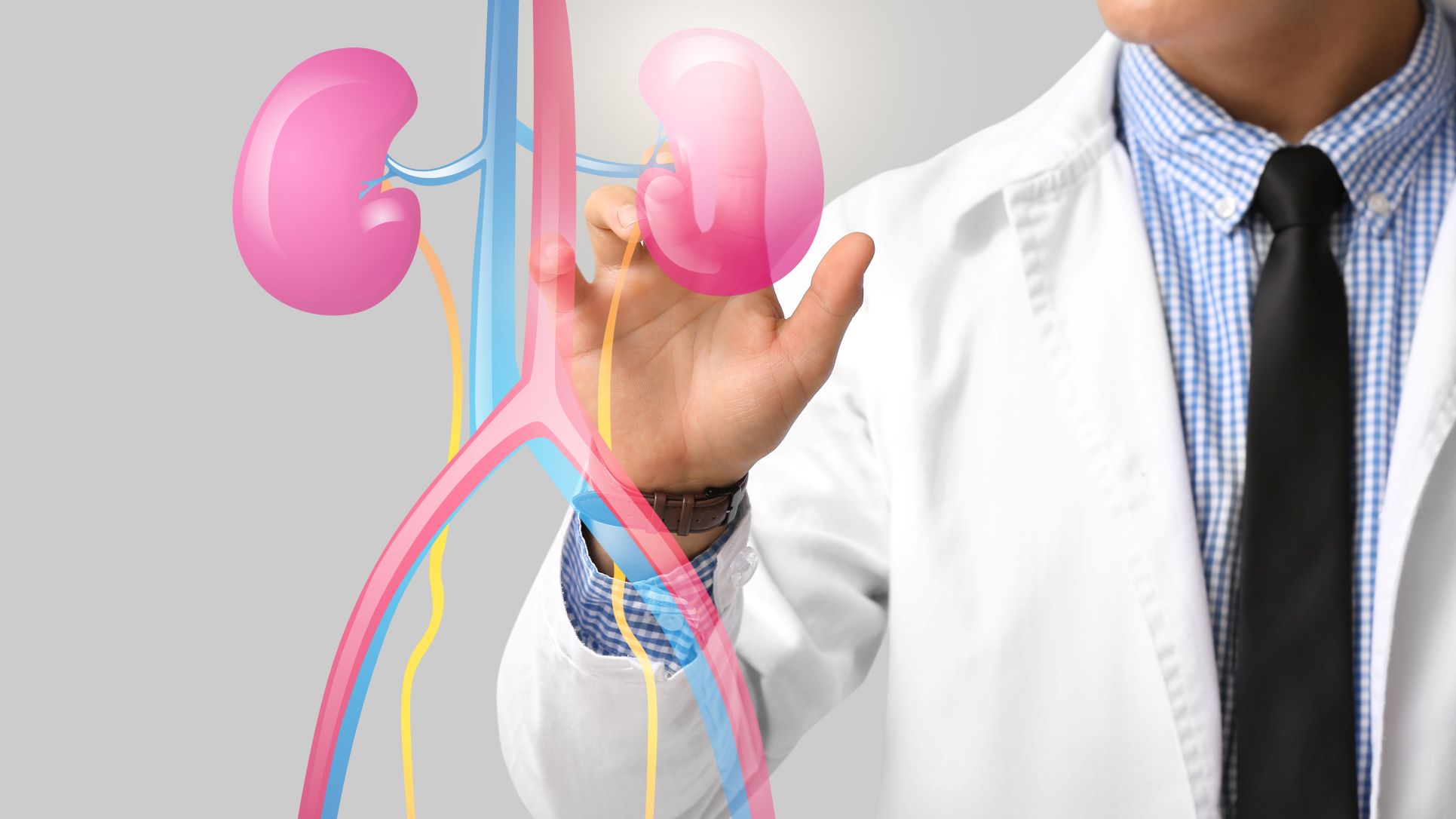
Renal parenchymal disease refers to disorders affecting the functional tissue of the kidneys, known as the renal parenchyma. This tissue contains the structures responsible for filtering blood, regulating fluids and electrolytes, and producing urine.
The term may appear on an ultrasound, CT scan or other medical report when changes are observed in the kidney tissue. It is important to understand that renal parenchymal disease is not one specific disease. It can describe kidney changes caused by several underlying conditions.
Possible causes include:
-
Long-standing high blood pressure
-
Diabetes
-
Glomerular diseases
-
Recurrent kidney infections
-
Certain autoimmune disorders
-
Genetic kidney conditions
-
Obstructive kidney disease
-
Medication- or toxin-related kidney injury
-
Chronic kidney disease from various causes
Treatment therefore depends on identifying the underlying cause and determining how much kidney function has been affected.
At Prabhakar Bhurke Clinic, Dr. Sandip Prabhakar Bhurke, super specialist nephrologist and transplant physician, provides specialist evaluation and management of kidney diseases affecting renal function.
What Causes Renal Parenchymal Disease?
Several conditions can damage kidney tissue over time.
Diabetes
Persistently high blood glucose can damage the kidney's filtering units and eventually contribute to chronic kidney disease.
High Blood Pressure
Uncontrolled hypertension can place continuous stress on the small blood vessels and filtering structures of the kidneys.
Glomerular Diseases
Diseases affecting the glomeruli, such as certain forms of glomerulonephritis or nephrotic syndromes, can impair kidney filtration.
Recurrent Kidney Infections
Repeated or severe infections may cause kidney tissue damage, particularly when associated with other urinary tract abnormalities.
Autoimmune Diseases
Some autoimmune conditions can affect the kidneys and cause inflammation or progressive kidney injury.
Genetic Disorders
Conditions such as polycystic kidney disease can alter kidney structure and eventually affect renal function.
Urinary Obstruction
Long-standing obstruction of urine flow can increase pressure within the urinary system and contribute to kidney damage.
What Does "Renal Parenchymal Disease" on an Ultrasound Mean?
Patients sometimes become concerned after seeing phrases such as "bilateral renal parenchymal disease" or "medical renal disease" on an ultrasound report.
Imaging may show features such as changes in kidney size, cortical thickness or echogenicity.
However, an ultrasound finding alone usually does not establish the exact cause or severity of kidney disease.
The report needs to be interpreted alongside:
-
Serum creatinine
-
eGFR
-
Urine examination
-
Urine protein or albumin testing
-
Blood pressure
-
Blood glucose
-
Medical history
-
Other imaging findings
-
Previous kidney-function results
A nephrologist can determine whether the imaging finding represents significant kidney disease and what further evaluation is appropriate.
Symptoms of Renal Parenchymal Disease
Early kidney disease may produce few or no noticeable symptoms.
As kidney impairment progresses, possible symptoms include:
-
Swelling around the ankles or legs
-
Changes in urination
-
Foamy urine
-
Blood in the urine
-
Fatigue
-
Loss of appetite
-
Nausea
-
Itching
-
Muscle cramps
-
Shortness of breath
-
Difficulty concentrating
These symptoms are not specific to kidney disease and can occur with many other conditions.
How Is Renal Parenchymal Disease Diagnosed?
A detailed evaluation is often required to determine the cause and severity.
Blood Tests
Common tests include:
-
Serum creatinine
-
eGFR
-
Blood urea nitrogen
-
Electrolytes
-
Hemoglobin
Urine Tests
Urine testing may identify:
-
Protein
-
Albumin
-
Blood
-
Infection
-
Other abnormalities
Blood Pressure Measurement
Regular blood-pressure monitoring is particularly important because hypertension can both cause and worsen kidney disease.
Blood Sugar Testing
HbA1c or other glucose testing may be recommended when diabetes or prediabetes is suspected.
Kidney Imaging
Ultrasound is frequently used to assess:
-
Kidney size
-
Cortical appearance
-
Obstruction
-
Stones
-
Cysts
-
Structural abnormalities
Additional imaging may be appropriate in selected cases.
Kidney Biopsy
A kidney biopsy is not necessary for everyone. In selected patients, it may be recommended when determining the exact type of kidney disease will significantly influence treatment.
Renal Parenchymal Disease Treatment
There is no single medicine that treats every form of renal parenchymal disease.
The treatment approach depends on the underlying cause, degree of kidney impairment and presence of complications.
1. Control Blood Pressure
Blood-pressure management is an important part of protecting kidney function.
Depending on the clinical situation, doctors may prescribe medicines that reduce blood pressure and may also lower protein loss through the kidneys.
Medication selection should be individualized according to kidney function, potassium levels, pregnancy status and other medical factors.
2. Manage Diabetes
For people with diabetic kidney disease, good glucose management can help reduce the risk of further kidney damage.
Depending on the patient's circumstances, treatment may include:
-
Dietary management
-
Physical activity
-
Diabetes medicines
-
Blood-pressure management
-
Kidney-protective medications when appropriate
3. Reduce Excess Protein in the Urine
Protein or albumin in urine can be an important marker of kidney damage.
When significant albuminuria is present, specific kidney-protective medicines may be considered.
4. Treat Underlying Kidney Inflammation
If renal parenchymal disease is caused by a specific inflammatory or immune-mediated kidney disorder, treatment may involve medicines such as corticosteroids or other immunosuppressive therapies.
These treatments are not appropriate for all kidney diseases and should only be used when medically indicated.
5. Treat Kidney Infections
If infection contributes to kidney injury, appropriate antimicrobial treatment may be required.
Recurrent infections may also require investigation for an underlying urinary tract problem.
6. Manage Urinary Obstruction
If kidney damage is associated with urinary blockage, treatment may be necessary to restore urine flow.
The specific intervention depends on the cause of the obstruction.
7. Avoid Kidney-Harming Medicines and Substances
Some medicines can increase the risk of kidney injury, particularly in vulnerable patients.
Non-prescription painkillers such as certain NSAIDs can be problematic for some people with kidney disease.
Patients should discuss regular medications, supplements and over-the-counter products with their doctor.
Can Renal Parenchymal Disease Be Reversed?
The answer depends on the cause.
Some forms of kidney injury may improve when the underlying problem is identified and treated early.
For example, kidney function may recover partially after certain acute kidney injuries.
However, established chronic scarring of kidney tissue generally cannot simply be reversed.
The goal of treatment in chronic disease is often to slow further deterioration and manage complications.
Renal Parenchymal Disease and Chronic Kidney Disease
Renal parenchymal abnormalities can be associated with chronic kidney disease, but an imaging finding alone does not determine CKD stage.
CKD staging primarily considers kidney filtration and other markers of kidney damage over time.
Doctors may monitor:
-
eGFR
-
Urine albumin
-
Blood pressure
-
Creatinine
-
Electrolytes
-
Hemoglobin
-
Symptoms
-
Underlying disease
Regular follow-up helps determine whether kidney function is stable or changing.
Diet for Renal Parenchymal Disease
There is no universal "renal diet" suitable for every patient.
Dietary recommendations depend on kidney function and laboratory results.
Depending on the individual situation, a doctor or renal dietitian may discuss:
Sodium
Reducing excessive salt intake can help with blood-pressure and fluid management.
Protein
The appropriate amount of dietary protein depends on kidney function, nutritional status and whether the patient is receiving dialysis.
Potassium
Potassium restriction is not automatically required for everyone with kidney disease. It may be recommended when blood potassium is elevated or when other clinical factors warrant it.
Phosphorus
People with advanced kidney disease may need guidance regarding phosphorus intake.
Fluids
Fluid requirements vary considerably. Patients should not dramatically increase or restrict fluid intake without appropriate medical advice.
Lifestyle Measures That Support Kidney Health
Along with medical treatment, healthy habits may support long-term kidney health.
Helpful measures can include:
-
Maintaining a healthy body weight
-
Staying physically active
-
Avoiding tobacco
-
Limiting excessive alcohol consumption
-
Following prescribed medications
-
Monitoring blood pressure
-
Managing diabetes
-
Attending regular kidney check-ups
-
Avoiding unnecessary over-the-counter medicines
When Does Renal Parenchymal Disease Become Serious?
The seriousness depends on the degree of kidney impairment and the underlying cause.
Urgent medical assessment may be needed when kidney disease is accompanied by:
-
Very low urine output
-
Severe swelling
-
Significant breathlessness
-
Chest discomfort
-
Confusion
-
Persistent vomiting
-
Severe weakness
-
Rapidly worsening kidney-function results
Some kidney diseases can progress quietly, which is why laboratory monitoring is important even when symptoms are absent.
Can Renal Parenchymal Disease Lead to Kidney Failure?
Some chronic renal parenchymal diseases can progressively reduce kidney function.
However, progression is not inevitable for every patient.
Early identification and appropriate management of contributing factors such as hypertension, diabetes, proteinuria and active kidney inflammation may help protect remaining kidney function.
In advanced kidney failure, treatment options may include:
-
Hemodialysis
-
Peritoneal dialysis
-
Kidney transplantation
-
Conservative kidney management in selected patients
Renal Parenchymal Disease Treatment at Prabhakar Bhurke Clinic
At Prabhakar Bhurke Clinic, Dr. Sandip Prabhakar Bhurke, super specialist nephrologist and transplant physician, provides comprehensive evaluation of patients with kidney-function abnormalities and renal parenchymal disease.
Specialist assessment may include:
-
Reviewing ultrasound or CT findings
-
Evaluating creatinine and eGFR
-
Checking urine protein or albumin
-
Assessing blood pressure
-
Evaluating diabetes-related kidney damage
-
Investigating possible glomerular disease
-
Reviewing medications
-
Identifying potentially reversible causes
-
Monitoring chronic kidney disease
-
Managing complications
-
Discussing dialysis or transplantation when clinically appropriate
The treatment plan is individualized rather than based solely on an imaging report.
Frequently Asked Questions
Is renal parenchymal disease curable?
It depends on the underlying cause. Some acute or treatable kidney problems may improve, while chronic structural damage and scarring may be permanent. Early diagnosis can be important for protecting remaining kidney function.
Is renal parenchymal disease the same as CKD?
Not necessarily. Renal parenchymal disease is a broad term describing abnormalities of kidney tissue. CKD is defined based on persistent abnormalities in kidney structure or function over time.
What is the treatment for bilateral renal parenchymal disease?
Treatment depends on why both kidneys are affected. Doctors may investigate blood pressure, diabetes, urine protein, kidney inflammation, infections, genetic conditions and other causes.
Can kidney function improve after treatment?
Some types of kidney injury can improve, particularly when the underlying cause is identified early. Long-standing chronic scarring is generally less reversible.
Does renal parenchymal disease always cause symptoms?
No. Kidney disease can remain silent until significant impairment develops. Blood and urine testing can detect abnormalities before symptoms become obvious.
Should I worry if an ultrasound says "medical renal disease"?
An ultrasound phrase such as "medical renal disease" should be interpreted in context. It does not by itself establish the severity or exact cause of kidney disease. Kidney-function and urine tests are important for proper evaluation.
Conclusion
Renal parenchymal disease treatment begins with understanding why the kidney tissue has become abnormal and determining whether the problem is acute, chronic, reversible or progressive.
Management may involve controlling blood pressure and diabetes, treating inflammation or infection, addressing urinary obstruction, reducing kidney-related risk factors and monitoring kidney function over time.
Because imaging findings can have different meanings in different patients, a specialist evaluation is important before deciding on treatment.
For comprehensive assessment and management of kidney disease, Dr. Sandip Prabhakar Bhurke at Prabhakar Bhurke Clinic provides super specialist nephrology and transplant-related medical care.
Medical Disclaimer
This article is intended for general educational purposes only and does not constitute medical advice, diagnosis or treatment. "Renal parenchymal disease" is a broad clinical term and treatment varies according to the underlying cause, kidney function, urine findings, imaging results and other health conditions. Do not start, stop or change medicines, supplements, fluid intake or diet based solely on this article. A healthcare professional should evaluate abnormal kidney-function tests or imaging findings. Seek urgent medical attention for severe breathlessness, very low urine output, confusion, chest discomfort or rapidly worsening symptoms.