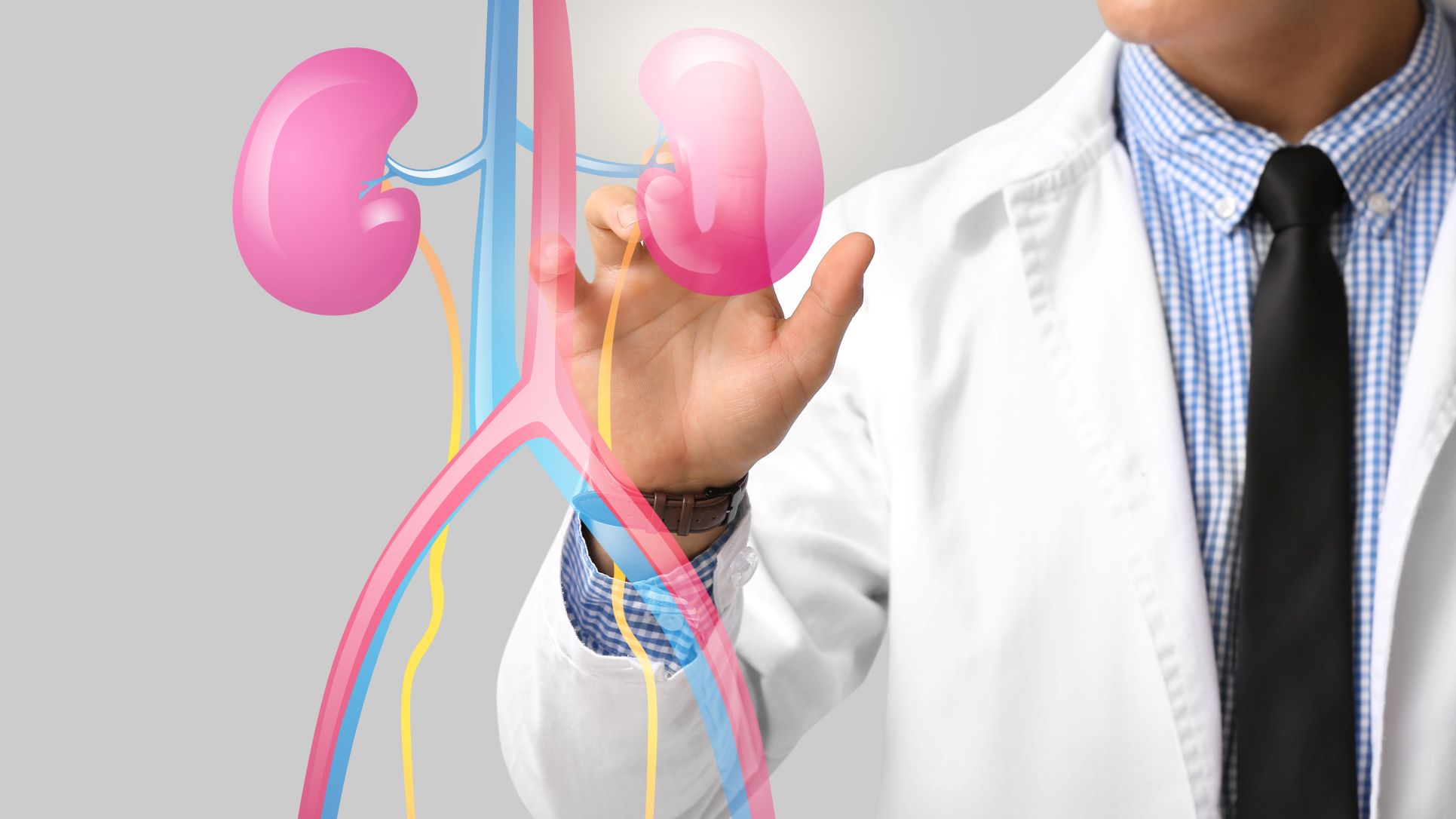
Kidney stones can remain unnoticed when they are small and sitting within the kidney. Symptoms often appear when a stone moves into the ureter—the narrow tube that carries urine from the kidney to the bladder—or when it causes obstruction.
The symptoms of having kidney stones can vary according to the stone's size, location and degree of blockage.
Common symptoms include:
-
Sudden or severe pain in the side or back
-
Pain that moves toward the lower abdomen or groin
-
Blood in the urine
-
Burning or discomfort while urinating
-
Frequent urge to urinate
-
Nausea or vomiting
-
Cloudy or unpleasant-smelling urine
-
Difficulty passing urine
-
Fever or chills when infection is present
Not everyone with a kidney stone experiences all of these symptoms.
At Prabhakar Bhurke Clinic, Dr. Sandip Prabhakar Bhurke, super specialist nephrologist and transplant physician, provides specialist evaluation for kidney stones and related kidney conditions.
1. Sudden Flank or Side Pain
One of the most recognizable symptoms of a symptomatic kidney stone is pain in the side or flank.
The pain may:
-
Begin suddenly
-
Occur in waves
-
Become severe
-
Change location as the stone moves
-
Spread toward the abdomen or groin
This type of severe, intermittent pain is often referred to as renal colic.
However, flank pain is not specific to kidney stones. Muscle problems, urinary infections and several other conditions can cause similar discomfort.
2. Pain That Moves Toward the Groin
As a stone travels down the ureter, pain can shift from the flank toward the:
-
Lower abdomen
-
Pelvic region
-
Groin
The changing location of pain can occur because the ureter is irritated as the stone moves.
3. Blood in the Urine
Kidney stones can cause microscopic or visible blood in the urine.
You may notice urine that appears:
-
Pink
-
Red
-
Brown
Sometimes blood can only be detected through a urine test.
Blood in urine should not automatically be attributed to kidney stones because infections, urinary tract disorders and other conditions can also cause it.
4. Burning While Urinating
A stone that has moved closer to the bladder may cause discomfort or burning during urination.
However, burning urination is also common with urinary tract infections.
When burning occurs along with fever, chills or severe flank pain, prompt medical evaluation is particularly important.
5. Frequent Urge to Urinate
A stone near the lower part of the ureter or bladder may cause:
-
Frequent urination
-
Urgency
-
A sensation of needing to urinate repeatedly
These symptoms may resemble a urinary infection.
6. Nausea and Vomiting
Severe kidney stone pain can stimulate the nerves that also affect the gastrointestinal system.
As a result, some people experience:
-
Nausea
-
Vomiting
-
Loss of appetite
Persistent vomiting can also cause dehydration, which may complicate kidney function.
7. Cloudy or Strong-Smelling Urine
Cloudy or unusually strong-smelling urine can occur when a urinary infection is present.
It should not be considered a definite sign of a kidney stone by itself.
If these changes occur with flank pain, fever or chills, medical assessment is recommended.
8. Difficulty Passing Urine
A large stone or an obstructing stone can interfere with urine flow.
Symptoms may include:
-
Reduced urine output
-
Difficulty starting urination
-
Weak urinary stream
-
Feeling that the bladder is not emptying properly
Complete inability to pass urine requires urgent medical assessment.
9. Fever and Chills
Fever and chills are important warning signs.
A blocked urinary tract combined with infection can become a serious medical condition.
If you have a suspected kidney stone along with:
-
Fever
-
Chills
-
Severe flank pain
-
Vomiting
-
Markedly reduced urine
seek urgent medical attention.
An infected obstructed urinary system may require urgent drainage and appropriate treatment.
Can Kidney Stones Cause Pain All the Time?
Not necessarily.
Kidney stone pain can come in waves and may change in intensity as the stone moves.
Some stones cause no pain at all, particularly when they remain inside the kidney without blocking urine flow.
Pain may become more noticeable when the stone enters the ureter and causes irritation or obstruction.
Where Does Kidney Stone Pain Usually Occur?
Kidney stone pain commonly begins in the side or back below the ribs.
Depending on where the stone is located, discomfort can extend toward:
-
Lower abdomen
-
Groin
-
Pelvis
The location can change as the stone moves through the urinary tract.
Can Kidney Stones Cause Back Pain?
Yes, kidney stones can cause pain in the back or side.
However, most back pain is not caused by kidney stones.
Kidney stone pain is more suggestive when it is:
-
Sudden
-
Severe
-
Located in the flank
-
Associated with urinary symptoms
-
Radiating toward the abdomen or groin
Persistent back pain without urinary symptoms may have many other causes and requires appropriate evaluation rather than assuming it is a kidney stone.
Can Kidney Stones Cause Urine Problems?
Yes.
Depending on the stone's location, symptoms may include:
-
Blood in urine
-
Burning during urination
-
Increased urinary frequency
-
Urgency
-
Reduced urine flow
-
Difficulty passing urine
Urine testing can help determine whether infection, blood or other abnormalities are present.
Do Small Kidney Stones Cause Symptoms?
Small stones can sometimes pass without noticeable symptoms.
However, even a relatively small stone can cause significant pain if it enters the ureter and obstructs urine flow.
Therefore, stone size alone does not determine how severe the symptoms will be.
What Causes Kidney Stone Symptoms?
Kidney stones themselves may not always cause symptoms.
Symptoms usually develop when the stone:
-
Moves from the kidney into the ureter
-
Irritates the urinary tract
-
Blocks urine flow
-
Causes inflammation
-
Is associated with infection
This explains why someone may have a kidney stone visible on an imaging test but experience no pain.
How Are Kidney Stones Diagnosed?
Symptoms alone cannot confirm a kidney stone.
A doctor may recommend:
Urine Tests
Urine testing can look for:
-
Blood
-
Infection
-
Crystals
-
Other abnormalities
Blood Tests
Blood tests may assess:
-
Creatinine
-
Kidney function
-
Electrolytes
-
Blood counts
-
Other relevant markers
Ultrasound
Ultrasound can identify many kidney stones and may show urinary obstruction or swelling of the kidney.
CT Scan
A non-contrast CT scan may provide detailed information about:
-
Stone size
-
Stone location
-
Obstruction
-
Number of stones
The appropriate imaging method depends on the patient's symptoms and clinical situation.
When Should You See a Kidney Specialist?
Consider medical evaluation if you experience:
-
Recurrent flank pain
-
Blood in urine
-
Repeated urinary infections
-
Known kidney stones
-
Recurrent stones
-
Abnormal kidney-function tests
-
A stone associated with urinary obstruction
-
Difficulty passing urine
People with recurrent kidney stones may also benefit from evaluation to identify factors contributing to stone formation.
Kidney Stone Treatment Depends on the Stone
Not every kidney stone requires surgery.
Treatment may include:
-
Observation for selected small stones
-
Appropriate pain management
-
Medical treatment to facilitate stone passage in selected cases
-
ESWL
-
Ureteroscopy
-
Laser lithotripsy
-
PCNL
-
Other procedures for complex stones
The treatment depends on stone size, location, obstruction, symptoms, infection and overall health.
Can Kidney Stones Be Prevented?
After a kidney stone, prevention is important because stones can recur.
Depending on the type of stone, preventive strategies may include:
-
Adequate fluid intake
-
Reducing excessive dietary salt
-
Maintaining an appropriate dietary pattern
-
Managing body weight
-
Treating metabolic risk factors
-
Stone analysis when available
-
Urine-based metabolic evaluation for recurrent or high-risk patients
There is no single prevention plan that works for every type of kidney stone.
Kidney Stone Evaluation at Prabhakar Bhurke Clinic
At Prabhakar Bhurke Clinic, Dr. Sandip Prabhakar Bhurke, super specialist nephrologist and transplant physician, evaluates patients with kidney stones and related kidney-function concerns.
Assessment may involve:
-
Reviewing symptoms
-
Evaluating kidney function
-
Reviewing ultrasound or CT findings
-
Checking for urinary infection
-
Assessing urinary obstruction
-
Identifying recurrent stone risk factors
-
Advising on preventive measures
-
Coordinating appropriate stone treatment when required
The treatment plan is individualized according to the patient's condition.
Frequently Asked Questions
What is the most common symptom of kidney stones?
Severe pain in the side or flank is one of the most common symptoms of a symptomatic kidney stone, particularly when the stone enters the ureter.
What are the first symptoms of having kidney stones?
Some people have no symptoms initially. When symptoms develop, they may include flank pain, blood in urine, urinary discomfort, nausea or increased urinary frequency.
Can kidney stones cause fever?
Kidney stones themselves do not always cause fever. Fever with a suspected stone may indicate a urinary infection, especially when there is obstruction, and requires prompt medical attention.
Can kidney stones cause burning urination?
Yes, particularly when a stone is close to the bladder. However, urinary infection can cause similar symptoms.
Can kidney stones cause blood in urine?
Yes. Stones can irritate the urinary tract and cause microscopic or visible blood in urine. Other conditions can also cause blood in urine, so medical evaluation is important.
Can kidney stones go away without surgery?
Some small stones can pass naturally. Larger stones, persistent obstruction, severe symptoms or stones associated with infection may require an intervention.
Should I drink a lot of water when I have kidney stone pain?
Fluid recommendations depend on the individual situation. Drinking excessive amounts of water during severe obstruction or vomiting is not necessarily appropriate. Follow medical advice regarding hydration.
Conclusion
Recognizing the symptoms of having kidney stones can help people seek appropriate evaluation sooner. Flank pain that may move toward the abdomen or groin, blood in the urine, urinary discomfort, nausea and urinary frequency are among the symptoms that can occur.
However, symptoms alone cannot confirm a kidney stone. Imaging and laboratory tests may be needed to determine the stone's size, location and effect on kidney function.
Fever, chills, severe pain with vomiting, markedly reduced urine output or suspected urinary obstruction should receive urgent medical attention.
For specialist evaluation of kidney stones and kidney health, Dr. Sandip Prabhakar Bhurke at Prabhakar Bhurke Clinic provides super specialist nephrology and transplant-related care.
Medical Disclaimer
This article is intended for general educational purposes only and does not constitute medical advice, diagnosis or treatment. Kidney stone symptoms can overlap with urinary infections, kidney disease, gastrointestinal conditions, muscular problems and other medical conditions. Do not self-diagnose or start medicines based solely on this information. Treatment should be selected after appropriate medical evaluation. Seek urgent medical attention for severe or persistent pain, fever or chills with suspected kidney stones, repeated vomiting, inability to pass urine, markedly reduced urine output or rapidly worsening symptoms.