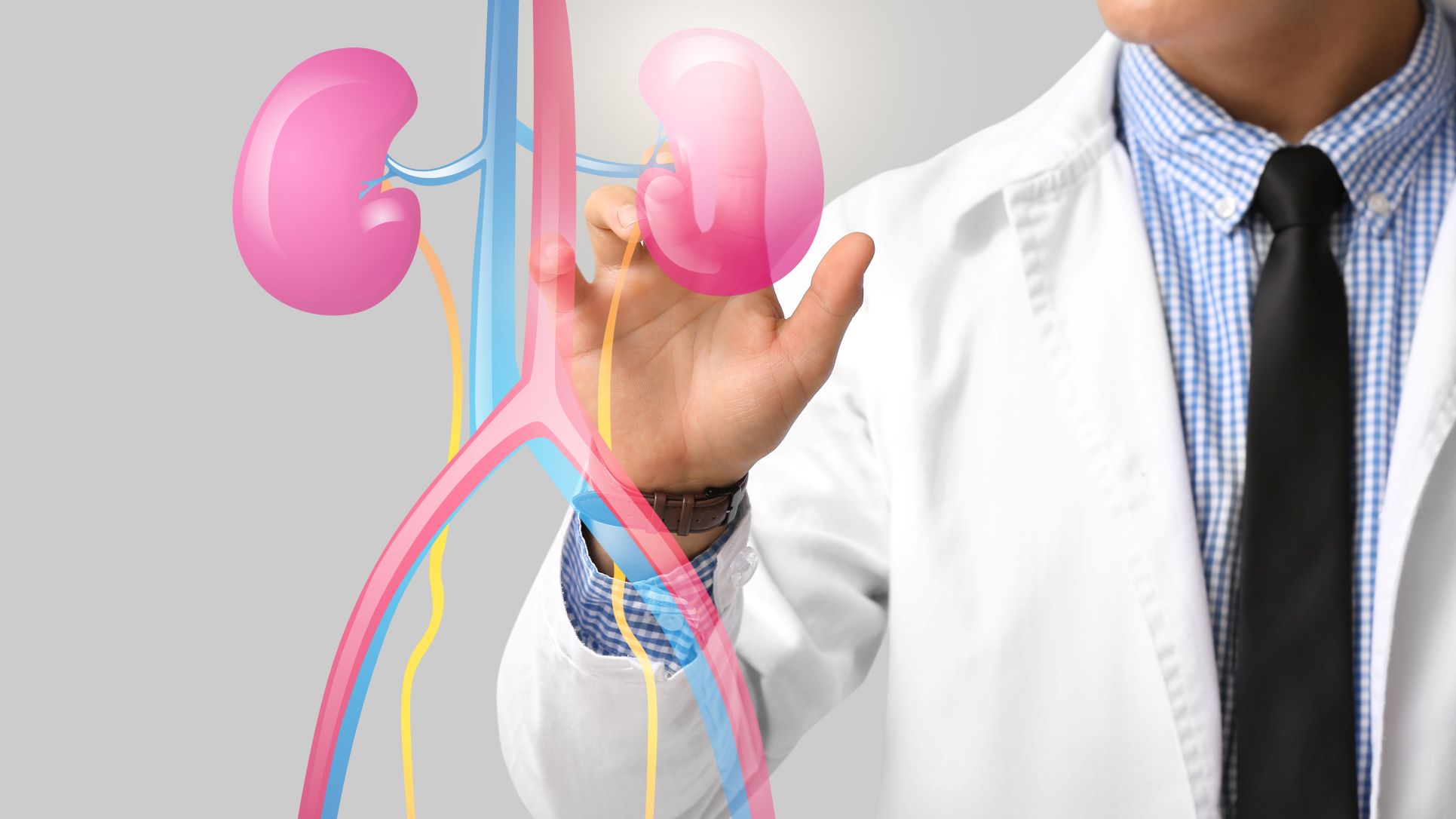
Your kidneys work continuously to maintain the body's internal balance. They remove waste products from the blood, regulate fluid and electrolyte levels, contribute to blood-pressure regulation and support the production of red blood cells.
Despite their importance, kidney disease can develop silently. A person may have reduced kidney function without noticeable symptoms, particularly during the early stages.
Good kidney care is therefore not only about drinking water or avoiding particular foods. It involves managing blood pressure and blood sugar, maintaining a healthy lifestyle, taking medicines appropriately and getting kidney function checked when risk factors are present.
At Prabhakar Bhurke Clinic, Dr. Sandip Prabhakar Bhurke, super specialist nephrologist and transplant physician, provides personalized evaluation and management for kidney health and kidney disorders.
1. Keep Blood Pressure Under Control
High blood pressure is an important risk factor for kidney damage.
The kidneys contain a large network of tiny blood vessels. Persistent hypertension can gradually damage these structures and reduce kidney function.
For better kidney care:
-
Check blood pressure regularly if you have hypertension.
-
Take prescribed medicines consistently.
-
Follow your doctor's recommended blood-pressure target.
-
Reduce excessive salt intake.
-
Maintain a healthy weight.
-
Stay physically active.
People with kidney disease may require individualized blood-pressure targets and medication choices.
2. Manage Blood Sugar
Diabetes can damage the kidney's filtering units over time.
High blood glucose can contribute to albumin leaking into the urine and may progressively reduce kidney function.
People with diabetes should discuss regular:
-
Blood-glucose monitoring
-
HbA1c testing
-
Urine albumin testing
-
Serum creatinine and eGFR testing
with their healthcare provider.
Good diabetes management is an important component of long-term kidney protection.
3. Drink Fluids According to Your Health Needs
Adequate hydration supports normal kidney function, but more water is not always better.
Fluid requirements vary depending on:
-
Climate
-
Physical activity
-
Body size
-
Medical conditions
-
Kidney function
-
Heart function
-
Dialysis status
People with advanced kidney disease or fluid retention may actually need a prescribed fluid limit.
Therefore, avoid following a fixed “drink several liters every day” rule without considering your individual health needs.
4. Be Careful With Painkillers and Other Medicines
Some medicines can affect kidney function, particularly when used frequently, at high doses or during dehydration.
Certain non-steroidal anti-inflammatory drugs (NSAIDs), for example, can increase kidney risk in susceptible individuals.
Before regularly taking over-the-counter pain medicines, supplements or herbal products, discuss them with a healthcare professional, especially if you have:
-
Chronic kidney disease
-
Diabetes
-
High blood pressure
-
Heart disease
-
Older age
-
Previous acute kidney injury
Never discontinue an essential prescribed medicine without medical advice.
5. Maintain a Kidney-Friendly Eating Pattern
There is no single kidney diet suitable for everyone.
For people without kidney disease, a balanced eating pattern can support overall health.
Helpful habits may include:
-
Eating more minimally processed foods
-
Limiting excessive salt
-
Choosing appropriate portions
-
Maintaining a healthy weight
-
Avoiding excessive processed foods
-
Eating adequate but not excessive protein
If kidney disease is already present, dietary requirements may change depending on kidney function, potassium, phosphate, sodium, protein needs and other medical factors.
A nephrologist or renal dietitian can provide individualized recommendations.
6. Stay Physically Active
Regular physical activity can support:
-
Healthy blood pressure
-
Better blood-sugar control
-
Healthy body weight
-
Cardiovascular health
These factors are closely connected with kidney health.
Choose activities appropriate for your age and medical condition, such as walking, cycling, swimming or other moderate exercise.
People with significant medical conditions should discuss an appropriate exercise plan with their healthcare professional.
7. Avoid Smoking
Smoking can damage blood vessels and increase cardiovascular risk.
Because kidney health is closely linked to vascular health, avoiding tobacco is an important part of overall kidney protection.
If you smoke, seek professional support to develop a suitable cessation plan.
8. Maintain a Healthy Weight
Obesity can increase the risk of conditions such as diabetes and hypertension, which are major contributors to kidney disease.
Maintaining a healthy weight through appropriate nutrition and physical activity can therefore support long-term kidney health.
Weight-loss plans should be individualized, particularly for people who already have CKD.
9. Don't Ignore Recurrent Urinary Problems
Urinary infections and kidney stones can sometimes affect kidney health.
Symptoms that deserve medical evaluation include:
-
Recurrent burning while urinating
-
Blood in urine
-
Frequent urinary infections
-
Persistent flank pain
-
Difficulty passing urine
-
Recurrent kidney stones
-
Fever associated with urinary symptoms
A kidney infection accompanied by fever, chills or significant flank pain can require prompt treatment.
10. Know the Warning Signs of Kidney Problems
Early kidney disease may not cause symptoms.
As kidney dysfunction progresses, possible symptoms can include:
-
Swelling of the feet or ankles
-
Puffiness around the eyes
-
Persistent fatigue
-
Foamy urine
-
Blood in urine
-
Changes in urine output
-
Frequent nighttime urination
-
Nausea
-
Loss of appetite
-
Persistent itching
-
Muscle cramps
-
Breathlessness in advanced disease
These symptoms have many possible causes, so medical testing is needed to determine whether they are kidney-related.
11. Get Kidney Tests If You Are at Risk
Routine kidney screening can be particularly important for people with risk factors.
Common kidney-health tests include:
Serum Creatinine
A blood test used to assess kidney filtration.
eGFR
An estimated measure of how well the kidneys filter blood.
Urine Albumin-to-Creatinine Ratio
This can detect albumin leakage that may indicate kidney damage.
Urine Routine Examination
It can identify blood, protein and other abnormalities.
Blood Pressure
Hypertension is both a cause and consequence of kidney disease.
Who Should Pay Special Attention to Kidney Care?
People with the following conditions may benefit from regular kidney monitoring:
-
Diabetes
-
High blood pressure
-
Cardiovascular disease
-
Family history of kidney disease
-
Previous acute kidney injury
-
Recurrent kidney stones
-
Recurrent kidney infections
-
Obesity
-
Autoimmune disorders
-
Long-term use of certain medicines
-
Known chronic kidney disease
Your doctor can determine how frequently kidney tests are appropriate.
Kidney Care for People With Diabetes
Diabetes is one of the major risk factors for chronic kidney disease.
Good kidney care in diabetes involves more than controlling blood sugar.
It may include:
-
Blood-pressure management
-
Diabetes control
-
Urine albumin screening
-
eGFR monitoring
-
Appropriate kidney-protective treatment
-
Healthy dietary habits
-
Regular medical follow-up
Detecting albumin in urine early can help identify kidney damage before major symptoms develop.
Kidney Care for Older Adults
Kidney function can change with age, and older adults may also have several conditions or medications that influence kidney health.
Important considerations include:
-
Regular review of medicines
-
Monitoring blood pressure
-
Monitoring diabetes
-
Periodic kidney-function testing when appropriate
-
Avoiding dehydration
-
Preventing unnecessary medication-related kidney injury
Medication doses may need adjustment when kidney function is reduced.
Kidney Care During Illness
Vomiting, diarrhea, fever and other illnesses can cause significant fluid loss.
People at higher risk of kidney injury should be particularly careful during acute illness.
If you have kidney disease, diabetes, heart disease or take medications that affect kidney function, contact your healthcare provider if you become significantly dehydrated or unwell.
Do not make major medication changes without medical guidance.
Does Drinking More Water Clean the Kidneys?
The kidneys naturally filter waste from the blood; they do not require commercial “detox” drinks to perform this function.
Adequate hydration is important for most people, but excessive water intake can also be harmful in certain medical conditions.
People with kidney failure, heart failure or significant fluid retention may have specific fluid restrictions.
The right amount of fluid depends on the individual.
Are Herbal Kidney Remedies Safe?
“Natural” does not automatically mean safe.
Some herbal preparations may contain substances that can interact with medicines or potentially affect kidney function.
If you have kidney disease or take regular medication, discuss herbal supplements with your doctor before using them.
Avoid replacing evidence-based kidney treatment with unproven remedies.
Can Kidney Disease Be Prevented?
Some forms of kidney disease cannot be completely prevented, particularly certain genetic and autoimmune disorders.
However, the risk of developing or worsening several common kidney conditions may be reduced through:
-
Good blood-pressure control
-
Diabetes management
-
Avoiding tobacco
-
Healthy weight management
-
Appropriate physical activity
-
Limiting excessive salt
-
Safe medication use
-
Timely treatment of infections
-
Regular kidney testing when at risk
Early detection can also allow treatment to begin before substantial kidney-function loss occurs.
When Should You Consult a Nephrologist?
Consider speaking with a nephrologist if you have:
-
Persistent protein in urine
-
Elevated creatinine
-
Reduced eGFR
-
Recurrent blood in urine
-
Difficult-to-control blood pressure
-
Recurrent kidney stones
-
Repeated kidney infections
-
Progressive chronic kidney disease
-
Unexplained swelling
-
A strong family history of kidney disease
-
Repeated episodes of acute kidney injury
A nephrologist can determine the underlying cause and develop an appropriate monitoring or treatment strategy.
Expert Kidney Care at Prabhakar Bhurke Clinic
At Prabhakar Bhurke Clinic, Dr. Sandip Prabhakar Bhurke, super specialist nephrologist and transplant physician, provides individualized evaluation and management for a wide range of kidney conditions.
Depending on the patient's needs, care may include:
-
Kidney-function assessment
-
Chronic kidney disease management
-
Diabetes-related kidney disease care
-
Hypertension-related kidney evaluation
-
Kidney stone-related medical assessment
-
Acute kidney injury management
-
Dialysis-related care
-
Kidney transplant-related medical management
-
Electrolyte and fluid management
-
Long-term kidney health monitoring
The goal is to identify kidney problems early, address their underlying causes and protect kidney function wherever possible.
Frequently Asked Questions About Kidney Care
What is the best way to take care of your kidneys?
Managing blood pressure and diabetes, avoiding tobacco, maintaining a healthy weight, using medicines responsibly, following an appropriate diet and getting kidney tests when at risk are important components of kidney care.
How often should kidney function be checked?
There is no single schedule for everyone. People with diabetes, hypertension, CKD or other risk factors may need regular testing according to their healthcare provider's recommendations.
Can healthy people develop kidney disease?
Yes. Some kidney diseases can occur even without obvious risk factors. Certain inherited, autoimmune, infectious and structural conditions can affect otherwise healthy individuals.
Is drinking plenty of water enough to keep kidneys healthy?
No. Hydration is only one aspect of kidney health. Blood-pressure control, diabetes management, healthy lifestyle habits and appropriate medical monitoring are also important.
Can kidney disease be reversed?
Some acute kidney conditions can improve significantly when treated promptly. Established chronic kidney damage may not be reversible, but appropriate treatment can often slow progression and manage complications.
Conclusion
Effective kidney care begins with understanding that kidney disease can develop silently. Healthy habits are important, but people with diabetes, high blood pressure, a family history of kidney disease, recurrent stones or other risk factors may also need regular blood and urine testing.
Protecting kidney health involves controlling blood pressure and blood sugar, maintaining a healthy lifestyle, using medicines safely, recognizing warning signs and seeking specialist care when abnormalities appear.
At Prabhakar Bhurke Clinic, Dr. Sandip Prabhakar Bhurke, super specialist nephrologist and transplant physician, offers individualized evaluation and management for patients seeking kidney care and treatment for a wide range of renal conditions.
Medical Disclaimer
This article is intended for general educational and informational purposes only and does not constitute medical advice, diagnosis or treatment. Kidney-care recommendations vary according to age, kidney function, medical conditions, medications and individual risk factors. Do not start, stop or change medicines, supplements, fluid intake or dietary restrictions based solely on this article. If you have persistent urinary changes, swelling, severe flank pain, markedly reduced urine output, breathlessness or other concerning symptoms, consult a qualified healthcare professional promptly.