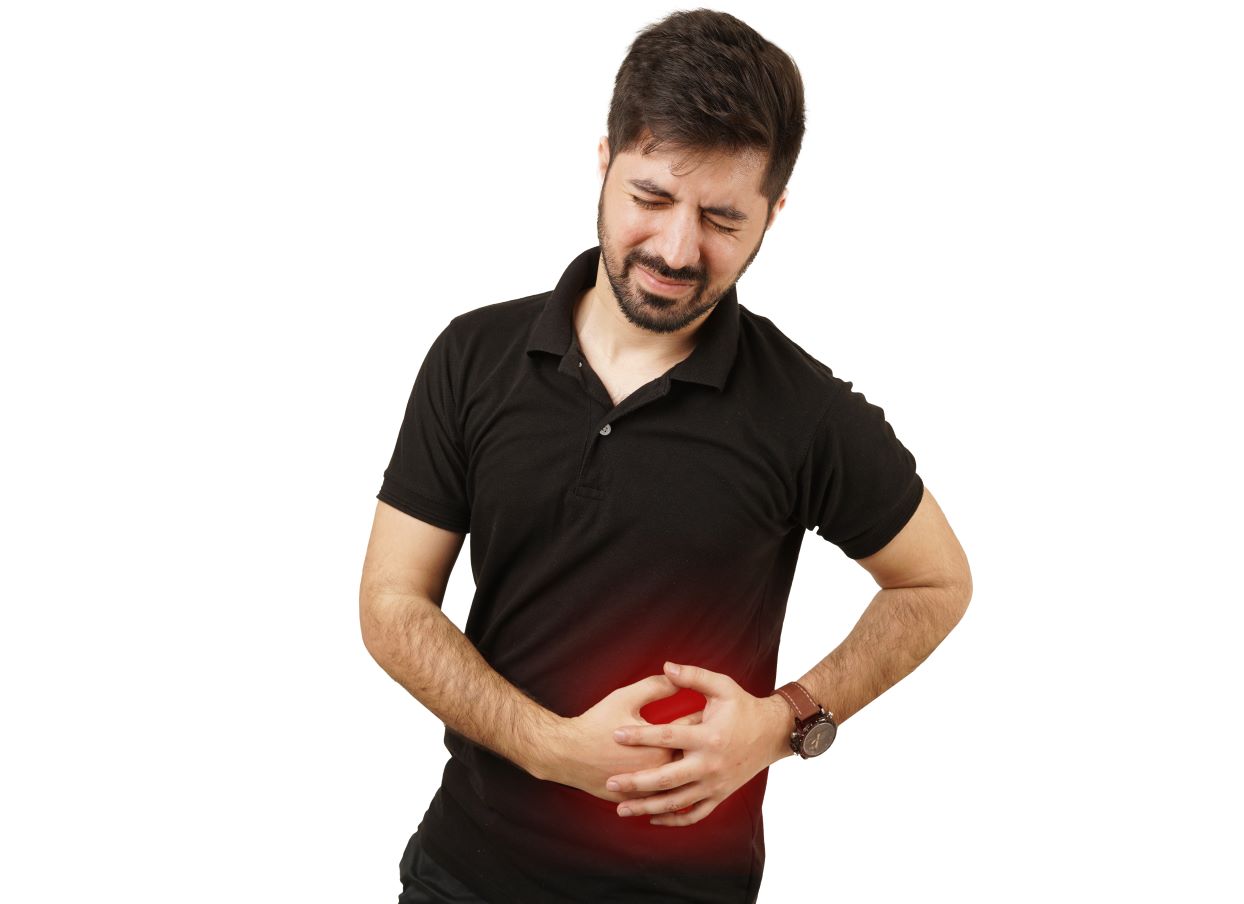
Kidney stone pain can begin suddenly and become extremely intense. A stone may cause pain when it moves from the kidney into the ureter, particularly when it interferes with the normal flow of urine.
People often search for immediate relief from kidney stone pain because the discomfort can be difficult to tolerate. The safest approach depends on the stone's size, location, whether urine flow is blocked, the presence of infection and the person's overall health.
Kidney stone pain is sometimes called renal colic. It may occur in the side or back and can travel toward the lower abdomen or groin.
At Prabhakar Bhurke Clinic, Dr. Sandip Prabhakar Bhurke, super specialist nephrologist and transplant physician, provides evaluation and kidney care for patients with kidney stones and related urinary problems.
What Does Kidney Stone Pain Feel Like?
Kidney stone pain can vary considerably between individuals.
Common characteristics include:
-
Sudden pain in the side or back
-
Severe cramping or wave-like pain
-
Pain that moves toward the lower abdomen or groin
-
Restlessness because it may be difficult to find a comfortable position
-
Nausea or vomiting
-
Burning while urinating
-
Frequent urge to urinate
-
Blood in the urine
The intensity of pain does not always indicate the size of the stone. A relatively small stone can sometimes cause severe pain if it obstructs urine flow.
What Can Provide Immediate Relief From Kidney Stone Pain?
If kidney stone pain is severe, medical assessment should not be delayed simply to try home remedies.
Depending on the individual's medical history and the cause of pain, doctors may recommend several approaches.
1. Appropriate Pain Medication
Pain relief is an important part of treating renal colic.
Doctors may recommend medicines such as certain non-steroidal anti-inflammatory drugs (NSAIDs) when appropriate. These medicines are not suitable for everyone, particularly people with certain kidney conditions, stomach problems, bleeding risks, heart conditions or other contraindications.
In some situations, another type of pain medicine may be required.
Do not repeatedly take over-the-counter painkillers without medical advice, especially if you already have kidney disease or abnormal kidney function.
2. Do Not Force Large Amounts of Water During Severe Pain
Hydration is important for general health and may play a role in preventing some kidney stones.
However, drinking excessive quantities of water rapidly does not necessarily push a blocked stone through the ureter.
If there is significant obstruction, forcing fluids may increase discomfort.
A person's appropriate fluid intake depends on their medical condition, kidney function and whether urinary obstruction is present.
3. Use Gentle Heat for Comfort
For some people, a warm compress or heating pad placed over the painful area may provide temporary comfort.
Heat does not remove the stone or treat an infection, but it may help relax muscles and make the pain more manageable.
Avoid excessively hot temperatures that could burn the skin.
4. Medical Evaluation Can Provide Faster and Safer Relief
When pain is severe, the priority is determining what is causing it.
A healthcare professional may assess:
-
Location and severity of pain
-
Urine output
-
Fever or chills
-
Blood in urine
-
Kidney function
-
Previous history of stones
-
Medication history
Depending on the situation, urine tests, blood tests and imaging may be required.
Identifying the stone's location and whether it is causing obstruction helps determine the appropriate treatment.
Why Kidney Stone Pain Can Become an Emergency
A kidney stone becomes particularly concerning when it causes significant urinary obstruction together with infection.
An obstructed infected urinary system can become a medical emergency.
Seek urgent medical care if kidney stone pain occurs with:
-
Fever or chills
-
Very little or no urine
-
Persistent vomiting
-
Severe weakness
-
Confusion
-
Fainting
-
Severe or rapidly worsening pain
-
Known kidney disease
-
A single functioning kidney
-
Pregnancy with significant urinary symptoms
Do not rely on home pain relief alone when these warning signs are present.
Can Kidney Stone Pain Go Away on Its Own?
Yes, some stones pass naturally.
The likelihood depends on factors such as:
-
Stone size
-
Stone location
-
Shape of the urinary tract
-
Degree of obstruction
-
Individual anatomy
Smaller stones are generally more likely to pass without a procedure than larger stones.
Even if the pain disappears, it does not always mean that the stone has passed.
Follow-up may be necessary to confirm stone passage and ensure that there is no persistent obstruction.
What Medicines May Help a Stone Pass?
In selected patients, doctors may prescribe medicines that relax the ureter and potentially improve the likelihood or speed of stone passage.
This approach is sometimes referred to as medical expulsive therapy.
It is not appropriate for every stone or every patient.
The decision depends on the stone's size, location, symptoms, kidney function and other clinical factors.
Patients should not self-prescribe prescription medicines for stone passage.
When Is Kidney Stone Removal Necessary?
A stone may require a procedure when:
-
It is unlikely to pass naturally
-
Pain remains uncontrolled
-
There is persistent obstruction
-
Kidney function is affected
-
The stone causes repeated problems
-
There is an associated infection
-
The stone is large
-
There is ongoing urinary blockage
Depending on the stone, treatment options may include:
Ureteroscopy
A small instrument is passed through the urinary tract to reach the stone. The stone may be removed or broken into smaller fragments using suitable technology.
Shock Wave Lithotripsy
Shock waves can be used to break selected stones into smaller pieces so they can pass through the urinary tract.
Percutaneous Nephrolithotomy
PCNL may be considered for larger or complex kidney stones. The stone is removed through a small access tract into the kidney.
The most appropriate procedure depends on stone characteristics and the patient's clinical condition.
Can You Get Immediate Relief Without Removing the Stone?
Pain may improve before the stone is completely removed.
This can happen if:
-
The stone changes position
-
Temporary obstruction decreases
-
The stone enters the bladder
-
Medication controls the pain
-
The stone passes naturally
However, pain relief alone does not confirm that the urinary tract is clear.
If symptoms recur or imaging shows persistent obstruction, further treatment may be necessary.
What Tests Are Used for Kidney Stone Pain?
Urine Examination
Urine testing can help identify:
-
Blood
-
White blood cells
-
Signs of infection
-
Other abnormalities
A urine culture may be performed when infection is suspected.
Blood Tests
Blood tests may include:
-
Creatinine
-
eGFR
-
Blood urea
-
Electrolytes
-
Blood count
These tests help determine whether kidney function is affected and whether complications are present.
Ultrasound
Ultrasound can detect some stones and may show swelling caused by urinary obstruction.
CT Scan
A non-contrast CT scan may be recommended in selected patients when a precise diagnosis is needed, particularly when the diagnosis is uncertain or complications are suspected.
What Should You Avoid During a Kidney Stone Attack?
Avoid relying on unproven methods such as:
-
Extreme water intake
-
Unverified herbal stone-dissolving products
-
Kidney detox drinks
-
High-dose supplements
-
Repeated painkiller use without medical guidance
-
Delaying treatment despite fever or reduced urine
Some remedies marketed online may interact with medicines or be unsuitable for people with reduced kidney function.
Does Drinking Lemon Water Give Immediate Relief?
Lemon water is sometimes discussed for kidney stone prevention because citrus fruits contain citrate.
However, lemon water should not be considered an immediate treatment for severe renal colic.
If you are experiencing intense pain, especially with vomiting, fever or urinary obstruction, proper medical assessment is more important than relying on a home beverage.
How Can You Prevent Future Kidney Stones?
After the acute episode is addressed, prevention becomes important.
Depending on the type of stone and your medical history, your doctor may recommend:
-
Appropriate fluid intake
-
Reducing excessive dietary sodium
-
Maintaining a balanced diet
-
Avoiding unnecessary supplements
-
Maintaining appropriate dietary calcium
-
Managing body weight
-
Treating underlying metabolic conditions
-
Stone analysis when available
-
Urine testing for recurrent stone formers
People who repeatedly develop stones may benefit from a more detailed metabolic evaluation.
Why Stone Analysis Matters
Not all kidney stones have the same composition.
Common stone types include calcium-based stones, uric acid stones and other less common varieties.
Knowing the stone composition can help guide preventive measures.
For people with recurrent stones, doctors may recommend additional urine and blood testing to identify factors contributing to stone formation.
When Should You See a Kidney Specialist?
Consider specialist evaluation if you have:
-
Recurrent kidney stones
-
Persistent flank pain
-
Abnormal kidney-function tests
-
Urinary obstruction
-
Repeated urinary infections
-
Blood in urine
-
A large or complicated kidney stone
-
A single functioning kidney
-
Previous stone procedures
A nephrologist can evaluate kidney function and associated medical conditions, while urologic intervention may be required when a stone needs procedural removal.
Kidney Stone Care at Prabhakar Bhurke Clinic
At Prabhakar Bhurke Clinic, Dr. Sandip Prabhakar Bhurke, super specialist nephrologist and transplant physician, provides specialized kidney evaluation and management.
Depending on the patient's condition, assessment may include:
-
Evaluation of kidney stone-related symptoms
-
Kidney-function testing
-
Urine examination
-
Assessment of urinary obstruction
-
Recurrent stone evaluation
-
Kidney disease management
-
Coordination of stone-related procedures when required
-
Prevention planning for recurrent stones
Treatment is individualized according to stone characteristics, kidney function, symptoms and associated medical conditions.
Frequently Asked Questions
What gives immediate relief from kidney stone pain?
Appropriate medical pain management can provide relief. Some patients may benefit from prescribed anti-inflammatory or other pain medicines, depending on their health status. Severe pain should be medically assessed rather than treated repeatedly at home.
Does drinking lots of water flush out a kidney stone immediately?
No. Drinking excessive water does not guarantee immediate stone passage and may be inappropriate when significant obstruction is present.
Can heat reduce kidney stone pain?
A warm compress may provide temporary comfort for some people, but it does not remove the stone or treat an infection.
How long does kidney stone pain last?
Pain can vary depending on the stone's movement and degree of obstruction. It may come in waves and can improve when the stone moves or passes.
Can a kidney stone pass without surgery?
Yes. Some smaller stones pass naturally. Larger stones, persistent obstruction, uncontrolled pain or complications may require a procedure.
Is kidney stone pain with fever dangerous?
Yes. Fever or chills together with suspected urinary obstruction can indicate an infected obstructed system and requires urgent medical evaluation.
Conclusion
Searching for immediate relief from kidney stone pain is understandable because renal colic can be extremely painful. However, the safest treatment depends on the stone's size and location, whether urine flow is blocked, kidney function and whether infection is present.
Appropriate pain management may provide short-term relief, but persistent or severe symptoms require medical assessment. Some stones pass naturally, while others require treatments such as ureteroscopy, shock wave lithotripsy or PCNL.
If kidney stone pain is accompanied by fever, chills, persistent vomiting, very little urine, severe weakness or rapidly worsening symptoms, seek urgent medical care.
For specialized kidney evaluation and individualized treatment, consult Dr. Sandip Prabhakar Bhurke at Prabhakar Bhurke Clinic.
Medical Disclaimer
This article is intended for general educational and informational purposes only and does not constitute medical advice, diagnosis or treatment. Kidney stone pain can have different causes and may sometimes indicate urinary obstruction or infection requiring urgent care. Do not self-prescribe antibiotics, prescription medicines or repeated doses of painkillers. Certain pain medicines may be unsuitable for people with kidney disease, stomach ulcers, bleeding risks, heart conditions, pregnancy or other medical problems. Do not force excessive amounts of fluid during severe pain without medical advice. Seek urgent medical attention for severe pain with fever or chills, very little or no urine, persistent vomiting, confusion, fainting or sudden worsening of health. Consult a qualified healthcare professional for individualized assessment and treatment.