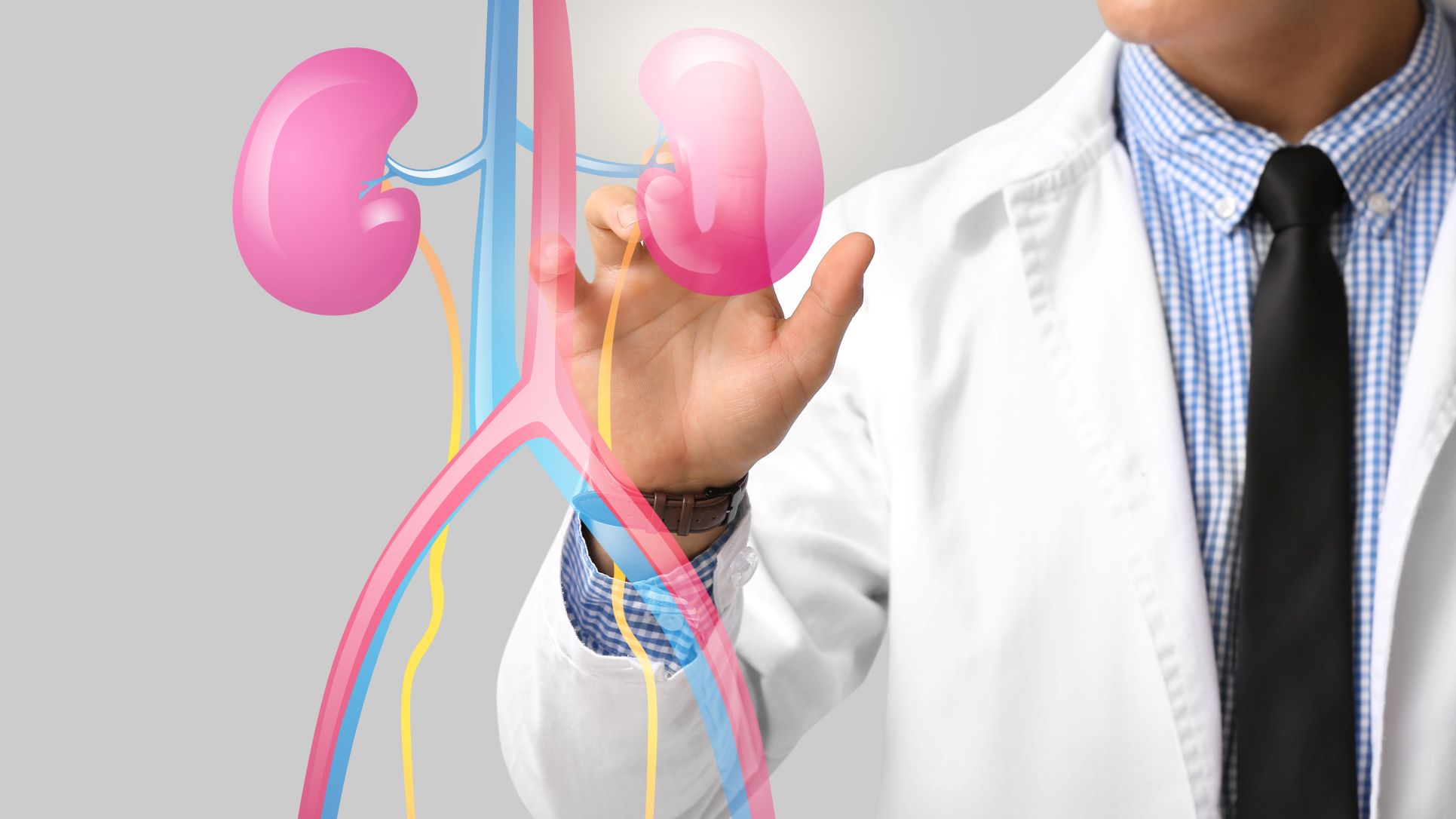
Kidney damage from alcohol can occur through several direct and indirect mechanisms.
The kidneys continuously filter the blood, regulate fluid and electrolytes, and help maintain the body's chemical balance. Alcohol can interfere with these processes, particularly when consumed heavily or repeatedly.
Alcohol may contribute to kidney problems by:
-
Causing dehydration
-
Affecting blood pressure
-
Altering fluid and electrolyte balance
-
Increasing the risk of acute kidney injury in certain situations
-
Worsening existing medical conditions
-
Contributing to liver disease, which can subsequently affect kidney function
-
Increasing the risk of behaviors or illnesses that place additional stress on the kidneys
A single episode of drinking does not necessarily mean that permanent kidney damage has occurred. The risk depends on the amount and pattern of alcohol consumption, overall health, medications, hydration status and the presence of other diseases.
At Prabhakar Bhurke Clinic, Dr. Sandip Prabhakar Bhurke, super specialist nephrologist and transplant physician, provides individualized evaluation for patients with abnormal kidney function and kidney-related complications.
How Does Alcohol Affect the Kidneys?
Alcohol can affect kidney function in multiple ways rather than through one single mechanism.
Alcohol Can Cause Dehydration
Alcohol can increase urine production and contribute to fluid loss.
If fluid intake is inadequate, dehydration can develop. Significant dehydration can reduce blood flow to the kidneys and contribute to acute kidney injury.
The risk may be higher when alcohol consumption occurs along with:
-
Vomiting
-
Diarrhea
-
Fever
-
Excessive sweating
-
Poor food intake
-
Prolonged drinking
Alcohol and Blood Pressure
Heavy alcohol consumption can contribute to elevated blood pressure.
High blood pressure is an important risk factor for chronic kidney disease.
Over time, uncontrolled hypertension can damage the small blood vessels within the kidneys and reduce their ability to filter blood effectively.
Reducing excessive alcohol consumption can therefore be part of a broader strategy for managing blood pressure and protecting kidney health.
Can Alcohol Cause Acute Kidney Injury?
Heavy alcohol consumption can contribute to circumstances that increase the risk of acute kidney injury (AKI).
Potential contributors include:
-
Severe dehydration
-
Vomiting
-
Low blood pressure
-
Severe infection
-
Muscle injury
-
Certain medication combinations
-
Other complications associated with heavy drinking
AKI can cause a sudden rise in creatinine and a reduction in kidney function.
Prompt medical evaluation is important because some forms of AKI can improve significantly when the underlying cause is treated.
Can Alcohol Cause Kidney Failure?
Alcohol is not the only cause of kidney failure, and drinking alcohol does not automatically result in kidney failure.
However, long-term heavy alcohol use can contribute indirectly to conditions that place stress on the kidneys.
For example, heavy alcohol consumption may contribute to:
-
High blood pressure
-
Liver disease
-
Poor nutrition
-
Dehydration
-
Cardiovascular problems
-
Recurrent acute illnesses
Advanced liver disease can also cause serious kidney complications, including hepatorenal syndrome in appropriate clinical settings.
Therefore, the relationship between alcohol and kidney failure is often complex.
Symptoms of Kidney Damage from Alcohol
Kidney problems may not cause noticeable symptoms in the early stages.
When kidney function becomes impaired, possible symptoms include:
-
Reduced urine output
-
Swelling of the feet or ankles
-
Puffiness around the eyes
-
Fatigue
-
Nausea
-
Loss of appetite
-
Changes in urination
-
Foamy urine
-
Blood in urine
-
Breathlessness from fluid accumulation
-
High blood pressure
-
Confusion in severe kidney failure
These symptoms are not specific to alcohol-related kidney problems and require medical assessment.
Is Back or Side Pain a Sign of Alcohol-Related Kidney Damage?
Back or flank pain is not a typical direct symptom of chronic kidney damage caused by alcohol.
Pain may instead be related to conditions such as:
-
Kidney stones
-
Urinary infection
-
Muscle problems
-
Liver or gallbladder disease
-
Other abdominal or back conditions
If severe flank pain occurs with fever, vomiting or changes in urine, medical evaluation should not be delayed.
Can Alcohol Cause Protein in Urine?
Protein or albumin in the urine can be a sign of kidney damage.
Alcohol itself is not the only possible explanation for proteinuria. High blood pressure, diabetes, glomerular diseases and other conditions can cause protein leakage.
If protein is repeatedly detected in urine, the underlying cause should be investigated rather than assuming that alcohol is responsible.
Alcohol, Liver Disease and the Kidneys
The liver and kidneys are closely connected in maintaining the body's internal balance.
Long-term heavy alcohol consumption can cause serious liver disease.
Advanced liver disease may produce changes in:
-
Blood circulation
-
Fluid balance
-
Hormonal regulation
-
Kidney blood flow
These changes can contribute to severe kidney dysfunction.
In advanced cases, a condition such as hepatorenal syndrome may develop.
Patients with both liver and kidney abnormalities may require coordinated specialist care.
Can Alcohol Affect Creatinine Levels?
Alcohol consumption can be associated with changes in kidney function and creatinine, particularly when heavy drinking is accompanied by dehydration, muscle injury, low blood pressure or other acute problems.
However, creatinine cannot be interpreted simply as an alcohol-use marker.
A high creatinine result may have many causes, including:
-
Acute kidney injury
-
Chronic kidney disease
-
Dehydration
-
Urinary obstruction
-
Certain medicines
-
High muscle mass
-
Other medical conditions
A doctor may compare current creatinine with previous results and assess eGFR and urine findings to understand kidney function.
Can Kidney Damage from Alcohol Be Reversed?
The possibility of recovery depends on the type of kidney problem.
Acute Kidney Injury
If kidney dysfunction is caused by a reversible problem such as dehydration or low blood pressure, kidney function may improve after appropriate treatment.
Chronic Kidney Damage
Permanent kidney scarring generally cannot simply be reversed.
However, stopping or reducing harmful exposures and controlling conditions such as hypertension and diabetes may help prevent further damage.
Alcohol-Related Liver and Kidney Complications
If kidney dysfunction is associated with advanced liver disease, treatment of the underlying liver condition and careful management of kidney function may improve outcomes in selected patients.
Early medical assessment is important.
What Happens to the Kidneys After Stopping Alcohol?
Reducing or stopping alcohol can remove an important source of dehydration and other health risks associated with heavy drinking.
The potential benefit depends on the individual's existing health.
If kidney dysfunction is primarily related to a reversible problem, kidney function may improve after the underlying cause is treated.
If permanent chronic kidney disease is already present, stopping alcohol may not restore lost kidney tissue but can be an important part of protecting overall health and reducing additional risk.
People who drink heavily every day should seek medical advice before abruptly stopping alcohol because withdrawal can sometimes be dangerous and may require supervised treatment.
How Is Alcohol-Related Kidney Damage Diagnosed?
There is no single test that proves alcohol caused kidney damage.
A nephrologist may assess:
Blood Tests
Testing may include:
-
Serum creatinine
-
eGFR
-
Urea
-
Sodium
-
Potassium
-
Bicarbonate
-
Blood glucose
-
Other relevant tests
Urine Tests
Urinalysis may check for:
-
Protein
-
Albumin
-
Blood
-
Infection
-
Other abnormalities
Blood Pressure
Blood pressure measurement is important because hypertension can both contribute to and result from kidney disease.
Imaging
Ultrasound or other imaging may be recommended when kidney stones, obstruction or structural abnormalities are suspected.
Medical History
The doctor may ask about:
-
Amount and frequency of alcohol consumption
-
Other medicines
-
Supplements
-
Diabetes
-
Blood pressure
-
Liver disease
-
Previous kidney problems
-
Recent vomiting or diarrhea
-
Urine output
This helps identify the most likely cause of kidney dysfunction.
Treatment for Kidney Damage from Alcohol
There is no single medicine specifically designed to reverse alcohol-related kidney damage.
Treatment focuses on the underlying problem.
Correct Dehydration When Appropriate
If dehydration is contributing to kidney dysfunction, appropriate fluid replacement may help.
However, patients with advanced kidney disease or heart failure may require fluid restrictions rather than increased fluid intake.
Manage Blood Pressure
Blood-pressure control can reduce the risk of further kidney damage.
The appropriate medication depends on kidney function, potassium levels, urine protein and other factors.
Treat Acute Kidney Injury
When AKI occurs, doctors identify and treat the underlying cause while monitoring:
-
Kidney function
-
Electrolytes
-
Fluid balance
-
Urine output
-
Blood pressure
Treat Liver Disease
If significant liver disease is present, appropriate liver-focused treatment is essential because advanced liver dysfunction can worsen kidney problems.
Avoid Kidney-Harming Medicines
Some medicines can increase kidney risk, especially during dehydration or acute illness.
Patients should discuss painkillers, supplements and other non-prescription products with a healthcare professional.
Should You Drink More Water After Alcohol?
Not necessarily in large quantities.
Replacing fluid losses can be helpful when dehydration is present, but excessive water consumption is not a treatment for kidney damage.
People with advanced kidney disease, heart failure or fluid restrictions may be harmed by drinking too much water.
Fluid intake should be appropriate for the individual's medical condition.
Does Alcohol Cause Kidney Stones?
Alcohol is not considered a simple direct cause of every kidney stone.
However, drinking patterns that contribute to dehydration can influence urinary concentration and may affect stone risk in susceptible individuals.
People with recurrent kidney stones should discuss fluid intake and dietary factors with their doctor.
Alcohol and Kidney Disease: Who Is at Higher Risk?
Extra caution is appropriate for people who already have:
-
Chronic kidney disease
-
High blood pressure
-
Diabetes
-
Heart disease
-
Liver disease
-
Recurrent kidney stones
-
Previous acute kidney injury
-
Significant dehydration
-
Multiple medical conditions
People taking several medicines should also discuss alcohol use with their healthcare professional because alcohol can interact with certain medications.
Ways to Protect Your Kidneys
If you are concerned about kidney damage from alcohol, practical kidney-protection measures include:
-
Avoid excessive alcohol consumption.
-
Discuss alcohol use with your doctor if you have kidney or liver disease.
-
Maintain appropriate hydration.
-
Keep blood pressure under control.
-
Manage diabetes.
-
Avoid unnecessary painkillers.
-
Do not use unverified kidney detox products.
-
Maintain a healthy body weight.
-
Follow prescribed kidney treatment.
-
Check kidney function when recommended.
If you drink heavily on a regular basis, seek professional medical support for a safe reduction or cessation plan.
When Should You See a Nephrologist?
A kidney specialist may be appropriate when you have:
-
Persistent elevated creatinine
-
Reduced eGFR
-
Protein or albumin in urine
-
Recurrent acute kidney injury
-
Reduced urine output
-
Unexplained swelling
-
Difficult-to-control blood pressure
-
Kidney dysfunction associated with liver disease
-
Progressive kidney-function decline
Early assessment can help distinguish temporary kidney dysfunction from chronic kidney disease.
When Is Alcohol-Related Kidney Dysfunction an Emergency?
Seek urgent medical attention for:
-
Very little or no urine
-
Severe dehydration
-
Persistent vomiting
-
Severe breathlessness
-
Chest pain
-
Confusion
-
Fainting
-
Severe swelling
-
Blood in urine with severe symptoms
-
Severe weakness or rapidly worsening health
These symptoms may indicate acute kidney injury or another serious medical problem.
Kidney Care at Prabhakar Bhurke Clinic
At Prabhakar Bhurke Clinic, Dr. Sandip Prabhakar Bhurke, super specialist nephrologist and transplant physician, provides individualized evaluation for patients with abnormal kidney function and complex kidney-related conditions.
Depending on the clinical situation, evaluation may include:
-
Creatinine and eGFR assessment
-
Urine protein and albumin testing
-
Blood-pressure evaluation
-
Acute kidney injury assessment
-
Medication review
-
Fluid-status assessment
-
Evaluation of kidney complications associated with liver disease
-
Chronic kidney disease management
-
Dialysis assessment when medically indicated
-
Long-term kidney-function monitoring
Treatment is planned according to the patient's kidney function, underlying disease, medications and overall health.
Frequently Asked Questions
Can alcohol permanently damage the kidneys?
Heavy or repeated alcohol consumption can contribute to circumstances that damage kidney function, particularly through dehydration, high blood pressure, acute illness and associated liver disease. Permanent damage depends on the underlying kidney injury and other risk factors.
How do you know if alcohol is affecting your kidneys?
Kidney problems may initially have no symptoms. Blood tests such as creatinine and eGFR, urine testing and blood-pressure measurement can help assess kidney health.
Can kidney damage from alcohol be reversed?
Some acute kidney problems may improve after the underlying cause is treated. Established chronic kidney damage or scarring may not be reversible, but further injury may be reduced by addressing risk factors.
Can quitting alcohol improve kidney function?
It may help reduce ongoing risks associated with heavy alcohol use. Whether kidney function improves depends on the underlying cause and whether permanent kidney damage has already occurred.
Does alcohol increase creatinine?
Alcohol consumption may be associated with elevated creatinine in certain circumstances, particularly when dehydration, muscle injury or acute kidney dysfunction occurs. A high creatinine level should be evaluated rather than attributed automatically to alcohol.
Should people with kidney disease drink alcohol?
Alcohol may not be appropriate for everyone with kidney disease. The decision depends on kidney function, medications, blood pressure, liver health and other medical factors. Discuss alcohol use with your healthcare professional.
Conclusion
Kidney damage from alcohol is not caused by one single mechanism. Heavy alcohol consumption can contribute to dehydration, blood-pressure problems, acute kidney injury and liver disease, all of which can place additional stress on the kidneys.
Some acute kidney problems may improve when the underlying cause is treated promptly. Established chronic kidney damage may not be reversible, but reducing harmful exposures and managing blood pressure, diabetes and other risk factors can help protect remaining kidney function.
If you have concerns about alcohol use and kidney health, do not rely on symptoms alone. Kidney function can decline silently, making appropriate blood and urine testing important for people at increased risk.
For specialist kidney evaluation and individualized treatment, consult Dr. Sandip Prabhakar Bhurke at Prabhakar Bhurke Clinic.
Medical Disclaimer
This article is intended for general educational and informational purposes only and does not constitute medical advice, diagnosis or treatment. Alcohol-related kidney problems can have multiple causes, and an abnormal creatinine result does not by itself prove alcohol-related kidney damage. Treatment depends on kidney function, liver health, alcohol-use pattern, medications and other medical conditions. Do not use excessive water, supplements or herbal products to attempt to reverse kidney damage. People who consume alcohol heavily or regularly should seek professional medical advice before abruptly stopping because alcohol withdrawal can be medically serious. Seek urgent medical attention for very little or no urine, severe dehydration, persistent vomiting, severe breathlessness, chest pain, confusion, fainting, severe swelling or rapidly worsening symptoms. Consult Dr. Sandip Prabhakar Bhurke or another qualified nephrologist for individualized evaluation and treatment.