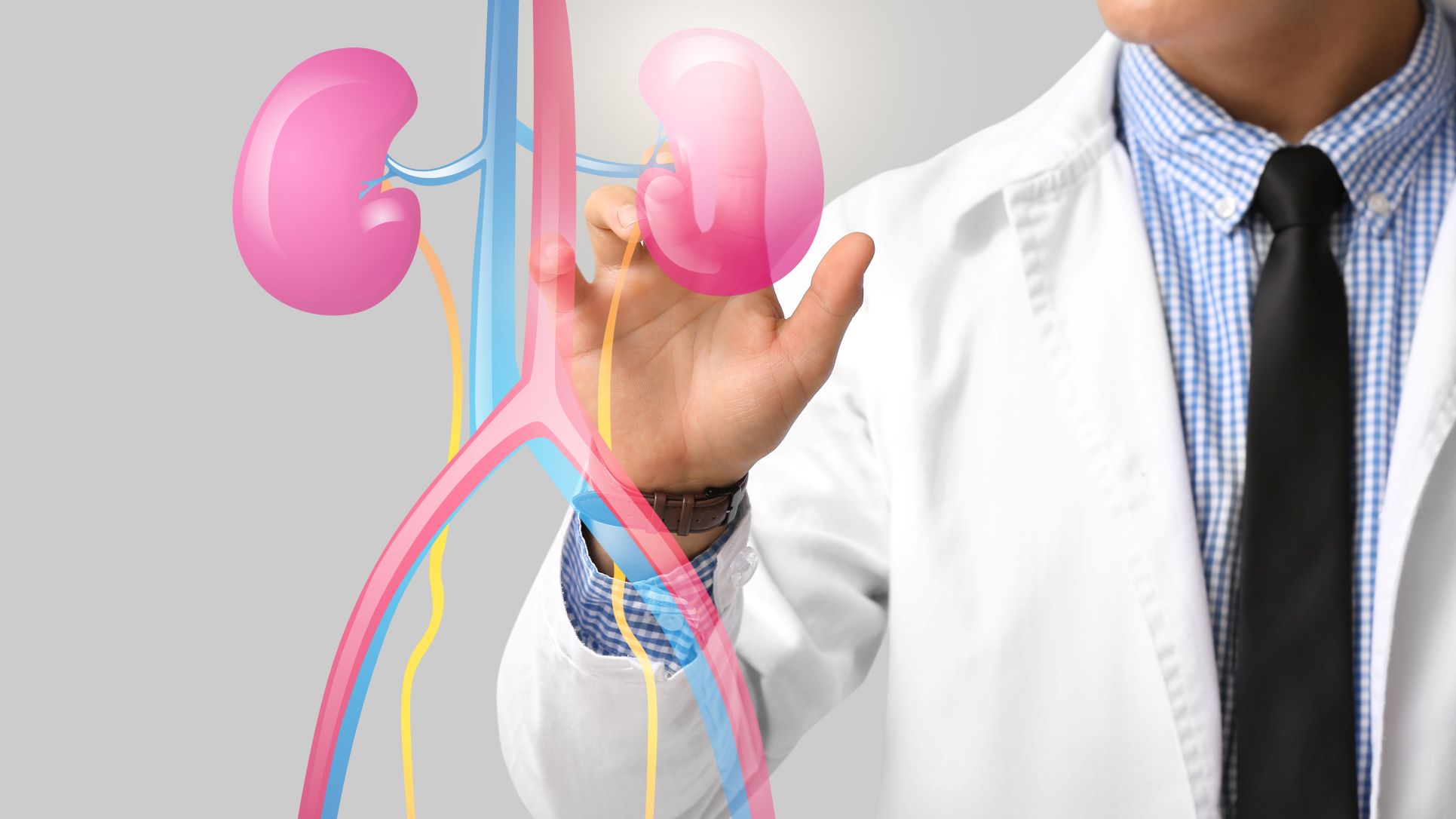
A ureteric calculus is a stone located in the ureter—the narrow tube that carries urine from the kidney to the bladder.
Ureteric stones can cause sudden, severe pain when they obstruct urine flow. Some smaller stones may pass naturally, while larger or persistently obstructing stones may require a procedure.
The need for ureteric calculus surgery depends on factors such as:
-
Stone size
-
Stone location
-
Degree of obstruction
-
Severity of pain
-
Infection
-
Kidney function
-
Duration of symptoms
-
Whether the stone is likely to pass naturally
At Prabhakar Bhurke Clinic, Dr. Sandip Prabhakar Bhurke, super specialist nephrologist and transplant physician, provides kidney-focused evaluation for patients with stone disease and kidney-function concerns, with coordination with an appropriately qualified urologist when a surgical procedure is required.
When Does a Ureteric Stone Need Surgery?
Not every ureteric stone requires immediate surgery.
A doctor may initially recommend observation for a small stone when:
-
Pain is manageable
-
There is no infection
-
Kidney function is stable
-
Urine drainage is adequate
-
The stone has a reasonable chance of passing naturally
Active removal may be considered when the stone:
-
Is unlikely to pass
-
Causes persistent or severe pain
-
Produces significant obstruction
-
Remains in the ureter
-
Causes deterioration in kidney function
-
Is associated with recurrent urinary problems
-
Is accompanied by infection
-
Has failed to pass despite appropriate observation
The treatment decision should be based on imaging and clinical assessment rather than stone size alone.
Symptoms of a Ureteric Calculus
A ureteric stone can cause characteristic symptoms, although some stones may produce few or no symptoms.
Common symptoms include:
-
Sudden flank pain
-
Pain radiating toward the lower abdomen or groin
-
Pain that comes in waves
-
Burning while urinating
-
Frequent urination
-
Blood in the urine
-
Nausea
-
Vomiting
A fever or chills in a patient with suspected urinary obstruction is particularly concerning because it may indicate an infection.
Why Does a Ureteric Stone Cause Severe Pain?
The ureter contains smooth muscle that contracts to move urine toward the bladder.
When a stone obstructs the ureter, increased pressure and ureteric muscle contractions can produce intense, wave-like pain known as renal colic.
The location of the pain may change as the stone moves down the ureter.
How Is a Ureteric Stone Diagnosed?
Doctors use a combination of symptoms, examination, laboratory tests and imaging.
Ultrasound
Ultrasound can help identify:
-
Kidney stones
-
Hydronephrosis
-
Urinary tract dilation
-
Some ureteric stones
CT Scan
A non-contrast CT scan can provide detailed information about:
-
Stone size
-
Exact location
-
Number of stones
-
Stone density
-
Degree of obstruction
This information can be useful when planning stone removal.
Urine Testing
Urine testing may identify:
-
Blood
-
White blood cells
-
Bacteria
-
Other abnormalities
A urine culture may be required when infection is suspected.
Blood Tests
Depending on the situation, doctors may check:
-
Serum creatinine
-
eGFR
-
Urea
-
Electrolytes
-
Complete blood count
Kidney-function testing is particularly important when there is significant obstruction or pre-existing kidney disease.
Main Ureteric Calculus Surgery Options
Several procedures can be used to remove ureteric stones. The appropriate method depends on the individual stone and patient.
1. Ureteroscopy With Laser Lithotripsy
Ureteroscopy (URS) is one of the commonly used minimally invasive approaches for ureteric stone removal.
A thin ureteroscope is passed through the urinary tract to reach the stone.
Once the stone is visualized, laser energy can be used to fragment it.
The fragments may then be removed using a small retrieval basket or reduced to small pieces that can pass naturally.
Advantages of URS
Depending on the case, URS can:
-
Provide direct visualization of the stone
-
Treat stones in different portions of the ureter
-
Use laser fragmentation
-
Allow removal during the same procedure
-
Avoid a large external incision
A temporary ureteral stent may be placed in selected patients.
2. Shock-Wave Lithotripsy
Extracorporeal shock-wave lithotripsy (ESWL) uses externally generated shock waves to break a stone into smaller fragments.
The fragments can then pass through the urinary tract.
ESWL may be considered for selected ureteric stones depending on:
-
Stone size
-
Stone location
-
Stone density
-
Body habitus
-
Urinary anatomy
Some stones may require repeat treatment.
3. Percutaneous Procedures
Percutaneous stone removal is more commonly associated with larger kidney stones rather than straightforward ureteric stones.
However, specialized approaches may be considered in selected complex cases when other treatment options are unsuitable.
4. Temporary Urinary Drainage
When a ureteric stone causes severe obstruction together with infection, the immediate priority may not be definitive stone removal.
The urinary system may first need to be drained using:
-
A ureteral stent
-
A nephrostomy tube
Antibiotic treatment is also required when infection is present.
Definitive stone removal can then be planned after the acute infection is controlled.
What Is Laser Lithotripsy?
Laser lithotripsy uses a thin laser fiber passed through the ureteroscope to fragment the stone.
The surgeon can adjust the technique depending on the stone's:
-
Size
-
Location
-
Hardness
-
Shape
Laser treatment can be used to break stones into removable fragments or very small particles.
Is Ureteric Calculus Surgery Painful?
The procedure is performed under anesthesia, so significant pain should not be experienced during the operation.
Afterward, temporary symptoms can occur, including:
-
Mild burning during urination
-
Blood in urine
-
Urinary urgency
-
Increased frequency
-
Flank discomfort
-
Bladder discomfort
The presence of a ureteral stent can cause additional urinary symptoms.
Severe or worsening pain after the procedure should be reported to the treating team.
What Is a Ureteral Stent?
A ureteral stent is a thin flexible tube placed inside the ureter to help maintain urine flow.
It may be used after stone removal when the ureter is swollen or when continued drainage is desirable.
A stent may also be placed before definitive treatment in selected cases of obstruction.
Not every patient requires one.
What Symptoms Can a Stent Cause?
Some patients experience:
-
Frequent urination
-
Urgency
-
Bladder discomfort
-
Flank discomfort
-
Mild blood in urine
These symptoms generally improve after the stent is removed.
Patients should follow the instructions provided by their doctor regarding the timing of stent removal.
How Long Does Ureteric Calculus Surgery Take?
Procedure time varies according to:
-
Stone size
-
Stone location
-
Number of stones
-
Stone hardness
-
Ureteral anatomy
-
Previous procedures
-
Whether a stent is required
A straightforward ureteroscopy may be relatively short, while complicated stone disease can require longer or staged treatment.
Recovery After Ureteric Stone Surgery
Recovery depends on the procedure performed and the patient's overall health.
After uncomplicated ureteroscopy, many patients can return to routine activities relatively quickly.
Temporary symptoms may include:
-
Urinary discomfort
-
Mild blood in urine
-
Frequent urination
-
Pelvic discomfort
-
Fatigue
Patients should follow their treating doctor's instructions regarding exercise, heavy lifting, driving, work and other activities.
What Are the Risks of Ureteric Calculus Surgery?
Like any medical procedure, ureteric stone treatment has potential risks.
These may include:
-
Urinary tract infection
-
Bleeding
-
Ureteral injury
-
Temporary swelling
-
Residual stone fragments
-
Need for repeat treatment
-
Stent-related discomfort
-
Rare ureteral narrowing
The risk depends on the patient's anatomy, stone characteristics and procedure complexity.
Can a Ureteric Stone Damage the Kidney?
An obstructing ureteric stone can interfere with urine drainage from the kidney.
If obstruction persists for a prolonged period, kidney function can be affected.
The risk may be particularly important when:
-
Both ureters are obstructed
-
The patient has only one functioning kidney
-
Infection is present
-
Pre-existing chronic kidney disease exists
-
Urine flow is severely reduced
Timely assessment can help prevent avoidable complications.
Ureteric Stone With Infection: Why It Is Urgent
A blocked urinary system combined with infection can become dangerous.
Symptoms may include:
-
Fever
-
Chills
-
Severe flank pain
-
Vomiting
-
Weakness
-
Confusion
-
Reduced urine output
This situation may require urgent urinary drainage and antimicrobial treatment.
Definitive stone removal is generally planned after the acute infection has been appropriately addressed.
Can a Ureteric Stone Pass Without Surgery?
Yes, some smaller ureteric stones can pass spontaneously.
The likelihood depends on factors such as:
-
Stone size
-
Location
-
Shape
-
Degree of obstruction
A doctor may recommend observation and appropriate medical management when spontaneous passage is reasonably likely and there are no dangerous complications.
However, a stone that remains stuck or causes obstruction may eventually require active removal.
What Happens If a Ureteric Stone Does Not Pass?
If a stone remains in place, the doctor may reassess its:
-
Size
-
Location
-
Effect on urine drainage
-
Effect on kidney function
-
Associated symptoms
If spontaneous passage is unlikely, ureteroscopy, ESWL or another appropriate intervention may be recommended.
How Can Future Ureteric Stones Be Prevented?
Removing one stone does not guarantee that another will not develop.
Long-term prevention can involve identifying the factors responsible for stone formation.
Maintain Appropriate Hydration
Adequate fluid intake can dilute urine and reduce crystal formation.
Fluid recommendations should be individualized, especially for people with kidney or heart conditions.
Limit Excess Salt
High sodium intake can contribute to increased urinary calcium in some people.
Reducing excessive salt can therefore help reduce the risk of certain stones.
Assess Stone Composition
If a stone is retrieved, laboratory analysis can identify its composition.
Consider Metabolic Testing
People with recurrent stones or other high-risk features may benefit from a 24-hour urine assessment and relevant blood tests.
Manage Associated Conditions
Gout, certain metabolic disorders, recurrent urinary infections and other conditions can increase the risk of stone formation and may require specific treatment.
Ureteric Calculus Surgery and Kidney Function
A ureteric calculus can sometimes cause an increase in serum creatinine when it significantly obstructs urine flow.
However, an elevated creatinine level can have many causes.
Doctors may compare current results with previous kidney-function tests and evaluate:
-
eGFR
-
Urine output
-
Hydronephrosis
-
Electrolytes
-
Infection
-
Other causes of kidney injury
When obstruction is responsible, relieving the blockage may allow kidney function to improve, depending on the duration and severity of the obstruction.
When Should You Seek Emergency Care?
A person with a suspected ureteric stone should seek urgent medical attention for:
-
Fever or chills
-
Severe uncontrolled pain
-
Very little or no urine
-
Persistent vomiting
-
Confusion
-
Fainting
-
Severe weakness
-
Rapidly worsening symptoms
These symptoms may indicate infection, significant obstruction or another serious complication.
Ureteric Calculus Evaluation at Prabhakar Bhurke Clinic
At Prabhakar Bhurke Clinic, Dr. Sandip Prabhakar Bhurke, super specialist nephrologist and transplant physician, provides individualized kidney evaluation for patients with urinary stones and kidney-function concerns.
Depending on the clinical situation, evaluation may include:
-
Review of stone-related symptoms
-
Creatinine and eGFR assessment
-
Urine testing
-
Review of ultrasound or CT findings
-
Evaluation of urinary obstruction
-
Assessment for infection
-
Recurrent stone-risk assessment
-
Metabolic evaluation when appropriate
-
Kidney-function monitoring
-
Coordination with an appropriately qualified urologist when surgical stone removal is required
The choice of procedure depends on the patient's stone characteristics, anatomy, kidney function and overall health.
Frequently Asked Questions
What is ureteric calculus surgery?
Ureteric calculus surgery refers to procedures used to remove or fragment a stone located in the ureter. Ureteroscopy with laser lithotripsy is a commonly used minimally invasive option for selected patients.
Is ureteroscopy better than ESWL?
Neither treatment is universally better. The choice depends on stone size, location, density, anatomy and patient-specific factors.
Can a ureteric stone be removed with a laser?
Yes. During ureteroscopy, laser energy can be used to fragment selected ureteric stones so that the pieces can be removed or passed.
Is a stent always needed after ureteroscopy?
No. A stent may be used when clinically appropriate, but it is not required after every uncomplicated ureteroscopy.
How long does it take to recover from ureteric stone surgery?
Recovery varies depending on the procedure and whether a stent was placed. Many patients recover relatively quickly after an uncomplicated procedure, but individual instructions should come from the treating team.
Can ureteric stones cause kidney failure?
A stone can cause significant kidney injury when it produces prolonged obstruction, particularly when both kidneys are affected, infection is present or the patient has a single functioning kidney. Prompt evaluation is important.
Conclusion
Ureteric calculus surgery may be required when a ureter stone is too large to pass, causes persistent symptoms, obstructs urine flow, affects kidney function or is associated with complications.
Treatment options can include ureteroscopy with laser lithotripsy, shock-wave lithotripsy and, in selected complex situations, other procedures. When infection occurs behind an obstruction, urgent drainage and infection treatment may take priority over definitive stone removal.
Because the correct procedure depends on the individual stone and patient, imaging, kidney-function testing and clinical assessment are essential before treatment.
For kidney-focused evaluation and management of stone-related kidney problems, consult Dr. Sandip Prabhakar Bhurke at Prabhakar Bhurke Clinic. When surgery is indicated, appropriate coordination with a qualified urologist is important.
Medical Disclaimer
This article is intended for general educational and informational purposes only and does not constitute medical advice, diagnosis or treatment. Ureteric calculus surgery is not appropriate for every stone, and treatment selection depends on stone size, location, obstruction, infection, kidney function, anatomy and other patient-specific factors. Do not self-medicate or attempt to force passage of a stone using excessive fluids or unverified remedies. Seek urgent medical care for fever or chills with suspected obstruction, severe uncontrolled pain, inability to urinate, persistent vomiting, confusion or rapidly worsening symptoms. Consult Dr. Sandip Prabhakar Bhurke and an appropriately qualified urologist for individualized evaluation and treatment.