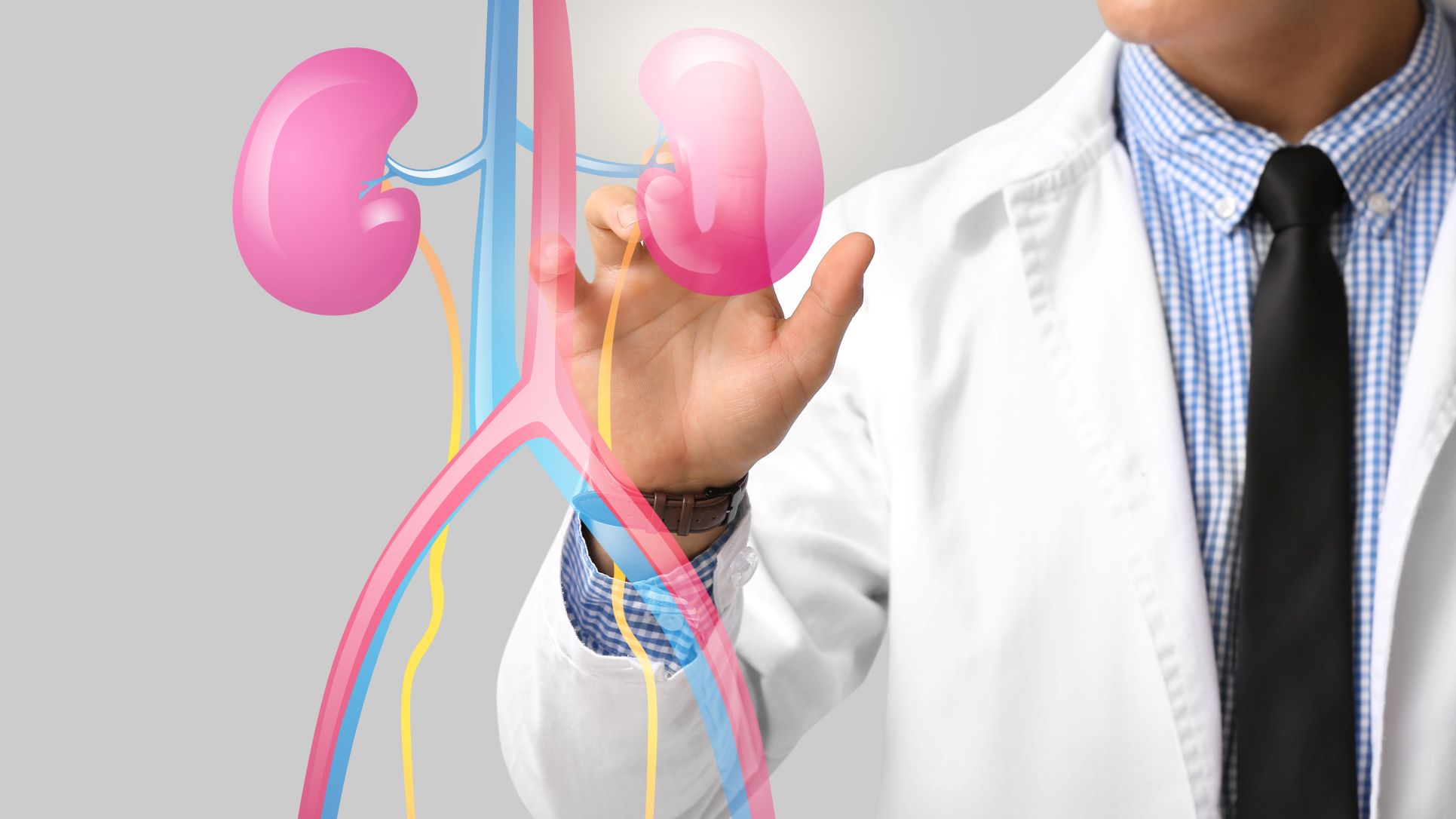
The term renal disease refers to conditions that affect the kidneys and their ability to perform important functions such as filtering waste products, balancing fluids and electrolytes, regulating blood pressure and supporting bone and blood health.
There are many types of renal disease, and they do not all have the same cause, symptoms or treatment.
Some kidney conditions develop suddenly, while others progress slowly over months or years. Certain renal diseases affect the kidney's filtering units, while others involve the urinary drainage system, blood vessels or inherited kidney structures.
Understanding the type of kidney disease is important because the treatment for one renal condition may be completely different from another.
At Prabhakar Bhurke Clinic, Dr. Sandip Prabhakar Bhurke, super specialist nephrologist and transplant physician, provides evaluation and individualized management for a wide range of kidney-function and renal health concerns.
1. Chronic Kidney Disease
Chronic kidney disease, often called CKD, occurs when kidney damage or reduced kidney function persists over time.
It can develop gradually and may initially cause few or no noticeable symptoms.
Common causes can include:
-
Diabetes
-
High blood pressure
-
Glomerular diseases
-
Inherited kidney disorders
-
Long-term urinary tract abnormalities
-
Repeated kidney injury
Chronic kidney disease is commonly assessed using:
-
Serum creatinine
-
eGFR
-
Urine albumin or protein testing
-
Blood pressure monitoring
-
Other relevant blood and urine tests
Treatment usually focuses on protecting remaining kidney function, controlling the underlying cause and managing complications.
2. Acute Kidney Injury
Acute kidney injury, also called AKI, is a sudden decline in kidney function.
It can develop over hours or days depending on the underlying cause.
Possible causes include:
-
Severe dehydration
-
Serious infection
-
Low blood pressure
-
Blood loss
-
Certain medications
-
Urinary obstruction
-
Major illness
Unlike some forms of chronic kidney disease, acute kidney injury may improve when the underlying cause is identified and treated promptly.
However, severe AKI can become life-threatening and may sometimes require temporary dialysis.
3. Glomerular Diseases
The glomeruli are tiny filtering units inside the kidneys.
Glomerular diseases affect these structures and can interfere with normal kidney filtration.
Examples include different forms of:
-
Glomerulonephritis
-
Nephrotic syndrome
-
Immune-related kidney disease
Possible findings may include:
-
Protein in urine
-
Blood in urine
-
Swelling
-
High blood pressure
-
Reduced kidney function
The treatment depends on the specific disease.
Some conditions may require medicines that target inflammation or abnormal immune activity, while others may require supportive kidney-protective treatment.
A precise diagnosis is important before starting treatment.
4. Diabetic Kidney Disease
Long-term diabetes can damage the small blood vessels and filtering structures within the kidneys.
Diabetic kidney disease may develop gradually.
Early changes may include increased albumin in the urine.
Management may focus on:
-
Appropriate blood sugar management
-
Blood-pressure control
-
Kidney-protective medicines when clinically appropriate
-
Monitoring urine albumin
-
Monitoring kidney function
-
Managing cardiovascular risk
Regular screening is important for people with diabetes because kidney damage can develop before significant symptoms appear.
5. Hypertensive Kidney Disease
High blood pressure can damage blood vessels throughout the body, including those supplying the kidneys.
At the same time, kidney disease can also contribute to elevated blood pressure.
This creates a cycle in which uncontrolled blood pressure and kidney damage can worsen each other.
Treatment may involve:
-
Blood-pressure monitoring
-
Lifestyle changes
-
Appropriate medicines
-
Kidney-function monitoring
-
Assessment of urine protein or albumin
The treatment target should be individualized according to the patient's overall health.
6. Kidney Stones and Stone Disease
Kidney stones are solid deposits that can form from substances in urine.
They may remain inside the kidney without symptoms or move into the urinary tract.
Possible symptoms can include:
-
Flank pain
-
Back pain
-
Blood in urine
-
Nausea
-
Vomiting
-
Urinary discomfort
A stone can sometimes obstruct urine flow and affect kidney function.
Treatment depends on factors such as:
-
Stone size
-
Location
-
Symptoms
-
Obstruction
-
Infection
-
Kidney function
Small stones may sometimes be monitored or managed medically, while larger or problematic stones may require a procedure.
7. Kidney and Urinary Tract Infections
Kidney infections can occur when bacteria travel upward through the urinary tract.
Symptoms may include:
-
Fever
-
Chills
-
Flank pain
-
Burning while urinating
-
Frequent urination
-
Feeling unwell
Kidney infections require appropriate medical assessment.
An infection associated with urinary obstruction can become serious and may require urgent treatment.
Repeated infections may also require investigation for an underlying structural or urinary problem.
8. Polycystic Kidney Disease
Polycystic kidney disease is an inherited condition in which multiple cysts can develop within the kidneys.
Over time, the cysts may increase in number or size and affect kidney structure and function.
Possible complications can include:
-
High blood pressure
-
Flank discomfort
-
Blood in urine
-
Recurrent infections
-
Kidney-function decline
The condition requires long-term monitoring and individualized management.
Family history can be important because some forms are inherited.
9. Tubulointerstitial Kidney Disease
The kidneys contain tubules and surrounding tissues that help process filtered fluid and maintain the body's internal balance.
Diseases affecting these areas are called tubulointerstitial kidney diseases.
Possible causes can include:
-
Certain medicines
-
Infections
-
Immune-related conditions
-
Toxins
-
Other inflammatory processes
Treatment depends on identifying and addressing the cause.
Medication review can be particularly important when a drug-related kidney injury is suspected.
10. Obstructive Kidney Disease
Kidney function can be affected when urine cannot drain normally.
This may occur because of:
-
Kidney stones
-
Enlarged prostate
-
Ureteral narrowing
-
Tumours or masses
-
Structural abnormalities
Persistent obstruction can increase pressure within the urinary system and potentially damage kidney tissue.
Treatment focuses on identifying and relieving the cause of obstruction.
11. Inherited and Genetic Kidney Disorders
Some renal diseases are linked to genetic changes and may run in families.
Examples can include inherited cystic diseases and other disorders affecting kidney structure or function.
A family history of:
-
Kidney failure
-
Multiple kidney cysts
-
Early-onset kidney disease
-
Recurrent unexplained kidney problems
may be relevant during evaluation.
Genetic counselling or specialized testing may be considered in selected situations.
12. Autoimmune and Immune-Mediated Kidney Disease
Certain immune system disorders can affect the kidneys.
In these conditions, abnormal immune activity may damage kidney tissue or the glomeruli.
Possible warning signs include:
-
Blood in urine
-
Protein in urine
-
Swelling
-
Rising creatinine
-
Declining eGFR
Diagnosis may require detailed blood and urine testing and, in selected cases, additional investigations.
Treatment is based on the specific diagnosis and severity.
How Are Different Types of Renal Disease Diagnosed?
Because renal diseases can have similar symptoms, testing is often necessary to determine the actual cause.
A kidney evaluation may include:
Blood Tests
Tests may assess:
-
Creatinine
-
eGFR
-
Urea
-
Sodium
-
Potassium
-
Bicarbonate
-
Blood count
Urine Tests
Urine examination can help identify:
-
Protein
-
Albumin
-
Blood
-
Infection
-
Other abnormalities
Imaging
Depending on the clinical situation, imaging may include ultrasound or other scans to evaluate:
-
Kidney size
-
Stones
-
Cysts
-
Obstruction
-
Structural abnormalities
Additional Tests
Some patients may require more specialized investigations depending on the suspected kidney disease.
Do Different Types of Renal Disease Have Different Symptoms?
Yes.
Kidney disease symptoms vary according to the type and severity of the condition.
Possible symptoms may include:
-
Swelling of the feet or face
-
Changes in urine
-
Foamy urine
-
Blood in urine
-
Flank pain
-
Fatigue
-
Nausea
-
High blood pressure
-
Reduced urine output
However, many kidney diseases can develop without obvious symptoms during their early stages.
This is one reason why people with risk factors may benefit from appropriate kidney screening.
Who Is at Higher Risk of Renal Disease?
Kidney disease may be more likely in people with:
-
Diabetes
-
High blood pressure
-
Cardiovascular disease
-
Family history of kidney disease
-
Recurrent kidney stones
-
Recurrent urinary infections
-
Previous acute kidney injury
-
Certain autoimmune conditions
The appropriate screening approach depends on individual risk factors.
Can Different Types of Kidney Disease Be Treated?
Many renal diseases can be treated or managed, but the goal depends on the specific condition.
For example:
-
Some acute kidney problems may improve after treatment of the cause.
-
Urinary obstruction may improve after normal drainage is restored.
-
Kidney infections may require appropriate antimicrobial treatment.
-
Chronic kidney disease may require long-term management to slow progression.
-
Glomerular diseases may require disease-specific treatment.
-
Kidney stones may require monitoring, medical treatment or removal.
There is no single treatment that works for all renal diseases.
When Should You See a Nephrologist?
A nephrologist may be appropriate when there is:
-
Persistently elevated creatinine
-
Reduced eGFR
-
Significant protein or albumin in urine
-
Unexplained blood in urine
-
Progressive decline in kidney function
-
Recurrent kidney stones
-
Difficult-to-control blood pressure
-
Electrolyte abnormalities
-
Advanced kidney disease
Early evaluation can help identify the type and cause of renal disease before complications become more severe.
When Is Renal Disease an Emergency?
Seek urgent medical attention for:
-
Very little or no urine
-
Severe breathlessness
-
Chest pain
-
Confusion
-
Persistent vomiting
-
Severe swelling
-
Fever with severe flank pain
-
Sudden deterioration in health
These symptoms can indicate serious kidney, urinary or systemic complications.
Renal Disease Care at Prabhakar Bhurke Clinic
At Prabhakar Bhurke Clinic, Dr. Sandip Prabhakar Bhurke, super specialist nephrologist and transplant physician, provides individualized evaluation for different types of renal disease and kidney-function abnormalities.
Depending on the patient's condition, care may include:
-
Chronic kidney disease assessment
-
Acute kidney injury evaluation
-
Creatinine and eGFR monitoring
-
Urine protein and albumin evaluation
-
Blood-pressure-related kidney care
-
Diabetes-related kidney assessment
-
Kidney stone-related kidney-function evaluation
-
Electrolyte and metabolic assessment
-
Long-term kidney monitoring
-
Evaluation of advanced kidney disease and renal replacement options when appropriate
Treatment planning is based on the patient's diagnosis, laboratory findings, symptoms and overall health.
Frequently Asked Questions About Types of Renal Disease
What are the main types of renal disease?
Common categories include chronic kidney disease, acute kidney injury, glomerular disease, diabetic kidney disease, hypertensive kidney disease, kidney stone disease, infections, inherited kidney disorders and obstructive kidney disease.
Is chronic kidney disease the same as kidney failure?
No. Chronic kidney disease describes persistent kidney damage or reduced kidney function and can range from mild to advanced stages. Kidney failure refers to severe loss of kidney function.
Can acute kidney injury be reversed?
Some forms of acute kidney injury can improve when the underlying cause is identified and treated promptly. Recovery depends on the cause and severity.
Can kidney stones cause renal disease?
Stones can affect kidney function when they cause persistent obstruction, recurrent infections or other complications.
Can renal disease occur without symptoms?
Yes. Some kidney diseases, especially during earlier stages, may not cause obvious symptoms.
Which doctor treats renal disease?
A nephrologist specializes in diagnosing and managing medical kidney diseases and kidney-function disorders. Some structural or surgical urinary conditions may also require a urologist.
Conclusion
There are many types of renal disease, ranging from sudden kidney injury and infections to long-term chronic kidney disease, glomerular disorders, inherited conditions and urinary obstruction.
Because these conditions have different causes and treatments, identifying the specific type of kidney problem is an essential part of effective care.
Blood tests, urine analysis, imaging and specialist assessment can help determine what is affecting the kidneys and whether kidney function is changing.
Early evaluation may be particularly important when creatinine is elevated, eGFR is declining, urine contains protein or blood, swelling develops or blood pressure becomes difficult to control.
For individualized evaluation and management of kidney and renal health concerns, consult Dr. Sandip Prabhakar Bhurke, super specialist nephrologist and transplant physician, at Prabhakar Bhurke Clinic.
Medical Disclaimer
This article is intended for general educational and informational purposes only and should not be considered medical advice, diagnosis or treatment. Renal disease includes many different conditions, and symptoms such as swelling, fatigue, changes in urine, flank pain or abnormal blood tests do not identify a specific kidney disease without appropriate medical evaluation. The correct treatment depends on the diagnosis, kidney function, underlying cause, medicines and overall health. Do not start, stop or change medicines, supplements, fluid intake or dietary restrictions based solely on this article. Seek urgent medical attention for very little or no urine, severe breathlessness, chest pain, confusion, persistent vomiting, severe swelling, fever with severe flank pain or sudden deterioration in health. Consult Dr. Sandip Prabhakar Bhurke or another qualified nephrologist for individualized diagnosis and treatment.