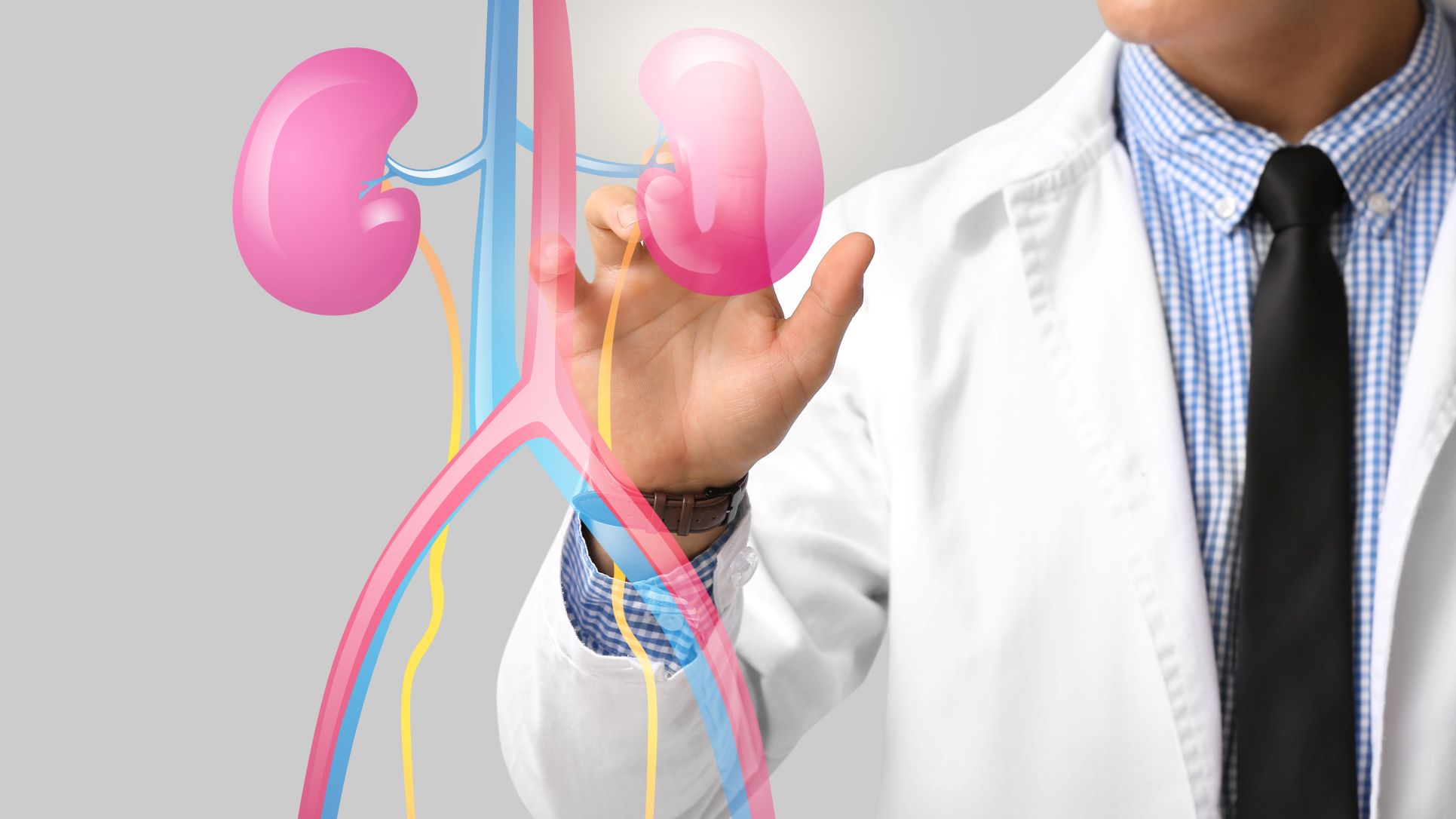
Renal therapy refers to medical treatment and supportive care used to manage diseases or conditions affecting the kidneys.
The type of therapy required depends on what is happening to the kidneys.
A person with an early kidney problem may need monitoring, lifestyle changes and treatment of an underlying condition. Someone with severe kidney failure may require kidney replacement therapy, such as dialysis or transplantation.
Renal therapy can therefore include much more than dialysis.
Depending on the diagnosis, treatment may involve:
-
Medicines
-
Blood-pressure and diabetes management
-
Treatment of specific kidney diseases
-
Management of electrolyte abnormalities
-
Dietary and nutritional support
-
Treatment of urinary obstruction
-
Dialysis
-
Kidney transplantation
-
Conservative kidney management
-
Regular monitoring of kidney function
At Prabhakar Bhurke Clinic, Dr. Sandip Prabhakar Bhurke, super specialist nephrologist and transplant physician, provides individualized evaluation and treatment planning for patients with kidney disorders and different stages of kidney dysfunction.
Why Is Renal Therapy Different for Every Patient?
The kidneys can be affected by many different diseases.
For example, the treatment for a kidney infection is very different from the treatment for chronic kidney disease or kidney failure.
Before selecting therapy, a nephrologist may consider:
-
The underlying kidney condition
-
Creatinine and eGFR
-
Urine protein or albumin
-
Blood pressure
-
Electrolyte levels
-
Fluid status
-
Urine output
-
Imaging findings
-
Current medications
-
Other medical conditions
-
Whether the kidney problem is acute or chronic
This approach helps ensure that treatment addresses the actual problem rather than focusing only on one abnormal test result.
Renal Therapy for Acute Kidney Problems
Some kidney problems develop suddenly.
This is known as acute kidney injury (AKI).
Potential causes include:
-
Severe dehydration
-
Infection
-
Low blood pressure
-
Blood loss
-
Certain medicines
-
Urinary obstruction
-
Major surgery or serious illness
The treatment focuses on identifying and correcting the cause.
Depending on the situation, therapy may involve:
-
Appropriate fluid management
-
Treatment of infection
-
Correction of blood-pressure abnormalities
-
Relief of urinary obstruction
-
Adjustment of medicines
-
Management of electrolyte disturbances
-
Temporary dialysis when necessary
Some patients with AKI recover significant kidney function after the underlying cause is treated.
Renal Therapy for Chronic Kidney Disease
Chronic kidney disease (CKD) involves persistent abnormalities of kidney structure or function.
Treatment generally aims to preserve remaining kidney function and reduce complications.
Management may include:
Blood Pressure Control
Keeping blood pressure within the target recommended by the treating clinician can help reduce cardiovascular and kidney-related risks.
Diabetes Management
For people with diabetes, appropriate glucose management is an important component of kidney protection.
Reduction of Albuminuria
Certain kidney-protective medicines may be prescribed for appropriate patients with albuminuria.
Cardiovascular Risk Reduction
Kidney disease and cardiovascular disease are closely linked, so cholesterol, smoking, weight and other cardiovascular risk factors may also need attention.
Regular Monitoring
Kidney function, urine albumin, potassium, bicarbonate and other parameters may be monitored periodically.
Medicines as Part of Renal Therapy
There is no single medicine that treats every kidney disease.
Depending on the diagnosis, medications may be used to:
-
Control blood pressure
-
Reduce protein loss in urine
-
Manage diabetes
-
Correct anemia
-
Control mineral and bone abnormalities
-
Manage electrolyte disturbances
-
Treat infections
-
Reduce complications of kidney disease
Some medicines require dose adjustments when kidney function is reduced.
Patients should therefore inform their doctor about all prescription medicines, over-the-counter drugs, supplements and herbal products they use.
Renal Therapy for Kidney Stones and Obstruction
Kidney stones can interfere with urine drainage and sometimes affect kidney function.
Treatment depends on:
-
Stone size
-
Location
-
Composition
-
Degree of obstruction
-
Infection status
-
Kidney function
-
Symptoms
Depending on the circumstances, treatment may include observation, medication, ureteroscopy, shock-wave lithotripsy or PCNL.
If a urinary obstruction is accompanied by infection, urgent drainage may be required before definitive stone removal.
Managing Protein in the Urine
Protein or albumin in urine can indicate damage to the kidney's filtering structures.
Persistent albuminuria is therefore an important part of kidney assessment.
Depending on the underlying disease, treatment may involve:
-
Blood-pressure management
-
Kidney-protective medicines
-
Diabetes management
-
Dietary guidance
-
Treatment of the underlying kidney disease
-
Periodic urine testing
The amount and type of protein loss help the nephrologist assess kidney-disease risk and monitor treatment.
Nutrition as Part of Renal Therapy
Nutrition can play an important role in kidney care.
However, there is no single renal diet suitable for every patient.
Depending on kidney function and blood-test results, dietary recommendations may involve adjustments to:
-
Sodium
-
Protein
-
Potassium
-
Phosphorus
-
Fluid intake
For example, nutritional needs can differ significantly between a person with mild CKD and someone receiving dialysis.
A renal dietitian may be involved when detailed dietary planning is required.
Fluid Management in Kidney Disease
Fluid balance becomes increasingly important when kidney function is significantly impaired.
Some patients need adequate fluid intake, while others may require fluid restriction because of:
-
Reduced urine output
-
Fluid retention
-
Advanced kidney disease
-
Heart conditions
-
Dialysis-related fluid accumulation
Therefore, patients should not assume that drinking large amounts of water is always beneficial for the kidneys.
Fluid recommendations should be individualized.
What Is Renal Replacement Therapy?
Renal replacement therapy (RRT) refers to treatments that replace some of the filtering and regulatory functions of severely impaired kidneys.
The main forms include:
-
Hemodialysis
-
Peritoneal dialysis
-
Continuous kidney replacement therapies in selected critically ill patients
-
Kidney transplantation
RRT may be required temporarily in severe acute kidney injury or as long-term treatment in advanced kidney failure.
Hemodialysis as Renal Therapy
Hemodialysis uses a dialysis machine and a specialized filter to remove waste products and excess fluid from the blood.
During treatment:
-
Blood is circulated from the patient to the dialysis machine.
-
The blood passes through a dialyzer.
-
Waste products and excess fluid are removed.
-
The cleaned blood returns to the patient.
Hemodialysis schedules are individualized according to the patient's kidney function, clinical needs and treatment plan.
Peritoneal Dialysis
Peritoneal dialysis uses the lining of the abdomen, called the peritoneum, as a natural filtering membrane.
Dialysis fluid is introduced into the abdominal cavity through a catheter.
Waste products and excess fluid move from the blood into the dialysis fluid, which is subsequently drained.
Peritoneal dialysis can be performed in different ways depending on the patient's treatment plan.
The choice between peritoneal dialysis and hemodialysis depends on medical suitability, lifestyle, support systems and patient preference.
When Is Dialysis Considered?
Dialysis is not started solely because a creatinine level crosses one particular number.
A nephrologist may consider dialysis when kidney failure causes complications that cannot be adequately controlled through medical treatment.
Potential indications include:
-
Severe fluid overload
-
Persistent dangerous potassium elevation
-
Significant metabolic acidosis
-
Uremic complications
-
Severe symptoms related to kidney failure
-
Certain toxin exposures
-
Progressive kidney failure with inadequate kidney function
The decision is individualized according to the patient's clinical condition.
Can Renal Therapy Avoid Dialysis?
In some situations, yes.
If kidney dysfunction is caused by a reversible problem, treating that condition may allow kidney function to improve sufficiently that dialysis is unnecessary.
Examples can include selected cases of:
-
Dehydration
-
Acute infection
-
Medication-related kidney injury
-
Urinary obstruction
However, dialysis should not be avoided when it is medically necessary.
The objective of renal therapy is to provide the safest treatment for the patient's condition.
Kidney Transplantation as Renal Therapy
For selected patients with advanced kidney failure, kidney transplantation can provide an alternative to long-term dialysis.
A transplant involves placing a functioning donor kidney into the recipient.
Potential advantages include:
-
Replacement of kidney filtration function
-
Greater freedom from regular dialysis for many recipients
-
Potential improvement in quality of life
-
Long-term kidney replacement without regular dialysis sessions
Not every patient is suitable for transplantation.
Evaluation may consider overall health, cardiovascular status, infections, other medical conditions and transplant-related factors.
After transplantation, lifelong medical monitoring and immunosuppressive treatment are generally required.
Conservative Kidney Management
Dialysis or transplantation may not be appropriate for every patient.
For some people with advanced kidney disease, particularly depending on age, overall health, frailty and personal preferences, conservative kidney management may be considered.
This approach focuses on:
-
Symptom control
-
Managing fluid and electrolyte problems
-
Treating anemia and other complications
-
Nutritional support
-
Quality of life
-
Patient and family goals
The decision should be made through an informed discussion with the treating nephrology team.
Renal Therapy in Critically Ill Patients
Patients in intensive care with severe acute kidney injury may require specialized forms of kidney replacement therapy.
Continuous kidney replacement therapy (CKRT) can remove fluid and waste gradually over an extended period.
It may be considered for selected critically ill patients who cannot tolerate rapid fluid shifts.
The treatment approach depends on the patient's blood pressure, fluid status, kidney function and overall clinical condition.
How Do Doctors Monitor Renal Therapy?
Treatment does not end after starting a therapy.
The medical team may regularly assess:
-
Creatinine
-
eGFR
-
Urea
-
Potassium
-
Sodium
-
Bicarbonate
-
Hemoglobin
-
Calcium
-
Phosphorus
-
Urine output
-
Urine albumin or protein
-
Blood pressure
-
Body weight
-
Fluid status
The frequency of monitoring depends on the patient's diagnosis and treatment.
What Can Happen if Kidney Disease Is Not Treated?
Untreated or poorly controlled kidney disease may progress and cause complications.
Possible consequences include:
-
Worsening kidney function
-
Fluid retention
-
High blood pressure
-
Electrolyte abnormalities
-
Metabolic acidosis
-
Anemia
-
Mineral and bone disorders
-
Cardiovascular complications
-
Kidney failure
Early identification and appropriate management may help reduce the risk of progression in many kidney conditions.
Lifestyle Measures That Complement Renal Therapy
Medical treatment works best when combined with appropriate lifestyle habits.
Depending on the individual's condition, these may include:
Limit Excess Sodium
Reducing excessive salt intake can support blood-pressure and fluid management.
Stay Physically Active
Appropriate physical activity can support cardiovascular and metabolic health.
Maintain a Healthy Weight
Weight management may reduce some kidney-disease risk factors.
Avoid Smoking
Smoking can increase cardiovascular and kidney-related risks.
Use Painkillers Carefully
Certain NSAIDs can affect kidney function, particularly in susceptible patients.
Avoid Unverified Supplements
Products advertised as kidney cleansers or renal detoxes may not be safe.
Attend Follow-Up Appointments
Regular monitoring allows treatment to be adjusted as kidney function changes.
What Should You Ask Your Nephrologist About Renal Therapy?
If you have been diagnosed with kidney disease, useful questions may include:
-
What is causing my kidney problem?
-
Is the condition acute or chronic?
-
What is my current eGFR?
-
Do I have protein or albumin in my urine?
-
Can the kidney problem improve?
-
Which medicines protect my kidneys?
-
Do I need dietary restrictions?
-
Do I need fluid restriction?
-
How often should my kidney function be checked?
-
Is dialysis likely to become necessary?
-
Should I be evaluated for transplantation?
Understanding the treatment plan can help patients participate more effectively in their kidney care.
When Should You Seek Urgent Medical Attention?
Certain symptoms can indicate serious kidney or urinary complications.
Seek urgent medical care for:
-
Very little or no urine
-
Severe breathlessness
-
Chest pain
-
Confusion
-
Severe swelling
-
Persistent vomiting
-
Severe weakness
-
Fainting
-
Severe flank pain with fever or chills
-
Rapidly worsening symptoms
Patients already receiving dialysis should also follow their dialysis team's instructions for urgent symptoms or missed treatments.
Renal Therapy at Prabhakar Bhurke Clinic
At Prabhakar Bhurke Clinic, Dr. Sandip Prabhakar Bhurke, super specialist nephrologist and transplant physician, provides individualized care for patients with kidney disorders.
Depending on the patient's diagnosis, renal care may include:
-
Evaluation of abnormal kidney-function tests
-
Acute kidney injury management
-
Chronic kidney disease care
-
Kidney stone and obstruction assessment
-
Proteinuria evaluation
-
Blood-pressure and diabetes-related kidney management
-
Electrolyte and metabolic complication management
-
Dialysis assessment
-
Kidney replacement therapy planning
-
Transplant-related evaluation and care
-
Long-term monitoring of kidney function
The appropriate renal therapy is selected according to the underlying disease, kidney-function level, complications and the patient's overall health.
Frequently Asked Questions About Renal Therapy
What does renal therapy mean?
Renal therapy refers broadly to medical treatments used to manage kidney disease. It can include medicines, dietary management, monitoring, dialysis, transplantation and other supportive treatments.
Is renal therapy the same as dialysis?
No. Dialysis is one type of renal replacement therapy. Renal therapy is a broader term that includes many approaches to treating and managing kidney conditions.
When is renal replacement therapy required?
Kidney replacement therapy may be required when the kidneys can no longer adequately maintain the body's internal balance and serious complications cannot be controlled with medical treatment.
Can renal therapy improve kidney function?
Some kidney conditions can improve when the underlying cause is reversible. Chronic kidney damage may not be completely reversible, but appropriate treatment can help preserve remaining kidney function and manage complications.
Is dialysis a permanent treatment?
Not always. Dialysis may be temporary in selected cases of severe acute kidney injury. People with established advanced kidney failure may require long-term dialysis unless transplantation or another suitable treatment becomes available.
What is the difference between renal therapy and renal replacement therapy?
Renal therapy is a broad term for kidney treatment. Renal replacement therapy specifically refers to treatments that replace some kidney functions, such as hemodialysis, peritoneal dialysis and kidney transplantation.
Can diet be part of renal therapy?
Yes. Dietary management can be an important component of kidney care. Sodium, protein, potassium, phosphorus and fluid recommendations may need to be individualized.
Which doctor provides renal therapy?
A nephrologist specializes in medical kidney diseases and kidney-function problems. Depending on the condition, other specialists such as urologists, transplant surgeons, cardiologists or dietitians may also be involved.
Conclusion
Renal therapy is not one specific treatment. It is a broad approach to managing kidney disease according to its cause, severity and complications.
Treatment may range from medicines, blood-pressure and diabetes management and nutritional support to specialized kidney replacement therapies such as hemodialysis, peritoneal dialysis and transplantation.
Some acute kidney problems can improve when the underlying cause is treated, while established chronic kidney disease may require long-term monitoring and management.
The most appropriate renal therapy should therefore be selected after assessing kidney function, urine findings, symptoms, medical history and the underlying diagnosis.
For specialist kidney evaluation and individualized renal care, consult Dr. Sandip Prabhakar Bhurke at Prabhakar Bhurke Clinic.
Medical Disclaimer
This article is intended for general educational and informational purposes only and does not constitute medical advice, diagnosis or treatment. Renal therapy varies substantially between patients and depends on the underlying kidney condition, kidney function, symptoms, laboratory results, medications and overall health. Not every patient with reduced kidney function requires dialysis, and dialysis should not be started or stopped based solely on a creatinine or eGFR value. Do not start, stop or change medicines, supplements, diet, fluid intake or dialysis treatment without guidance from a qualified healthcare professional. Seek urgent medical attention for very little or no urine, severe breathlessness, chest pain, confusion, severe swelling, persistent vomiting, severe flank pain with fever or chills, fainting or rapidly worsening symptoms. Consult Dr. Sandip Prabhakar Bhurke or another qualified nephrologist for an individualized treatment plan.