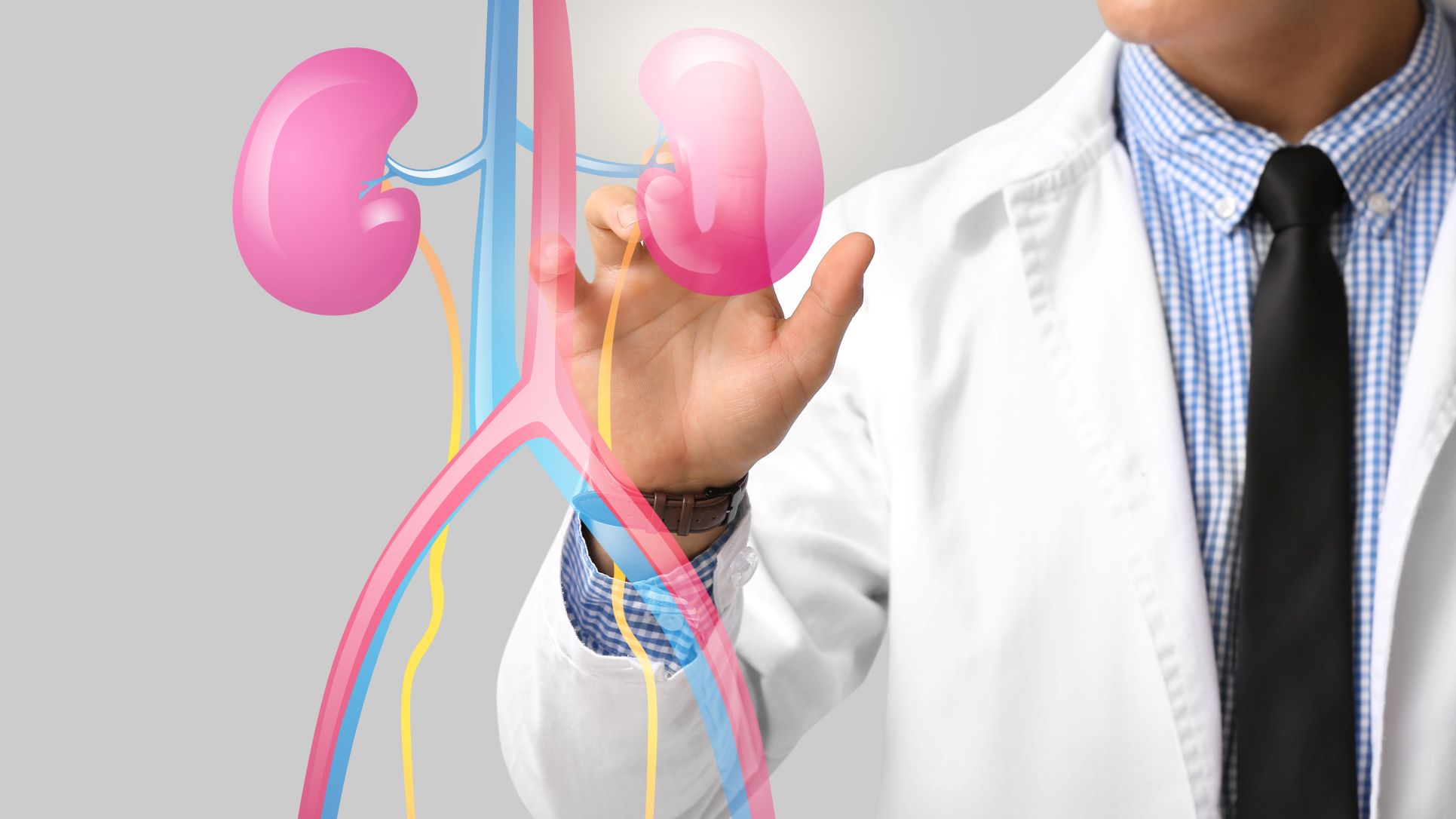
The kidneys are complex organs that perform several important jobs in the body. They filter waste from the blood, regulate fluid and electrolyte balance, contribute to blood-pressure control and support processes involved in red blood cell production and bone health.
Because the kidneys contain different structures and perform multiple functions, they can be affected by many different diseases.
The different types of kidney problems range from temporary conditions such as acute kidney injury to long-term diseases such as chronic kidney disease. Kidney stones, infections, cysts, inherited disorders, glomerular diseases and urinary obstruction can also affect kidney health.
Importantly, not every kidney problem produces the same symptoms or requires the same treatment.
At Prabhakar Bhurke Clinic, Dr. Sandip Prabhakar Bhurke, super specialist nephrologist and transplant physician, provides individualized evaluation and management for patients with kidney diseases and abnormal kidney-function results.
What Are the Main Types of Kidney Problems?
Kidney problems can broadly be grouped according to the part of the urinary system affected, the underlying cause and whether the condition is temporary or long-lasting.
Some common categories include:
-
Acute kidney injury
-
Chronic kidney disease
-
Kidney stones
-
Kidney infections
-
Glomerular diseases
-
Polycystic and other cystic kidney diseases
-
Urinary obstruction
-
Diabetic kidney disease
-
Hypertension-related kidney damage
-
Inherited kidney disorders
-
Tubulointerstitial kidney diseases
-
Kidney failure
Several conditions can overlap. For example, diabetes may contribute to chronic kidney disease, while a urinary obstruction can cause an acute decline in kidney function.
1. Acute Kidney Injury
Acute kidney injury (AKI) occurs when kidney function decreases suddenly over a short period.
It can develop because of:
-
Severe dehydration
-
Serious infection
-
Low blood pressure
-
Blood loss
-
Certain medications
-
Urinary obstruction
-
Major surgery
-
Severe illness
A person with AKI may have reduced urine output, swelling, nausea or other symptoms, although some cases produce few obvious symptoms.
Blood tests may show a rapid increase in creatinine.
The important point is that some forms of AKI can improve significantly when the underlying cause is identified and treated promptly.
In severe cases, temporary dialysis may be required.
2. Chronic Kidney Disease
Chronic kidney disease (CKD) occurs when kidney damage or reduced kidney function persists over time.
Common causes include:
-
Diabetes
-
High blood pressure
-
Glomerular diseases
-
Inherited kidney disorders
-
Recurrent kidney injury
-
Certain structural kidney conditions
CKD may progress gradually.
Early CKD can be difficult to recognize because a person may feel completely well.
Doctors commonly monitor:
-
Serum creatinine
-
eGFR
-
Urine albumin
-
Blood pressure
-
Electrolytes
-
Other relevant laboratory findings
Treatment aims to control the underlying cause, reduce complications and preserve kidney function for as long as possible.
3. Kidney Stones
Kidney stones are hard deposits that form when certain substances become concentrated in urine and crystallize.
Common stone types include:
-
Calcium oxalate
-
Calcium phosphate
-
Uric acid
-
Struvite
-
Cystine
Kidney stones can cause severe flank pain when they move into the ureter.
Possible symptoms include:
-
Sudden side or back pain
-
Pain spreading toward the abdomen or groin
-
Blood in urine
-
Nausea
-
Vomiting
-
Burning urination
-
Frequent urination
Treatment depends on stone size, location, composition, obstruction and symptoms.
Smaller stones may sometimes pass without a procedure, while larger or complicated stones may require ureteroscopy, shock-wave lithotripsy, PCNL or another appropriate treatment.
4. Kidney Infections
A kidney infection, medically known as pyelonephritis, usually develops when bacteria reach the kidney through the urinary tract.
Symptoms may include:
-
Fever
-
Chills
-
Flank or back pain
-
Burning while urinating
-
Frequent urination
-
Nausea
-
Vomiting
-
Feeling generally unwell
Appropriate medical treatment is important.
If infection occurs together with urinary obstruction, such as a blocked ureter caused by a stone, urgent drainage may be necessary.
An infected obstructed urinary system can become a serious medical emergency.
5. Glomerular Diseases
The glomeruli are tiny filtering structures inside the kidneys.
Diseases affecting these structures can interfere with the kidney's ability to filter blood.
Glomerular diseases may cause:
-
Protein or albumin in urine
-
Blood in urine
-
Swelling
-
High blood pressure
-
Reduced kidney function
Examples include different forms of glomerulonephritis and other immune-mediated kidney diseases.
Some glomerular disorders are associated with autoimmune conditions.
Diagnosis may involve blood tests, urine studies, imaging and, in selected cases, a kidney biopsy.
Treatment depends on the specific disease and may include blood-pressure control, kidney-protective medicines or disease-specific therapy.
6. Polycystic Kidney Disease and Other Cystic Conditions
Kidney cysts are fluid-filled structures that can occur for different reasons.
A simple kidney cyst is often harmless and may not affect kidney function.
In contrast, polycystic kidney disease (PKD) is an inherited condition in which numerous cysts develop in the kidneys.
Depending on the type and severity, PKD may be associated with:
-
Enlarged kidneys
-
High blood pressure
-
Kidney stones
-
Urinary infections
-
Flank discomfort
-
Progressive loss of kidney function
Management depends on the specific diagnosis and may involve blood-pressure control, monitoring kidney function and treatment of complications.
7. Urinary Obstruction
Kidney function can be affected when urine cannot flow normally from the kidneys to the bladder.
Potential causes include:
-
Kidney stones
-
Enlarged prostate
-
Ureteral narrowing
-
Tumors or masses
-
Blood clots
-
Structural abnormalities
Obstruction may cause pain, reduced urine output or swelling of the kidney.
If obstruction persists, kidney function can deteriorate.
Treatment focuses on identifying and relieving the blockage.
Depending on the cause, this may involve a ureteral stent, nephrostomy or another procedure.
8. Diabetic Kidney Disease
Diabetes is one of the important causes of chronic kidney disease.
Persistently elevated blood glucose can damage the kidney's filtering structures over time.
An early sign can be increased albumin in urine.
As the disease progresses, eGFR may decline.
Kidney protection for people with diabetes may involve:
-
Appropriate blood-glucose management
-
Blood-pressure control
-
Kidney-protective medicines when appropriate
-
Monitoring urine albumin
-
Monitoring eGFR
-
Managing cardiovascular risk
-
Lifestyle modifications
Regular screening is important because diabetic kidney disease can develop before obvious symptoms appear.
9. Hypertension-Related Kidney Disease
Long-standing high blood pressure can damage the blood vessels within the kidneys.
At the same time, kidney disease can make blood pressure more difficult to control.
This creates a cycle in which hypertension and kidney damage can influence one another.
Management may include:
-
Regular blood-pressure monitoring
-
Appropriate antihypertensive treatment
-
Reduction of excessive dietary sodium
-
Kidney-function monitoring
-
Assessment of urine albumin
-
Management of other cardiovascular risk factors
Blood-pressure targets should be individualized by the treating healthcare professional.
10. Inherited Kidney Disorders
Some kidney diseases are passed through families.
Examples include:
-
Polycystic kidney disease
-
Alport syndrome
-
Cystinuria
-
Certain inherited tubular disorders
The symptoms and progression vary considerably between conditions.
A family history of kidney disease may therefore be important when assessing an individual with unexplained kidney problems.
Genetic counselling or specialized testing may be appropriate in selected situations.
11. Tubulointerstitial Kidney Diseases
The kidney contains structures called tubules and surrounding interstitial tissue that perform important functions after filtration.
Diseases affecting these areas may result from:
-
Certain medications
-
Infections
-
Autoimmune conditions
-
Toxins
-
Metabolic disorders
Some patients may develop changes in electrolyte levels, abnormal urine findings or declining kidney function.
Treatment depends on identifying the underlying cause.
12. Kidney Failure
Kidney failure represents severe loss of kidney function.
When the kidneys can no longer adequately remove waste and regulate fluid, electrolyte and acid-base balance, complications may develop.
Possible symptoms include:
-
Severe fatigue
-
Loss of appetite
-
Nausea or vomiting
-
Swelling
-
Breathlessness
-
Itching
-
Changes in urine output
-
Difficulty concentrating
-
Confusion in severe cases
Treatment depends on the individual's condition.
Some patients may require dialysis, while suitable patients may be evaluated for kidney transplantation.
For some individuals, comprehensive conservative kidney management may also be considered.
Can Kidney Problems Occur Without Symptoms?
Yes.
This is particularly important with chronic kidney disease.
A person may have reduced kidney function or albumin in the urine without experiencing pain or obvious symptoms.
Kidney disease is therefore sometimes discovered through routine blood or urine testing.
People with diabetes, hypertension, cardiovascular disease, a family history of kidney disease or previous kidney injury may benefit from appropriate kidney-function screening.
What Symptoms Can Different Kidney Problems Cause?
The symptoms depend on the specific condition.
| Kidney condition | Possible symptoms or findings |
|---|---|
| Acute kidney injury | Reduced urine, swelling, nausea, abnormal creatinine |
| Chronic kidney disease | Often no early symptoms; later fatigue, swelling, itching and appetite changes |
| Kidney stones | Flank pain, blood in urine, nausea, urinary symptoms |
| Kidney infection | Fever, chills, flank pain and urinary symptoms |
| Glomerular disease | Protein in urine, blood in urine, swelling and high blood pressure |
| Urinary obstruction | Pain, reduced urine, kidney swelling and declining kidney function |
| Polycystic kidney disease | High blood pressure, flank discomfort, stones, infections and progressive kidney dysfunction |
| Kidney failure | Severe fatigue, nausea, swelling, breathlessness, confusion and other complications |
These symptoms are not diagnostic by themselves.
How Are Kidney Problems Diagnosed?
A kidney problem cannot usually be diagnosed from symptoms alone.
Doctors may combine several types of information.
Blood Tests
Common tests include:
-
Serum creatinine
-
eGFR
-
Blood urea
-
Potassium
-
Sodium
-
Bicarbonate
-
Hemoglobin
-
Calcium
-
Phosphorus
The exact tests depend on the suspected condition.
Urine Tests
Urine evaluation may look for:
-
Protein
-
Albumin
-
Blood
-
White blood cells
-
Infection
-
Crystals
A urine albumin-to-creatinine ratio may be used to assess albumin loss.
Imaging
Ultrasound, CT and other imaging techniques can help identify:
-
Kidney stones
-
Obstruction
-
Cysts
-
Structural abnormalities
-
Kidney size changes
Kidney Biopsy
A kidney biopsy may be considered in selected patients when doctors need detailed information about kidney tissue, particularly with certain glomerular or unexplained kidney diseases.
It is not required for every kidney condition.
How Are Different Kidney Problems Treated?
There is no single medicine that treats every kidney disease.
Treatment is based on the diagnosis.
Depending on the condition, management may involve:
-
Medicines
-
Blood-pressure control
-
Diabetes management
-
Kidney-protective therapy
-
Treatment of infections
-
Management of proteinuria
-
Stone removal
-
Relief of urinary obstruction
-
Dietary adjustments
-
Fluid management
-
Treatment of anemia or mineral abnormalities
-
Dialysis
-
Kidney transplantation
The treatment plan may also change as kidney function changes.
Can Kidney Problems Be Prevented?
Some kidney diseases cannot be completely prevented, particularly inherited conditions.
However, several measures can help reduce the risk of kidney damage or slow progression in people who already have kidney disease.
These include:
-
Keep blood pressure under appropriate control.
-
Manage diabetes effectively.
-
Avoid unnecessary painkillers.
-
Do not use unverified supplements or kidney-detox products.
-
Maintain an appropriate fluid intake.
-
Limit excessive dietary salt.
-
Treat urinary infections appropriately.
-
Investigate recurrent kidney stones.
-
Follow recommended blood and urine testing.
-
Take prescribed medicines correctly.
Fluid and dietary requirements vary between individuals, especially when kidney function is reduced.
Which Kidney Problems Need a Nephrologist?
A nephrologist specializes in medical kidney diseases and kidney-function disorders.
Specialist evaluation may be appropriate when a person has:
-
Persistently elevated creatinine
-
Reduced eGFR
-
Significant protein or albumin in urine
-
Unexplained blood in urine
-
Difficult-to-control hypertension
-
Recurrent acute kidney injury
-
Progressive kidney-function decline
-
Significant electrolyte abnormalities
-
Advanced chronic kidney disease
-
Suspected glomerular disease
-
Kidney failure
Certain urinary or structural conditions may also require assessment by a urologist.
When Is a Kidney Problem an Emergency?
Some kidney-related situations require urgent medical attention.
Seek immediate medical care for:
-
Very little or no urine
-
Severe breathlessness
-
Chest pain
-
New confusion or loss of consciousness
-
Severe swelling with breathing difficulty
-
Severe flank pain accompanied by fever or chills
-
Persistent vomiting with dehydration
-
Rapid deterioration in health
An obstructed urinary tract accompanied by infection can be particularly dangerous and should be treated urgently.
Kidney Care at Prabhakar Bhurke Clinic
At Prabhakar Bhurke Clinic, Dr. Sandip Prabhakar Bhurke, super specialist nephrologist and transplant physician, provides individualized evaluation and management for a wide range of kidney conditions.
Depending on the patient's medical needs, care may include:
-
Evaluation of abnormal creatinine
-
Assessment of reduced eGFR
-
Chronic kidney disease management
-
Acute kidney injury evaluation
-
Proteinuria and albuminuria assessment
-
Blood-pressure-related kidney care
-
Diabetes-related kidney evaluation
-
Kidney stone-related kidney assessment
-
Evaluation of urinary obstruction
-
Electrolyte and metabolic complication management
-
Dialysis-related assessment
-
Kidney transplant-related evaluation and care
The appropriate treatment is selected according to the underlying diagnosis, kidney function, symptoms, laboratory findings and overall health.
Frequently Asked Questions
What are the different types of kidney problems?
Major kidney problems include acute kidney injury, chronic kidney disease, kidney stones, kidney infections, glomerular diseases, cystic kidney diseases, urinary obstruction, diabetic kidney disease, inherited disorders and kidney failure.
Which kidney problem is most common?
Chronic kidney disease is a major long-term kidney condition, while kidney stones and urinary infections are also common reasons people seek medical care. The frequency varies between populations and age groups.
Can a person have more than one kidney problem?
Yes. Conditions can overlap. For example, a person with diabetes may develop chronic kidney disease and kidney stones may occur separately. A stone can also cause urinary obstruction and an acute decline in kidney function.
Which kidney problems cause pain?
Kidney stones, kidney infections and urinary obstruction can cause flank or back pain. Many chronic kidney diseases, however, may not cause pain.
Can kidney problems be cured?
Some kidney problems, particularly certain acute conditions, can improve substantially when the underlying cause is treated. Chronic kidney diseases may not be completely reversible, but appropriate treatment can help preserve kidney function and manage complications.
What tests show whether the kidneys are working properly?
Serum creatinine, eGFR, urine albumin or protein testing, urinalysis and blood-pressure assessment are commonly used. Imaging or additional tests may be necessary depending on the suspected condition.
Can kidney disease be present with normal symptoms?
Yes. Some kidney diseases produce few or no symptoms in their early stages. Blood and urine testing may detect kidney abnormalities before symptoms develop.
Which doctor should I consult for a kidney problem?
A nephrologist specializes in medical kidney diseases and kidney-function problems. A urologist may be involved when a condition primarily affects the urinary tract or requires a surgical procedure.
Conclusion
The different types of kidney problems range from temporary changes in kidney function to chronic diseases that can gradually lead to kidney failure. Kidney stones, infections, glomerular diseases, cystic disorders, diabetes, hypertension, urinary obstruction and inherited conditions can all affect the kidneys in different ways.
Because the symptoms and treatments vary, identifying the exact condition is more important than trying a general kidney remedy.
Blood tests such as creatinine and eGFR, urine testing, blood-pressure assessment and appropriate imaging can help doctors determine whether the kidneys are functioning normally and identify possible causes of kidney disease.
Early evaluation is particularly important for people with diabetes, high blood pressure, recurrent stones, previous kidney injury, abnormal urine findings or a family history of kidney disease.
For specialist evaluation and individualized kidney care, consult Dr. Sandip Prabhakar Bhurke at Prabhakar Bhurke Clinic.
Medical Disclaimer
This article is intended for general educational and informational purposes only and should not be considered medical advice, diagnosis or treatment. Kidney problems include many different conditions, and symptoms, severity, prognosis and treatment can vary substantially between individuals. A symptom such as back pain, swelling, fatigue or changes in urination does not by itself establish a kidney diagnosis. Do not start, stop or change medicines, supplements, fluid intake or dietary restrictions based solely on this article. Seek urgent medical attention for very little or no urine, severe breathlessness, chest pain, confusion, severe flank pain with fever or chills, persistent vomiting or rapidly worsening symptoms. Consult Dr. Sandip Prabhakar Bhurke or another qualified nephrologist for an individualized evaluation and treatment plan.