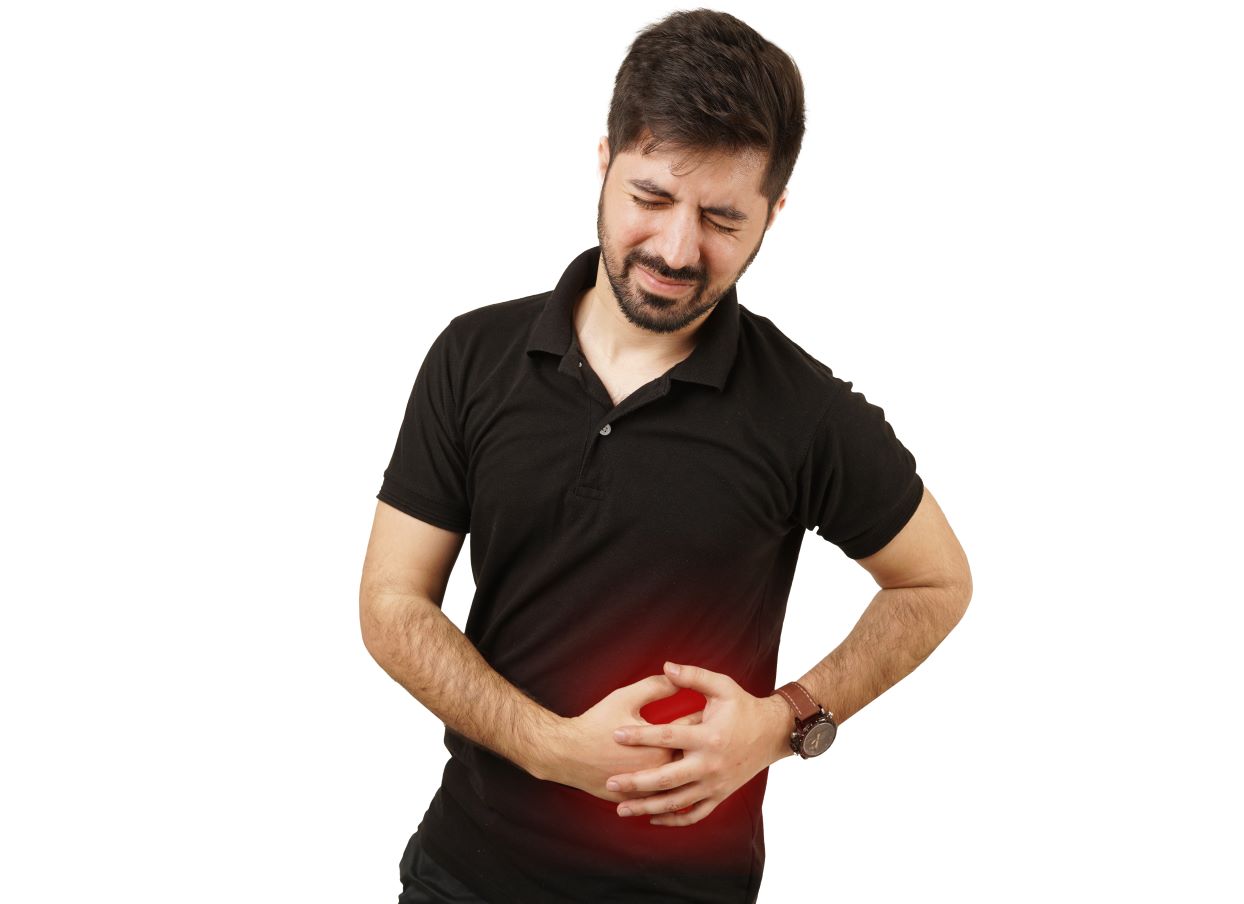
A person may experience bladder pain, pressure, urgency or frequent urination when a kidney stone moves from the kidney into the urinary tract and approaches the bladder.
The pain does not always mean that the stone is actually inside the bladder. A stone located in the lower part of the ureter, close to where the ureter enters the bladder, can irritate the urinary tract and create symptoms that feel like they are coming from the bladder.
This can be confusing because symptoms such as frequent urination, urgency and lower abdominal discomfort are also common in urinary tract infections and other bladder conditions.
The location and size of the stone, the degree of urinary obstruction and the presence or absence of infection are important when deciding on treatment.
At Prabhakar Bhurke Clinic, Dr. Sandip Prabhakar Bhurke, super specialist nephrologist and transplant physician, provides kidney-function evaluation and assessment for patients with kidney stones and related urinary concerns.
How Does a Kidney Stone Cause Pain Near the Bladder?
Kidney stones can form in the kidney and later move into the ureter, the tube that carries urine from the kidney to the bladder.
As a stone travels downward, it can cause pain in different locations.
A stone near the upper ureter may produce flank or side pain, while a stone that reaches the lower ureter may cause symptoms closer to the:
-
Lower abdomen
-
Pelvic area
-
Bladder region
-
Groin
-
Genital area
When a stone approaches the bladder, irritation of the lower urinary tract may cause a strong feeling of bladder pressure or urgency.
What Does Kidney Stone Bladder Pain Feel Like?
The experience varies from person to person.
Possible symptoms include:
-
Pressure in the lower abdomen
-
Pain above the pubic bone
-
A feeling of bladder fullness
-
Sudden urinary urgency
-
Frequent urination
-
Burning or discomfort while urinating
-
Pain that comes and goes
-
Sharp discomfort in the lower abdomen
-
Groin pain
-
Difficulty becoming comfortable because of urinary urgency
Some people may also experience flank pain at the same time.
The symptoms may change as the stone moves through the urinary tract.
Kidney Stone Near the Bladder: Common Symptoms
A stone in the lower ureter may produce symptoms that resemble a bladder problem.
Frequent Urination
A person may feel the need to urinate repeatedly, even when only a small amount of urine is passed.
Urinary Urgency
There may be a sudden, difficult-to-control urge to urinate.
Lower Abdominal Pressure
Pressure or discomfort may be felt in the area above the pubic bone.
Burning During Urination
Irritation caused by a stone can produce discomfort during urination.
However, burning can also be caused by a urinary infection.
Blood in the Urine
A stone may irritate the urinary tract and cause blood in the urine.
Blood may be visible or detected only through a urine test.
Groin Pain
Pain can radiate toward the groin as a stone moves lower in the ureter.
Is the Stone Actually Inside the Bladder?
Not always.
This is an important distinction.
A person can experience what feels like bladder pain even when the stone is still located in the ureter.
Once a stone reaches the bladder, it may pass naturally through the urethra, particularly if it is small enough.
However, some stones may remain in the bladder and cause symptoms or complications.
Imaging is needed to determine the exact location.
Can a Stone Inside the Bladder Cause Pain?
Yes.
A stone within the bladder may cause:
-
Lower abdominal discomfort
-
Pain while urinating
-
Frequent urination
-
Difficulty passing urine
-
Intermittent urine flow
-
Blood in urine
-
Recurrent urinary infections
The symptoms and treatment depend on the stone's size, number and underlying cause.
A stone within the bladder is not always the same as a kidney stone that has recently travelled down the ureter.
Kidney Stone Bladder Pain Versus Urinary Tract Infection
Kidney stones and urinary tract infections can produce similar symptoms.
| Symptom | Kidney Stone Near the Bladder | Urinary Tract Infection |
|---|---|---|
| Frequent urination | May occur | Common |
| Urinary urgency | May occur | Common |
| Burning urination | Possible | Common |
| Blood in urine | Possible | Possible |
| Lower abdominal discomfort | Possible | Common |
| Severe flank pain | Can occur | More suggestive of kidney involvement if present |
| Fever or chills | May suggest infection | May occur, especially with a more serious infection |
Symptoms alone cannot reliably distinguish a stone from an infection.
A urine test and, when necessary, imaging can help identify the cause.
What If a Kidney Stone and Infection Occur Together?
A stone can obstruct urine flow and create conditions that complicate a urinary infection.
Urinary obstruction combined with infection can become a medical emergency.
Warning signs include:
-
Fever
-
Chills
-
Severe flank or abdominal pain
-
Persistent vomiting
-
Very little urine
-
Severe weakness
-
Rapidly worsening health
Prompt medical assessment is necessary when these symptoms occur.
In some situations, the immediate priority may be to treat infection and restore urine drainage before definitive stone removal.
Can Kidney Stone Bladder Pain Cause Difficulty Urinating?
It can.
A stone close to the bladder or within the bladder may sometimes interfere with normal urinary flow.
A person may notice:
-
Difficulty starting urination
-
Interrupted urine flow
-
A weak stream
-
A feeling that the bladder has not emptied
-
Pain during urination
However, these symptoms can also occur because of other urinary conditions, including prostate enlargement in men or other causes of urinary obstruction.
The cause should be properly evaluated.
Why Does the Pain Move From the Back to the Bladder Area?
Kidney stone pain can change location as the stone moves.
A stone may initially cause pain in the:
-
Flank
-
Side of the back
-
Upper abdomen
As it travels downward through the ureter, pain may move toward the:
-
Lower abdomen
-
Pelvis
-
Groin
-
Bladder area
This change in pain location can be related to the stone's movement, but symptoms alone cannot confirm that the stone is progressing normally.
Imaging may be needed to determine the stone's location.
Can a Kidney Stone Cause Constant Bladder Pressure?
Yes, persistent bladder pressure can occur when a stone near the lower ureter repeatedly irritates the urinary tract.
However, constant bladder pressure can also occur with:
-
Urinary tract infection
-
Bladder inflammation
-
Bladder stones
-
Urinary retention
-
Other pelvic or urinary conditions
Persistent symptoms should therefore not automatically be attributed to a kidney stone.
How Is Kidney Stone Bladder Pain Diagnosed?
The diagnosis may involve a combination of symptoms, examination, laboratory testing and imaging.
Urine Examination
Urine tests may identify:
-
Blood
-
White blood cells
-
Infection
-
Crystals
-
Other abnormalities
A urine culture may be recommended if infection is suspected.
Blood Tests
Depending on the situation, testing may include:
-
Serum creatinine
-
eGFR
-
Electrolytes
-
Blood count
These tests can help determine whether kidney function has been affected or whether signs of infection are present.
Ultrasound
Ultrasound can help detect some stones and may identify kidney swelling caused by urinary obstruction.
CT Scan
A non-contrast CT scan can provide detailed information about:
-
Stone location
-
Stone size
-
Number of stones
-
Degree of obstruction
The appropriate imaging method depends on the patient's symptoms and clinical circumstances.
Treatment for Kidney Stone Pain Near the Bladder
Treatment depends on several factors, including:
-
Stone size
-
Exact location
-
Degree of obstruction
-
Severity of symptoms
-
Kidney function
-
Presence of infection
-
Overall health
Observation for Selected Small Stones
Some small ureteric stones may pass naturally.
During this period, a doctor may recommend monitoring and appropriate symptom management.
The patient should be given clear instructions about when to seek urgent medical attention.
Pain Management
Pain treatment should be individualized.
The choice of pain medicine depends on kidney function, hydration status and other medical conditions.
People with kidney disease should avoid repeated self-treatment without medical advice because some pain medicines can affect kidney function.
Medical Expulsive Therapy
In selected patients, doctors may prescribe medicines that can help facilitate the passage of certain ureteric stones.
Suitability depends on the stone and the patient's medical condition.
Ureteroscopy and Laser Treatment
If a stone does not pass, causes significant obstruction or produces persistent symptoms, ureteroscopy may be considered.
A thin instrument is passed through the natural urinary passage to reach the stone.
Laser energy can be used to fragment the stone into smaller pieces.
Other Stone Procedures
Depending on the stone's characteristics, other treatment approaches may include:
-
Shock wave lithotripsy
-
Other endoscopic procedures
-
Percutaneous procedures for selected stones
The appropriate method depends on the exact stone and urinary anatomy.
Can Drinking More Water Push the Stone Into the Bladder?
Drinking an appropriate amount of fluid is important for many people.
However, drinking excessive amounts of water does not guarantee that a stone will move or pass.
If a stone is causing significant obstruction, forcing excessive fluid intake may increase discomfort.
People with reduced kidney function or fluid restrictions should follow individualized medical advice.
How Long Does Bladder Pain Last When a Stone Is Moving?
There is no fixed duration.
The pain may improve as the stone moves or passes, but symptoms can continue if:
-
The stone remains in the ureter
-
Urinary obstruction persists
-
Infection develops
-
Another urinary condition is present
Follow-up imaging may be recommended to confirm stone passage or assess ongoing obstruction.
Can a Kidney Stone Cause Bladder Spasms?
Some people may describe strong urgency or sudden lower abdominal discomfort as bladder spasms.
A stone near the bladder can irritate the lower urinary tract and produce these sensations.
However, true bladder spasms and persistent urgency can also occur for other reasons.
Persistent symptoms should be medically evaluated.
When Is Kidney Stone Bladder Pain an Emergency?
Seek urgent medical care if pain is accompanied by:
-
Fever or chills
-
Persistent vomiting
-
Very little or no urine
-
Severe or uncontrolled pain
-
Severe weakness
-
Confusion
-
Rapidly worsening symptoms
-
Signs of severe infection
A suspected infected and obstructed urinary system requires urgent medical assessment.
Can Kidney Stone Bladder Pain Damage the Kidneys?
Pain itself does not necessarily damage the kidneys.
However, the condition causing the pain may affect kidney function.
Persistent urinary obstruction can increase pressure within the urinary system and potentially impair kidney function.
Recurrent infection can also create complications.
This is why stones associated with obstruction, infection or abnormal kidney-function tests should not be ignored.
How Can Future Stones Be Prevented?
Stone prevention depends on the type of stone and the person's individual risk factors.
General measures may include:
-
Maintaining appropriate fluid intake
-
Reducing excessive dietary sodium
-
Completing recommended metabolic testing
-
Analyzing a recovered stone when possible
-
Taking prescribed preventive medicines
-
Managing recurrent urinary infections
-
Attending follow-up appointments
People with recurrent stones should discuss individualized prevention strategies with their healthcare professional.
Kidney Stone Evaluation at Prabhakar Bhurke Clinic
At Prabhakar Bhurke Clinic, Dr. Sandip Prabhakar Bhurke, super specialist nephrologist and transplant physician, provides specialist evaluation for kidney stones and associated kidney-function concerns.
Depending on the patient's condition, evaluation may include:
-
Review of symptoms
-
Kidney-function assessment
-
Creatinine and eGFR testing
-
Urine examination
-
Assessment for infection
-
Review of ultrasound or CT findings
-
Evaluation of urinary obstruction
-
Assessment of recurrent stone risk
-
Kidney care following stone-related complications
-
Coordination with appropriate urology specialists when stone removal procedures are required
The treatment approach depends on the stone's exact location, size, obstruction status and the patient's overall health.
Frequently Asked Questions
Can a kidney stone cause bladder pain?
Yes. A kidney stone, especially when located in the lower ureter near the bladder, can cause lower abdominal pain, bladder pressure, urgency and frequent urination.
Why do I feel bladder pressure with a kidney stone?
A stone near the point where the ureter enters the bladder can irritate the lower urinary tract and create a sensation of pressure or urinary urgency.
Does bladder pain mean the kidney stone has reached the bladder?
No. Similar symptoms can occur when the stone is still in the lower ureter. Imaging is needed to confirm the exact location.
Can a kidney stone cause frequent urination?
Yes. A stone near the bladder can cause urinary urgency and frequent urination. However, these symptoms can also occur with infection and other bladder conditions.
Can a kidney stone and UTI occur together?
Yes. Stones can be associated with urinary infections. A urinary infection combined with obstruction requires urgent medical attention.
Can a stone near the bladder pass naturally?
Some small stones may pass naturally, but the likelihood depends on their size, location and the individual's urinary anatomy.
When should I seek urgent treatment?
Seek urgent medical care for fever, chills, severe pain, persistent vomiting, very little or no urine, severe weakness or rapidly worsening health.
Conclusion
Kidney stone bladder pain can occur when a stone moves through the ureter and approaches the bladder. The resulting symptoms may include lower abdominal discomfort, bladder pressure, urinary urgency, frequent urination and pain while passing urine.
However, these symptoms can also occur with urinary tract infections and other bladder conditions. For this reason, persistent bladder pain should not automatically be assumed to be caused by a kidney stone.
Urine testing, kidney-function tests and appropriate imaging can help determine whether a stone is present, where it is located and whether it is causing obstruction.
Prompt medical evaluation is especially important when pain occurs with fever, chills, persistent vomiting, reduced urine output or rapidly worsening symptoms.
For specialized kidney evaluation and kidney-function management related to urinary stones, consult Dr. Sandip Prabhakar Bhurke at Prabhakar Bhurke Clinic.
Medical Disclaimer
This article is intended for general educational and informational purposes only and should not be considered medical advice, diagnosis or treatment. Bladder pain, lower abdominal discomfort and urinary symptoms can be caused by kidney stones, urinary infections, bladder conditions and other medical problems. Symptoms alone cannot confirm the location or presence of a stone. Do not self-medicate with antibiotics, painkillers, stone-dissolving medicines, supplements or herbal remedies without professional guidance. Do not drink excessive amounts of water in an attempt to force a stone to pass. Seek urgent medical attention for fever, chills, severe or worsening pain, persistent vomiting, very little or no urine, confusion, severe weakness or rapidly deteriorating health. A suspected urinary infection with obstruction can require urgent treatment. Consult Dr. Sandip Prabhakar Bhurke or another qualified kidney or urinary stone specialist for an individualized diagnosis and treatment plan.