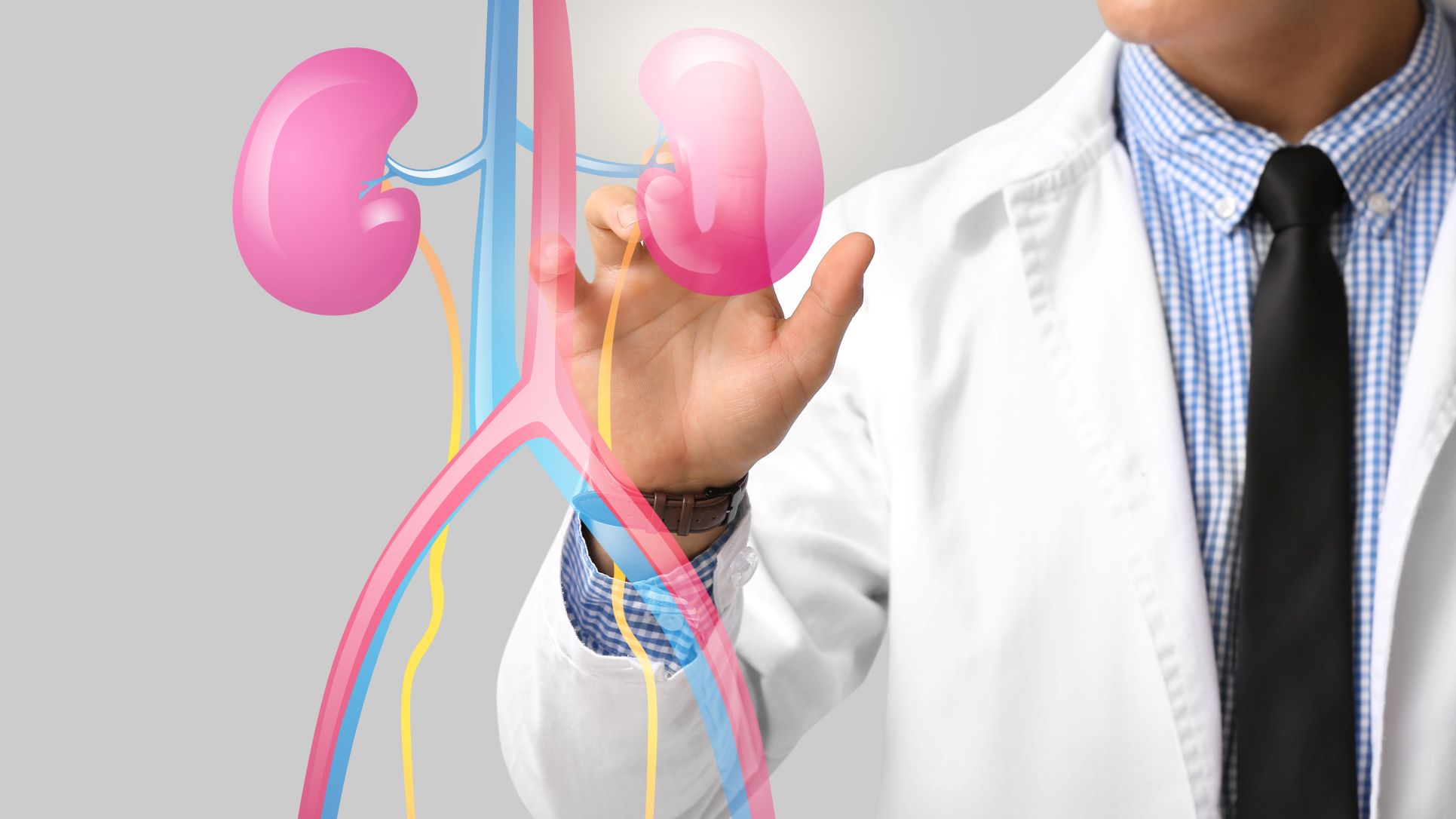
Struvite stones are a type of kidney stone commonly associated with certain urinary tract infections. They are sometimes called infection stones because bacteria that alter the chemistry of urine can contribute to their formation.
Struvite stones are primarily composed of minerals that may include magnesium, ammonium and phosphate. Unlike some other kidney stones, these stones can grow relatively quickly in certain patients and may become large enough to occupy a significant part of the kidney.
For this reason, struvite stones treatment usually involves more than simply managing pain or waiting for the stone to pass.
Treatment may require:
-
Identifying and treating the associated urinary infection
-
Assessing the size and location of the stone
-
Evaluating kidney function
-
Restoring urine drainage if obstruction is present
-
Removing the stone when appropriate
-
Monitoring for recurrent infection and stone formation
At Prabhakar Bhurke Clinic, Dr. Sandip Prabhakar Bhurke, super specialist nephrologist and transplant physician, provides specialist kidney evaluation for patients with kidney stones, recurrent urinary infections and kidney-function concerns.
Why Do Struvite Stones Form?
Struvite stones are usually associated with urinary infections caused by certain bacteria.
Some bacteria produce an enzyme called urease, which changes the chemical environment of the urine.
This can increase urine alkalinity and promote the formation of struvite crystals.
The development of infection stones may be influenced by:
-
Recurrent urinary tract infections
-
Persistent bacterial colonization
-
Urinary obstruction
-
Incomplete bladder emptying
-
Certain urinary tract abnormalities
-
Long-term urinary devices in selected patients
-
Other conditions that increase the risk of recurrent infection
Because the infection can continue to contribute to stone growth, identifying and managing both the infection and the stone is important.
What Are the Symptoms of Struvite Stones?
Struvite stones do not always cause symptoms during the early stages.
Some patients may have repeated urinary infections without realizing that a large stone is developing.
Possible symptoms include:
-
Flank or back pain
-
Recurrent urinary tract infections
-
Fever
-
Chills
-
Burning during urination
-
Frequent urination
-
Cloudy urine
-
Unpleasant-smelling urine
-
Blood in urine
-
Nausea
-
Vomiting
A large stone can sometimes cause relatively little pain if it develops gradually inside the kidney.
Therefore, the absence of severe pain does not always mean that the stone is harmless.
Can Struvite Stones Become Large?
Yes.
One important feature of struvite stones is that they can grow and, in some cases, form a staghorn stone.
A staghorn stone can occupy a large portion of the kidney's collecting system.
Large infection-related stones may increase the risk of:
-
Recurrent infection
-
Urinary obstruction
-
Kidney inflammation
-
Declining kidney function
-
Serious systemic infection
Prompt assessment is important when imaging identifies a large stone.
How Are Struvite Stones Diagnosed?
Doctors usually combine imaging, urine testing and clinical information to determine whether a stone may be related to infection.
Urine Examination and Urine Culture
Urine testing may identify:
-
White blood cells
-
Blood
-
Bacteria
-
Crystals
-
Other abnormalities
A urine culture can help identify bacteria and guide appropriate antimicrobial treatment.
However, a negative urine culture does not always completely exclude an infection-related stone, particularly if antibiotics have already been taken.
Blood Tests
Depending on the patient's condition, doctors may check:
-
Creatinine
-
eGFR
-
Blood count
-
Electrolytes
-
Markers of infection or inflammation
These tests help assess kidney function and the possible effects of infection.
Ultrasound
Ultrasound can detect many kidney stones and may identify:
-
Kidney swelling
-
Urinary obstruction
-
Larger stone burden
CT Scan
A non-contrast CT scan may provide detailed information about:
-
Stone size
-
Stone location
-
Number of stones
-
Stone burden
-
Kidney anatomy
-
Possible obstruction
Imaging helps the treating team plan the most appropriate stone-removal procedure.
Stone Analysis
When a stone or stone fragments are removed, laboratory analysis may help determine its composition.
This information can support long-term prevention planning.
What Is the Main Goal of Struvite Stones Treatment?
The main treatment goal is generally to address both the infection and the stone burden.
Treating only the symptoms may not be enough.
Important parts of management may include:
-
Controlling the urinary infection
-
Ensuring adequate urine drainage
-
Removing significant stone material when appropriate
-
Monitoring kidney function
-
Reducing the risk of recurrent infection and stones
Because residual infected stone fragments may potentially act as a site for persistent stone formation or infection, follow-up is particularly important.
Antibiotics for Struvite Stones
Antibiotics may be used when a urinary infection is present or when antimicrobial treatment is clinically indicated.
The appropriate antibiotic depends on factors such as:
-
Urine culture results
-
Type of bacteria
-
Antibiotic sensitivity
-
Kidney function
-
Allergies
-
Severity of infection
-
Previous antibiotic exposure
Antibiotics alone generally do not remove a large struvite stone.
They may help treat the infection, but definitive stone management may still be necessary.
Patients should not start or repeat antibiotics without appropriate medical advice.
Is Surgery Needed for Struvite Stones?
Many significant struvite stones require an active stone-removal procedure.
The procedure selected depends on:
-
Stone size
-
Stone location
-
Total stone burden
-
Kidney anatomy
-
Degree of obstruction
-
Presence of infection
-
Kidney function
-
Overall medical condition
The aim may be to remove as much stone material as safely possible.
PCNL for Struvite Stones
Percutaneous nephrolithotomy (PCNL) is commonly considered for large kidney stones, including selected large infection-related stones.
During PCNL, a small access tract is created through the skin into the kidney.
Specialized instruments can then be used to fragment and remove stone material.
PCNL may be particularly useful when:
-
The stone is large
-
Multiple stones are present
-
A staghorn stone is present
-
The stone occupies a significant portion of the kidney
Some patients may require staged procedures depending on the amount and complexity of stone material.
Flexible Ureteroscopy and Laser Treatment
For selected struvite stones, ureteroscopy with laser lithotripsy may be considered.
A small instrument is passed through the natural urinary tract to reach the stone.
Laser energy may be used to break the stone into smaller fragments.
The fragments may then be removed or allowed to pass, depending on the clinical situation.
For large or complex stones, ureteroscopy may require more than one session.
Can ESWL Treat Struvite Stones?
Extracorporeal shock wave lithotripsy (ESWL) uses externally generated shock waves to fragment selected stones.
Its suitability for struvite stones depends on:
-
Stone size
-
Location
-
Stone burden
-
Kidney anatomy
-
Likelihood of achieving adequate clearance
Large infection stones may not be ideal candidates for ESWL alone because significant residual fragments can remain.
The treating specialist will determine whether ESWL has a role in the treatment plan.
Why Complete Stone Clearance Can Be Important
Struvite stones are different from many uncomplicated stones because residual stone material may potentially contribute to continued infection and further stone growth.
For this reason, treatment planning often aims for substantial or complete stone clearance when it can be achieved safely.
However, the safest treatment approach depends on the patient's anatomy, kidney function and overall medical condition.
Some patients may require more than one procedure.
What Happens If a Struvite Stone Causes Obstruction and Infection?
An obstructed urinary tract with infection can be a medical emergency.
Warning signs may include:
-
Fever
-
Chills
-
Severe flank pain
-
Persistent vomiting
-
Very little urine
-
Confusion
-
Severe weakness
-
Rapid deterioration
In such situations, urgent treatment may be required to control the infection and establish urine drainage.
Temporary drainage may sometimes involve:
-
A ureteral stent
-
A nephrostomy tube
Definitive stone removal may be planned after the infection has been appropriately managed and the patient's condition is stabilized.
Can Struvite Stones Damage the Kidneys?
They can potentially affect kidney health, especially when associated with:
-
Persistent infection
-
Recurrent obstruction
-
Large stone burden
-
Staghorn stone formation
-
Delayed treatment
Possible complications can include reduced kidney function and repeated infections.
Kidney-function monitoring may therefore be an important part of treatment.
Can Struvite Stones Be Dissolved With Medicine?
There is no simple home medicine that reliably dissolves all struvite stones.
Treatment generally focuses on controlling infection and removing significant stone material when appropriate.
Do not use unverified "stone-dissolving" medicines or herbal preparations without professional guidance.
These products may delay effective treatment or cause additional health problems.
Can Drinking More Water Remove Struvite Stones?
Adequate fluid intake can be important for overall urinary health and prevention of some types of stones.
However, drinking excessive amounts of water does not reliably remove an established struvite stone, particularly a large stone.
If obstruction or reduced kidney function is present, fluid recommendations should be individualized.
How Can Struvite Stones Be Prevented From Returning?
Prevention usually focuses on reducing the conditions that support recurrent infection and stone formation.
The long-term plan may include:
-
Appropriate treatment of urinary infections
-
Follow-up urine testing when recommended
-
Follow-up imaging
-
Assessment for urinary obstruction
-
Management of underlying urinary tract abnormalities
-
Removal of significant residual stone material when appropriate
-
Individualized fluid recommendations
-
Regular kidney-function monitoring in selected patients
People with recurrent stones may benefit from a more detailed evaluation.
What Is the Role of Follow-Up After Treatment?
Follow-up is particularly important after treatment for infection-related stones.
The doctor may recommend:
-
Follow-up imaging
-
Urine testing
-
Urine culture when clinically indicated
-
Kidney-function testing
-
Monitoring for recurrent symptoms
The purpose is to identify recurrent infection, residual stones or new stone formation early.
When Should You Seek Urgent Medical Attention?
Seek urgent medical care if a suspected or known kidney stone is associated with:
-
Fever or chills
-
Severe flank pain
-
Persistent vomiting
-
Very little or no urine
-
Confusion
-
Severe weakness
-
Difficulty remaining hydrated
-
Rapidly worsening illness
These symptoms can indicate a serious infection, urinary obstruction or other complication.
Struvite Stone Evaluation at Prabhakar Bhurke Clinic
At Prabhakar Bhurke Clinic, Dr. Sandip Prabhakar Bhurke, super specialist nephrologist and transplant physician, provides specialist evaluation for patients with kidney stones, recurrent urinary infections and kidney-function concerns.
Depending on the clinical situation, evaluation may include:
-
Review of ultrasound or CT scan findings
-
Kidney-function assessment
-
Creatinine and eGFR evaluation
-
Urine examination
-
Urine culture review
-
Assessment for urinary obstruction
-
Evaluation of recurrent urinary infections
-
Assessment of stone-related kidney complications
-
Guidance regarding kidney protection
-
Coordination with appropriate urological specialists for stone-removal procedures when required
-
Follow-up kidney-function monitoring
Treatment is individualized according to the stone burden, infection status, kidney function and overall health of the patient.
Frequently Asked Questions About Struvite Stones Treatment
What is the best treatment for struvite stones?
Treatment usually involves managing the associated urinary infection and considering removal of significant stone material. The best procedure depends on the size, location and complexity of the stone.
Can antibiotics dissolve struvite stones?
Antibiotics may treat an associated bacterial infection, but they generally do not remove an established large struvite stone.
Do struvite stones require surgery?
Many significant struvite stones require an active removal procedure. PCNL, ureteroscopy with laser treatment and other approaches may be considered depending on the stone characteristics.
What is a staghorn struvite stone?
A staghorn stone is a large stone that occupies a significant portion of the kidney's collecting system. Some struvite stones can grow into this shape.
Can struvite stones cause kidney failure?
Large or recurrent infection stones can potentially damage kidney function, particularly when associated with persistent infection or obstruction. Early evaluation and appropriate treatment are important.
Can struvite stones come back?
Yes. Recurrence can occur if conditions contributing to recurrent urinary infection or stone formation continue. Follow-up and prevention are important.
Are struvite stones painful?
Some can cause flank pain, but others may grow gradually with relatively few symptoms. Recurrent urinary infections may be an important warning sign.
Conclusion
Struvite stones require careful treatment because they are commonly associated with urinary infections and may grow into large or complex kidney stones.
Successful struvite stones treatment often involves identifying and managing infection, assessing kidney function and considering appropriate stone removal.
Antibiotics can be important when infection is present, but antibiotics alone usually do not remove a large established stone.
Depending on the stone size and location, treatment may involve PCNL, ureteroscopy with laser lithotripsy, ESWL in selected situations or staged procedures.
Prompt medical assessment is particularly important when a kidney stone is associated with fever, chills, severe pain, vomiting, reduced urine output or signs of serious infection.
For specialist kidney evaluation and management of stone-related kidney-function concerns, consult Dr. Sandip Prabhakar Bhurke at Prabhakar Bhurke Clinic.
Medical Disclaimer
This article is intended for general educational and informational purposes only and should not be considered medical advice, diagnosis or treatment. Struvite stones are often associated with urinary tract infections, but the appropriate treatment depends on the patient's infection status, stone size, location, stone burden, kidney function, urinary anatomy and overall health. Do not self-medicate with antibiotics, painkillers, supplements or herbal remedies without professional medical guidance. Antibiotics do not necessarily remove an established kidney stone, and delaying appropriate treatment may increase the risk of complications. Fever, chills, severe flank pain, persistent vomiting, very little or no urine, confusion or rapidly worsening health may indicate a serious infection or urinary obstruction requiring urgent medical attention. Consult Dr. Sandip Prabhakar Bhurke or another qualified kidney or urinary stone specialist for an individualized diagnosis and treatment plan.