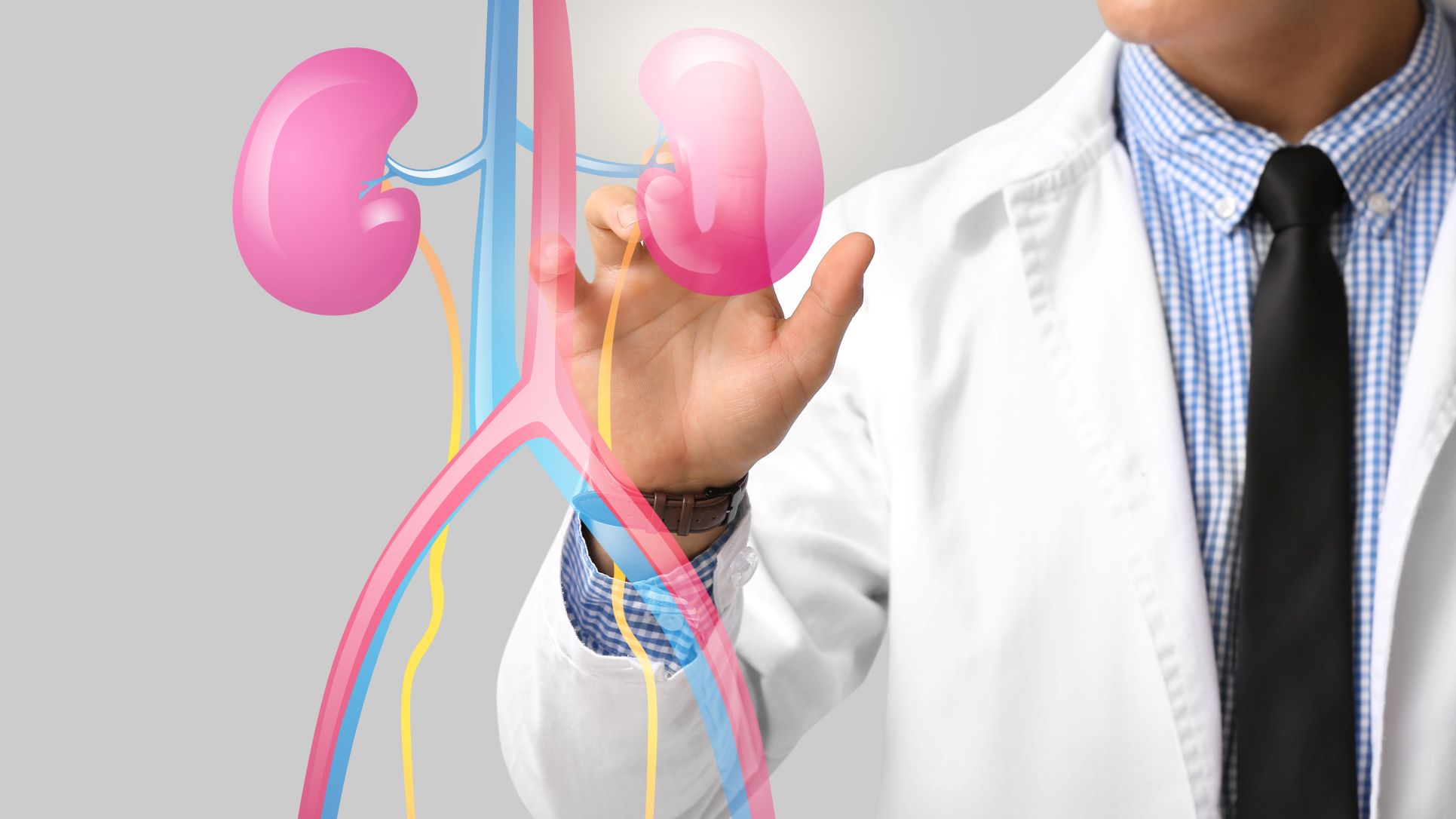
People who regularly take medicines for acidity, heartburn or acid reflux may eventually search for “PPI kidney damage reversible” after seeing an abnormal kidney-function test.
PPI stands for proton pump inhibitor. These medicines reduce stomach acid and include commonly prescribed drugs such as omeprazole, pantoprazole and esomeprazole.
PPIs are useful medicines for several acid-related digestive conditions. However, like all medicines, they can have potential adverse effects, and kidney-related problems have been reported in some people.
The important question is whether kidney dysfunction associated with a PPI can improve.
In some situations, kidney function may improve after a PPI-related kidney problem is recognized and appropriately treated. The possibility of recovery depends on the type of kidney injury, how quickly it is identified, the person's underlying health and whether permanent kidney damage has occurred.
An elevated creatinine level should therefore not automatically be attributed to a PPI, nor should a prescribed PPI be stopped without medical advice.
At Prabhakar Bhurke Clinic, Dr. Sandip Prabhakar Bhurke, super specialist nephrologist and transplant physician, evaluates patients with abnormal kidney-function tests and suspected medication-related kidney problems.
What Are PPIs?
Proton pump inhibitors are medicines that reduce the production of stomach acid.
They are commonly used for conditions such as:
-
Gastroesophageal reflux disease
-
Frequent heartburn
-
Peptic ulcer disease
-
Acid-related stomach disorders
-
Certain infections requiring acid suppression as part of treatment
-
Prevention of gastrointestinal injury in selected patients
Examples include:
-
Omeprazole
-
Pantoprazole
-
Esomeprazole
-
Lansoprazole
-
Rabeprazole
The specific medicine, dose and duration depend on the medical indication.
How Can PPIs Affect the Kidneys?
The relationship between PPIs and kidney problems is not the same in every patient.
One recognized kidney-related complication is acute interstitial nephritis, an inflammatory reaction affecting the kidney's interstitial tissue.
Medication-associated interstitial nephritis can reduce kidney function and cause creatinine to rise.
In some patients, stopping the responsible medicine under medical supervision and treating the kidney inflammation can lead to improvement.
However, recovery is not guaranteed in every case.
Long-term PPI use has also been associated in observational research with certain kidney outcomes, including chronic kidney disease. Such associations do not necessarily prove that the PPI directly caused chronic kidney disease in every person.
This distinction is important because many people taking PPIs also have other health conditions and medications that can influence kidney function.
PPI Kidney Damage Reversible: What Determines Recovery?
Whether kidney injury improves depends on several factors.
1. Type of Kidney Injury
Temporary kidney dysfunction caused by an acute process may have a greater possibility of recovery than established chronic kidney scarring.
2. How Quickly the Problem Is Recognized
If a medication-related kidney injury is identified early, appropriate treatment may help limit ongoing damage.
3. Duration of the Injury
Prolonged kidney inflammation or injury may result in incomplete recovery.
4. Existing Kidney Disease
People who already have reduced kidney function may have less renal reserve.
5. Other Medical Conditions
Diabetes, high blood pressure, dehydration, infections and cardiovascular problems can influence kidney recovery.
Therefore, there is no fixed number of days or weeks in which every PPI-related kidney problem will return to normal.
What Is PPI-Associated Acute Interstitial Nephritis?
Acute interstitial nephritis (AIN) is an inflammatory condition affecting structures between the kidney tubules.
Medications are among the possible causes of AIN, and PPIs are recognized as one medication class associated with this condition.
The presentation can vary considerably.
Possible findings include:
-
Rising serum creatinine
-
Reduced kidney function
-
Changes in urine
-
Fatigue
-
Nausea
-
Reduced urine output in some cases
The classic combination of fever, rash and increased eosinophils is not present in every patient.
This means medication-related kidney inflammation cannot be ruled out simply because these symptoms are absent.
Can a PPI Cause High Creatinine?
A PPI may be associated with an increase in creatinine when it causes kidney injury such as acute interstitial nephritis.
However, high creatinine does not prove that a PPI is responsible.
Creatinine can increase because of many other conditions, including:
-
Dehydration
-
Acute kidney injury from another cause
-
Chronic kidney disease
-
Urinary obstruction
-
Severe infection
-
Certain other medicines
-
Low blood pressure
-
Other acute illnesses
Doctors therefore need to investigate the complete clinical picture before deciding whether a PPI is contributing to kidney dysfunction.
What If Creatinine Increased After Starting a PPI?
A temporal relationship can be an important clue, but it is not enough to establish causation.
If creatinine increases after a person begins or continues a PPI, the doctor may review:
-
Previous creatinine values
-
Current creatinine
-
eGFR
-
Urine examination
-
Medication history
-
Recent illnesses
-
Fluid status
-
Blood pressure
-
Other medications
-
Imaging when appropriate
The timing of the kidney-function change and the presence of other possible causes can help guide the evaluation.
Should You Stop a PPI If You Have Kidney Problems?
Do not stop a prescribed PPI on your own.
The medicine may have been prescribed for an important gastrointestinal condition, and suddenly stopping treatment may not be appropriate for everyone.
If a doctor suspects that a PPI is contributing to kidney injury, they may decide to:
-
Stop the medicine
-
Replace it with another treatment when appropriate
-
Adjust the treatment plan
-
Monitor kidney function
-
Investigate another cause of kidney dysfunction
-
Treat kidney inflammation if indicated
The decision should be individualized.
How Do Doctors Check for PPI-Related Kidney Damage?
There is no single test that can prove that a PPI caused kidney injury.
A nephrologist may use several pieces of information.
Blood Tests
Testing may include:
-
Serum creatinine
-
eGFR
-
Urea
-
Electrolytes
-
Complete blood count
-
Other tests depending on the suspected diagnosis
Urine Examination
Urinalysis may provide clues about kidney inflammation or other kidney disorders.
The doctor may evaluate:
-
Blood
-
Protein
-
White blood cells
-
Other urine abnormalities
Medication Review
A detailed review of prescription medicines, over-the-counter medicines, painkillers, antibiotics and supplements can be important.
A person may be taking several medications that could potentially affect kidney function.
Imaging
Ultrasound or other imaging may be recommended when obstruction or another structural problem needs to be excluded.
Kidney Biopsy
In selected cases where the diagnosis remains uncertain and the result would change management, a kidney biopsy may be considered.
A biopsy is not required for every person with elevated creatinine.
Can Kidney Function Return to Normal After PPI-Related Injury?
It can in some cases, but not always.
If the kidney problem is an acute medication-related injury and treatment is started promptly, kidney function may improve.
The improvement can range from partial to substantial.
Some patients may return close to their previous kidney function, while others may have residual impairment.
If the kidneys have developed permanent scarring, complete normalization may not be possible.
This is why the question “Is PPI kidney damage reversible?” cannot be answered simply with yes or no.
The underlying kidney lesion matters.
How Long Does Recovery Take?
There is no universal recovery timeline.
Some medication-related kidney injuries begin improving after the suspected medicine is withdrawn and the underlying problem is treated.
In other patients, kidney recovery may take considerably longer.
The treating nephrologist may monitor:
-
Creatinine trend
-
eGFR
-
Urine findings
-
Electrolytes
-
Urine output
-
Symptoms
Repeated testing is often more informative than relying on one creatinine measurement.
What Happens If Kidney Function Does Not Fully Recover?
Incomplete recovery does not necessarily mean that kidney failure will immediately develop.
Some patients may be left with a degree of chronic kidney impairment that can be monitored and managed.
Depending on the situation, long-term care may involve:
-
Blood-pressure management
-
Diabetes control
-
Medication review
-
Monitoring eGFR
-
Urine albumin or protein testing
-
Avoiding unnecessary kidney-harming medicines
-
Individualized dietary advice
-
Regular nephrology follow-up
The objective is to protect the kidney function that remains.
Does Long-Term PPI Use Always Cause Kidney Disease?
No.
Millions of people use PPIs, and the presence of a PPI prescription does not mean that a person will develop kidney disease.
Research has reported associations between long-term PPI use and some kidney outcomes, but observational associations can be influenced by other health factors.
Therefore, PPIs should not automatically be considered the cause of every elevated creatinine result.
The medication should be used when clinically appropriate, at the appropriate dose and for the appropriate duration, with medical review when long-term therapy is necessary.
PPI Use and Chronic Kidney Disease
Chronic kidney disease develops when kidney abnormalities persist over time.
A person taking a PPI who develops CKD should not automatically assume that the medicine caused it.
Doctors may investigate other contributors, including:
-
Diabetes
-
Hypertension
-
Previous acute kidney injury
-
Glomerular diseases
-
Recurrent obstruction
-
Kidney stones
-
Cardiovascular conditions
-
Other medications
-
Family history
-
Other kidney disorders
If a PPI is suspected to be contributing, the doctor can review whether continued therapy remains appropriate.
Can Kidney Damage from PPIs Be Prevented?
Medication safety is an important part of kidney care.
Helpful measures include:
Use PPIs for an Appropriate Reason
Take the medicine only when there is a medical indication.
Review Long-Term Therapy
If a PPI has been used for a prolonged period, ask the prescribing doctor whether continued treatment is still necessary.
Tell Doctors About Kidney Problems
If you already have CKD or previously abnormal kidney tests, make sure your healthcare providers know.
Review Other Medicines
Painkillers, antibiotics and other medicines can also influence kidney function in certain situations.
Do Not Self-Medicate
Using acid-reducing medicines for prolonged periods without medical guidance is not advisable.
Should You Drink More Water to Reverse PPI Kidney Damage?
There is no evidence that simply drinking excessive amounts of water reverses medication-related kidney inflammation.
If dehydration is contributing to kidney dysfunction, appropriate fluid replacement may be helpful.
However, excessive fluid can be harmful in some people, particularly those with advanced kidney disease, heart conditions or fluid restrictions.
Hydration should therefore be individualized.
What About Herbal Remedies for PPI Kidney Damage?
There is no reliable herbal remedy proven to reverse PPI-associated kidney injury.
Products promoted as:
-
Kidney cleansers
-
Detox drinks
-
Herbal kidney tonics
-
Creatinine-lowering remedies
should be approached cautiously.
Some supplements may contain ingredients that can interact with medicines or potentially affect kidney function.
If kidney function is abnormal, discuss supplements with a qualified healthcare professional before using them.
Can Diet Help the Kidneys Recover?
Diet can support overall kidney health, but there is no special food that directly reverses medication-related kidney inflammation.
Depending on kidney function, a healthcare professional may recommend adjustments to:
-
Sodium
-
Protein
-
Potassium
-
Phosphorus
-
Fluid intake
Dietary requirements differ between patients.
For example, someone with normal kidney function may not need the same dietary restrictions as someone with advanced CKD.
Can PPI Kidney Damage Require Dialysis?
Severe acute kidney injury can occasionally lead to complications requiring temporary dialysis.
However, PPI use does not automatically mean dialysis will be required.
Dialysis decisions depend on the severity of kidney dysfunction and complications such as:
-
Severe fluid overload
-
Dangerous potassium elevation
-
Significant metabolic acidosis
-
Uremic complications
-
Certain severe toxin-related conditions
-
Other life-threatening complications
Creatinine alone does not determine whether dialysis should begin.
What Symptoms Should Prompt Medical Evaluation?
A person taking a PPI should seek medical evaluation if kidney-function tests become abnormal or if concerning symptoms develop.
Possible warning signs include:
-
Noticeably reduced urine output
-
Swelling of the legs or face
-
Persistent nausea
-
Unusual fatigue
-
Breathlessness
-
Blood in urine
-
New or worsening high blood pressure
-
Rapidly worsening health
These symptoms can have many causes and should not automatically be blamed on the PPI.
When Is It an Emergency?
Seek urgent medical attention for:
-
Very little or no urine
-
Severe breathlessness
-
Chest pain
-
Confusion
-
Severe swelling
-
Persistent vomiting with dehydration
-
Rapid deterioration
-
Severe weakness associated with worsening kidney function
These symptoms may indicate serious kidney or systemic complications.
PPI Kidney Damage Reversible: What Should You Do Next?
If you are concerned that a PPI may be affecting your kidneys, a practical approach is:
Step 1: Do not panic or stop prescribed medication without medical advice.
Step 2: Obtain previous and current kidney-function reports if available.
Step 3: Review all medicines and supplements with your doctor.
Step 4: Check creatinine, eGFR and urine findings as clinically recommended.
Step 5: Look for other causes of kidney dysfunction.
Step 6: If medication-related kidney injury is suspected, allow the treating physician to decide whether the PPI should be discontinued or changed.
Step 7: Continue follow-up testing to determine whether kidney function improves.
This approach is more reliable than attempting to reverse creatinine elevation through home remedies.
Kidney Evaluation at Prabhakar Bhurke Clinic
At Prabhakar Bhurke Clinic, Dr. Sandip Prabhakar Bhurke, super specialist nephrologist and transplant physician, provides individualized assessment for patients with abnormal kidney function and suspected medication-related kidney problems.
Depending on the clinical situation, evaluation may include:
-
Review of previous and current creatinine levels
-
eGFR assessment
-
Urine examination
-
Medication and supplement review
-
Assessment for acute kidney injury
-
Evaluation for chronic kidney disease
-
Blood-pressure assessment
-
Electrolyte evaluation
-
Imaging review when indicated
-
Follow-up of kidney recovery
When a medication may be contributing to kidney dysfunction, treatment decisions are made according to the patient's overall medical condition and the need for the medicine.
Frequently Asked Questions
Is PPI kidney damage reversible?
In some cases, kidney dysfunction associated with a PPI may improve after the underlying kidney injury is recognized and appropriately treated. Complete recovery is not guaranteed and depends on the type and severity of kidney damage.
Which PPI is most harmful to the kidneys?
There is no simple answer that one PPI is universally the most harmful. Different PPIs have been associated with kidney-related adverse effects, and individual risk depends on health conditions, other medicines and duration of use.
Can omeprazole cause kidney damage?
Omeprazole has been associated with kidney problems, including rare cases of acute interstitial nephritis. However, an elevated creatinine in someone taking omeprazole does not automatically mean omeprazole caused the kidney problem.
Can pantoprazole affect kidney function?
Pantoprazole, like other PPIs, has been associated with kidney-related adverse effects in some patients. If kidney function changes during treatment, medical evaluation is appropriate.
Should I stop pantoprazole if my creatinine is high?
Do not stop it independently. A doctor should determine whether pantoprazole is contributing to the kidney problem and whether an alternative treatment is appropriate.
How long does PPI-related kidney injury take to recover?
Recovery varies significantly. Some patients improve after appropriate treatment, while others may have incomplete recovery. Serial kidney-function testing helps determine the recovery pattern.
Can PPI use cause chronic kidney disease?
Long-term PPI use has been associated with CKD in observational studies, but association does not establish that PPIs directly cause CKD in every patient. Other risk factors must be considered.
Does high creatinine mean permanent PPI kidney damage?
No. High creatinine can have many causes, and some acute kidney injuries are reversible. Further evaluation is needed to determine the cause and severity.
Conclusion
The search term “PPI kidney damage reversible” reflects an important concern for people taking proton pump inhibitors who develop abnormal kidney-function tests.
The key point is that PPI-associated kidney injury can sometimes improve, particularly when an acute medication-related problem is identified and treated appropriately. However, recovery depends on the type of kidney injury, severity, duration, existing kidney health and other medical conditions.
An elevated creatinine level should never automatically be attributed to a PPI. Dehydration, acute kidney injury, chronic kidney disease, urinary obstruction, infections and other medicines can also affect kidney function.
If you take a PPI and notice a change in creatinine, eGFR or urine findings, discuss the results with your doctor rather than stopping the medicine or trying an unproven kidney detox.
For specialist evaluation of medication-related kidney problems and abnormal kidney function, Prabhakar Bhurke Clinic provides nephrology care under Dr. Sandip Prabhakar Bhurke, super specialist nephrologist and transplant physician.
Medical Disclaimer
This article is intended for general educational and informational purposes only and should not be considered a substitute for medical diagnosis, treatment or professional advice. Proton pump inhibitors can be useful medicines for appropriate gastrointestinal conditions, and kidney problems associated with their use are not inevitable. Some medication-related kidney injuries may improve after appropriate medical management, while other kidney damage may be incomplete or permanent. Do not stop, restart or change a prescribed PPI or any other medication without consulting your healthcare professional. Do not use herbal remedies, supplements or excessive water intake to attempt to reverse kidney damage. If you experience very little or no urine, severe breathlessness, chest pain, confusion, severe swelling, persistent vomiting or rapidly worsening symptoms, seek urgent medical attention. Consult Dr. Sandip Prabhakar Bhurke or another qualified nephrologist for individualized evaluation and treatment.