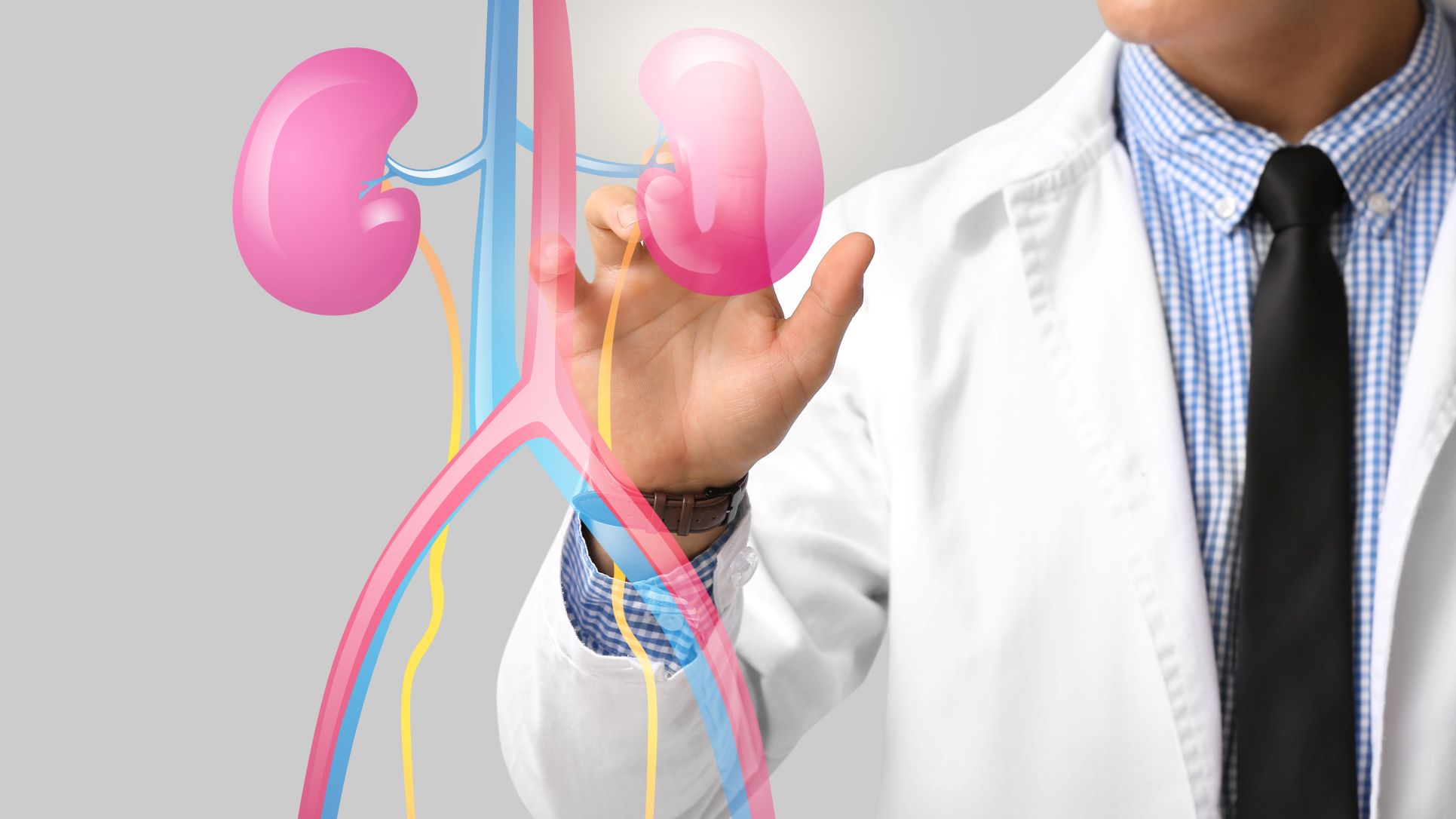
GFR, or glomerular filtration rate, is an estimate of how efficiently the kidneys filter blood.
Because GFR is estimated rather than directly measured in routine practice, it is commonly reported as eGFR, or estimated glomerular filtration rate.
A low eGFR can indicate reduced kidney filtration, but the result needs to be interpreted in context.
A lower GFR can occur because of:
-
Chronic kidney disease
-
Acute kidney injury
-
Dehydration
-
Urinary obstruction
-
Certain medicines
-
Reduced blood flow to the kidneys
-
Other kidney disorders
One isolated low GFR result does not necessarily establish permanent kidney disease.
The first step in low GFR treatment is therefore to determine why the GFR is low and whether the change is temporary or persistent.
At Prabhakar Bhurke Clinic, Dr. Sandip Prabhakar Bhurke, super specialist nephrologist and transplant physician, provides individualized evaluation and treatment planning for patients with reduced kidney function.
Can a Low GFR Be Improved?
Sometimes.
Whether GFR can improve depends heavily on the underlying cause.
For example, kidney filtration may improve after treatment of certain reversible problems such as:
-
Dehydration
-
Acute infection
-
Urinary obstruction
-
Some medication-related kidney injuries
-
Certain episodes of acute kidney injury
In established chronic kidney disease, the goal is often different.
Treatment may aim to:
-
Slow further decline
-
Protect remaining kidney function
-
Reduce protein loss in urine
-
Control blood pressure
-
Manage diabetes
-
Treat complications
-
Reduce cardiovascular risk
Therefore, there is no universal medicine that simply increases GFR in every patient.
Why Did My GFR Become Low?
A reduced GFR can have many possible explanations.
Chronic Kidney Disease
Long-term damage to the kidneys can progressively reduce filtration.
Common causes include:
-
Diabetes
-
High blood pressure
-
Glomerular diseases
-
Inherited kidney disorders
-
Recurrent kidney injury
-
Other chronic medical conditions
Acute Kidney Injury
A sudden fall in kidney function can cause eGFR to decrease.
Possible triggers include:
-
Severe dehydration
-
Infection
-
Low blood pressure
-
Certain medicines
-
Urinary blockage
-
Major illness
In some cases, kidney function can recover substantially after the underlying problem is treated.
Urinary Obstruction
A blocked urinary tract can interfere with kidney drainage and reduce kidney function.
Kidney stones, prostate enlargement, narrowing of the urinary tract and other conditions can cause obstruction.
When obstruction is responsible, restoring urine flow may help kidney function recover depending on the duration and severity of the blockage.
Low GFR Treatment Starts With Confirming the Result
Doctors generally do not decide treatment from an eGFR number alone.
They may review:
-
Previous eGFR results
-
Serum creatinine
-
Urine albumin
-
Urinalysis
-
Blood pressure
-
Diabetes status
-
Medication history
-
Imaging findings
-
Symptoms
-
Other blood-test results
Comparing current and previous results can be particularly useful.
A stable reduced eGFR may represent chronic kidney disease, while a sudden decline may require evaluation for acute kidney injury or another reversible cause.
Understanding GFR Categories
For adults, eGFR is commonly categorized approximately as:
| GFR Category | eGFR |
|---|---|
| G1 | 90 or higher |
| G2 | 60–89 |
| G3a | 45–59 |
| G3b | 30–44 |
| G4 | 15–29 |
| G5 | Less than 15 |
These categories describe the level of kidney filtration, but eGFR alone does not tell the entire story.
For example, an eGFR between 60 and 89 does not automatically mean chronic kidney disease. Evidence of kidney damage, such as persistent albuminuria, and the duration of the abnormality are also important.
Similarly, a person with a reduced eGFR does not automatically need dialysis.
Low GFR Treatment According to the Cause
There is no single treatment for every low GFR result.
If Dehydration Is Responsible
Appropriate correction of fluid loss may help kidney function recover.
However, people with advanced kidney disease, heart failure or fluid restrictions should not increase water intake without medical advice.
If an Infection Is Responsible
The underlying infection may need appropriate treatment.
Severe infections can affect blood pressure and kidney function, making prompt medical care important.
If a Medicine Is Affecting Kidney Function
The treating doctor may review current medicines and determine whether a dose adjustment, substitution or temporary discontinuation is appropriate.
Patients should not stop prescribed medicines independently.
If Urinary Obstruction Is Present
The blockage may need to be relieved.
Depending on the cause, treatment may involve management of a kidney stone, prostate-related obstruction, ureteral narrowing or another structural problem.
If Chronic Kidney Disease Is Present
Treatment focuses on the specific cause and on reducing the risk of further kidney damage.
Medicines Used When GFR Is Low
There is no universal “low GFR medicine.”
Instead, medicines are selected according to the underlying disease and the patient's laboratory results.
Depending on the situation, treatment may include medicines for:
-
High blood pressure
-
Diabetes
-
Albuminuria
-
Fluid overload
-
Anemia
-
Mineral and bone abnormalities
-
High cholesterol
-
Other complications of kidney disease
Some kidney-protective medicines may be appropriate even when eGFR is reduced, but their use requires consideration of factors such as potassium, blood pressure and the specific diagnosis.
Medication doses may also need adjustment when kidney function is reduced because some medicines are eliminated through the kidneys.
Can Blood Pressure Treatment Help Protect GFR?
Yes.
High blood pressure can damage the kidneys and accelerate kidney-function decline.
Appropriate blood-pressure management is therefore an important component of kidney care.
Depending on the patient's condition, doctors may use medicines that also reduce albumin loss in the urine.
The appropriate blood-pressure target and medicine depend on the patient's age, kidney disease, urine albumin, cardiovascular health and other factors.
Low GFR and Diabetes Treatment
Diabetes is one of the major causes of chronic kidney disease.
If diabetes is contributing to reduced kidney function, management may involve:
-
Individualized glucose control
-
Monitoring eGFR
-
Monitoring urine albumin
-
Blood-pressure management
-
Appropriate kidney-protective treatment
-
Cholesterol and cardiovascular risk management
Some diabetes medicines require dose adjustment or avoidance at particular levels of kidney function.
Treatment should therefore be individualized rather than based on the GFR number alone.
What Should You Eat With a Low GFR?
There is no single low-GFR diet suitable for everyone.
Dietary recommendations depend on:
-
eGFR
-
Urine albumin
-
Potassium level
-
Phosphorus level
-
Blood pressure
-
Diabetes
-
Nutritional status
-
Whether the patient is receiving dialysis
Depending on the clinical situation, a kidney specialist or renal dietitian may recommend adjustments to:
Sodium
Reducing excessive sodium can help with blood-pressure and fluid management.
Protein
Protein is essential for maintaining muscle and health.
However, excessive protein intake may be inappropriate for some people with non-dialysis CKD, while people on dialysis often have different protein requirements.
Potassium
Potassium restriction is not automatically required for every person with low GFR.
It depends on blood potassium, kidney function, medicines and dietary intake.
Phosphorus
Some patients with advanced CKD develop elevated phosphorus levels and may need dietary adjustments.
Fluids
Fluid requirements vary significantly.
Some patients need adequate hydration, while others with fluid retention or advanced kidney failure may require restriction.
Does Drinking More Water Increase GFR?
Not necessarily.
If dehydration is responsible for a temporary reduction in kidney filtration, appropriate fluid replacement may improve kidney function.
But drinking excessive amounts of water does not repair chronic kidney damage.
Too much fluid can be harmful in people who cannot adequately excrete water.
Therefore, do not try to increase GFR by forcing large quantities of water.
Fluid intake should be individualized by the treating healthcare professional.
Can Exercise Improve GFR?
Regular physical activity can support overall cardiovascular and metabolic health.
It may help with:
-
Blood-pressure control
-
Weight management
-
Blood-sugar management
-
Cardiovascular health
However, exercise should not be viewed as a direct treatment that rapidly raises eGFR.
People with significant kidney disease should choose an appropriate level of physical activity according to their overall health.
Can GFR Return to Normal?
It depends on why the GFR is low.
Temporary Reduction
When the decrease is caused by a reversible acute problem, kidney function may improve significantly.
Established Chronic Kidney Disease
When there is permanent kidney scarring or structural damage, GFR may not return to a normal range.
In this situation, successful treatment may mean keeping kidney function stable for as long as possible rather than returning the eGFR to a previously normal value.
This distinction is important because a stable low GFR can represent successful disease management.
Low GFR and Creatinine
Creatinine and GFR are closely related, but they are not interchangeable.
A rise in serum creatinine can lead to a lower estimated GFR.
However, creatinine levels are also influenced by factors such as:
-
Muscle mass
-
Age
-
Diet
-
Certain medicines
-
Hydration
-
Acute illness
Doctors therefore look at creatinine trends, eGFR and other kidney findings together.
A single creatinine value should not be used to determine the severity of kidney disease without appropriate context.
Can Low GFR Be Caused by Kidney Stones?
Yes, particularly when a stone causes significant urinary obstruction.
A stone may interfere with urine drainage and, if obstruction is prolonged, kidney function can be affected.
Treatment may involve relieving the obstruction and removing or managing the stone depending on its size and location.
An obstructed urinary tract accompanied by infection requires urgent medical attention.
Low GFR and Protein in Urine
Urine albumin is an important part of kidney assessment.
A person may have:
-
Reduced eGFR without significant albuminuria
-
Albuminuria with preserved eGFR
-
Both reduced eGFR and albuminuria
Persistent albuminuria can indicate kidney damage and may influence treatment decisions.
For this reason, a low GFR evaluation should often include urine albumin assessment when clinically appropriate.
How Often Should Low GFR Be Checked?
The monitoring schedule depends on:
-
Degree of kidney impairment
-
Cause of kidney disease
-
Rate of change
-
Albuminuria
-
Blood pressure
-
Medicines
-
Other medical conditions
Someone with stable mild reduction may need less frequent monitoring than a person whose kidney function is changing rapidly.
Your nephrologist can determine an appropriate testing schedule.
What Happens If GFR Falls Below 30?
An eGFR below 30 represents substantially reduced kidney filtration.
At this stage, doctors may monitor more closely for complications such as:
-
Anemia
-
High potassium
-
Metabolic acidosis
-
Mineral and bone abnormalities
-
Fluid retention
-
Nutritional problems
-
Medication-related complications
Planning for future kidney replacement therapy may also become relevant in advanced CKD.
However, an eGFR below 30 does not automatically mean dialysis is required immediately.
What Happens When GFR Is Below 15?
An eGFR below 15 is categorized as G5 kidney failure range.
Some patients may eventually need kidney replacement therapy, but dialysis is not started solely because an eGFR crosses a particular number.
The decision depends on symptoms, complications, overall health and whether medical treatment can adequately control the effects of kidney failure.
Kidney transplantation and dialysis options may be discussed when appropriate.
Can Low GFR Be Managed Without Dialysis?
Yes, depending on the severity and clinical circumstances.
Many people with reduced kidney function are managed for years without dialysis through:
-
Blood-pressure control
-
Diabetes management
-
Kidney-protective medicines when appropriate
-
Dietary management
-
Treatment of anemia and mineral abnormalities
-
Avoidance of kidney-harming medicines
-
Regular monitoring
Dialysis becomes necessary when kidney function is insufficient to maintain health and complications cannot be adequately controlled through other treatment.
Warning Signs That Need Prompt Medical Attention
A person with low GFR should seek urgent medical attention if they develop:
-
Very little or no urine
-
Severe breathlessness
-
Rapidly increasing swelling
-
Persistent vomiting
-
Confusion
-
Severe weakness
-
Chest pain
-
Severe dehydration
-
Rapid deterioration in health
These symptoms may indicate serious complications requiring urgent assessment.
How to Protect Remaining Kidney Function
If you have a low GFR, protecting the kidney function you still have is important.
Helpful measures may include:
-
Take prescribed medicines correctly.
-
Monitor blood pressure regularly.
-
Manage diabetes according to your treatment plan.
-
Attend scheduled kidney-function tests.
-
Avoid unnecessary NSAID painkillers.
-
Avoid unverified herbal kidney remedies.
-
Follow an individualized kidney-friendly diet.
-
Maintain appropriate fluid intake.
-
Report significant changes in urine output.
-
Do not use supplements without discussing them with a healthcare professional.
The goal is to avoid additional kidney injury while managing the underlying disease.
Low GFR Evaluation at Prabhakar Bhurke Clinic
At Prabhakar Bhurke Clinic, Dr. Sandip Prabhakar Bhurke, super specialist nephrologist and transplant physician, provides individualized evaluation for patients with reduced GFR and kidney-function concerns.
Depending on the patient's condition, assessment may include:
-
Review of previous eGFR results
-
Creatinine trend analysis
-
Urine albumin and protein assessment
-
Urinalysis
-
Blood-pressure evaluation
-
Electrolyte testing
-
Diabetes-related kidney assessment
-
Medication review
-
Ultrasound or other imaging when appropriate
-
Evaluation for acute kidney injury
-
Chronic kidney disease management
-
Assessment of advanced kidney disease and dialysis needs when indicated
The objective is to identify the cause of reduced kidney function and develop an appropriate long-term treatment strategy.
Frequently Asked Questions
What is the best treatment for low GFR?
There is no single treatment for low GFR. Management depends on whether the reduction is caused by chronic kidney disease, acute kidney injury, dehydration, obstruction, medicines or another condition.
Can a low GFR improve?
Yes, in some cases. GFR may improve when a reversible cause such as dehydration, acute kidney injury or urinary obstruction is successfully treated. Chronic kidney damage may not be fully reversible.
How can I increase my GFR naturally?
There is no proven home remedy that reliably increases GFR in every person. The most useful approach is to identify and treat the cause of reduced kidney function and avoid additional kidney injury.
Does drinking more water increase GFR?
If dehydration is lowering kidney filtration, appropriate fluid replacement may help. Excessive water intake does not repair chronic kidney damage and can be dangerous for some patients.
Is low GFR the same as kidney failure?
No. Low GFR can occur at several stages of kidney disease. Kidney failure is generally associated with very severely reduced kidney function and/or complications that cannot be adequately managed without kidney replacement therapy.
Can medicine increase GFR?
Some treatments can improve kidney function when they correct the underlying problem. However, there is no universal medicine that directly raises GFR in every patient.
Does low GFR always mean dialysis?
No. Many people with reduced GFR do not need dialysis. Dialysis decisions depend on symptoms, complications, kidney function and the overall clinical situation.
What foods should be avoided with low GFR?
There is no universal list. Sodium, protein, potassium, phosphorus and fluid intake may need individual adjustment based on kidney function and laboratory results. A renal dietitian or nephrologist can provide personalized advice.
When should I see a nephrologist for low GFR?
Specialist evaluation is appropriate when eGFR is persistently reduced, declining over time, associated with significant albuminuria, electrolyte abnormalities, difficult-to-control blood pressure or other evidence of kidney disease.
Conclusion
Low GFR treatment is not about finding one medicine or home remedy that raises a laboratory number. The more important goal is to understand why kidney filtration is reduced and determine whether the problem is reversible, stable or progressively worsening.
Some people experience improved kidney function after treatment of dehydration, acute kidney injury, infection, urinary obstruction or another reversible condition. In chronic kidney disease, treatment generally focuses on protecting remaining kidney function, controlling the underlying cause and preventing complications.
Blood pressure, diabetes, urine albumin, electrolytes, medicines, diet and kidney-function trends may all be important parts of long-term care.
A low GFR also does not automatically mean that dialysis is necessary. Kidney replacement therapy is considered when kidney function becomes inadequate and complications cannot be safely controlled through other measures.
If you have a persistently low or falling eGFR, specialist assessment can help identify the cause and establish an individualized treatment plan.
For specialist kidney evaluation and management, consult Dr. Sandip Prabhakar Bhurke at Prabhakar Bhurke Clinic.
Medical Disclaimer
This article is intended for general educational and informational purposes only and should not be considered medical advice, diagnosis or treatment. A low GFR can have many causes, and treatment depends on the underlying condition, kidney-function trend, urine findings, laboratory results, medications and overall health. There is no universal medicine, supplement, diet or home remedy that safely increases GFR in every patient. Do not change prescription medicines, fluid intake, diet or dialysis treatment based solely on this article. Seek urgent medical attention for very little or no urine, severe breathlessness, rapidly increasing swelling, persistent vomiting, confusion, chest pain, severe weakness, severe dehydration or rapidly worsening symptoms. Consult Dr. Sandip Prabhakar Bhurke or another qualified nephrologist for individualized evaluation and treatment.