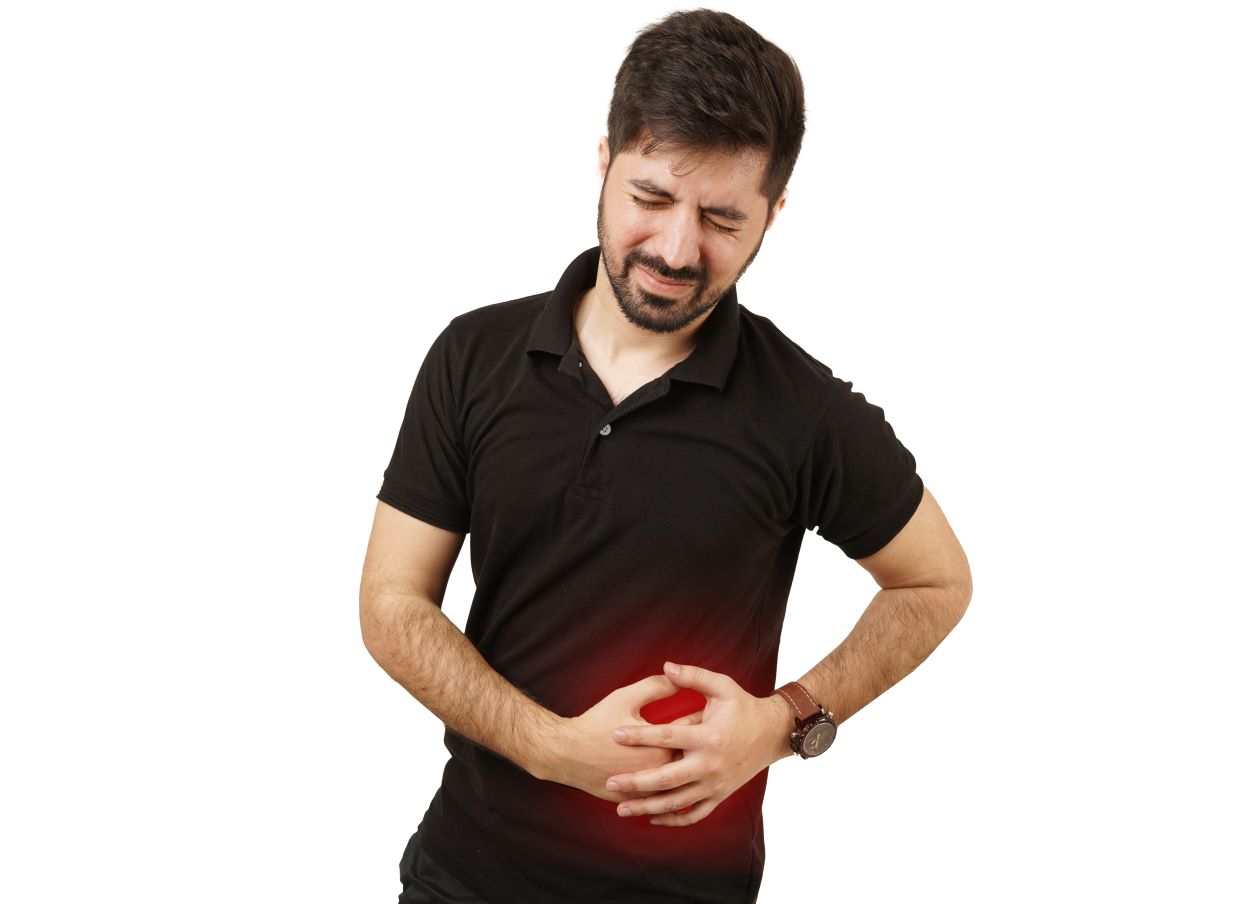
People searching for “URI flush kidney stone medicine” are often looking for a tablet, syrup or other treatment that helps a kidney stone pass through urine.
The phrase may refer to a particular product or may simply describe a medicine intended to help flush out a stone. The exact product should be confirmed from its label, because products marketed for urinary health can contain different ingredients and have different effects.
There is no universal medicine that can flush out every kidney stone. Treatment depends on the stone's size, location, composition, symptoms and whether urine flow is obstructed. Small stones may pass naturally, while larger or obstructing stones may require a procedure. citeturn632614search0turn632614search6
At Prabhakar Bhurke Clinic, Dr. Sandip Prabhakar Bhurke, super specialist nephrologist and transplant physician, provides evaluation and kidney care for people with kidney stones and related kidney-function concerns.
Can Medicine Flush a Kidney Stone Out Through Urine?
Sometimes, but the result depends on the stone.
A small stone in the ureter may pass spontaneously. A doctor may recommend observation, pain management and, for selected ureteral stones, a medicine that relaxes the ureter to help passage.
Medicines do not physically wash away every stone, and most common calcium-based stones cannot simply be dissolved with an ordinary tablet. Selected uric acid stones may be treated with medically supervised urine alkalinization. citeturn632614search0turn632614search1
Before starting a stone-passage medicine, a healthcare professional should assess whether waiting is safe.
Which Medicines May Be Used for Kidney Stones?
The medicine prescribed depends on the purpose of treatment.
1. Medicines to Help Selected Stones Pass
Doctors sometimes prescribe an alpha-blocker, such as tamsulosin, for selected ureteral stones. These medicines relax smooth muscle and may improve the chance of passage, particularly for certain distal ureteral stones larger than 5 mm.
This use may be off-label, and the medicine is not suitable for every patient. It should be taken only when prescribed after considering stone size, location, blood pressure and other health factors. citeturn632614search1
2. Pain-Relief Medicines
Kidney stones can cause severe pain when they irritate or obstruct the urinary tract.
Doctors may use anti-inflammatory pain medicines when appropriate, or select alternative pain relief based on the patient's health and kidney function.
Some painkillers can worsen kidney function, especially in people with existing CKD, dehydration or reduced blood pressure. Do not self-medicate for severe renal colic. citeturn632614search1
3. Medicines for Certain Uric Acid Stones
Some uric acid stones can be dissolved by changing urine acidity with prescribed alkalinizing treatment.
This requires appropriate assessment and monitoring. The treatment is not effective for every type of stone, and excessive alkalinization can create other problems. citeturn632614search0turn632614search1
4. Medicines to Prevent Future Stones
After the current stone has been assessed, preventive medicines may be considered based on stone analysis, urine testing and metabolic risk factors.
Depending on the diagnosis, treatment may include potassium citrate, selected diuretics or other medicines. These are not interchangeable, and some require careful monitoring of kidney function and blood electrolytes. citeturn632614search0
Does Drinking More Water Flush Kidney Stones?
Adequate hydration can help maintain urine flow and is important for preventing many types of kidney stones. However, drinking excessive amounts of water does not guarantee that an existing stone will pass.
A stone that is too large or lodged in the ureter may continue to block urine flow despite increased fluid intake. If vomiting or dehydration occurs, medical treatment may be needed. People with advanced kidney disease, heart failure or prescribed fluid restrictions should follow their clinician's advice rather than increasing fluids independently. citeturn632614search0
How Do Doctors Decide Whether a Stone Can Pass Naturally?
Several factors influence the decision:
-
Stone size: Smaller stones are generally more likely to pass.
-
Stone location: Stones closer to the bladder may have a better chance of passing than stones higher in the ureter.
-
Obstruction: Persistent blockage may damage kidney function.
-
Pain: Pain that cannot be controlled safely may require active treatment.
-
Infection: A blocked urinary tract with infection can become life-threatening.
-
Kidney function: Reduced function may change the safest treatment approach.
A doctor may recommend imaging, urine testing and blood tests before deciding between observation, medicine and stone removal. citeturn632614search0turn632614search1
When Is a Kidney Stone Too Large for Medicine Alone?
There is no single size threshold that applies to every person, but larger stones are less likely to pass spontaneously.
If a stone is unlikely to pass, continues to cause severe pain, blocks urine flow or affects kidney function, a urologist may recommend active removal.
Possible procedures include:
-
Ureteroscopy with laser lithotripsy: An instrument is passed through the urinary tract to reach and fragment the stone.
-
Shock wave lithotripsy: External shock waves break selected stones into smaller pieces.
-
Percutaneous nephrolithotomy (PCNL): A procedure commonly considered for large or complex kidney stones.
The appropriate procedure depends on the stone's characteristics and the patient's medical condition. citeturn632614search0turn632614search1
Warning Signs That Need Urgent Medical Care
Do not rely on a stone-flushing medicine or home treatment if you develop:
-
Fever or chills with suspected kidney stone
-
Severe or persistent flank pain
-
Repeated vomiting
-
Very little or no urine
-
Difficulty passing urine
-
Severe weakness or confusion
-
Rapid deterioration in health
A urinary obstruction accompanied by infection, or an obstructed kidney with no urine output, is a urological emergency. Urgent drainage and antibiotics may be needed before the stone is definitively removed. citeturn632614search1turn632614search7
How Can You Reduce the Risk of Another Kidney Stone?
Preventing recurrence starts with identifying the type of stone and the factors that contributed to its formation.
Your clinician may recommend:
-
Drinking an appropriate amount of fluid for your health status
-
Reducing excessive dietary sodium
-
Following an individualized dietary plan
-
Completing stone analysis when a stone is available
-
Undergoing urine or blood testing when indicated
-
Taking prescribed preventive medicines
-
Attending follow-up appointments
Diet and fluid advice should be personalized, particularly for people with CKD, heart disease or other conditions requiring fluid or electrolyte management. citeturn632614search0
Kidney Stone Evaluation at Prabhakar Bhurke Clinic
At Prabhakar Bhurke Clinic, Dr. Sandip Prabhakar Bhurke, super specialist nephrologist and transplant physician, provides individualized assessment for kidney conditions and kidney-function concerns associated with stones.
Depending on the clinical situation, evaluation may include reviewing imaging reports, kidney function, urine findings, medication use and possible complications. When a stone requires a procedure, coordination with an appropriate urology specialist may be necessary.
The goal is to identify the stone and its risks before deciding whether observation, prescribed medication or removal is the safest option.
Frequently Asked Questions
Which medicine flushes kidney stones out?
There is no single medicine that flushes out all kidney stones. Selected ureteral stones may respond to prescribed passage-assisting medication, while certain uric acid stones may be suitable for supervised dissolution treatment. citeturn632614search0turn632614search1
Can URI flush medicine dissolve kidney stones?
That depends on the exact product and its ingredients. Do not assume that a product marketed for urinary health can dissolve stones. Confirm the product with a healthcare professional and identify the stone type before using a dissolution treatment.
Can a kidney stone pass without surgery?
Yes, some small stones pass naturally. Larger stones, persistent obstruction, uncontrolled pain, infection or declining kidney function may require a procedure. citeturn632614search0
Does drinking lots of water make a kidney stone pass faster?
Not reliably. Adequate hydration is useful, but forcing excessive amounts of water will not remove an obstructing stone and may be unsafe for some patients.
When should I stop waiting for a kidney stone to pass?
Seek reassessment if pain persists, symptoms worsen, urine output decreases or follow-up shows ongoing obstruction. Fever or chills with a suspected stone require urgent medical attention. citeturn632614search1turn632614search7
Conclusion
Searching for URI flush kidney stone medicine often reflects the desire for a simple way to pass a kidney stone without a procedure. Some small stones pass naturally, and selected patients may benefit from prescribed medicines. However, no tablet or drink can reliably flush out every stone.
The safest approach is to establish the stone's size and location, assess kidney function and rule out infection or obstruction. Treatment may involve observation, pain management, a medicine to assist passage, supervised dissolution for selected uric acid stones or a stone-removal procedure.
For kidney stone assessment and individualized kidney care, consult Dr. Sandip Prabhakar Bhurke at Prabhakar Bhurke Clinic.
Medical Disclaimer
This article is for general educational purposes only and is not a substitute for professional medical advice, diagnosis or treatment. The term “URI flush kidney stone medicine” does not identify a specific formulation; check the exact product and its ingredients with a qualified healthcare professional before use. Do not take unprescribed stone medicines, antibiotics or painkillers, and do not increase fluid intake excessively to force a stone to pass. Treatment depends on stone size, location, composition, obstruction, infection status and kidney function. Fever or chills with a suspected stone, severe persistent pain, repeated vomiting, very little or no urine, confusion or sudden deterioration requires urgent medical attention. Consult Dr. Sandip Prabhakar Bhurke or another qualified clinician for personalized assessment.