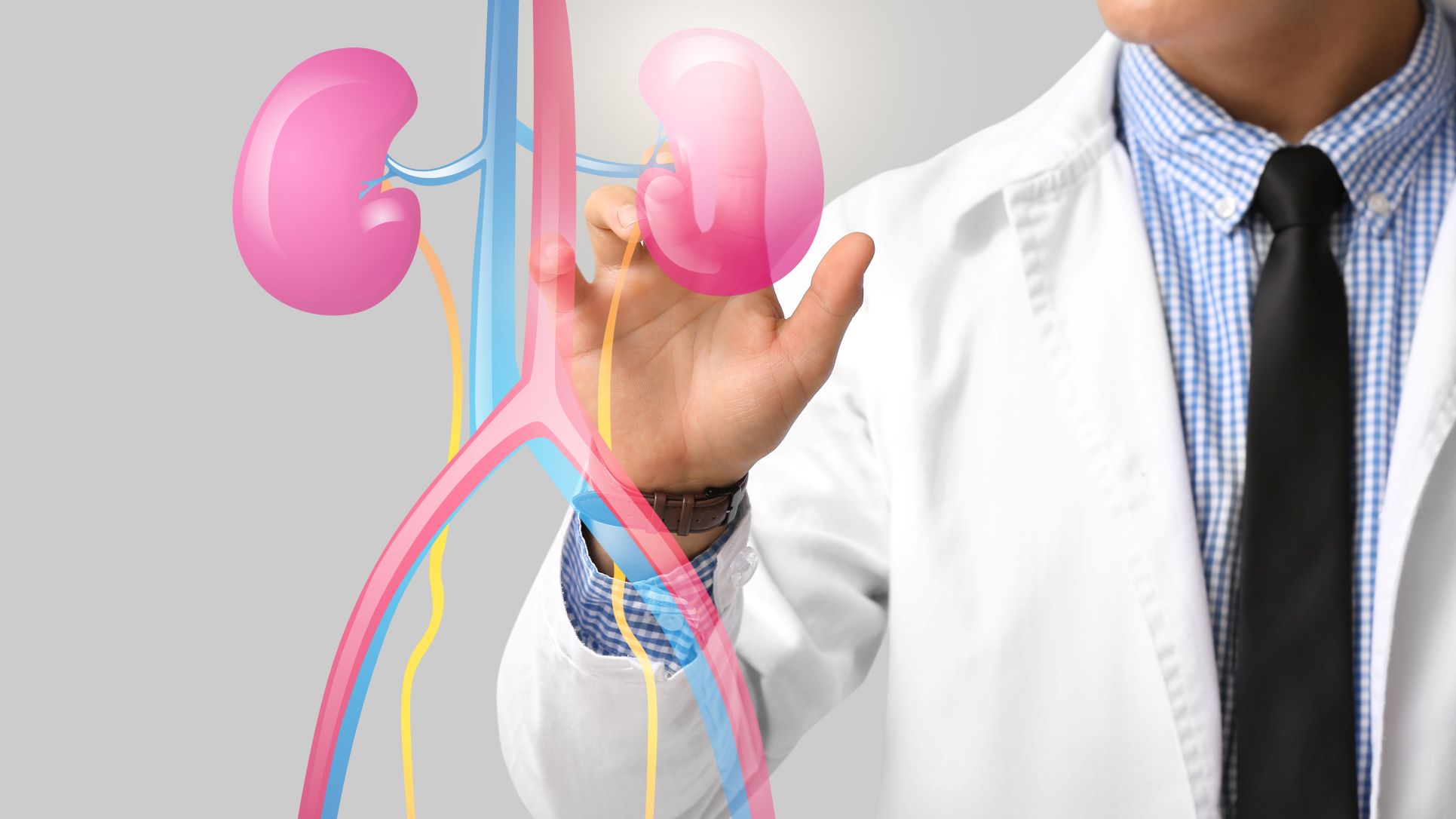
Kidney pain is often felt in the back, side or flank area below the ribs and may range from a dull ache to severe, sharp pain. Many people search for the best medicine for kidney pain, but the most important step is identifying the underlying cause. Kidney pain can occur because of kidney stones, kidney infections, urinary obstruction or other kidney disorders, and the treatment depends on the specific diagnosis.
Taking pain medicine without proper evaluation may delay treatment of a serious condition such as a kidney infection or obstructing kidney stone.
At Prabhakar Bhurke Clinic, Dr. Sandip Prabhakar Bhurke, super specialist nephrologist and transplant physician, provides expert evaluation and treatment for kidney stones, kidney infections and other kidney related causes of flank pain.
What Does Kidney Pain Feel Like?
Kidney pain is usually located in the flank, which is the area between the lower ribs and the hip on either side of the back.
The pain may:
-
Occur on one side or both sides
-
Radiate toward the lower abdomen or groin
-
Be sharp and severe
-
Be dull and persistent
-
Come in waves
-
Worsen with urinary obstruction
Kidney pain is different from muscle pain, although the two can sometimes be confused.
Common Causes of Kidney Pain
Kidney Stones
Kidney stones are one of the most common causes of severe kidney pain.
A stone moving into the ureter can cause renal colic, which is often described as intense, cramping flank pain that may radiate to the groin.
Kidney Infection
A kidney infection can cause:
-
Flank pain
-
Fever
-
Chills
-
Painful urination
-
Frequent urination
-
Nausea and vomiting
Kidney infections require medical treatment and should not be treated with pain medicine alone.
Urinary Obstruction
Blockage of urine flow can cause pressure within the kidney and significant pain.
Causes include:
-
Kidney stones
-
Ureteric obstruction
-
Enlarged prostate
-
Tumors affecting the urinary tract
Polycystic Kidney Disease
Enlarged kidney cysts may cause abdominal or flank discomfort.
Glomerular and Other Kidney Disorders
Certain kidney diseases may cause discomfort, swelling or pressure related symptoms.
Is There a Single Best Medicine for Kidney Pain?
No.
The best medicine for kidney pain depends on the cause.
For example:
-
Kidney stone pain requires a different approach than kidney infection.
-
Obstruction may require a procedure.
-
Infection requires antibiotics.
-
Chronic kidney disease may require avoidance of certain pain medications.
This is why proper diagnosis is essential.
Medicines Used for Kidney Stone Pain
For kidney stone related pain, doctors may prescribe medications to relieve pain and help stone passage when appropriate.
Treatment may include:
-
Pain relieving medications
-
Antispasmodic medicines in selected cases
-
Medications that may help relax the ureter
-
Hydration guidance
-
Treatment of associated nausea and vomiting
Large stones or obstructing stones may require procedures such as ureteroscopy, laser lithotripsy or ESWL.
Medicines Used for Kidney Infection Pain
Pain caused by a kidney infection usually requires antibiotic treatment.
Treatment may include:
-
Antibiotics
-
Fever reducing medication
-
Pain relief medication
-
Hydration
-
Hospital treatment in severe cases
Delaying antibiotic treatment can increase the risk of kidney damage and bloodstream infection.
Can Over the Counter Pain Medicines Be Harmful?
Some over the counter pain medicines may affect kidney function, particularly in people with:
-
Chronic kidney disease
-
Diabetes
-
High blood pressure
-
Dehydration
-
Advanced age
-
Certain heart conditions
Frequent or excessive use of some painkillers can worsen kidney function.
Patients with known kidney disease should discuss pain medication choices with their doctor.
When Kidney Pain Needs Emergency Treatment
Seek urgent medical attention if kidney pain is accompanied by:
-
Fever
-
Chills
-
Persistent vomiting
-
Blood in the urine
-
Difficulty passing urine
-
Severe uncontrolled pain
-
Reduced urine output
-
Pregnancy
-
Confusion
-
Severe weakness
These symptoms may indicate a serious infection, obstruction or other emergency.
How Is the Cause of Kidney Pain Diagnosed?
Diagnosis usually involves several tests.
Urine Tests
These can detect:
-
Blood
-
Infection
-
Protein
-
Crystals
-
Other abnormalities
Blood Tests
Kidney function and infection markers may be assessed.
Ultrasound
Ultrasound can identify:
-
Kidney stones
-
Hydronephrosis
-
Kidney cysts
-
Structural abnormalities
CT Scan
CT imaging is often highly useful for diagnosing kidney stones and urinary obstruction.
Can Kidney Pain Go Away on Its Own?
Some small kidney stones may pass naturally.
However, persistent or severe kidney pain should not be ignored because it may represent:
-
Kidney infection
-
Urinary obstruction
-
Large kidney stones
-
Kidney damage
-
Other serious conditions
Medical evaluation is important when pain is significant or persistent.
Home Care While Waiting for Medical Evaluation
While awaiting medical assessment, supportive measures may include:
-
Drinking fluids if not medically restricted
-
Resting
-
Monitoring urine output
-
Monitoring temperature
-
Avoiding unprescribed medications
Do not rely solely on home remedies if pain is severe or associated with fever or urinary symptoms.
Preventing Kidney Pain From Kidney Stones
Prevention may include:
-
Adequate hydration
-
Reduced excessive sodium intake
-
Appropriate dietary calcium
-
Oxalate management when indicated
-
Weight management
-
Stone composition analysis
-
Metabolic evaluation
-
Treatment of recurrent urinary infections
Patients with recurrent stones benefit from individualized prevention strategies.
Preventing Kidney Pain From Infections
Preventive measures include:
-
Prompt treatment of urinary tract infections
-
Adequate hydration
-
Proper diabetes management
-
Evaluation of recurrent infections
-
Treatment of kidney stones
-
Addressing urinary obstruction
Kidney Pain Treatment at Prabhakar Bhurke Clinic
At Prabhakar Bhurke Clinic, Dr. Sandip Prabhakar Bhurke provides comprehensive evaluation for patients with kidney pain and urinary tract disorders.
Assessment may include:
-
Urine testing
-
Kidney function testing
-
Ultrasound
-
CT review
-
Kidney stone evaluation
-
Infection assessment
-
Obstruction evaluation
-
Medication review
-
Long term kidney health planning
Treatment is individualized according to the underlying cause.
Frequently Asked Questions
What is the best medicine for kidney pain?
The best medicine depends on the cause. Kidney stone pain, kidney infection and urinary obstruction require different treatments.
Can I take painkillers for kidney pain?
Some pain medicines may be appropriate, but certain medications can affect kidney function. Medical evaluation is important before taking pain medication regularly.
Does kidney pain always mean kidney stones?
No. Kidney pain may be caused by infection, obstruction, cysts or other kidney conditions.
Can antibiotics cure kidney pain?
Antibiotics treat kidney pain caused by a bacterial kidney infection but will not treat kidney stone pain.
When should I see a kidney specialist?
Consult a nephrologist if kidney pain is recurrent, associated with abnormal kidney function, recurrent stones, recurrent infections or other kidney related abnormalities.
Conclusion
Medicine for kidney pain should be chosen only after identifying the underlying cause. Kidney stones, kidney infections, urinary obstruction and other kidney disorders require different treatments, and delaying proper diagnosis may increase the risk of complications.
Persistent flank pain, fever, blood in the urine or difficulty passing urine should always be evaluated promptly by a healthcare professional.
For expert kidney pain evaluation and personalized treatment, consult Dr. Sandip Prabhakar Bhurke at Prabhakar Bhurke Clinic.
Medical Disclaimer
This article is intended for general educational purposes only and does not constitute medical advice, diagnosis or treatment. Kidney pain can result from kidney stones, kidney infections, urinary obstruction and other serious kidney disorders that require different treatments. Do not self medicate with painkillers or antibiotics without proper medical evaluation, especially if you have chronic kidney disease, diabetes, high blood pressure or reduced kidney function. Seek urgent medical attention for severe flank pain, fever, chills, blood in the urine, persistent vomiting, difficulty passing urine or sudden worsening of symptoms. Consult Dr. Sandip Prabhakar Bhurke or another qualified healthcare professional for an individualized evaluation and treatment plan.