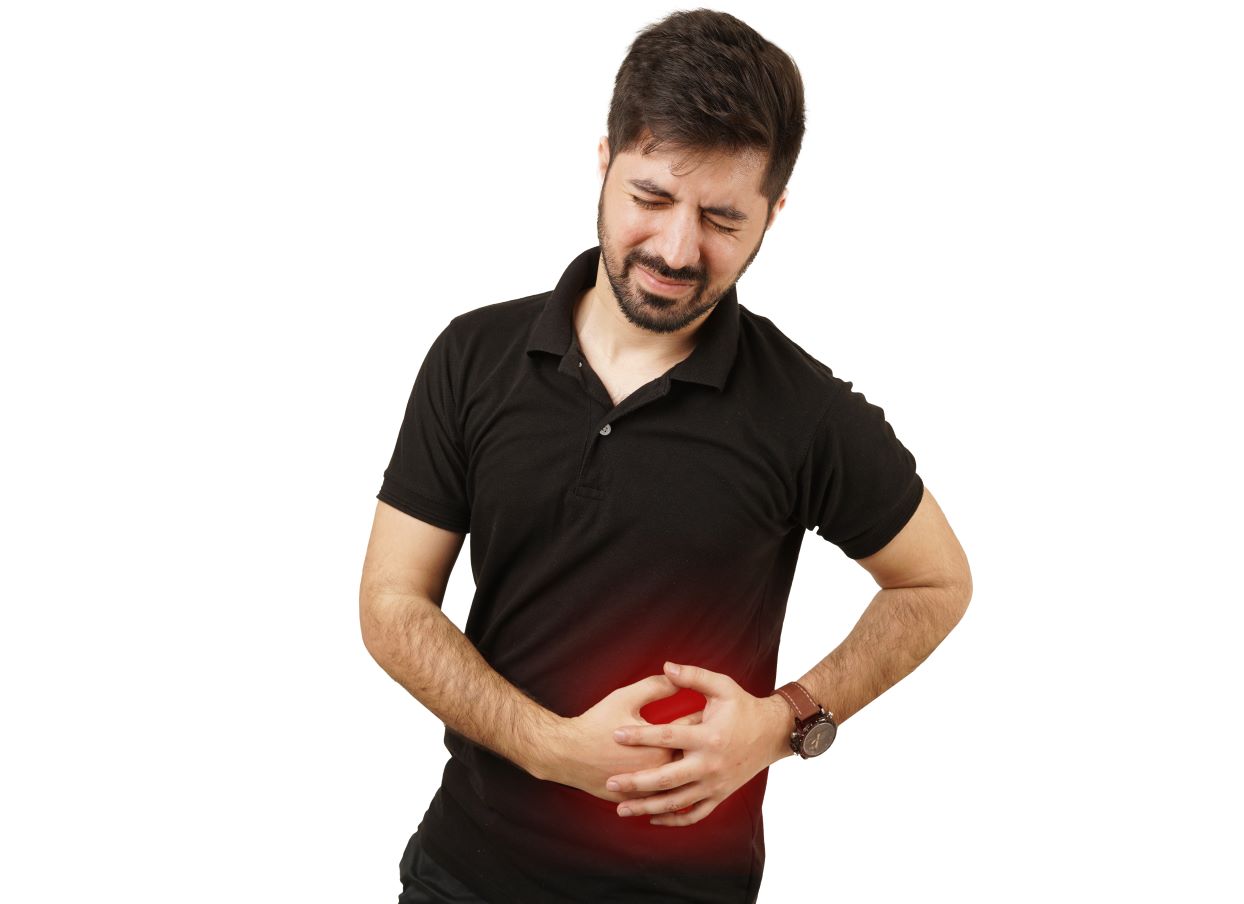
Kidney stone pain can begin suddenly and may become intense as a stone moves through the urinary tract.
The pain is often caused by irritation and stretching of the ureter when a stone travels from the kidney toward the bladder. Partial or complete obstruction of urine flow can also contribute to discomfort.
Pain may be felt in the:
-
Side or flank
-
Lower back
-
Lower abdomen
-
Groin
-
Area around the bladder
The intensity of pain does not always indicate the size of the stone. A relatively small stone can cause severe pain if it moves into the ureter, while some larger kidney stones may produce few symptoms.
At Prabhakar Bhurke Clinic, Dr. Sandip Prabhakar Bhurke, super specialist nephrologist and transplant physician, evaluates kidney-related conditions and can assess whether stone pain is likely to require medical treatment, observation or specialist intervention.
What Is the Best Medicine for Stone Pain?
There is no single pain medicine that is safest or most effective for everyone.
For acute renal colic, doctors commonly consider nonsteroidal anti-inflammatory drugs (NSAIDs) when they are appropriate for the patient. These medicines can reduce inflammation and pain associated with ureteric stones.
Depending on the patient's medical history, other pain-relief medicines may sometimes be considered.
The choice can be affected by:
-
Kidney function
-
Stomach or intestinal problems
-
Previous ulcers or bleeding
-
Heart disease
-
Blood pressure
-
Pregnancy
-
Other medicines being taken
-
Allergies
-
Risk of medication-related complications
Therefore, a medicine that works well for one person may not be suitable for another.
Are NSAIDs Used for Kidney Stone Pain?
NSAIDs are commonly used for renal colic because they can reduce pain and inflammation associated with a stone.
However, NSAIDs are not appropriate for everyone.
Extra caution is needed in people with:
-
Reduced kidney function
-
Chronic kidney disease
-
Dehydration
-
Previous stomach ulcers or gastrointestinal bleeding
-
Certain cardiovascular conditions
-
Certain blood-thinning medicines
-
Other medical conditions affecting medication safety
If you have known kidney disease or abnormal creatinine, do not take NSAIDs repeatedly without medical advice.
What About Paracetamol for Stone Pain?
Paracetamol (acetaminophen) may be used for pain in some patients, depending on their medical history and the advice of a healthcare professional.
It may not provide adequate relief for severe renal colic on its own.
The appropriate dose and whether it is suitable depend on factors such as liver health, other medicines and the patient's overall medical condition.
Do not exceed the recommended dose.
Can Antispasmodic Medicines Help?
Some doctors may prescribe medicines intended to reduce urinary tract spasm or associated discomfort in selected patients.
However, these medicines are not a substitute for evaluating the stone itself.
If a stone is obstructing urine flow, simply controlling the pain does not remove the obstruction.
The treatment plan should therefore address both symptom control and the underlying stone problem.
Can Pain Medicine Remove a Kidney Stone?
No.
Painkillers can help control symptoms, but they generally do not dissolve or physically remove most kidney stones.
Whether a stone can pass naturally depends on factors such as:
-
Stone size
-
Stone location
-
Stone shape
-
Urinary anatomy
-
Degree of obstruction
Smaller stones may pass without a procedure in appropriate circumstances. Larger stones or stones causing complications may require active treatment.
When Can Medicines Be Enough?
Medication and observation may be appropriate for selected patients when:
-
The stone is relatively small
-
There is no serious obstruction
-
There is no significant infection
-
Kidney function is stable
-
Pain can be controlled
-
The patient can maintain adequate urine output
-
Follow-up is possible
A doctor may recommend monitoring with imaging to confirm whether the stone has passed.
When Is a Kidney Stone Likely to Need a Procedure?
Active stone treatment may be considered when:
-
The stone is too large to pass naturally
-
Pain remains severe despite appropriate medication
-
There is persistent urinary obstruction
-
Kidney function is deteriorating
-
Infection is associated with the obstruction
-
The stone remains in place
-
Repeated symptoms occur
-
The stone is unlikely to pass spontaneously
Depending on the stone's characteristics, treatment can include ureteroscopy with laser lithotripsy, shockwave lithotripsy or percutaneous nephrolithotomy.
What Is the Difference Between Kidney Stone Pain and Other Pain?
Pain around the back or side is not always caused by a kidney stone.
Other possible causes include:
-
Muscle strain
-
Spine-related problems
-
Urinary infection
-
Kidney infection
-
Gallbladder disease
-
Gastrointestinal conditions
-
Nerve-related pain
-
Other abdominal or pelvic conditions
Kidney stone pain often comes in waves and may move toward the abdomen or groin, but symptoms alone cannot confirm the diagnosis.
Imaging and urine testing may be necessary.
What Tests Are Used When Stone Pain Occurs?
A doctor may recommend several investigations depending on the symptoms.
Urine Tests
These can help identify:
-
Blood
-
Infection
-
Crystals
-
Other abnormalities
Blood Tests
Testing may include:
-
Serum creatinine
-
eGFR
-
Electrolytes
-
Blood count
-
Other tests based on the patient's condition
Imaging
Ultrasound can help identify stones and urinary obstruction.
A non-contrast CT scan may provide more detailed information about:
-
Stone size
-
Stone location
-
Number of stones
-
Degree of obstruction
-
Urinary tract anatomy
The appropriate imaging test depends on the clinical situation.
What If Creatinine Is High Along With Stone Pain?
If kidney stone pain occurs together with an elevated creatinine level, medical evaluation becomes particularly important.
A stone that obstructs urine flow can sometimes cause kidney-function deterioration.
However, high creatinine may have other causes, including dehydration, chronic kidney disease, medications or another acute illness.
Doctors may compare the current creatinine with previous results and evaluate eGFR, urine output, imaging and other laboratory findings.
A pain medicine alone should not be used to manage a potentially obstructed kidney without assessing the underlying cause.
Should You Drink a Lot of Water During Stone Pain?
Many people assume that drinking very large quantities of water will force a stone out.
This is not necessarily true.
Maintaining appropriate hydration can support normal urinary function, but excessive fluid intake does not guarantee stone passage and may worsen discomfort when significant obstruction is present.
People with kidney disease, heart disease or fluid restrictions should be especially careful.
Follow the fluid advice provided by your healthcare professional.
Can Heat Help Kidney Stone Pain?
Some people find a warm compress or heating pad over the painful area soothing.
Heat may provide temporary comfort, but it does not remove the stone or treat urinary obstruction.
Use heat safely and avoid excessive temperatures that could cause burns.
If severe pain continues despite supportive measures, medical assessment is more important than repeatedly treating the pain at home.
What Should You Avoid Taking Without Medical Advice?
Avoid self-medicating with:
-
Repeated high doses of painkillers
-
Unprescribed antibiotics
-
Herbal stone-dissolving products
-
Unverified supplements
-
Multiple pain medicines containing the same active ingredient
Some medicines can affect kidney function, cause stomach bleeding or interact with other treatments.
If you already have kidney disease or an elevated creatinine level, medication selection requires additional care.
Can Kidney Stone Pain Come and Go?
Yes.
Stone pain can occur in waves as the ureter contracts around the stone.
Pain may become intense and then temporarily improve.
However, improvement does not necessarily prove that the stone has passed.
A stone can remain in the urinary tract while symptoms fluctuate.
Follow-up may therefore be necessary, especially if the stone was known to be large or associated with obstruction.
When Is Kidney Stone Pain an Emergency?
Seek urgent medical attention if stone pain is accompanied by:
-
Fever or chills
-
Severe or worsening pain
-
Persistent vomiting
-
Very little or no urine
-
Severe weakness
-
Confusion
-
Fainting
-
Significant blood in the urine with worsening symptoms
-
Known urinary obstruction
-
Rapid deterioration in kidney function
A blocked urinary tract with infection can become a serious medical emergency and may require urgent drainage.
How Are Larger Kidney Stones Treated?
The appropriate treatment depends on the size and location of the stone.
Ureteroscopy With Laser Lithotripsy
A thin scope is passed through the urinary tract to reach the stone. A laser is used to fragment it, and selected fragments can be removed.
Shockwave Lithotripsy
External shock waves are used to break a suitable stone into smaller fragments.
Percutaneous Nephrolithotomy
A small access tract is created into the kidney to allow larger stones to be fragmented and removed.
The choice depends on imaging, stone characteristics, anatomy and the patient's health.
How Can Future Stone Pain Be Prevented?
Preventing recurrent stones involves identifying why stones are forming.
Depending on the stone type, prevention may include:
-
Appropriate fluid intake
-
Reducing excessive dietary sodium
-
Maintaining a balanced diet
-
Avoiding unnecessary supplements
-
Treating recurrent urinary infections
-
Completing metabolic evaluation when recommended
-
Taking prescribed preventive medicines
Stone analysis can provide useful information about the type of stone and help guide prevention.
Kidney Stone Pain Evaluation at Prabhakar Bhurke Clinic
At Prabhakar Bhurke Clinic, Dr. Sandip Prabhakar Bhurke, super specialist nephrologist and transplant physician, provides individualized evaluation for patients experiencing kidney-related pain and stone-associated kidney concerns.
Depending on the clinical situation, evaluation may include:
-
Review of pain characteristics
-
Kidney-function assessment
-
Creatinine and eGFR testing
-
Urine examination
-
Ultrasound or CT review
-
Assessment of urinary obstruction
-
Evaluation for urinary infection
-
Medication review
-
Preventive kidney-stone guidance
-
Coordination with an appropriate urological or surgical specialist when a procedure is required
The goal is to control symptoms while identifying and treating the underlying cause.
Frequently Asked Questions
What is the best medicine for stone pain?
NSAIDs are commonly used for acute renal colic when medically appropriate. However, the safest option depends on kidney function, other health conditions and current medicines.
Can I take painkillers if I have kidney disease?
Some painkillers, particularly NSAIDs, may be unsuitable for people with reduced kidney function. Consult a healthcare professional before taking them.
Does pain medicine dissolve kidney stones?
No. Pain medicine controls discomfort but generally does not dissolve or remove the stone.
Can drinking water remove a kidney stone?
Appropriate hydration can support urinary health, but drinking excessive amounts of water does not guarantee stone passage and may be harmful when significant obstruction or certain medical conditions are present.
How do I know if stone pain needs surgery?
Persistent severe pain, a large stone, obstruction, declining kidney function, recurrent symptoms or infection may lead a specialist to recommend a procedure.
Can kidney stone pain happen without blood in the urine?
Yes. Blood may not always be visible, and some patients may not have detectable blood in every urine sample. Diagnosis should be based on the overall clinical evaluation.
Conclusion
Finding the best medicine for stone pain is only one part of managing a kidney stone. Pain relief can make symptoms more manageable, but it does not necessarily address the stone itself.
The appropriate medicine depends on kidney function, other health conditions, current medications and the severity of symptoms. Larger or obstructing stones may require a procedure rather than repeated pain medication.
If severe pain is accompanied by fever, chills, vomiting, very low urine output or worsening kidney function, urgent medical assessment is important.
For individualized evaluation of kidney stones, kidney function and related pain, consult Dr. Sandip Prabhakar Bhurke at Prabhakar Bhurke Clinic.
Medical Disclaimer
This article is intended for general educational and informational purposes only and does not constitute medical advice, diagnosis or treatment. The appropriate medicine for kidney stone pain varies between individuals and depends on kidney function, medical history, allergies, pregnancy status, other medicines and the cause of pain. NSAIDs and other pain medicines may not be appropriate for everyone and should not be taken repeatedly without professional guidance. Do not use unprescribed antibiotics, herbal remedies or supplements to treat kidney stones. Severe pain with fever or chills, persistent vomiting, very little or no urine, confusion, fainting or rapidly worsening symptoms requires urgent medical evaluation. Consult Dr. Sandip Prabhakar Bhurke or another qualified healthcare professional for individualized treatment advice.