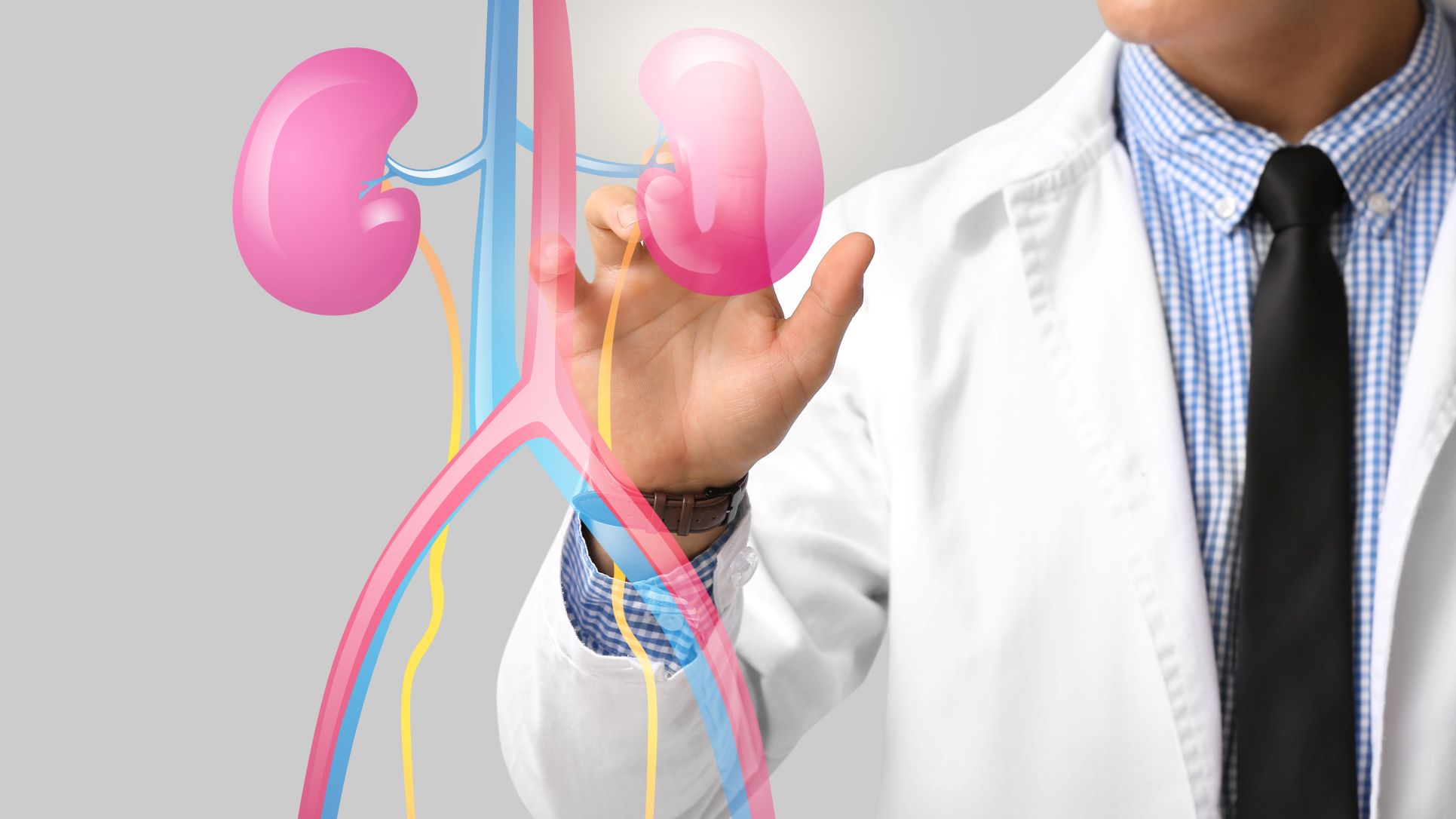
CKD Stage III, also called chronic kidney disease stage 3, means that kidney function is moderately reduced.
The kidneys perform important functions such as removing waste products from the blood, regulating fluid balance, maintaining electrolyte levels and helping control blood pressure. When kidney damage or reduced kidney function persists over time, it may be classified as chronic kidney disease.
Stage 3 is generally divided into two categories:
-
CKD Stage 3a: eGFR approximately 45–59 mL/min/1.73 m²
-
CKD Stage 3b: eGFR approximately 30–44 mL/min/1.73 m²
An eGFR result should not be interpreted in isolation. Doctors also consider whether the abnormality has persisted for at least three months, urine albumin or protein levels, blood pressure, medical history and other evidence of kidney damage.
Importantly, CKD Stage III does not automatically mean kidney failure or that dialysis is required.
At Prabhakar Bhurke Clinic, Dr. Sandip Prabhakar Bhurke, super specialist nephrologist and transplant physician, provides individualized evaluation and long-term management for patients with chronic kidney disease.
How Is CKD Stage III Different From Earlier Stages?
Chronic kidney disease is commonly classified according to the degree of kidney-function reduction.
As kidney function decreases, the risk of complications and progression may increase.
Stage 3 represents a point where kidney health deserves careful medical follow-up because some patients may begin developing complications such as:
-
High blood pressure
-
Anemia
-
Electrolyte abnormalities
-
Changes in mineral and bone metabolism
-
Increased cardiovascular risk
-
Increasing protein or albumin in urine
However, the outlook varies considerably between individuals.
Some people with CKD Stage III remain stable for many years, while others experience progressive loss of kidney function.
What Causes CKD Stage III?
CKD Stage III can develop from many different kidney conditions.
Common causes include:
Diabetes
Long-standing or poorly controlled diabetes can damage the tiny blood vessels and filtering structures within the kidneys.
Diabetic kidney disease is one of the important causes of chronic kidney impairment.
High Blood Pressure
Persistent hypertension can damage kidney blood vessels and gradually reduce filtration.
Kidney disease can also contribute to high blood pressure, creating a cycle in which both conditions influence each other.
Glomerular Diseases
Diseases affecting the kidney's filtering units can cause:
-
Protein in urine
-
Blood in urine
-
Swelling
-
Reduced kidney function
Examples include certain forms of glomerulonephritis and other glomerular disorders.
Polycystic Kidney Disease
Inherited conditions such as polycystic kidney disease can progressively affect kidney structure and function.
Repeated Acute Kidney Injury
Episodes of acute kidney injury may sometimes contribute to long-term kidney damage, particularly when severe or recurrent.
Urinary Obstruction
Long-standing obstruction caused by stones, urinary narrowing, prostate-related problems or other conditions can impair kidney function.
Other Kidney Diseases
Autoimmune disorders, inherited diseases, medication-related kidney injury and other medical conditions can also contribute to CKD.
Finding the underlying cause is an important part of treatment.
What Are the Symptoms of CKD Stage III?
Some people with Stage III CKD may have few or no noticeable symptoms.
This is one reason regular testing is important for people who have diabetes, hypertension or other kidney-disease risk factors.
Possible symptoms may include:
-
Fatigue
-
Swelling around the feet or ankles
-
Changes in urine
-
Foamy urine
-
Increased or decreased urination
-
High blood pressure
-
Muscle cramps
-
Reduced appetite
-
Nausea
-
Itching
-
Difficulty concentrating
These symptoms are not specific to CKD, so they cannot establish the diagnosis on their own.
Can You Have CKD Stage III Without Symptoms?
Yes.
Kidney disease can progress without obvious warning signs.
A person may discover CKD Stage III during routine blood or urine testing performed for another reason.
This is why people at increased risk should discuss appropriate kidney screening with their healthcare professional.
Testing may be especially important for people with:
-
Diabetes
-
High blood pressure
-
Cardiovascular disease
-
Previous acute kidney injury
-
Recurrent kidney stones
-
Family history of kidney disease
-
Known kidney abnormalities
What Tests Confirm CKD Stage III?
A nephrologist may use several investigations to determine kidney function and identify the cause.
Serum Creatinine
Creatinine is a waste product removed mainly through the kidneys.
An increase can indicate reduced kidney filtration, but creatinine needs to be interpreted according to factors such as age, muscle mass and clinical condition.
eGFR
eGFR estimates how efficiently the kidneys are filtering blood.
For Stage III CKD:
-
Stage 3a generally corresponds to an eGFR of 45–59
-
Stage 3b generally corresponds to an eGFR of 30–44
A single abnormal eGFR does not necessarily establish chronic kidney disease.
Urine Albumin
Urine albumin testing can identify leakage of albumin through damaged kidney filters.
The amount of albumin in urine provides important information about kidney-disease risk and can influence treatment decisions.
Blood Pressure
Blood-pressure measurement is an important part of CKD assessment because hypertension can accelerate kidney damage.
Additional Blood Tests
Depending on the patient's condition, testing may include:
-
Potassium
-
Sodium
-
Bicarbonate
-
Hemoglobin
-
Calcium
-
Phosphorus
-
Blood glucose
-
Other disease-specific investigations
Kidney Imaging
Ultrasound or other imaging may be recommended to assess kidney size, structural abnormalities, obstruction, stones or cysts.
CKD Stage 3a and CKD Stage 3b: What Is the Difference?
Both are classified as Stage 3 CKD, but the degree of reduced filtration differs.
Stage 3a has an eGFR of approximately 45–59.
Stage 3b has an eGFR of approximately 30–44.
Stage 3b represents a greater reduction in kidney filtration than Stage 3a and may carry a higher risk of complications.
However, eGFR is only one part of the assessment.
Two people with the same eGFR can have different levels of risk depending on urine albumin, underlying disease, blood pressure and the rate at which kidney function is changing.
What Is the Treatment for CKD Stage III?
There is no single tablet that cures CKD Stage III.
Treatment is directed toward the underlying cause, kidney protection and prevention or management of complications.
Depending on the diagnosis, management may include:
-
Blood-pressure control
-
Diabetes management
-
Treatment to reduce excess albuminuria when appropriate
-
Kidney-protective medicines when suitable
-
Management of cholesterol and cardiovascular risk
-
Correction of anemia when indicated
-
Management of mineral and bone abnormalities
-
Avoidance of unnecessary kidney-harming medicines
-
Regular monitoring of kidney function
The treatment plan should be personalized rather than based only on the CKD stage.
Can CKD Stage III Be Reversed?
Established chronic kidney disease usually represents long-term kidney damage and is not simply "cured" with a short course of medicine.
However, kidney function does not necessarily decline rapidly in every person.
Appropriate treatment can help:
-
Control the underlying disease
-
Reduce additional kidney injury
-
Manage complications
-
Lower cardiovascular risk
-
Slow progression in appropriate patients
If an acute and reversible problem is contributing to a recent decline in kidney function, treating that problem may result in partial or substantial improvement.
CKD Stage III and Blood Pressure
Blood-pressure management is a major part of kidney care.
Uncontrolled hypertension can contribute to further kidney damage.
Depending on the patient's diagnosis and urine albumin level, doctors may prescribe medicines that help control blood pressure and, in appropriate situations, reduce kidney-related protein loss.
The correct medication and target blood pressure should be determined individually.
Patients should not change their blood-pressure medicines without medical guidance.
CKD Stage III and Diabetes
Diabetes management becomes particularly important when kidney function is reduced.
A kidney-care plan may involve:
-
Monitoring blood glucose
-
Individualized diabetes treatment
-
Regular urine albumin testing
-
Monitoring eGFR
-
Blood-pressure management
-
Cardiovascular risk reduction
-
Appropriate kidney-protective therapies
Some diabetes medicines require dose adjustment or careful selection as kidney function changes.
Therefore, patients with CKD should have their medication list reviewed periodically.
What Diet Is Recommended for CKD Stage III?
There is no single CKD Stage III diet that is appropriate for every patient.
Dietary recommendations depend on:
-
eGFR
-
Urine albumin
-
Potassium level
-
Phosphorus level
-
Blood pressure
-
Diabetes
-
Nutritional status
-
Other medical conditions
Depending on the individual situation, a renal diet plan may involve attention to:
Salt
Reducing excessive sodium intake can help with blood-pressure control and fluid management.
Protein
Protein is essential for maintaining health, but excessive protein intake may not be appropriate for some people with CKD.
At the same time, unnecessary severe protein restriction can lead to inadequate nutrition.
Potassium
Not every person with Stage III CKD needs to restrict potassium.
Restriction should generally be considered when blood potassium is elevated or when the healthcare team specifically recommends it.
Phosphorus
Phosphorus management may become important when blood levels or mineral-bone abnormalities indicate a need for dietary adjustment.
Fluids
People with Stage III CKD do not automatically need to drink excessive amounts of water.
Fluid requirements vary according to kidney function, urine output, heart health, medications and other conditions.
Is Drinking More Water Good for CKD Stage III?
Adequate hydration is important, but more water is not automatically better for kidney disease.
Excessive fluid intake can be problematic in some people, particularly when kidney function is significantly reduced or fluid retention is present.
On the other hand, dehydration can also be harmful.
The appropriate amount of fluid should therefore be individualized according to medical advice.
What Medicines Should Be Avoided in CKD Stage III?
Some medicines can increase the risk of kidney injury, particularly when used frequently or in inappropriate circumstances.
Certain painkillers, especially some NSAIDs, may require caution in people with CKD.
Patients should also discuss:
-
Over-the-counter medicines
-
Herbal products
-
Supplements
-
Pain medicines
-
Contrast-related procedures
-
Any newly prescribed medication
with their healthcare professional.
Do not stop a prescribed medicine simply because you have CKD. Some medicines may actually help protect kidney function in appropriately selected patients.
Can CKD Stage III Progress to Kidney Failure?
It can, but progression is not inevitable.
The risk of progression depends on several factors, including:
-
Cause of CKD
-
eGFR level
-
Urine albumin
-
Blood-pressure control
-
Diabetes control
-
Episodes of acute kidney injury
-
Smoking
-
Cardiovascular disease
-
Medication and treatment adherence
Regular follow-up allows doctors to identify changes in kidney function and address modifiable risks.
How Often Should CKD Stage III Be Monitored?
There is no single follow-up schedule suitable for everyone.
Monitoring frequency depends on:
-
Stage 3a versus 3b
-
Urine albumin level
-
Rate of eGFR change
-
Blood pressure
-
Diabetes
-
Electrolyte abnormalities
-
Medication changes
-
Other health conditions
Your nephrologist can determine which blood and urine tests are required and how frequently they should be repeated.
Can Exercise Help With CKD Stage III?
Appropriate physical activity can support overall cardiovascular and metabolic health.
Depending on fitness level and other medical conditions, activities such as:
-
Walking
-
Cycling
-
Swimming
-
Light strength exercises
may be suitable.
Exercise recommendations should be individualized, particularly for people with advanced kidney disease, anemia, heart disease or other health problems.
What Should Patients With CKD Stage III Avoid?
Patients should generally avoid habits or treatments that may increase kidney risk, such as:
-
Unnecessary NSAID use
-
Unverified herbal kidney remedies
-
"Kidney detox" products
-
Excessive salt consumption
-
Extreme diets
-
Unsupervised supplements
-
Excessive fluid intake
-
Ignoring persistent high blood pressure
-
Skipping prescribed treatment
-
Delaying evaluation of sudden changes in kidney function
The safest approach is to discuss significant dietary, medication or lifestyle changes with the treating healthcare professional.
CKD Stage III and Dialysis: Is It Necessary?
Usually, CKD Stage III does not require dialysis.
Dialysis is generally considered in much more advanced kidney failure or when serious complications cannot be controlled through medical treatment.
The decision to start dialysis is not based on CKD stage or creatinine alone.
Doctors consider factors such as:
-
Severe symptoms caused by kidney failure
-
Persistent fluid overload
-
Dangerous electrolyte abnormalities
-
Significant acid-base disturbances
-
Uremic complications
-
Overall kidney function and clinical condition
Therefore, being diagnosed with CKD Stage III does not mean that dialysis is imminent.
When Should Someone With CKD Stage III Contact a Doctor Urgently?
Seek urgent medical attention if there is:
-
Very little or no urine
-
Severe breathlessness
-
Chest pain
-
Confusion
-
Persistent vomiting
-
Rapidly increasing swelling
-
Severe weakness
-
Sudden major change in health
-
Fever with severe flank pain or suspected urinary obstruction
These symptoms can indicate complications requiring prompt assessment.
Can People Live Well With CKD Stage III?
Yes.
Many people with Stage III CKD continue their normal activities and maintain a good quality of life, particularly when the condition is identified early and appropriately managed.
Long-term kidney care may involve:
-
Regular blood tests
-
Urine albumin monitoring
-
Blood-pressure control
-
Diabetes management
-
Individualized nutrition
-
Physical activity
-
Medication review
-
Cardiovascular risk management
-
Avoidance of kidney-harming exposures
The goal is to preserve kidney function while supporting overall health.
CKD Stage III Care at Prabhakar Bhurke Clinic
At Prabhakar Bhurke Clinic, Dr. Sandip Prabhakar Bhurke, super specialist nephrologist and transplant physician, provides individualized care for patients with different stages of kidney disease.
Depending on the patient's condition, consultation may involve:
-
Reviewing creatinine and eGFR trends
-
Assessing urine albumin and protein
-
Identifying the likely cause of CKD
-
Evaluating blood-pressure control
-
Reviewing diabetes-related kidney risk
-
Assessing medications
-
Managing CKD-related complications
-
Providing dietary and lifestyle guidance
-
Monitoring kidney-function changes
-
Assessing patients who may require advanced kidney care
The objective is to create a treatment strategy based on the patient's individual kidney function and overall health rather than relying on the CKD stage alone.
Frequently Asked Questions About CKD Stage III
Is CKD Stage III serious?
CKD Stage III represents a meaningful reduction in kidney function and requires appropriate medical follow-up. However, it does not automatically mean kidney failure or dialysis.
What is the eGFR for CKD Stage III?
Stage 3a generally corresponds to an eGFR of 45–59, while Stage 3b corresponds to an eGFR of 30–44 mL/min/1.73 m².
Can CKD Stage III return to normal?
Established chronic kidney damage usually does not simply return to completely normal kidney function. However, treatment can help stabilize kidney function and slow progression. A reversible acute problem may cause temporary worsening that subsequently improves.
Does CKD Stage III require dialysis?
No. Most people with CKD Stage III do not need dialysis simply because they have reached Stage 3. Dialysis decisions are based on kidney failure complications and the overall clinical situation.
What should I eat with CKD Stage III?
Diet should be individualized. Many patients benefit from limiting excessive sodium, while protein, potassium, phosphorus and fluid intake should be adjusted according to laboratory results and medical advice.
Can CKD Stage III patients drink water normally?
Fluid requirements vary. Drinking excessive water is not recommended as a general treatment for CKD. Your healthcare professional can advise an appropriate fluid intake based on your kidney function and other conditions.
Can CKD Stage III progress to Stage 4?
It can, particularly when the underlying cause remains uncontrolled or kidney function continues to decline. However, progression is not inevitable, and appropriate treatment may slow deterioration.
Which doctor treats CKD Stage III?
A nephrologist specializes in the diagnosis and medical management of chronic kidney disease and reduced kidney function.
Conclusion
CKD Stage III is a stage of moderate kidney-function reduction that deserves regular medical attention but does not automatically mean kidney failure or dialysis.
Understanding whether the condition is Stage 3a or Stage 3b, identifying its cause, checking urine albumin and monitoring kidney-function trends can help doctors assess the patient's individual risk.
Treatment generally focuses on protecting remaining kidney function, controlling conditions such as diabetes and hypertension, managing complications and avoiding additional kidney injury.
A personalized approach is especially important because two people with the same eGFR may have very different risks and treatment requirements.
If you have been diagnosed with CKD Stage III, regular nephrology follow-up can help monitor kidney function and guide appropriate long-term care.
For specialist kidney evaluation and individualized CKD management, consult Dr. Sandip Prabhakar Bhurke at Prabhakar Bhurke Clinic.
Medical Disclaimer
This article is intended for general educational and informational purposes only and should not be considered medical advice, diagnosis or treatment. CKD Stage III can have different causes and may progress differently from one person to another. An eGFR result should be interpreted together with the duration of kidney-function abnormality, urine albumin or protein levels, medical history and other clinical findings. Do not start, stop or change prescription medicines, painkillers, supplements, diet or fluid intake based solely on this article. Consult a qualified nephrologist for individualized diagnosis and treatment. Seek urgent medical attention for very little or no urine, severe breathlessness, chest pain, confusion, persistent vomiting, rapidly increasing swelling or sudden deterioration in health.