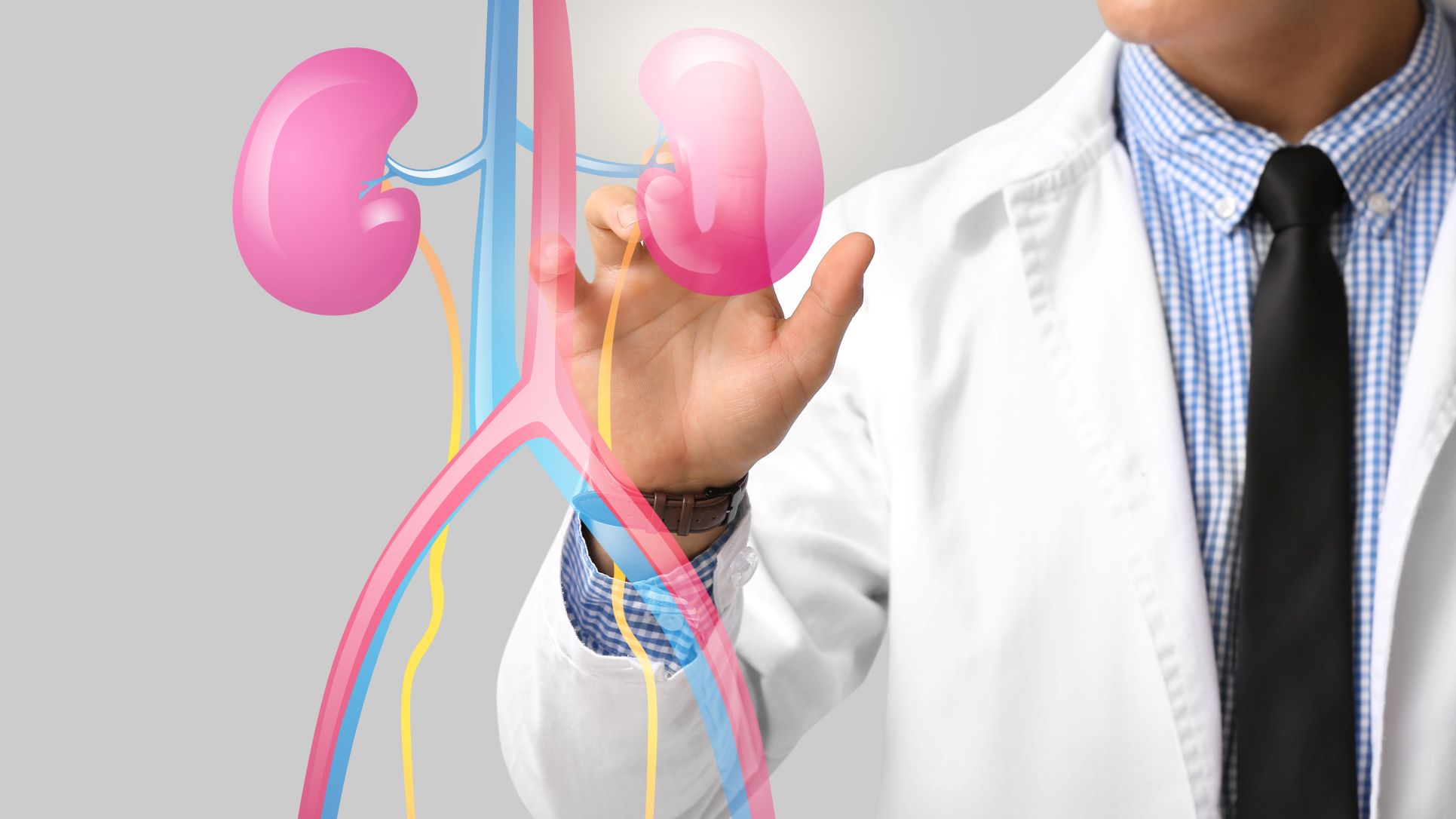
Becoming a dialysis patient can be a major life change, but with proper medical care, nutrition, and regular monitoring, many patients continue to lead active and meaningful lives. Understanding dialysis treatment, fluid management, medications, and long term kidney care is essential for maintaining health and preventing complications.
At Prabhakar Bhurke Clinic, Dr. Sandip Prabhakar Bhurke, a super specialist nephrologist and transplant physician, provides comprehensive dialysis care, chronic kidney disease management, kidney transplant evaluation, and personalized treatment plans for patients with advanced kidney disease.
Who is a dialysis patient
A dialysis patient is someone whose kidneys can no longer adequately remove waste products, excess fluid, and electrolyte imbalances from the body. Dialysis performs some of the important functions that healthy kidneys normally carry out.
Dialysis may be required for:
-
End stage kidney disease
-
Advanced chronic kidney disease
-
Severe acute kidney injury
-
Certain life threatening electrolyte abnormalities
-
Severe fluid overload
The treatment plan is individualized for each patient.
Types of dialysis
The two main types of dialysis are:
Hemodialysis
Blood is filtered through a dialysis machine to remove toxins and excess fluid.
Peritoneal dialysis
The lining of the abdomen acts as a natural filter through a catheter placed in the abdominal cavity.
A nephrologist helps determine which option is most suitable.
Common symptoms before dialysis
Patients with advanced kidney disease may experience:
-
Severe fatigue
-
Swelling of the legs or face
-
Shortness of breath
-
Loss of appetite
-
Nausea
-
Vomiting
-
Itching
-
Muscle cramps
-
Reduced urine output
-
Difficulty concentrating
Dialysis can help relieve many of these symptoms.
What happens during dialysis
During hemodialysis:
-
Blood is circulated through a dialysis machine
-
Waste products are removed
-
Excess fluid is removed
-
Electrolyte balance is corrected
Treatment sessions are performed according to the schedule recommended by the nephrologist.
Dialysis patient diet
Nutrition plays a crucial role in dialysis patient care.
Dietary recommendations may include controlling:
-
Sodium
-
Potassium
-
Phosphorus
-
Fluid intake
-
Protein intake
Adequate nutrition is important because dialysis patients are at risk of protein and calorie deficiency.
Diet should always be individualized based on laboratory results and medical condition.
Fluid management for dialysis patients
Excess fluid intake can lead to:
-
Swelling
-
High blood pressure
-
Shortness of breath
-
Heart strain
-
Difficulty during dialysis
Patients are often advised to monitor:
-
Daily fluid intake
-
Weight changes
-
Swelling
-
Blood pressure
Fluid recommendations vary depending on urine output and dialysis frequency.
Medications commonly used by dialysis patients
Dialysis patients may require medications for:
-
Blood pressure control
-
Anemia treatment
-
Bone and mineral disorders
-
Phosphorus control
-
Vitamin supplementation
-
Diabetes management
-
Heart disease management
Medications should be taken exactly as prescribed.
Common dialysis related complications
Possible complications include:
-
Low blood pressure during dialysis
-
Muscle cramps
-
Fatigue after treatment
-
Infection
-
Vascular access problems
-
Anemia
-
Bone disease
-
Electrolyte imbalance
Regular nephrology follow up helps identify and manage complications early.
Vascular access care
For hemodialysis patients, protecting the dialysis access is extremely important.
Patients should:
-
Keep the access clean
-
Avoid blood pressure measurements on the access arm
-
Avoid heavy pressure on the access
-
Report redness, swelling, pain, or bleeding immediately
Proper access care helps maintain effective dialysis treatment.
Exercise and daily activities
Many dialysis patients can safely participate in:
-
Walking
-
Light exercise
-
Stretching
-
Daily household activities
-
Social activities
Physical activity should be discussed with the treating nephrologist.
Emotional health during dialysis
Living with dialysis can affect emotional well being.
Patients may experience:
-
Anxiety
-
Depression
-
Fatigue
-
Lifestyle changes
-
Financial stress
-
Family concerns
Psychological support and patient education are important parts of long term care.
Can a dialysis patient receive a kidney transplant
Yes. Many dialysis patients are evaluated for kidney transplantation, which may provide better long term quality of life than long term dialysis for suitable candidates.
Evaluation includes:
-
Kidney function assessment
-
Cardiovascular evaluation
-
Infection screening
-
Donor assessment
-
Long term treatment planning
Early transplant evaluation is often beneficial.
Preventing complications
Dialysis patients should:
-
Attend all dialysis sessions
-
Follow dietary recommendations
-
Control blood pressure
-
Manage diabetes
-
Take medications regularly
-
Maintain access hygiene
-
Report new symptoms promptly
-
Attend regular nephrology follow up
Consistent treatment improves long term outcomes.
When should a dialysis patient seek immediate medical attention
Seek urgent medical care if you develop:
-
Fever
-
Chills
-
Chest pain
-
Severe shortness of breath
-
Heavy bleeding from the dialysis access
-
Severe swelling
-
Confusion
-
Persistent vomiting
-
Access infection symptoms
Early treatment can prevent serious complications.
Why choose Dr. Sandip Prabhakar Bhurke
Patients searching for information about dialysis patient care often need comprehensive long term kidney management rather than dialysis treatment alone.
Dr. Sandip Prabhakar Bhurke provides:
-
Super-specialized nephrology expertise
-
Comprehensive dialysis management
-
Chronic kidney disease care
-
Dialysis access guidance
-
Kidney transplant evaluation
-
Post transplant monitoring
-
Personalized long term kidney care
At Prabhakar Bhurke Clinic, the focus is on improving quality of life, preventing complications, optimizing dialysis treatment, and supporting long term kidney health.
Comprehensive dialysis care can improve quality of life
Dialysis is not only a treatment for kidney failure but also a long term partnership between the patient and the nephrology team. Proper diet, fluid control, medication adherence, and regular specialist follow up can help dialysis patients maintain better health and a more active life.
Medical Disclaimer: This article is intended for educational and informational purposes only and should not be considered medical advice, diagnosis, or treatment. Dialysis treatment and kidney failure management require supervision by a qualified nephrologist. If you are a dialysis patient and develop fever, severe swelling, shortness of breath, chest pain, access related problems, or worsening kidney related symptoms, consult Dr. Sandip Prabhakar Bhurke or another qualified healthcare professional immediately.