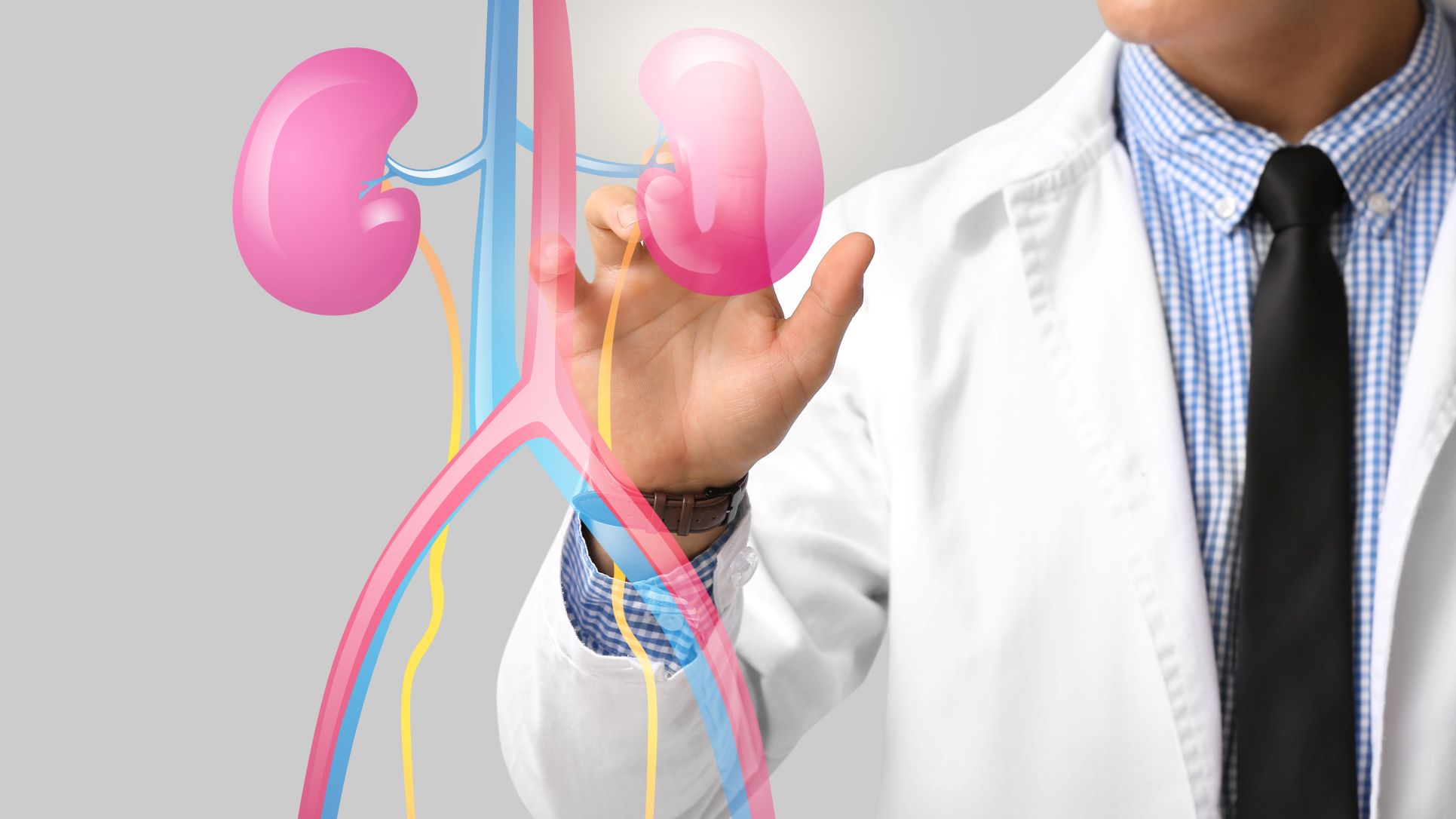
Early stage kidney disease refers to kidney damage or reduced kidney function identified before severe kidney failure develops.
One of the most important things to understand about early kidney disease is that it may cause no obvious symptoms. A person can feel completely well while changes in kidney function or signs of kidney damage are already present.
This is why early testing is particularly important for people at increased risk.
Kidneys perform several essential functions, including:
-
Filtering waste products from the blood
-
Helping control fluid balance
-
Regulating certain electrolytes
-
Supporting blood-pressure regulation
-
Contributing to red blood cell production
-
Helping maintain healthy bone and mineral balance
When kidney damage is detected early, appropriate treatment and monitoring may help protect the remaining kidney function and reduce the risk of further deterioration.
At Prabhakar Bhurke Clinic, Dr. Sandip Prabhakar Bhurke, super specialist nephrologist and transplant physician, provides specialist evaluation and management for patients with early kidney-function abnormalities and chronic kidney disease.
Can Early Stage Kidney Disease Cause Symptoms?
Often, no.
Early kidney disease may progress quietly without noticeable symptoms.
Some people may experience nonspecific symptoms, but these symptoms are not sufficient to diagnose kidney disease.
Possible concerns that may occur include:
-
Changes in urine appearance
-
Foamy urine
-
Blood in urine
-
Swelling around the eyes or ankles
-
High blood pressure
-
Persistent fatigue
However, these symptoms can also occur for many other reasons.
The absence of symptoms does not mean that kidney function is necessarily normal.
What Are the Early Signs of Kidney Disease?
Early signs may sometimes be detected through medical testing rather than symptoms.
Important findings can include:
Protein or Albumin in the Urine
Healthy kidneys normally prevent significant amounts of protein from entering the urine.
Persistent albumin or protein in urine can be an important sign of kidney damage.
A urine albumin-to-creatinine ratio may be used to assess albumin loss.
Reduced eGFR
The estimated glomerular filtration rate, commonly called eGFR, provides an estimate of kidney filtration.
A persistently reduced eGFR may indicate chronic kidney disease.
However, a single result should be interpreted carefully and may need to be repeated.
Elevated Creatinine
Creatinine is a waste product measured through a blood test.
An increase in creatinine may indicate reduced kidney filtration, but creatinine levels can also be influenced by muscle mass, hydration and other factors.
Doctors therefore interpret creatinine together with eGFR and other clinical information.
Blood in the Urine
Blood may sometimes be visible or detected only through laboratory testing.
Blood in urine should be evaluated because kidney disease, stones, infection and other urinary conditions can cause this finding.
What Causes Early Stage Kidney Disease?
Several medical conditions can affect the kidneys.
Common causes and risk factors include:
-
Diabetes
-
High blood pressure
-
Glomerular diseases
-
Recurrent kidney infections
-
Recurrent urinary obstruction
-
Kidney stones in selected circumstances
-
Inherited kidney disorders
-
Certain autoimmune diseases
-
Previous acute kidney injury
-
Long-term exposure to kidney-harming medicines in susceptible individuals
Some people may have more than one risk factor.
Identifying the cause is important because treatment depends on the underlying kidney condition.
Who Is at Higher Risk of Early Kidney Disease?
Kidney testing may be particularly important for people with:
Diabetes
High blood glucose over time can damage the kidneys.
Regular monitoring can help detect diabetic kidney disease before severe loss of kidney function occurs.
High Blood Pressure
Persistent high blood pressure can damage small blood vessels in the kidneys.
Kidney disease can also contribute to high blood pressure, creating a cycle that may worsen kidney function.
Family History of Kidney Disease
Some inherited or familial kidney conditions can increase the likelihood of kidney problems.
Previous Acute Kidney Injury
People who have experienced significant acute kidney injury may have an increased risk of future kidney problems depending on the cause and degree of recovery.
Cardiovascular Disease
Heart and blood-vessel conditions can be closely connected with kidney health.
Recurrent Kidney Stones or Urinary Problems
Repeated obstruction, infection or other urinary complications can affect kidney function in some patients.
Understanding Early CKD Stages
Chronic kidney disease is generally assessed using kidney filtration and markers of kidney damage.
Early stages can include:
Stage 1 Kidney Disease
A person may have a normal or relatively preserved eGFR but evidence of kidney damage, such as persistent albumin in the urine or structural kidney abnormalities.
Stage 2 Kidney Disease
There may be mildly reduced kidney filtration along with evidence of kidney damage.
However, an eGFR result alone does not always establish chronic kidney disease.
Doctors consider whether abnormalities persist and whether other evidence of kidney damage is present.
Why Early Detection Matters
Detecting kidney disease early may allow doctors to address factors that contribute to further kidney damage.
Depending on the underlying condition, management may focus on:
-
Blood-pressure control
-
Diabetes management
-
Reducing albumin loss in urine when appropriate
-
Reviewing medications
-
Avoiding unnecessary kidney-harming substances
-
Treating urinary obstruction
-
Managing kidney inflammation or other specific diseases
-
Monitoring kidney function over time
The aim is often to preserve kidney function and reduce the risk of complications.
Which Tests Can Detect Early Kidney Disease?
Early kidney disease can often be identified using relatively simple blood and urine tests.
Serum Creatinine
A blood creatinine test provides information used to estimate kidney filtration.
eGFR
The eGFR helps estimate how effectively the kidneys are filtering blood.
Trends over time are often more informative than focusing on a single result.
Urine Albumin Testing
Urine albumin testing can help identify early kidney damage, particularly in people with diabetes or hypertension.
Urinalysis
A urine examination may detect:
-
Protein
-
Blood
-
Infection
-
Other abnormalities
Blood Pressure Measurement
Blood-pressure monitoring is an important part of kidney assessment because hypertension can both cause and worsen kidney disease.
Imaging
Ultrasound or other imaging may be recommended when structural kidney problems, obstruction or kidney stones are suspected.
Can Early Kidney Disease Be Reversed?
The answer depends on the cause.
Some temporary reductions in kidney function caused by reversible conditions may improve after appropriate treatment.
Examples may include certain cases related to:
-
Dehydration
-
Urinary obstruction
-
Medication effects
-
Acute illness
Established chronic kidney damage may not always be completely reversible.
However, early treatment may help slow further progression and protect the remaining kidney function.
How Is Early Stage Kidney Disease Treated?
There is no single treatment that works for every type of kidney disease.
The treatment plan depends on the diagnosis.
Controlling Blood Pressure
Appropriate blood-pressure control can be an important part of kidney protection.
The target and medicines used should be individualized.
Managing Diabetes
For people with diabetes, maintaining appropriate glucose control can help reduce the risk of kidney complications.
Certain medicines may provide kidney benefits in selected patients.
The appropriate treatment depends on kidney function and other medical factors.
Reducing Protein Loss in Urine
Some patients with albuminuria or proteinuria may benefit from specific medicines that reduce pressure within the kidney's filtering units.
The suitability of these medicines depends on the patient's blood pressure, potassium and kidney function.
Treating the Underlying Kidney Disease
Specific conditions such as glomerular disease, autoimmune kidney inflammation, infection or obstruction may require disease-specific treatment.
Regular Monitoring
Monitoring may include repeat testing of:
-
Creatinine
-
eGFR
-
Urine albumin
-
Blood pressure
-
Potassium
-
Other relevant laboratory values
Can Drinking More Water Prevent Kidney Disease?
Adequate hydration is important for general health, but drinking excessive amounts of water does not cure kidney disease.
Fluid needs vary according to:
-
Kidney function
-
Heart health
-
Activity
-
Climate
-
Medical conditions
-
Medicines
People with certain kidney or heart conditions may require specific fluid advice.
Fluid intake should therefore be individualized.
Diet and Early Kidney Disease
Dietary recommendations depend on the type and stage of kidney disease.
A doctor or renal dietitian may discuss factors such as:
-
Sodium intake
-
Protein intake
-
Potassium
-
Phosphorus
-
Overall calorie intake
Not everyone with early kidney disease needs severe dietary restrictions.
Unnecessary restrictions can sometimes create nutritional problems.
Foods and Habits That May Affect Kidney Health
Lifestyle measures that may support overall kidney health include:
-
Avoiding excessive dietary salt
-
Managing body weight
-
Controlling diabetes appropriately
-
Monitoring blood pressure
-
Avoiding unnecessary use of potentially kidney-harming painkillers
-
Not smoking
-
Taking prescribed medicines correctly
-
Attending recommended kidney checkups
These measures should complement, not replace, treatment for an underlying kidney condition.
Can Painkillers Affect Early Kidney Disease?
Certain pain medicines, particularly some nonsteroidal anti-inflammatory drugs, can affect kidney function in susceptible people.
Risk may be higher in individuals with:
-
Chronic kidney disease
-
Dehydration
-
Heart failure
-
Advanced age
-
Certain medication combinations
Patients with kidney disease should discuss regular or frequent painkiller use with a qualified healthcare professional.
Should Herbal Kidney Remedies Be Used?
Be cautious about herbal preparations promoted as:
-
Kidney cleansers
-
Kidney detox products
-
Natural kidney cures
-
Creatinine-lowering remedies
Natural products are not automatically safe for the kidneys.
Some products may interact with prescribed medicines or contain substances that can affect kidney function.
Discuss supplements and herbal products with a doctor before using them.
How Often Should Kidney Function Be Checked?
The appropriate testing schedule depends on:
-
Kidney diagnosis
-
eGFR
-
Urine albumin levels
-
Diabetes
-
Blood pressure
-
Other health conditions
Some people may need periodic annual screening, while others with established kidney abnormalities may require more frequent monitoring.
A healthcare professional can recommend an appropriate schedule.
When Should You See a Nephrologist?
A nephrologist may be helpful when there is:
-
Persistently reduced eGFR
-
Rising creatinine
-
Significant albumin or protein in urine
-
Unexplained blood in urine
-
Recurrent acute kidney injury
-
Progressive kidney-function decline
-
Difficult-to-control blood pressure
-
Suspected glomerular disease
-
Structural kidney abnormalities
-
Electrolyte disturbances
Early specialist assessment may help identify the cause and establish an appropriate monitoring and treatment plan.
When Is Kidney Disease an Emergency?
Seek urgent medical care for:
-
Very little or no urine
-
Severe breathlessness
-
Severe or rapidly increasing swelling
-
Chest pain
-
Confusion
-
Persistent vomiting
-
Severe weakness
-
Sudden deterioration in health
These symptoms may indicate serious kidney or systemic complications.
Early Kidney Disease Care at Prabhakar Bhurke Clinic
At Prabhakar Bhurke Clinic, Dr. Sandip Prabhakar Bhurke, super specialist nephrologist and transplant physician, provides individualized evaluation for patients with early signs of kidney dysfunction and chronic kidney disease.
Depending on the clinical situation, kidney care may include:
-
Creatinine and eGFR assessment
-
Urine protein or albumin testing
-
Blood-pressure evaluation
-
Diabetes-related kidney assessment
-
Medication review
-
Investigation of abnormal urine findings
-
Assessment of acute kidney injury
-
Chronic kidney disease monitoring
-
Kidney-protection strategies based on the underlying diagnosis
The treatment plan is based on the patient's individual kidney condition rather than a single laboratory value.
Frequently Asked Questions About Early Stage Kidney Disease
What are the first signs of kidney disease?
Early kidney disease may not cause noticeable symptoms. Protein in urine, reduced eGFR, elevated creatinine or abnormal urine findings may be detected before symptoms develop.
Can early stage kidney disease be cured?
It depends on the cause. Some reversible kidney problems can improve, while established chronic kidney damage may not be completely reversible. Early treatment can often help protect remaining kidney function.
Is early kidney disease serious?
Early kidney disease should not be ignored because some conditions can progress over time. Early diagnosis and treatment may help reduce the risk of further kidney damage.
Can stage 1 kidney disease get worse?
It can, depending on the underlying cause and risk factors. Appropriate monitoring and management can help identify changes and reduce further risk.
What tests detect early kidney disease?
Common tests include serum creatinine, eGFR, urinalysis, urine albumin testing and blood-pressure measurement.
Can a person have kidney disease with normal creatinine?
Yes. Some people may have evidence of kidney damage, such as persistent albumin in the urine, even when creatinine is within a laboratory reference range.
Does early kidney disease require dialysis?
No. Early-stage kidney disease does not require dialysis. Dialysis is considered only in advanced kidney failure when clinically indicated.
Conclusion
Early stage kidney disease can be difficult to recognize because symptoms may be absent or mild.
This makes kidney testing particularly important for people with diabetes, high blood pressure, cardiovascular disease, a family history of kidney problems or previous kidney injury.
Blood tests such as creatinine and eGFR, together with urine testing for albumin and other abnormalities, can help identify kidney problems before severe symptoms develop.
The most effective approach is to determine the underlying cause and manage the factors affecting kidney health. Early treatment, appropriate monitoring and individualized lifestyle measures may help preserve kidney function and reduce the risk of further damage.
For specialist evaluation of abnormal kidney-function tests and early kidney disease, consult Dr. Sandip Prabhakar Bhurke at Prabhakar Bhurke Clinic.
Medical Disclaimer
This article is provided for general educational and informational purposes only and should not be considered medical advice, diagnosis or treatment. Early stage kidney disease may have different causes, and symptoms alone cannot confirm or exclude kidney disease. The interpretation of creatinine, eGFR and urine-test results requires consideration of the patient's medical history, repeated test results and other clinical findings. Do not start, stop or change prescription medicines, painkillers, supplements, herbal products, fluid intake or dietary restrictions without guidance from a qualified healthcare professional. Seek urgent medical attention for very little or no urine, severe breathlessness, chest pain, confusion, persistent vomiting, severe swelling or sudden worsening of health. For individualized kidney evaluation and treatment, consult Dr. Sandip Prabhakar Bhurke or another qualified nephrologist.