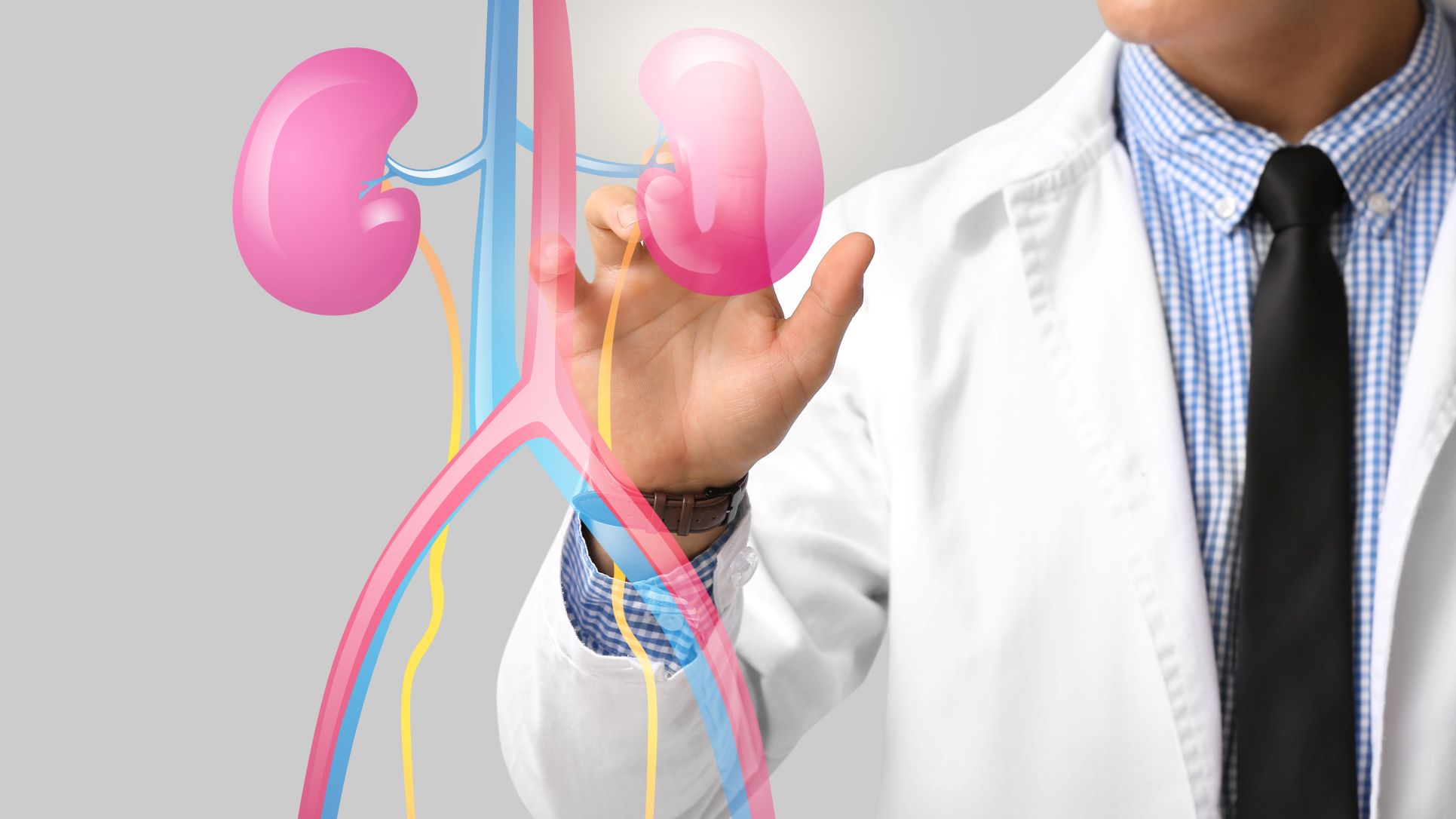
Gout and kidney disease are closely connected conditions that can influence one another.
Gout develops when uric acid levels become elevated and urate crystals accumulate in joints, causing episodes of inflammation and pain. The kidneys play an important role in removing uric acid from the body through urine.
When kidney function decreases, the kidneys may not remove uric acid efficiently. As a result, uric acid can accumulate in the blood.
At the same time, persistent high uric acid and recurrent gout may occur alongside kidney problems and, in some circumstances, contribute to kidney-related complications.
This means that a person with gout may need more than treatment for joint pain. Kidney function and uric acid levels may also need appropriate evaluation.
At Prabhakar Bhurke Clinic, Dr. Sandip Prabhakar Bhurke, super specialist nephrologist and transplant physician, provides individualized evaluation of kidney function, uric acid-related kidney concerns and associated conditions.
What Is Gout?
Gout is a type of inflammatory arthritis caused by the formation of monosodium urate crystals in and around joints.
These crystals can develop when uric acid remains elevated over time.
A gout attack may cause:
-
Sudden severe joint pain
-
Swelling
-
Redness
-
Warmth around the affected joint
-
Significant tenderness
-
Difficulty moving the affected joint
The big toe is a common location, but gout can also affect the ankles, knees, feet, fingers and other joints.
Gout is not simply a joint problem. Because uric acid is closely linked to kidney function, people with recurrent gout may benefit from assessment of their kidney health.
Why Are the Kidneys Important in Gout?
Uric acid is produced when the body breaks down substances called purines.
The kidneys remove a substantial portion of uric acid from the body through urine.
If kidney filtration or uric acid handling is impaired, uric acid may remain elevated.
This can create a cycle in which:
Reduced kidney function → less efficient uric acid removal → higher uric acid → greater risk of gout
However, the relationship is not always this straightforward. High uric acid can occur for multiple reasons, and elevated uric acid alone does not prove that kidney disease is present.
Can Gout Cause Kidney Disease?
Gout and kidney disease can coexist, and severe or longstanding gout may be associated with kidney complications.
Possible kidney-related problems include:
-
Uric acid kidney stones
-
Urinary obstruction from stones
-
Chronic urate deposition in the kidneys in certain circumstances
-
Worsening kidney function in susceptible individuals
However, it is important not to assume that every person with gout will develop kidney failure.
Many other conditions—including diabetes, high blood pressure, cardiovascular disease and certain medications—can affect kidney function.
A proper medical evaluation is therefore more useful than attributing every kidney abnormality to gout.
Can Kidney Disease Cause Gout?
Yes.
When kidney function decreases, uric acid may accumulate because the kidneys cannot eliminate it as effectively.
People with chronic kidney disease may therefore have an increased risk of hyperuricemia and gout.
The risk can become more significant as kidney function declines, although not everyone with chronic kidney disease develops gout.
For this reason, recurrent gout in an adult may be an opportunity to review:
-
Serum uric acid
-
Serum creatinine
-
eGFR
-
Blood pressure
-
Urine findings
-
Medication history
-
Other metabolic risk factors
What Is High Uric Acid?
High uric acid in the blood is called hyperuricemia.
Importantly, hyperuricemia is not the same thing as gout.
Some people have elevated uric acid without ever experiencing a gout attack.
Others develop gout because urate crystals form in tissues.
Therefore, a high uric acid report should be interpreted together with symptoms, medical history and other clinical findings.
Treatment decisions should not be based solely on a laboratory number.
Symptoms That May Suggest Gout
A typical gout attack may begin suddenly and cause intense pain.
Common features include:
-
Severe pain in a joint
-
Swelling
-
Redness
-
Warmth
-
Extreme tenderness
-
Difficulty walking or using the affected joint
-
Repeated attacks involving the same or different joints
Gout attacks may occur after periods without symptoms.
Over time, untreated gout can lead to repeated episodes and, in some patients, deposits of urate crystals called tophi.
Kidney Symptoms in People With Gout
Kidney disease can be silent, especially in its earlier stages.
A person with gout may therefore have reduced kidney function without obvious kidney-specific symptoms.
When kidney disease becomes more advanced, possible symptoms can include:
-
Swelling of the feet or face
-
Changes in urine
-
Foamy urine
-
Reduced urine output
-
Fatigue
-
Nausea
-
Itching
-
Breathlessness
-
High blood pressure
These symptoms are not specific to gout and should not be used to diagnose kidney disease.
Blood and urine testing are often necessary to assess kidney function.
Gout and Kidney Stones
One important connection between gout and the kidneys is uric acid kidney stones.
High uric acid levels can contribute to the formation of uric acid stones in certain individuals.
A person with a history of gout may therefore develop:
-
Flank pain
-
Blood in urine
-
Nausea
-
Pain radiating toward the groin
-
Urinary symptoms
However, not every kidney stone is caused by uric acid.
Kidney stones can contain different substances, including calcium-based minerals.
Stone composition and metabolic evaluation can help determine appropriate prevention strategies.
How Doctors Check Kidney Health in Someone With Gout
A person with gout may need different investigations depending on symptoms, medical history and risk factors.
Serum Creatinine
Creatinine is a blood marker used to assess kidney filtration.
An elevated creatinine level can have several causes and should be interpreted in context.
eGFR
Estimated glomerular filtration rate provides an estimate of kidney filtration.
It is useful for assessing the severity of chronic kidney-function impairment when interpreted appropriately.
Urine Testing
Urine testing may identify:
-
Albumin
-
Protein
-
Blood
-
Infection
-
Other abnormalities
Serum Uric Acid
A uric acid blood test can help assess urate levels.
However, uric acid levels alone do not establish the diagnosis of gout in every patient.
Imaging
If kidney stones or urinary obstruction are suspected, ultrasound or other imaging may be recommended.
Does Lowering Uric Acid Protect the Kidneys?
Controlling uric acid is an important part of managing gout, particularly in people who have recurrent attacks, tophi or other indications for urate-lowering therapy.
However, the question of whether urate-lowering treatment prevents chronic kidney disease progression in people who have high uric acid but do not have gout is more complicated.
Therefore, uric acid should not be treated simply to chase a laboratory number without considering the clinical situation.
For patients with established gout, a doctor may recommend a long-term urate-lowering strategy when appropriate.
Medicines Used to Manage Gout
Treatment can involve two different goals:
Treating an Acute Gout Attack
Depending on the patient's health and kidney function, doctors may use medicines such as:
-
NSAIDs in selected patients
-
Colchicine
-
Corticosteroids
The choice depends on kidney function, age, other medical conditions and possible drug interactions.
People with kidney disease should not self-medicate with painkillers, particularly NSAIDs, because these medicines can potentially worsen kidney function in susceptible individuals.
Long-Term Urate-Lowering Treatment
For people who require long-term urate lowering, doctors may consider medicines such as:
-
Allopurinol
-
Febuxostat
The appropriate medicine and dose depend on individual circumstances.
Patients with kidney disease may require careful dosing and monitoring.
Do not start or change gout medicines without medical advice.
Why Gout Medicines Need Special Attention in Kidney Disease
Kidney function can influence how certain medicines are processed or eliminated.
A treatment that may be appropriate for one person may not be appropriate at the same dose for someone with reduced kidney function.
Doctors may therefore consider:
-
eGFR
-
Age
-
Other medicines
-
Liver function
-
Cardiovascular health
-
Previous medication reactions
-
Frequency and severity of gout attacks
This is particularly important when multiple medicines are being used.
Can Drinking More Water Cure Gout?
Adequate hydration may support normal urinary function and can be useful for some people who are prone to kidney stones.
However, drinking large quantities of water does not cure gout or remove established urate deposits from joints.
Fluid requirements also vary between individuals.
People with advanced kidney disease, heart failure or fluid restrictions should not dramatically increase their water intake without medical advice.
Does Diet Matter in Gout and Kidney Disease?
Diet can form part of gout and kidney-health management, but there is no single diet suitable for every patient.
Depending on the individual's condition, a healthcare professional may discuss:
-
Reducing excessive alcohol intake
-
Limiting foods particularly high in purines
-
Reducing sugary drinks
-
Maintaining a healthy weight
-
Limiting excessive dietary sodium
-
Choosing a balanced eating pattern
-
Maintaining appropriate fluid intake
If chronic kidney disease is also present, dietary recommendations may additionally need to consider protein, potassium, phosphorus and fluid requirements.
A restrictive diet should not be started without appropriate guidance.
Gout, Obesity and Kidney Health
Gout commonly occurs alongside metabolic conditions such as:
-
Obesity
-
High blood pressure
-
Insulin resistance
-
Diabetes
-
Abnormal cholesterol levels
-
Cardiovascular disease
These conditions can also increase the risk of chronic kidney disease.
Improving overall metabolic health may therefore benefit both gout management and kidney health.
Weight reduction, when appropriate, should be gradual and sustainable rather than based on extreme diets.
Gout and High Blood Pressure
High blood pressure is an important risk factor for chronic kidney disease.
People with gout may also have hypertension.
If both conditions are present, regular blood-pressure monitoring becomes particularly important.
Some blood-pressure medicines can also influence uric acid levels, so medication selection should be individualized by the treating doctor.
Patients should never stop or change blood-pressure medicines on their own.
Can Gout Lead to Kidney Failure?
Gout alone does not mean that kidney failure will develop.
However, people with gout may have other risk factors for kidney disease, and certain severe or longstanding urate-related kidney problems can affect kidney function.
The risk of kidney failure is more strongly influenced by the overall condition of the kidneys and other factors such as:
-
Diabetes
-
Hypertension
-
Existing chronic kidney disease
-
Recurrent urinary obstruction
-
Certain medications
-
Cardiovascular disease
-
Other kidney disorders
Regular kidney-function assessment is therefore important for people at increased risk.
What Happens if Someone Has Both Gout and CKD?
When gout and chronic kidney disease occur together, treatment needs to account for both conditions.
The doctor may monitor:
-
Uric acid
-
Creatinine
-
eGFR
-
Urine albumin
-
Blood pressure
-
Potassium
-
Other relevant laboratory values
Medication doses may need adjustment according to kidney function.
Dietary advice may also need to be personalized.
The goal is to control gout while protecting remaining kidney function and avoiding unnecessary medication-related kidney injury.
Can Gout Be Completely Cured?
Gout can often be effectively controlled, but it generally requires appropriate long-term management.
Acute attacks can be treated, while urate-lowering therapy may be used in patients who meet appropriate indications.
Maintaining uric acid at an appropriate target over time can reduce crystal formation and help prevent future gout attacks.
Treatment goals differ between patients and should be determined by the treating physician.
When Should Someone With Gout See a Nephrologist?
A nephrologist may be appropriate when a person with gout has:
-
Elevated creatinine
-
Reduced eGFR
-
Persistent protein or albumin in urine
-
Recurrent kidney stones
-
Uric acid stones
-
High blood pressure that is difficult to control
-
Progressive kidney-function decline
-
Swelling
-
Reduced urine output
-
Known chronic kidney disease
A kidney specialist can assess whether the kidney abnormality is related to gout, another medical condition or multiple contributing factors.
When Is Gout With Kidney Symptoms an Emergency?
Urgent medical attention is important when symptoms suggest a potentially serious kidney or urinary complication.
Seek prompt medical care for:
-
Very little or no urine
-
Severe flank pain
-
Fever or chills with urinary symptoms
-
Persistent vomiting
-
Severe breathlessness
-
Confusion
-
Rapidly increasing swelling
-
Sudden severe weakness
-
Rapid worsening of overall health
A urinary infection occurring behind an obstruction can be particularly serious and may require urgent treatment.
How Can You Protect Your Kidneys if You Have Gout?
If you have gout, practical kidney-protection measures may include:
-
Monitor kidney function when recommended.
-
Keep blood pressure under appropriate control.
-
Manage diabetes if present.
-
Take gout medicines exactly as prescribed.
-
Avoid unnecessary NSAID use.
-
Avoid unverified herbal or "kidney cleansing" products.
-
Maintain an appropriate body weight.
-
Follow individualized dietary advice.
-
Maintain appropriate hydration.
-
Investigate recurrent kidney stones.
-
Attend regular medical follow-up.
The objective is not simply to reduce uric acid but to manage the patient's overall health.
Gout and Kidney Disease Evaluation at Prabhakar Bhurke Clinic
At Prabhakar Bhurke Clinic, Dr. Sandip Prabhakar Bhurke, super specialist nephrologist and transplant physician, provides individualized evaluation for patients with kidney disease, abnormal kidney-function tests and uric acid-related kidney concerns.
Depending on the clinical situation, assessment may include:
-
Kidney-function evaluation
-
Creatinine and eGFR review
-
Urine testing
-
Blood-pressure assessment
-
Uric acid evaluation
-
Kidney stone assessment
-
Medication review
-
Evaluation of chronic kidney disease risk factors
-
Monitoring of kidney function during treatment
Where appropriate, coordinated care with other specialists may be recommended for comprehensive gout and joint management.
Frequently Asked Questions
Can gout damage the kidneys?
Gout can be associated with kidney complications, including uric acid kidney stones and certain forms of urate-related kidney injury. However, not every person with gout develops kidney disease.
Does kidney disease cause high uric acid?
Yes. Reduced kidney function can decrease uric acid elimination and contribute to elevated blood uric acid levels.
Is high uric acid always gout?
No. Some people have hyperuricemia without developing gout symptoms or urate crystal arthritis.
Can gout cause kidney stones?
Yes. Elevated uric acid can contribute to uric acid kidney stones in some people. However, many kidney stones are made of other substances.
Can I take painkillers for gout if I have kidney disease?
Some painkillers, particularly NSAIDs, can be risky for people with reduced kidney function. Speak with a doctor before taking them.
Does drinking more water lower uric acid?
Adequate hydration can support urinary health, but drinking excessive water is not a cure for gout and may be unsafe for some people with kidney or heart conditions.
Should people with gout get kidney tests?
Kidney testing may be appropriate, particularly when gout is recurrent or when other kidney-disease risk factors or symptoms are present. A doctor can determine which tests are necessary.
Can gout and kidney disease be treated together?
Yes. Treatment can be coordinated to control gout while considering kidney function, medication safety, blood pressure, diet and other health conditions.
Conclusion
Gout and kidney disease have an important two-way relationship. Reduced kidney function can make it harder for the body to eliminate uric acid, while gout and high uric acid may be associated with kidney complications such as uric acid stones and, in selected circumstances, urate-related kidney injury.
However, high uric acid does not automatically mean kidney disease, and having gout does not mean that kidney failure is inevitable.
The right approach is to evaluate uric acid levels, kidney function, urine findings, medications, blood pressure and other health factors together.
If you have recurrent gout, kidney stones, elevated creatinine, reduced eGFR or other kidney-related concerns, appropriate specialist evaluation can help identify the underlying problem and guide treatment.
For individualized kidney care, consult Dr. Sandip Prabhakar Bhurke at Prabhakar Bhurke Clinic.
Medical Disclaimer
This article is intended for general educational and informational purposes only and should not be considered medical advice, diagnosis or treatment. Gout, hyperuricemia and kidney disease can have different causes and may require different treatment approaches. Do not start, stop or change gout medicines, painkillers, blood-pressure medicines, supplements or fluid intake without consulting a qualified healthcare professional. People with kidney disease should take particular care with NSAIDs and other medicines that may affect kidney function. Seek urgent medical attention for very little or no urine, severe flank pain with fever or chills, persistent vomiting, severe breathlessness, confusion, rapidly increasing swelling or sudden deterioration in health. For individualized diagnosis and treatment, consult Dr. Sandip Prabhakar Bhurke or another qualified nephrologist.