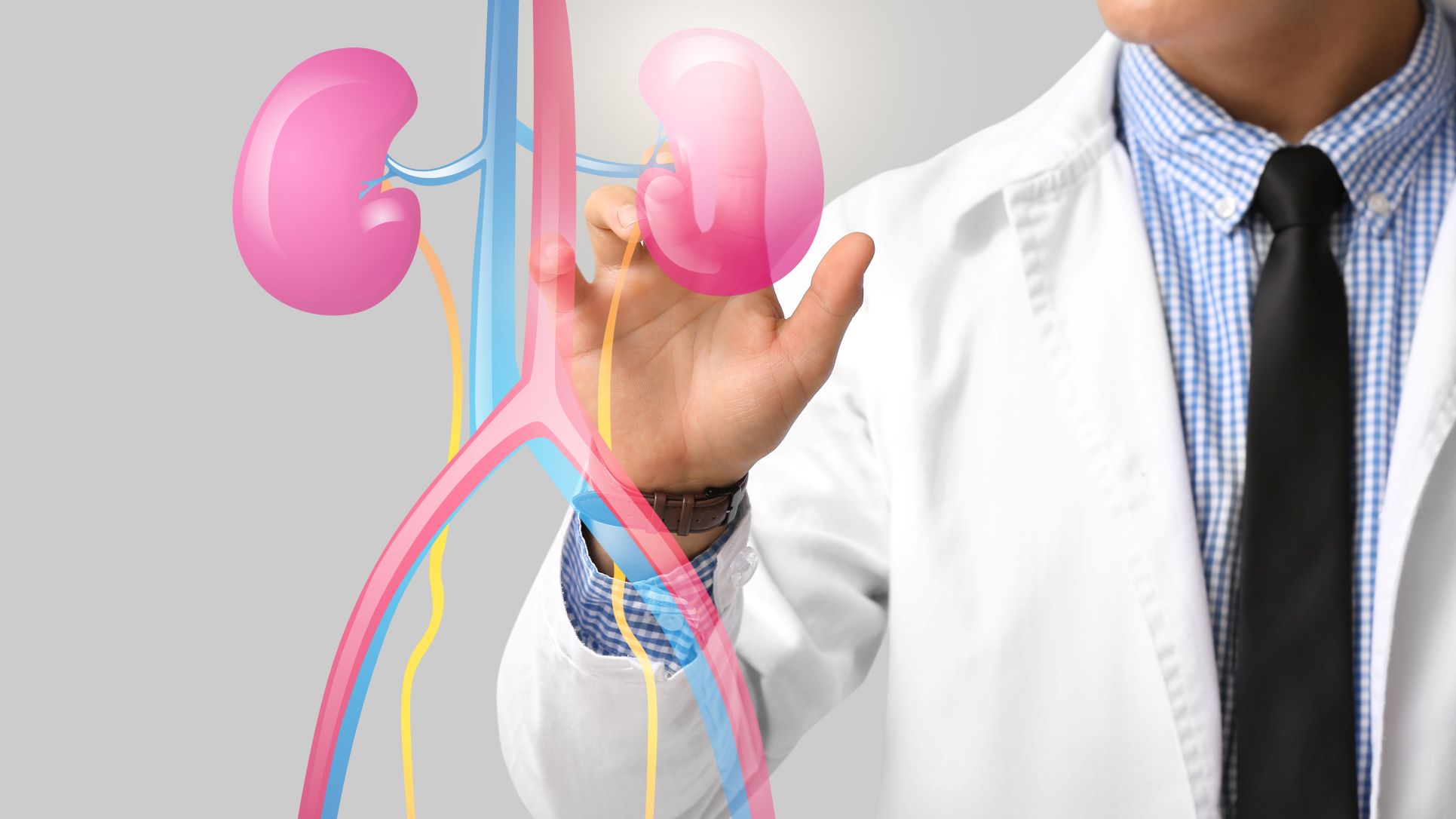
Kidney impairment means that the kidneys are not functioning as effectively as expected. The degree of impairment can range from a temporary reduction in kidney function to long-term chronic kidney disease.
The kidneys perform several essential functions. They filter waste and excess fluid from the blood, help regulate electrolytes and blood pressure, support red blood cell production and contribute to maintaining healthy bones.
Kidney impairment may develop suddenly, as in acute kidney injury (AKI), or gradually over time as part of chronic kidney disease (CKD).
Recognizing the cause and severity is important because some forms of reduced kidney function can improve when treated promptly, while chronic kidney damage may require long-term management.
At Prabhakar Bhurke Clinic, Dr. Sandip Prabhakar Bhurke, super specialist nephrologist and transplant physician, provides evaluation and management of kidney disorders and reduced kidney function.
What Causes Kidney Impairment?
Kidney impairment can have many possible causes.
Diabetes
Long-term high blood sugar can damage the kidney's filtering structures and lead to albumin leakage into the urine.
High Blood Pressure
Persistent uncontrolled blood pressure can damage kidney blood vessels and gradually reduce kidney function.
Acute Kidney Injury
A sudden decline in kidney function can occur due to:
-
Severe dehydration
-
Serious infections
-
Low blood pressure
-
Major blood loss
-
Certain medicines
-
Urinary obstruction
-
Severe illness or surgery
Some cases of AKI can improve after the underlying cause is treated.
Kidney Stones and Urinary Blockage
A stone or another obstruction can interfere with normal urine flow. Prolonged or severe obstruction may affect kidney function.
Glomerular Diseases
Diseases affecting the kidney's filtering units can cause proteinuria, blood in the urine and declining kidney function.
Inherited Kidney Disorders
Certain genetic conditions can progressively affect the kidneys.
Medication-Related Kidney Injury
Some medicines can affect kidney function, especially when taken incorrectly, in excessive doses or in people who already have reduced kidney function.
Symptoms of Kidney Impairment
Mild kidney impairment may produce no obvious symptoms.
As kidney function declines, symptoms can become more noticeable.
Possible symptoms include:
-
Swelling around the feet, ankles or face
-
Changes in urination
-
Foamy urine
-
Blood in urine
-
Fatigue
-
Reduced appetite
-
Nausea
-
Itching
-
Muscle cramps
-
Difficulty concentrating
-
Breathlessness due to fluid accumulation in advanced cases
These symptoms are not specific to kidney disease and can occur with other medical conditions.
Can Kidney Impairment Cause Back or Side Pain?
Kidney impairment itself does not always cause pain.
Pain around the side or back may instead be associated with conditions such as:
-
Kidney stones
-
Kidney infection
-
Urinary obstruction
-
Certain cystic kidney disorders
-
Other conditions affecting the urinary tract
Persistent or severe pain should be medically assessed rather than automatically attributed to kidney disease.
How Is Kidney Impairment Diagnosed?
Kidney function cannot be determined accurately from symptoms alone.
Doctors commonly use blood and urine testing along with medical history and, when needed, imaging.
Serum Creatinine
Creatinine is a waste product measured in the blood. The kidneys normally remove it from circulation.
An elevated creatinine level may indicate reduced kidney filtration, but it can also be influenced by factors other than kidney disease.
eGFR
The estimated glomerular filtration rate (eGFR) provides an estimate of kidney filtration.
A lower eGFR can indicate reduced kidney function, but the result needs to be interpreted in context.
Urine Albumin Testing
Albumin in the urine can be an important marker of kidney damage.
A urine albumin-to-creatinine ratio (UACR) may be used to assess persistent albumin leakage.
Urinalysis
Urine testing can identify:
-
Protein
-
Blood
-
Signs of infection
-
Other abnormalities
Kidney Imaging
Ultrasound or other imaging may be recommended to look for:
-
Kidney stones
-
Urinary obstruction
-
Structural abnormalities
-
Kidney size changes
-
Cysts or other findings
Acute vs Chronic Kidney Impairment
Understanding whether kidney impairment is acute or chronic is essential.
Acute Kidney Impairment
Acute kidney injury develops over a short period.
Potentially reversible causes include dehydration, infection, obstruction and certain medication-related injuries.
Chronic Kidney Impairment
Chronic kidney disease develops over at least three months and may result from diabetes, hypertension, glomerular diseases, inherited conditions and other causes.
Permanent chronic kidney damage generally cannot simply be reversed, but appropriate treatment can help slow progression.
Stages of Chronic Kidney Disease
CKD is commonly categorized according to eGFR.
| CKD Category | eGFR |
|---|---|
| G1 | 90 or higher |
| G2 | 60–89 |
| G3a | 45–59 |
| G3b | 30–44 |
| G4 | 15–29 |
| G5 | Less than 15 |
However, an eGFR value alone does not establish CKD. Evidence of kidney damage and persistence over time are also important.
Treatment for Kidney Impairment
There is no single medicine that treats every form of kidney impairment.
Treatment depends on the underlying cause and severity.
Managing Blood Pressure
Keeping blood pressure within the target recommended by your doctor can help protect kidney and cardiovascular health.
Managing Diabetes
For people with diabetes, appropriate blood sugar management can reduce the risk of kidney complications.
Reducing Albuminuria
When albumin is persistently present in the urine, specific kidney-protective medicines may be appropriate depending on the patient's condition.
Treating Infections
Kidney or urinary infections may require appropriate antimicrobial treatment.
Relieving Urinary Obstruction
If impaired kidney function is caused by obstruction, restoring urine flow may be an important part of treatment.
Managing Kidney Stones
Treatment depends on the stone's size, location, composition and associated symptoms or complications.
Treating Specific Kidney Diseases
Some autoimmune or inflammatory kidney diseases may require specialized treatment based on the exact diagnosis.
Diet for Reduced Kidney Function
Dietary requirements vary considerably between patients.
Depending on kidney function and laboratory results, a doctor or renal dietitian may recommend adjustments to:
-
Sodium
-
Protein
-
Potassium
-
Phosphorus
-
Fluid intake
A person with early kidney impairment may not need the same restrictions as someone with advanced CKD.
Avoid following highly restrictive “kidney diets” found online without professional advice.
Lifestyle Measures That Support Kidney Health
Along with medical treatment, healthy lifestyle habits can help reduce risk factors associated with kidney disease.
Stay Physically Active
Regular activity can support cardiovascular health, weight management and blood pressure control.
Maintain a Healthy Weight
A healthy body weight can help reduce the risk associated with diabetes and hypertension.
Avoid Smoking
Smoking increases cardiovascular risk and can negatively affect overall health.
Use Medicines Carefully
Do not routinely take painkillers, supplements or herbal products without checking whether they are appropriate for you.
Keep Medical Appointments
Regular testing can help identify changes in kidney function before significant symptoms develop.
Can Kidney Impairment Be Reversed?
The possibility of recovery depends on the cause.
Acute kidney impairment may improve significantly if the underlying problem is identified and treated early.
For example, kidney function may improve after treatment of:
-
Dehydration
-
Certain infections
-
Urinary obstruction
-
Some medication-related kidney injuries
Established chronic kidney impairment generally involves permanent damage. However, progression can sometimes be slowed through appropriate treatment and risk-factor management.
What Happens If Kidney Function Continues to Decline?
Advanced kidney impairment can lead to complications involving:
-
Fluid balance
-
Electrolytes
-
Blood pressure
-
Red blood cell production
-
Bone and mineral metabolism
-
Cardiovascular health
When kidney function becomes severely reduced, treatment options may include dialysis or kidney transplantation for medically suitable patients.
Planning early can help patients understand their options before an emergency situation develops.
When Should You See a Nephrologist?
Consider consulting a kidney specialist if you have:
-
Persistently high creatinine
-
Reduced eGFR
-
Protein or albumin in urine
-
Repeated blood in urine
-
Uncontrolled hypertension
-
Diabetes with kidney abnormalities
-
Recurrent kidney infections
-
Kidney stones with complications
-
A family history of significant kidney disease
-
Rapidly changing kidney function
A nephrologist can help determine the cause of kidney impairment and develop an appropriate monitoring or treatment plan.
Kidney Impairment Care at Prabhakar Bhurke Clinic
At Prabhakar Bhurke Clinic, Dr. Sandip Prabhakar Bhurke provides super specialist nephrology and transplant-related medical care.
Evaluation may involve:
-
Kidney function testing
-
Urine protein and albumin assessment
-
Blood pressure evaluation
-
Diabetes-related kidney assessment
-
Medication review
-
Kidney imaging
-
Investigation of acute kidney injury
-
Chronic kidney disease management
-
Dialysis-related care
-
Kidney transplant evaluation when appropriate
The treatment approach is tailored to the patient's diagnosis, kidney function and overall medical condition.
Frequently Asked Questions
What does kidney impairment mean?
Kidney impairment means that kidney function is reduced or there is evidence of kidney damage. It can be temporary or chronic depending on the cause.
What are the early signs of kidney impairment?
Early kidney impairment often causes no noticeable symptoms. Protein or albumin in urine and abnormal kidney blood tests may reveal the problem.
Is kidney impairment the same as kidney failure?
No. Kidney impairment is a broad term describing reduced kidney function or kidney damage. Kidney failure refers to severe loss of kidney function requiring advanced management.
Can high creatinine always mean kidney impairment?
No. Creatinine can be affected by several factors. A doctor interprets creatinine together with eGFR, previous results, medical history and other tests.
Can kidney impairment get better?
Some acute causes can improve substantially with appropriate treatment. Chronic kidney disease generally cannot be completely reversed, but its progression may be slowed.
Conclusion
Kidney impairment can range from a temporary reduction in kidney function to long-term chronic kidney disease. Because early kidney problems may cause few symptoms, blood and urine testing can be important for identifying abnormalities.
Finding the underlying cause is the first step toward appropriate treatment. Managing blood pressure and diabetes, treating infections or obstruction, using medicines safely and following an individualized lifestyle plan can help protect kidney function.
If you have abnormal creatinine or eGFR results, persistent protein in urine or other concerns about kidney health, consult a nephrologist for proper evaluation.
For specialized kidney care, consult Dr. Sandip Prabhakar Bhurke at Prabhakar Bhurke Clinic.
Medical Disclaimer
This article is intended for general educational purposes only and does not constitute medical advice, diagnosis or treatment. Kidney impairment has numerous possible causes, and the appropriate investigation and treatment vary from person to person. Do not start, stop or change prescription medicines, supplements or dietary restrictions based solely on online information. Seek prompt medical attention for very little or no urine, severe breathlessness, chest pain, confusion, severe swelling or sudden deterioration in health. Consult Dr. Sandip Prabhakar Bhurke or another qualified nephrologist for personalized evaluation and treatment.