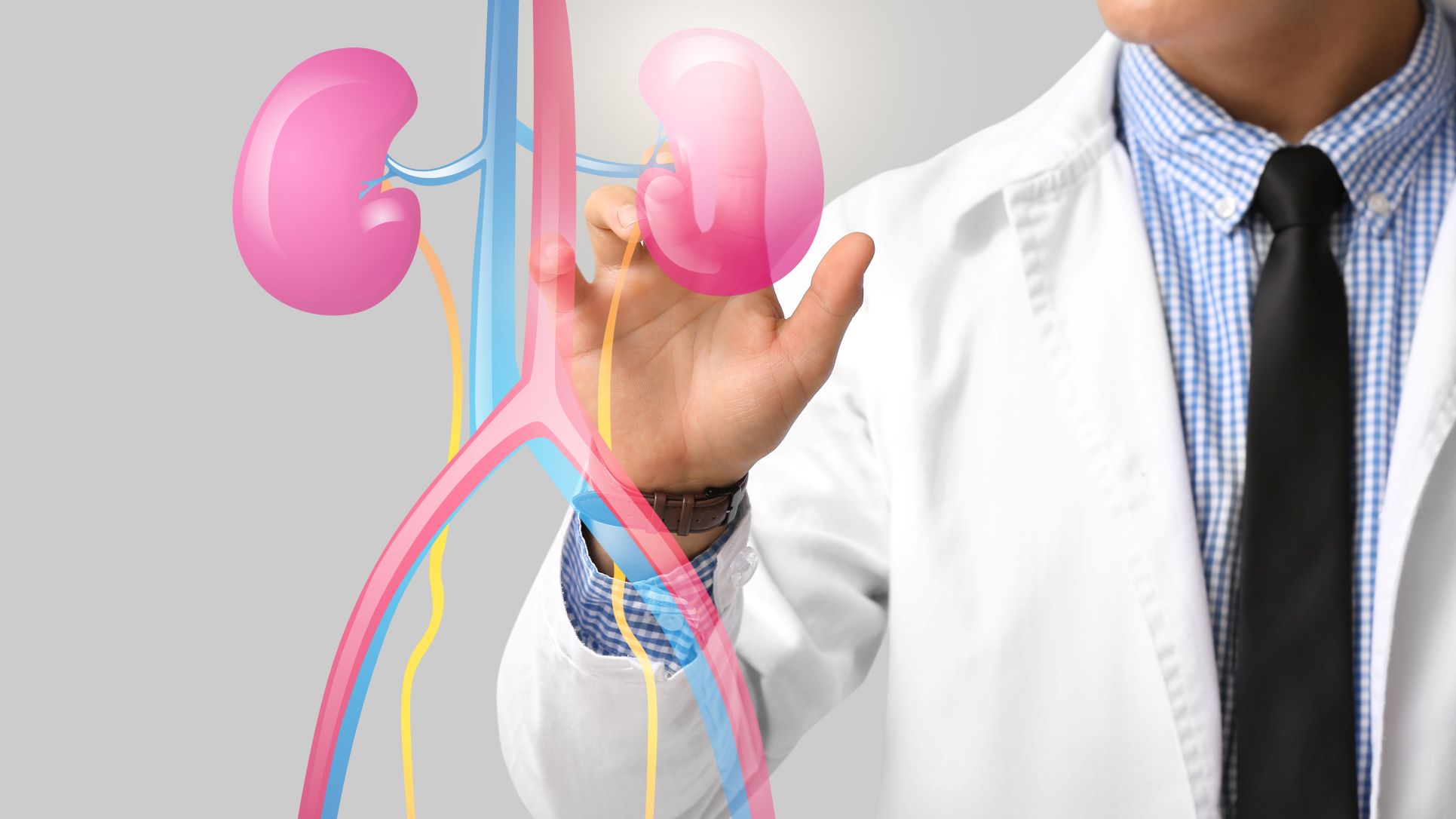
Pain on the left side of the back or abdomen is often described by patients as left kidney pain. However, not every pain in the left side of the body is caused by the kidney.
The kidneys are located toward the back of the upper abdomen, on either side of the spine. Pain originating from the left kidney is often felt in the left flank, which is the area between the lower ribs and the hip.
People searching for kidney pain symptoms left side may experience a dull ache, sudden severe pain, pain that comes and goes or discomfort that spreads toward the lower abdomen or groin.
Possible causes can include kidney stones, kidney infection, urinary obstruction, cysts and other kidney or urinary conditions. Muscles, nerves, the spine and abdominal organs can also cause pain in a similar location.
At Prabhakar Bhurke Clinic, Dr. Sandip Prabhakar Bhurke, super specialist nephrologist and transplant physician, provides specialist evaluation for kidney-related symptoms, abnormal kidney-function tests and other nephrology concerns.
Where Is Left Kidney Pain Usually Felt?
Pain associated with the left kidney is often felt:
-
Below the left rib cage toward the back
-
Along the left side of the spine
-
In the left flank
-
Around the upper part of the lower back
-
Sometimes extending toward the lower abdomen
-
Occasionally radiating toward the groin
The exact location can vary depending on the underlying cause.
For example, a kidney stone moving through the ureter may cause pain that travels from the back or flank toward the groin.
Common Kidney Pain Symptoms on the Left Side
Symptoms accompanying left-sided kidney pain may provide important clues about the possible cause.
These can include:
-
Persistent left flank pain
-
Sudden severe pain
-
Pain that comes in waves
-
Burning while urinating
-
Frequent urination
-
Blood in the urine
-
Cloudy urine
-
Foul-smelling urine
-
Fever or chills
-
Nausea or vomiting
-
Reduced urine output
-
Pain spreading toward the groin
The combination of symptoms can help doctors determine whether the pain may be related to the kidney or another part of the body.
1. Kidney Stones
A kidney stone is one of the common causes of sudden and severe flank pain.
A stone can remain inside the kidney without causing significant symptoms. However, when a stone moves into the ureter or blocks the flow of urine, pain can become intense.
Kidney stone pain may:
-
Begin suddenly
-
Become severe
-
Come and go in waves
-
Travel from the left flank toward the abdomen or groin
-
Be associated with nausea or vomiting
-
Occur with blood in the urine
The severity of pain does not always indicate the size of the stone. Even a relatively small stone can cause severe pain if it obstructs urine flow.
2. Kidney Infection
A kidney infection can cause pain on one or both sides of the back.
Symptoms may include:
-
Flank pain
-
Fever
-
Chills
-
Burning during urination
-
Frequent urination
-
Cloudy urine
-
Nausea
-
Vomiting
-
General weakness
A suspected kidney infection requires medical evaluation because untreated infection can become serious.
The risk can be especially significant when infection occurs together with urinary obstruction.
3. Urinary Obstruction
Urine normally flows from the kidney through the ureter to the bladder.
If this pathway becomes blocked, pressure can build up inside the kidney.
Possible causes of obstruction include:
-
Kidney stones
-
Narrowing of the urinary tract
-
Blood clots
-
Enlarged surrounding structures
-
Certain tumors or masses
-
Structural abnormalities
Obstruction may cause flank pain, reduced urine flow and changes in kidney function.
Persistent obstruction can potentially damage the kidney if not appropriately treated.
4. Kidney Cysts
Some kidney cysts do not cause symptoms and are discovered incidentally during imaging.
However, larger or complicated cysts may occasionally cause discomfort or pain.
The significance of a kidney cyst depends on factors such as:
-
Size
-
Number of cysts
-
Appearance on imaging
-
Presence of bleeding or infection
-
Associated kidney abnormalities
A doctor may recommend follow-up imaging or further evaluation depending on the findings.
5. Kidney Inflammation or Other Kidney Diseases
Certain kidney diseases may cause discomfort, but many chronic kidney conditions do not produce noticeable kidney pain.
For this reason, persistent left-sided pain should not automatically be assumed to indicate chronic kidney disease.
Blood tests, urine examination and imaging may be required to identify the actual cause.
Is Left Side Back Pain Always Kidney Pain?
No.
Pain in the area where the left kidney is located can also result from non-kidney conditions.
Possible causes may include:
-
Muscle strain
-
Spinal problems
-
Nerve irritation
-
Rib or joint problems
-
Digestive conditions
-
Pancreatic conditions
-
Other abdominal conditions
Kidney pain may be more likely when flank discomfort occurs together with urinary symptoms, fever, blood in the urine, nausea or significant changes in urine output.
However, symptoms alone cannot confirm the diagnosis.
Kidney Pain Versus Muscle Pain
Muscle pain is often affected by movement, exercise or changes in body position.
For example, pain may worsen when:
-
Bending
-
Twisting
-
Lifting
-
Pressing on a muscle
-
Changing posture
Kidney-related pain may not change significantly with ordinary movement or stretching.
However, this distinction is not always reliable. A medical evaluation may be needed when the cause of pain is unclear.
Left Kidney Pain and Blood in the Urine
Blood in the urine can occur with kidney stones, urinary infections, kidney disease and other urinary conditions.
Blood may be visible to the eye or detected only during a laboratory test.
Any unexplained blood in the urine should be medically evaluated.
The presence of blood together with severe flank pain may require investigation for a kidney stone or another urinary problem.
Left Side Kidney Pain and Frequent Urination
Frequent urination with left-sided pain can occur in urinary conditions, including infection or irritation caused by a stone.
However, frequent urination can also result from:
-
High fluid intake
-
Diabetes
-
Bladder conditions
-
Certain medicines
-
Other medical causes
Urine testing can help identify infection, blood, protein and other abnormalities.
Can Kidney Pain Occur Without Urinary Symptoms?
Yes.
A person may experience kidney or flank pain without burning urination, frequent urination or visible blood in the urine.
For example, some kidney stones and structural abnormalities may initially cause only pain.
Conversely, some serious kidney conditions may cause few or no symptoms.
Persistent or unexplained flank pain should therefore be evaluated rather than self-diagnosed.
Tests Used to Investigate Left-Sided Kidney Pain
The appropriate tests depend on the symptoms and suspected cause.
Urine Examination
Urine testing may help identify:
-
Blood
-
Infection
-
Protein
-
Crystals
-
Other abnormalities
Blood Tests
Depending on the clinical situation, doctors may check:
-
Serum creatinine
-
eGFR
-
Urea
-
Electrolytes
-
Blood count
-
Markers of infection when appropriate
Ultrasound
An ultrasound can help assess:
-
Kidney size
-
Stones
-
Cysts
-
Swelling caused by obstruction
-
Structural abnormalities
CT Scan
A CT scan may be recommended when more detailed information is needed, particularly for suspected urinary stones or obstruction.
When Is Left Kidney Pain an Emergency?
Seek urgent medical attention if left-sided flank pain is associated with:
-
Fever or chills
-
Severe or rapidly worsening pain
-
Persistent vomiting
-
Very little or no urine
-
Severe weakness
-
Confusion
-
Significant blood in the urine
-
Difficulty breathing
-
Sudden deterioration in health
Severe pain with fever can be particularly concerning when a urinary obstruction is present.
An infected and blocked urinary system may require urgent treatment.
Can Drinking More Water Cure Left Kidney Pain?
Not necessarily.
Drinking an appropriate amount of fluid may be important for general health, but excessive water intake does not treat every cause of kidney pain.
For example, forcing large amounts of water may not remove a stone causing obstruction.
Some people with advanced kidney disease or heart conditions may also require fluid restrictions.
Fluid intake should therefore be based on individual medical advice.
Should You Take Pain Medicine for Suspected Kidney Pain?
Pain relief may be required for kidney stones or other painful conditions, but the safest medicine depends on:
-
Kidney function
-
The cause of pain
-
Other medical conditions
-
Current medicines
-
Risk of bleeding
-
Hydration status
Some pain medicines may not be appropriate for people with reduced kidney function.
Avoid taking repeated or high doses of pain medicines without medical guidance when kidney disease is suspected.
How Is Left Kidney Pain Treated?
There is no single treatment for all causes of left-sided kidney pain.
Treatment depends on the diagnosis.
If a Kidney Stone Is Found
Management may include:
-
Pain management
-
Observation for selected stones
-
Medical expulsive therapy in appropriate cases
-
Ureteroscopy
-
Laser lithotripsy
-
Shock wave lithotripsy
-
PCNL for selected larger or complex stones
If an Infection Is Identified
Treatment may involve appropriate antimicrobial therapy.
If urine flow is obstructed, restoring drainage may also be necessary.
If Obstruction Is Present
The priority may be relieving the blockage.
Depending on the cause, treatment may involve a ureteral stent, nephrostomy or another appropriate procedure.
If Kidney Function Is Reduced
The nephrologist may investigate whether the pain is associated with acute kidney injury, chronic kidney disease, obstruction or another condition.
Treatment is directed toward protecting remaining kidney function and managing the underlying problem.
Can Chronic Kidney Disease Cause Left Kidney Pain?
Chronic kidney disease often does not cause pain directly, particularly during its early stages.
Many people with chronic kidney disease have no noticeable symptoms initially.
When kidney pain occurs, another condition such as a stone, infection, obstruction or cyst may need to be considered.
Kidney-function tests can help determine whether kidney filtration is normal or reduced.
How to Protect Kidney Health When You Have Kidney Pain
Until the cause is identified, helpful precautions may include:
-
Do not ignore persistent or severe flank pain.
-
Avoid excessive use of pain medicines without medical advice.
-
Do not rely on unproven kidney-cleansing products.
-
Stay appropriately hydrated according to your medical condition.
-
Complete recommended blood and urine tests.
-
Seek treatment promptly if fever or urinary symptoms occur.
-
Follow advice regarding kidney stones or recurrent urinary infections.
-
Attend specialist follow-up when kidney-function abnormalities are identified.
Kidney Pain Evaluation at Prabhakar Bhurke Clinic
At Prabhakar Bhurke Clinic, Dr. Sandip Prabhakar Bhurke, super specialist nephrologist and transplant physician, provides specialist assessment for kidney-related symptoms and kidney-function concerns.
Depending on the patient's symptoms, evaluation may include:
-
Review of left-sided flank pain
-
Kidney-function assessment
-
Serum creatinine and eGFR testing
-
Urine examination
-
Assessment for blood or protein in urine
-
Review of ultrasound or CT scan findings
-
Investigation of possible urinary obstruction
-
Evaluation of kidney stones and their effect on kidney function
-
Assessment of kidney infections
-
Chronic kidney disease evaluation
-
Coordination with appropriate specialists when a surgical or urological procedure is required
The treatment plan depends on the actual cause of the pain rather than the location of discomfort alone.
Frequently Asked Questions About Kidney Pain Symptoms on the Left Side
What does left kidney pain feel like?
Left kidney pain may feel like a dull ache, pressure or sharp pain in the left flank. Kidney stone pain can become severe and may occur in waves.
Can kidney stones cause pain on the left side?
Yes. A stone affecting the left kidney or left ureter can cause left-sided flank pain and may also cause nausea, vomiting or blood in the urine.
Does kidney infection cause pain on the left side?
Yes. A left-sided kidney infection can cause pain in the left flank, often accompanied by fever, chills and urinary symptoms.
Is pain in the left kidney area always caused by the kidney?
No. Muscles, the spine, nerves and abdominal organs can also cause pain in the same region.
When should I see a doctor for left kidney pain?
Medical evaluation is advisable for persistent, unexplained or recurrent flank pain, particularly when it occurs with fever, urinary changes, blood in the urine, vomiting or reduced urine output.
Can kidney disease cause pain on only one side?
Some kidney and urinary conditions can affect one side, but chronic kidney disease itself often does not cause localized pain. Testing is needed to determine the cause.
Conclusion
Kidney pain symptoms on the left side can have several possible causes, including kidney stones, infection, urinary obstruction, cysts and other kidney or urinary conditions. At the same time, pain in the left flank is not always related to the kidney.
Symptoms such as fever, blood in the urine, severe pain, vomiting, reduced urine output or urinary changes should not be ignored.
Accurate diagnosis may require urine testing, blood tests and imaging. The correct treatment depends on the underlying cause and whether kidney function or urine drainage has been affected.
For specialist evaluation of kidney symptoms, abnormal kidney-function tests and kidney-related conditions, consult Dr. Sandip Prabhakar Bhurke, super specialist nephrologist and transplant physician, at Prabhakar Bhurke Clinic.
Medical Disclaimer
This article is provided for general educational and informational purposes only and should not be considered medical advice, diagnosis or treatment. Pain on the left side of the back or abdomen is not always caused by the kidney and may have multiple medical causes. The appropriate diagnosis requires evaluation by a qualified healthcare professional and may involve blood tests, urine tests or imaging. Do not self-diagnose kidney pain or take unprescribed medicines based solely on information in this article. Seek urgent medical attention for severe or worsening pain, fever, chills, persistent vomiting, very little or no urine, significant blood in the urine, confusion or sudden deterioration in health. Consult Dr. Sandip Prabhakar Bhurke or another qualified healthcare professional for individualized medical advice.