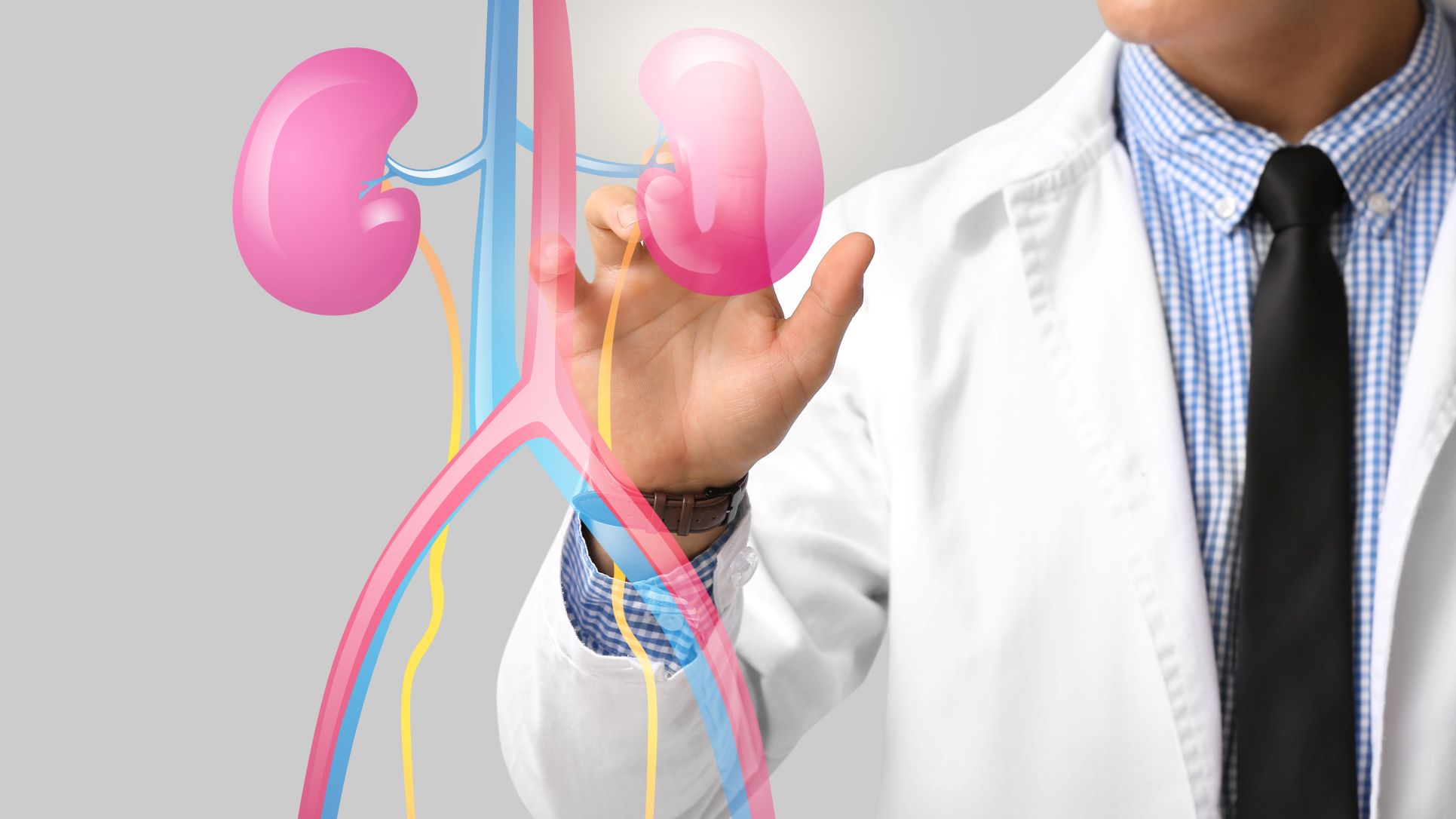
Kidney pain is often confused with back pain, muscle strain, or spinal problems. However, pain originating from the kidneys can sometimes indicate a serious medical condition such as a kidney stone, kidney infection, urinary obstruction, or another kidney disorder. Understanding kidney pain symptoms can help you recognize when medical evaluation is necessary.
At Prabhakar Bhurke Clinic, Dr. Sandip Prabhakar Bhurke, a super specialist nephrologist and transplant physician, provides expert evaluation and treatment for kidney stones, kidney infections, chronic kidney disease, urinary tract obstruction, and other kidney-related conditions.
Where is kidney pain usually felt?
The kidneys are located in the upper back, just below the rib cage on either side of the spine.
Kidney pain is commonly felt in:
-
The side of the back (flank)
-
Below the ribs
-
The upper abdomen
-
The lower back
-
The groin (especially with kidney stones)
Unlike muscular back pain, kidney pain is often deeper, persistent, and may be associated with urinary symptoms.
Common kidney pain symptoms
Flank pain
Pain in one or both sides of the back is one of the most common kidney-related symptoms.
Pain radiating to the groin
Kidney stone pain often starts in the flank and travels downward toward the lower abdomen or groin.
Fever and chills
Pain accompanied by fever may indicate a kidney infection (pyelonephritis), which requires prompt medical treatment.
Burning during urination
Painful urination associated with kidney pain may suggest a urinary tract infection or a stone affecting the urinary tract.
Blood in the urine
Visible blood or microscopic blood in the urine can occur with kidney stones, infections, trauma, or other kidney disorders.
Nausea and vomiting
Severe kidney stone pain commonly causes nausea and vomiting.
Frequent urination
Urinary frequency may occur with infections, stones, or irritation of the urinary tract.
Reduced urine output
A kidney stone causing obstruction or severe kidney dysfunction may reduce urine flow.
Kidney stone pain symptoms
Kidney stones are one of the most common causes of severe kidney pain.
Typical symptoms include:
-
Sudden severe flank pain
-
Pain that comes in waves
-
Pain radiating to the groin
-
Blood in the urine
-
Nausea and vomiting
-
Difficulty finding a comfortable position
Small stones may pass spontaneously, while larger stones may require specialized treatment.
Kidney infection symptoms
A kidney infection often produces a different pattern of pain.
Common symptoms include:
-
Flank pain
-
Fever
-
Chills
-
Burning urination
-
Frequent urination
-
Cloudy urine
-
Nausea
-
General weakness
Kidney infections should not be ignored because they can damage kidney tissue if untreated.
Kidney pain vs back pain
Many patients struggle to distinguish kidney pain from ordinary back pain.
Kidney pain is more likely when:
-
The pain is higher in the back
-
It is accompanied by fever
-
Urination is abnormal
-
Blood appears in the urine
-
Nausea or vomiting is present
-
The pain radiates toward the groin
Back pain is more commonly related to movement, posture, or muscle strain.
Causes of kidney pain
Several conditions can cause kidney pain.
Common causes include:
-
Kidney stones
-
Kidney infections
-
Urinary tract obstruction
-
Hydronephrosis
-
Polycystic kidney disease
-
Kidney trauma
-
Certain inflammatory kidney disorders
Accurate diagnosis is important because treatment varies significantly depending on the cause.
When kidney pain is an emergency
Seek immediate medical attention if kidney pain is accompanied by:
-
Fever
-
Chills
-
Persistent vomiting
-
Inability to urinate
-
Severe blood in the urine
-
Severe uncontrolled pain
-
Reduced urine output
-
Dizziness or fainting
These symptoms may indicate infection, obstruction, or significant kidney injury.
How kidney pain is diagnosed
A nephrologist may recommend:
-
Urine examination
-
Blood tests
-
Kidney function tests
-
Ultrasound
-
CT scan when indicated
-
Urine culture
-
Additional specialized investigations if necessary
These tests help determine whether the pain is caused by stones, infection, obstruction, or another kidney disorder.
Treatment for kidney pain
Treatment depends on the underlying cause.
Possible treatments include:
-
Pain management
-
Hydration
-
Antibiotics for infection
-
Medications to help pass small stones
-
Treatment of urinary obstruction
-
Kidney stone procedures when required
-
Management of chronic kidney disease
Self-medicating with painkillers alone may delay diagnosis and worsen certain kidney conditions.
Preventing kidney-related pain
Prevention strategies include:
-
Drinking adequate water
-
Managing blood pressure
-
Controlling diabetes
-
Treating urinary infections promptly
-
Preventing recurrent kidney stones
-
Avoiding unnecessary painkiller use
-
Getting regular kidney checkups if at high risk
Why choose Dr. Sandip Prabhakar Bhurke?
Patients searching for kidney pain symptoms often need expert evaluation to identify the exact cause of pain.
Dr. Sandip Prabhakar Bhurke provides:
-
Super-specialized nephrology expertise
-
Kidney stone evaluation
-
Kidney infection treatment
-
Kidney function assessment
-
Chronic kidney disease management
-
Dialysis and transplant expertise
-
Personalized kidney care
At Prabhakar Bhurke Clinic, the focus is on accurate diagnosis, evidence-based treatment, and long-term kidney health preservation.
Don’t ignore persistent kidney pain
Kidney pain may be caused by a relatively simple condition such as a small stone, but it can also signal infection, obstruction, or kidney disease that requires urgent treatment. Early nephrology evaluation can help prevent complications and protect kidney function.
Medical Disclaimer: This article is intended for educational and informational purposes only and should not be considered medical advice, diagnosis, or treatment. Kidney pain requires evaluation by a qualified nephrologist or healthcare professional. If you have severe flank pain, fever, blood in the urine, vomiting, reduced urine output, or persistent urinary symptoms, consult Dr. Sandip Prabhakar Bhurke or another qualified healthcare professional for appropriate medical assessment and treatment.