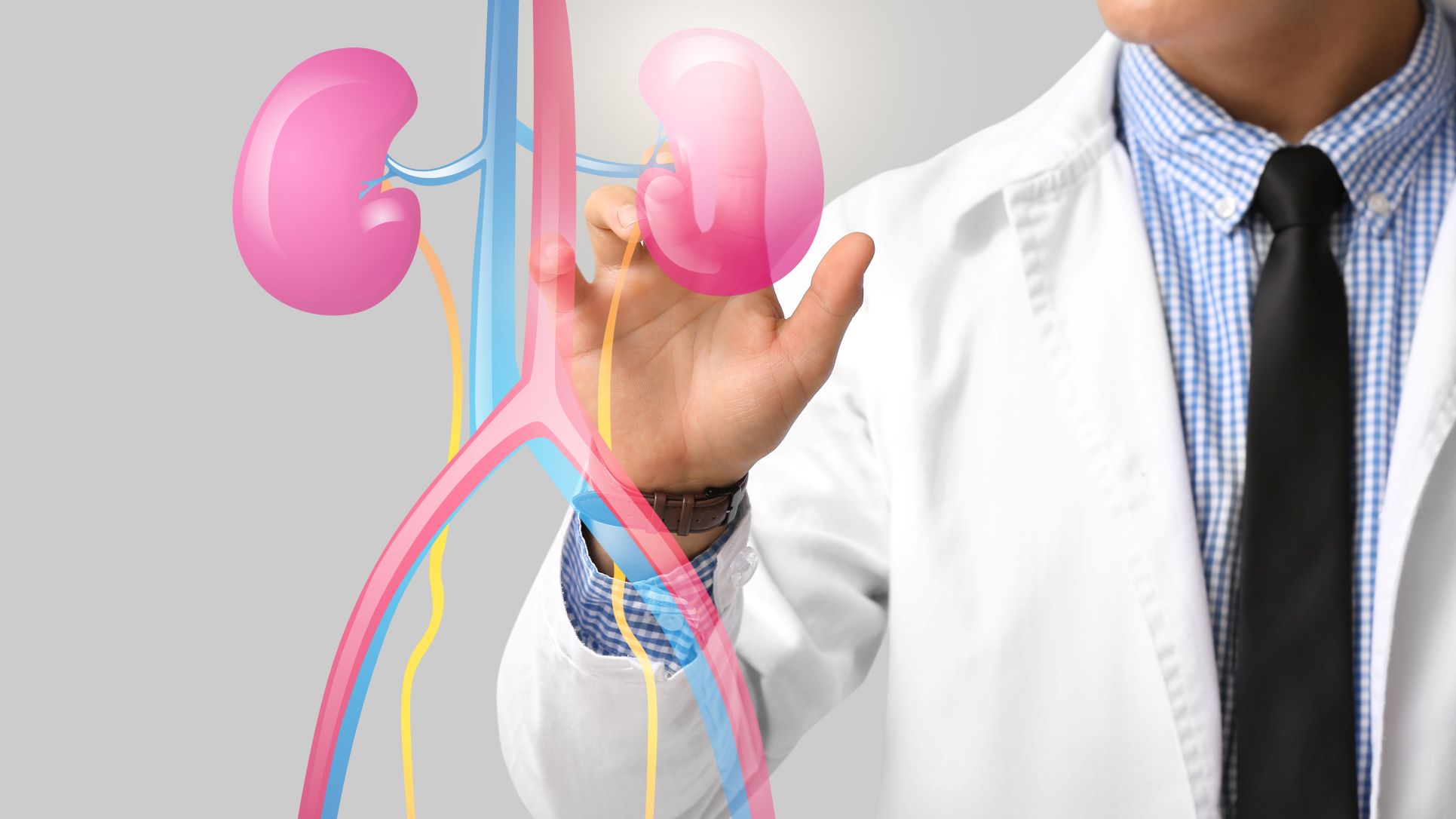
The kidneys perform several essential functions that help keep the body balanced. They filter waste products from the blood, regulate fluid and electrolyte levels, contribute to blood-pressure regulation and support the production of hormones involved in red blood-cell production and bone health.
When one or more of these functions are affected, a person may develop kidney related problems.
Kidney problems can range from temporary conditions such as acute kidney injury or dehydration-related kidney dysfunction to long-term disorders such as chronic kidney disease. Kidney stones, urinary obstruction, kidney infections and diseases affecting the filtering units of the kidneys are also common concerns.
Importantly, different kidney conditions require different treatments. There is no single medicine, diet or home remedy that can treat every kidney problem.
At Prabhakar Bhurke Clinic, Dr. Sandip Prabhakar Bhurke, super specialist nephrologist and transplant physician, provides individualized evaluation and management for patients with kidney-function abnormalities and various renal conditions.
Why Do Kidney Problems Develop?
Kidney related problems can develop for many reasons.
Some common causes include:
-
Diabetes
-
High blood pressure
-
Kidney stones
-
Urinary obstruction
-
Kidney infections
-
Certain autoimmune diseases
-
Inherited kidney disorders
-
Medication-related kidney injury
-
Severe dehydration
-
Reduced blood flow to the kidneys
-
Recurrent acute kidney injury
-
Diseases affecting the kidney's filtering units
A person's age, family history, existing medical conditions and medication use can also influence kidney health.
Identifying the underlying cause is an important part of treatment.
Common Types of Kidney Related Problems
Kidney disorders are not all alike. Some affect the kidney's filtering system, while others interfere with urine drainage or cause inflammation.
Chronic Kidney Disease
Chronic kidney disease occurs when abnormalities in kidney structure or function persist over time.
Common contributors include diabetes, hypertension and several primary kidney diseases.
CKD may progress slowly and can remain unnoticed during its early stages.
Acute Kidney Injury
Acute kidney injury involves a sudden deterioration in kidney function.
Possible triggers include:
-
Severe dehydration
-
Infection
-
Low blood pressure
-
Certain medications
-
Urinary obstruction
-
Major surgery or serious illness
Some cases of AKI can improve substantially when the underlying cause is treated promptly.
Kidney Stones
Kidney stones are solid deposits that form from substances present in urine.
Depending on their size and location, stones may cause:
-
Flank pain
-
Blood in urine
-
Nausea
-
Vomiting
-
Burning during urination
-
Urinary obstruction
Some small stones may pass naturally, while larger or complicated stones may require a procedure.
Kidney Infection
An infection involving the kidney can cause symptoms such as:
-
Fever
-
Chills
-
Flank or back pain
-
Burning urination
-
Nausea or vomiting
A kidney infection requires appropriate medical evaluation and treatment.
If infection occurs alongside urinary obstruction, urgent treatment may be necessary.
Glomerular Kidney Diseases
The glomeruli are microscopic structures responsible for filtering blood.
Diseases affecting these structures can cause:
-
Protein in urine
-
Blood in urine
-
Swelling
-
High blood pressure
-
Reduced kidney function
Some glomerular diseases are related to autoimmune conditions, infections or other systemic disorders.
Polycystic Kidney Disease
Polycystic kidney disease is an inherited condition in which multiple cysts develop in the kidneys.
Depending on the type and severity, it can affect kidney function over time.
Regular monitoring and appropriate management can help address complications and preserve kidney health.
Urinary Obstruction
Urine flow can become blocked because of:
-
Kidney stones
-
Enlarged prostate
-
Ureteral narrowing
-
Tumors or masses
-
Structural abnormalities
Persistent obstruction can damage kidney function and requires appropriate assessment.
What Symptoms Can Kidney Related Problems Cause?
Kidney conditions can produce different symptoms depending on the disease and its severity.
Possible warning signs include:
-
Swelling around the eyes, feet or ankles
-
Changes in urine frequency
-
Foamy urine
-
Blood in urine
-
Reduced urine output
-
Pain in the flank or kidney region
-
Recurrent urinary infections
-
Persistent fatigue
-
Nausea
-
Loss of appetite
-
Itching
-
Muscle cramps
-
Breathlessness
-
Difficulty controlling blood pressure
However, symptoms alone cannot establish a diagnosis.
Some people with early chronic kidney disease may have few or no noticeable symptoms.
Does a Change in Urine Always Mean Kidney Disease?
No.
Changes in urine can have many causes.
For example:
-
Foamy urine may sometimes occur because of protein in the urine but can also be temporary.
-
Blood in urine may occur with stones, infection or other urinary conditions.
-
Dark urine can result from dehydration, certain foods, medicines or other medical conditions.
-
Frequent urination can occur with diabetes, urinary infections and several non-kidney conditions.
-
Reduced urine output can occur with dehydration, kidney dysfunction or urinary obstruction.
Persistent or unexplained urine abnormalities should be evaluated rather than diagnosed through symptoms alone.
How Are Kidney Related Problems Diagnosed?
Doctors usually combine medical history, physical examination and laboratory or imaging findings.
Serum Creatinine
Creatinine is a waste product that is commonly measured to assess kidney function.
An increased creatinine level may indicate reduced filtration, but it does not identify the cause by itself.
eGFR
Estimated glomerular filtration rate provides an estimate of kidney filtration and is useful for assessing kidney function.
The result needs to be interpreted in context and, for chronic kidney disease, considered over time.
Urine Testing
Urine tests can detect:
-
Protein
-
Albumin
-
Blood
-
Infection
-
Crystals
-
Other abnormalities
A urine albumin-to-creatinine ratio may be used to assess albumin loss when appropriate.
Blood Tests
Depending on the clinical situation, testing may include:
-
Potassium
-
Sodium
-
Bicarbonate
-
Hemoglobin
-
Blood glucose
-
Calcium
-
Phosphorus
-
Other relevant tests
Ultrasound and Other Imaging
Imaging can help identify:
-
Kidney stones
-
Cysts
-
Hydronephrosis
-
Urinary obstruction
-
Structural abnormalities
CT, MRI or other imaging may be recommended when more detailed information is needed.
Why Is Early Kidney Evaluation Important?
Kidney disease can sometimes progress without obvious symptoms.
Early identification may allow doctors to:
-
Find a treatable cause
-
Control blood pressure
-
Manage diabetes
-
Reduce excess protein loss in urine
-
Review potentially harmful medicines
-
Address urinary obstruction
-
Treat infections
-
Monitor kidney function
-
Plan appropriate long-term care
Early assessment does not guarantee that kidney disease can be reversed, but it can help reduce avoidable progression and complications in appropriate patients.
How Are Kidney Related Problems Treated?
Treatment depends entirely on the diagnosis.
Treatment for Chronic Kidney Disease
Management may involve:
-
Blood-pressure control
-
Diabetes management
-
Kidney-protective medicines when appropriate
-
Management of albuminuria
-
Dietary guidance
-
Cardiovascular risk reduction
-
Monitoring for complications
-
Avoiding unnecessary kidney-harming medicines
Treatment for Acute Kidney Injury
Treatment focuses on the cause.
This may involve:
-
Correcting dehydration when appropriate
-
Treating infection
-
Addressing low blood pressure
-
Reviewing medications
-
Relieving urinary obstruction
-
Managing electrolyte abnormalities
Severe cases may require hospitalization and, in selected circumstances, temporary dialysis.
Treatment for Kidney Stones
Depending on the stone's characteristics, treatment may include:
-
Observation
-
Pain management
-
Medical therapy in selected patients
-
Shock wave lithotripsy
-
Ureteroscopy
-
Laser lithotripsy
-
PCNL for selected larger stones
Treatment for Kidney Infection
Appropriate antimicrobial treatment may be required when bacterial infection is identified or strongly suspected.
If urine drainage is blocked, restoring drainage may become an urgent priority.
Treatment for Urinary Obstruction
Treatment aims to restore urine flow.
Depending on the cause, this can involve medication, a stent, nephrostomy or another procedure.
Can Kidney Related Problems Be Reversed?
Sometimes, but not always.
The possibility of recovery depends on the underlying condition.
For example, kidney function may improve after treatment of certain cases of:
-
Dehydration-related kidney dysfunction
-
Acute kidney injury
-
Medication-related kidney injury
-
Urinary obstruction
-
Certain infections
In contrast, established chronic scarring may not be completely reversible.
Even when complete reversal is not possible, appropriate treatment can help preserve remaining kidney function and manage complications.
Can Drinking More Water Solve Kidney Problems?
No.
Adequate hydration is important for many people, but drinking excessive water is not a universal kidney treatment.
Someone with dehydration may benefit from appropriate fluid replacement.
However, people with advanced kidney disease, heart conditions or fluid restrictions may need to limit their fluid intake.
Fluid requirements should therefore be individualized.
Is There a Special Diet for Kidney Problems?
There is no single kidney diet suitable for everyone.
Depending on kidney function and the underlying condition, dietary recommendations may involve adjustments to:
-
Sodium
-
Protein
-
Potassium
-
Phosphorus
-
Fluid intake
For example, a person with kidney stones may receive different dietary advice from someone with advanced CKD.
A renal dietitian or nephrologist can provide individualized recommendations when required.
Are Herbal Remedies Safe for Kidney Problems?
Natural products are not automatically safe for the kidneys.
Some herbal preparations and supplements may:
-
Interact with prescribed medicines
-
Contain substances that affect kidney function
-
Have unpredictable ingredients or doses
-
Delay appropriate medical treatment
People with abnormal kidney function should discuss supplements and herbal products with a healthcare professional before using them.
Which Medicines Can Affect the Kidneys?
Several types of medicines can affect kidney function in susceptible patients.
These can include certain:
-
Painkillers
-
Antibiotics
-
Blood-pressure medicines in particular clinical circumstances
-
Diuretics in certain situations
-
Contrast agents during selected procedures
-
Herbal or over-the-counter preparations
This does not mean that people with kidney disease should stop their prescribed medicines.
Some medicines are important for protecting kidney and cardiovascular health.
Medication decisions should be made according to kidney function and the patient's overall condition.
Kidney Problems and Diabetes
Diabetes is an important risk factor for chronic kidney disease.
High blood glucose over time can damage the kidney's filtering system.
People with diabetes may benefit from regular monitoring of:
-
eGFR
-
Urine albumin
-
Blood pressure
-
Blood glucose
-
Other cardiovascular risk factors
Appropriate treatment can help reduce the risk of kidney complications.
Kidney Problems and High Blood Pressure
High blood pressure can contribute to kidney damage, while kidney disease can also cause blood pressure to rise.
This creates an important relationship between kidney health and cardiovascular health.
Blood-pressure treatment should be individualized according to kidney function, urine albumin and other clinical factors.
Can Kidney Problems Lead to Kidney Failure?
Some kidney diseases can progress to advanced kidney failure, but progression is not inevitable for every patient.
Risk depends on factors such as:
-
Underlying disease
-
Degree of kidney-function impairment
-
Persistent albuminuria
-
Blood-pressure control
-
Diabetes management
-
Recurrent kidney injury
-
Medication adherence
-
Other health conditions
Regular follow-up can help identify changes in kidney function and allow treatment to be adjusted when necessary.
Does Kidney Disease Automatically Mean Dialysis?
No.
Dialysis is not started simply because a person has kidney disease or because creatinine exceeds one particular number.
Dialysis may become necessary when kidney failure causes complications that cannot be adequately managed through other treatment.
Potential indications include:
-
Severe fluid overload
-
Dangerous potassium abnormalities
-
Significant metabolic acidosis
-
Uremic complications
-
Certain severe toxin exposures
-
Other life-threatening complications
The decision is based on the patient's overall clinical condition.
When Should You See a Nephrologist?
A nephrologist may be appropriate when you have:
-
Persistently elevated creatinine
-
Reduced eGFR
-
Significant protein or albumin in urine
-
Unexplained blood in urine
-
Difficult-to-control hypertension
-
Recurrent kidney stones
-
Repeated kidney infections
-
Progressive decline in kidney function
-
Electrolyte abnormalities
-
Suspected medication-related kidney injury
-
Advanced chronic kidney disease
Early specialist assessment can be particularly useful when kidney-function abnormalities are persistent or unexplained.
When Is a Kidney Problem an Emergency?
Certain symptoms require urgent medical attention.
Seek immediate medical care if you experience:
-
Very little or no urine
-
Severe breathlessness
-
Severe or rapidly increasing swelling
-
Confusion
-
Persistent vomiting
-
Severe flank pain with fever or chills
-
Fainting
-
Rapid deterioration in health
A urinary obstruction accompanied by infection can be particularly serious and may require urgent treatment.
Everyday Habits That Support Kidney Health
Depending on individual health needs, kidney-protective habits may include:
-
Keep blood pressure under appropriate control.
-
Manage diabetes according to your treatment plan.
-
Avoid unnecessary painkillers.
-
Maintain an appropriate fluid intake.
-
Reduce excessive dietary sodium.
-
Maintain a healthy body weight.
-
Stay physically active.
-
Avoid smoking.
-
Take prescribed medicines correctly.
-
Attend recommended kidney-function tests.
-
Avoid unverified kidney detox products.
These measures support overall health but cannot replace treatment for an established kidney disorder.
Kidney Related Problems Evaluation at Prabhakar Bhurke Clinic
At Prabhakar Bhurke Clinic, Dr. Sandip Prabhakar Bhurke, super specialist nephrologist and transplant physician, provides individualized evaluation for patients experiencing kidney related problems.
Depending on the clinical condition, assessment may include:
-
Detailed medical history
-
Review of previous kidney-function reports
-
Creatinine and eGFR assessment
-
Urine examination
-
Protein or albumin evaluation
-
Blood-pressure assessment
-
Medication review
-
Diabetes-related kidney evaluation
-
Assessment of kidney stones
-
Evaluation of urinary obstruction
-
Imaging review
-
Monitoring of chronic kidney disease
-
Dialysis assessment when clinically indicated
-
Kidney transplant-related evaluation for appropriate patients
The treatment plan is based on the specific kidney condition rather than treating symptoms alone.
Frequently Asked Questions
What are the most common kidney related problems?
Common conditions include chronic kidney disease, acute kidney injury, kidney stones, kidney infections, urinary obstruction, glomerular diseases, diabetic kidney disease and inherited kidney disorders.
What are the first signs of kidney problems?
There may be no symptoms during the early stages. When symptoms occur, they can include urine changes, swelling, fatigue, high blood pressure, flank pain, nausea or reduced urine output.
Can kidney problems be cured?
Some acute and reversible kidney conditions can improve significantly when their cause is treated. Established chronic kidney damage may not be completely reversible, but treatment can help protect remaining kidney function.
What test is best for detecting kidney problems?
There is no single test for every kidney condition. Doctors commonly use serum creatinine, eGFR, urine testing and blood-pressure measurements, with imaging or additional tests when needed.
Does high creatinine always mean kidney disease?
No. Creatinine can be affected by kidney dysfunction as well as factors such as hydration, muscle mass, certain medicines and acute illness. Further evaluation is needed to determine the cause.
Can kidney problems be treated without surgery?
Many kidney conditions are managed medically. However, some problems, such as certain large stones or significant urinary obstruction, may require a procedure.
Can kidney problems cause swelling?
Yes. Reduced kidney function can contribute to fluid retention and swelling, particularly around the feet, ankles or face. Swelling can also have heart, liver, venous or other causes.
Can kidney disease exist without symptoms?
Yes. Early chronic kidney disease can be silent. This is why people at increased risk may need periodic kidney-function and urine testing even when they feel healthy.
Conclusion
Kidney related problems can range from temporary kidney dysfunction to long-term diseases that require ongoing specialist management.
Kidney stones, infections, diabetes, high blood pressure, urinary obstruction, medication-related injury and diseases affecting the kidney's filtering units can all affect renal health. Because these conditions have different causes and treatments, identifying the underlying problem is more important than relying on a single medicine or home remedy.
If you notice persistent changes in urine, swelling, unexplained fatigue, elevated creatinine, reduced eGFR, recurrent stones or other concerning symptoms, appropriate medical evaluation can help identify the cause.
For individualized assessment and management of kidney related problems, Prabhakar Bhurke Clinic provides specialist nephrology care under Dr. Sandip Prabhakar Bhurke, super specialist nephrologist and transplant physician.
Medical Disclaimer
This article is intended for general educational and informational purposes only and does not constitute medical advice, diagnosis or treatment. Kidney related problems include many different conditions, and the appropriate investigation and treatment depend on the individual's diagnosis, kidney function, medications and overall health. Symptoms alone cannot confirm kidney disease. Do not start, stop or change prescription medicines, supplements, painkillers or fluid intake based solely on this article. Herbal or "kidney detox" products should not be used as substitutes for appropriate medical care. Seek urgent medical attention for very little or no urine, severe breathlessness, severe swelling, confusion, persistent vomiting, severe flank pain with fever or chills, fainting or rapidly worsening symptoms. Consult Dr. Sandip Prabhakar Bhurke or another qualified nephrologist for personalized evaluation and treatment.