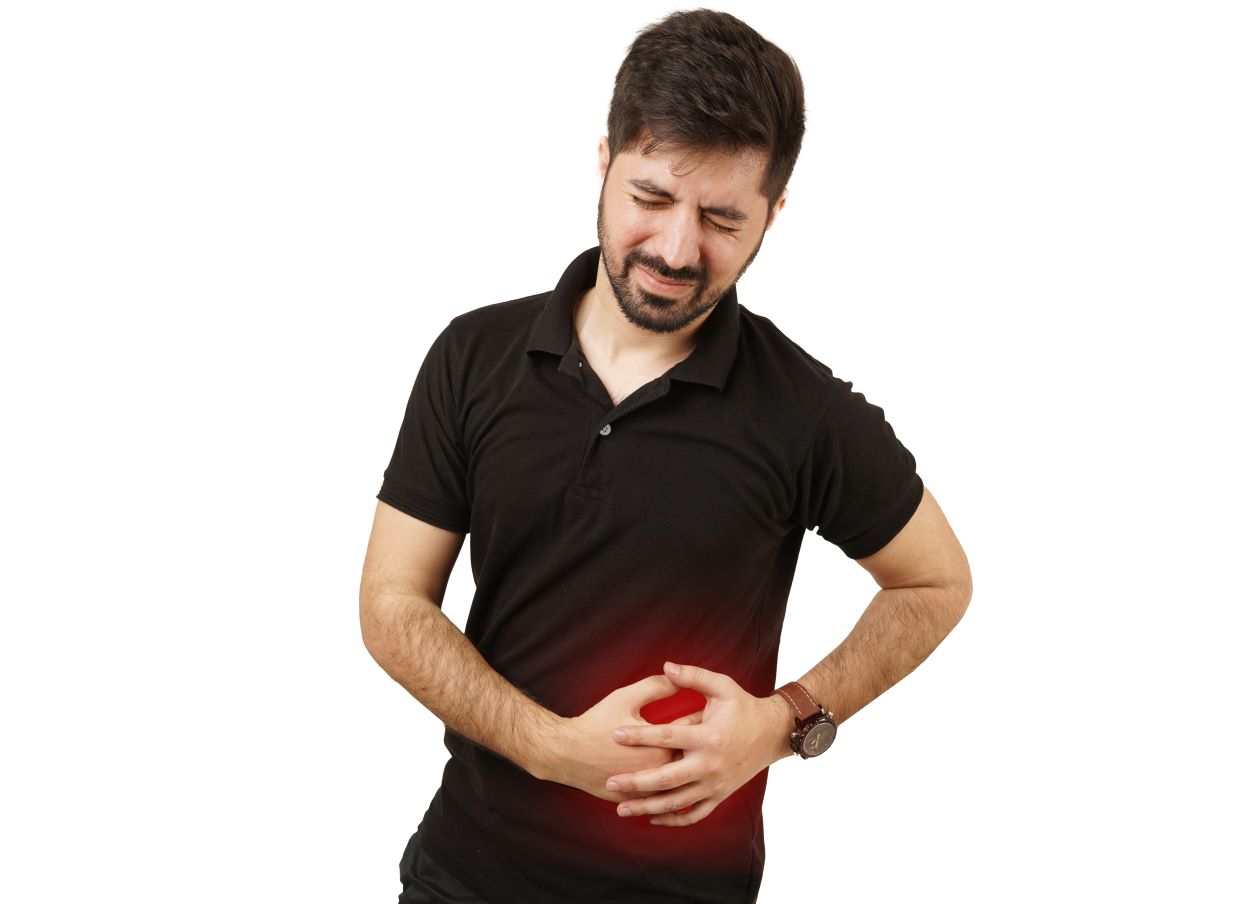
Kidney stone pain can be sudden and intense. It commonly begins in the side or back below the ribs and may move toward the lower abdomen or groin as the stone travels through the urinary tract. Pain may also come in waves rather than remaining at the same intensity.
This type of pain is often called renal colic.
A person may describe it as:
-
Sharp or severe pain on one side
-
Pain that comes and goes
-
Pain spreading toward the abdomen or groin
-
Restlessness because it is difficult to find a comfortable position
-
Back or flank discomfort accompanied by nausea
-
Pain associated with blood in the urine
However, back pain alone does not prove that a kidney stone is responsible. Muscle strain, spinal conditions, urinary infection and other problems can produce similar symptoms.
Why Can a Kidney Stone Cause Back Pain?
A stone sitting quietly inside the kidney may cause little or no discomfort.
Pain often develops when the stone moves into the ureter, the narrow tube connecting the kidney to the bladder.
If the stone interferes with urine flow, pressure can build within the urinary system and trigger significant pain.
The stone may also irritate the urinary tract as it moves.
This explains why the location of pain can change during an episode.
Where Is Kidney Stone Pain Located?
Kidney stone pain is typically felt in the flank or side of the back, rather than directly over the center of the lower spine.
Depending on where the stone is located, discomfort may extend to:
-
Side of the back
-
Area below the ribs
-
Lower abdomen
-
Pelvic region
-
Groin
NIDDK identifies sharp pain in the back, side, lower abdomen or groin as a typical symptom of kidney stones.
Kidney Stone Pain vs Ordinary Back Pain
Not every episode of back pain is caused by a kidney stone.
Features That Can Occur With Kidney Stones
Stone-related pain may:
-
Start suddenly
-
Become severe
-
Come in waves
-
Shift toward the abdomen or groin
-
Occur with nausea or vomiting
-
Occur with blood in urine
-
Be accompanied by urinary symptoms
Features More Common With Musculoskeletal Back Pain
Muscle or spinal pain may:
-
Be related to lifting or physical activity
-
Change with posture or movement
-
Improve with rest
-
Be localized around muscles or the spine
These patterns are not diagnostic on their own. Medical assessment is important when pain is severe, new or unexplained.
What Can Provide Kidney Stone Back Pain Relief?
The appropriate pain-relief method depends on the person's health, kidney function, other medicines and the severity of the episode.
Pain Medicines
Healthcare professionals may prescribe pain-relieving medicines for renal colic.
NSAIDs are commonly used for kidney-stone pain when they are medically appropriate.
However, NSAIDs are not suitable for everyone. People with chronic kidney disease, dehydration, certain stomach problems, bleeding risks, low blood pressure or other medical conditions may need an alternative.
Do not take repeated doses of an over-the-counter painkiller simply because the pain continues.
Paracetamol
Paracetamol may be considered for pain relief in appropriate patients.
The correct dose depends on factors such as age, liver health, other medicines and the total amount taken in a day.
A healthcare professional should guide treatment when pain is severe or persistent.
Stronger Prescription Pain Relief
If initial pain control is inadequate, a doctor may consider other prescription analgesics depending on the patient's condition.
The objective is to control pain safely while determining whether the stone requires further treatment.
Does Heat Help Kidney Stone Back Pain?
A warm compress or heating pad may provide temporary comfort for some people experiencing muscular or renal-colic-type discomfort.
However, heat does not remove the kidney stone and should not be used to delay medical evaluation when warning signs are present.
If pain is severe, persistent or accompanied by fever, vomiting or reduced urine, medical assessment is more important than home comfort measures.
Should You Drink More Water for Kidney Stone Pain?
Adequate hydration is important for kidney-stone prevention and may sometimes be advised while a small stone is being managed conservatively.
However, forcing large amounts of water during severe renal colic does not guarantee that the stone will pass.
If a stone is obstructing urine flow, excessive fluid intake can increase discomfort and may be inappropriate in some medical conditions.
NIDDK notes that fluid recommendations should take account of individual health conditions, including kidney failure.
Follow the fluid advice given by your healthcare professional.
Can a Small Kidney Stone Cause Severe Back Pain?
Yes.
Pain intensity does not reliably tell you the exact size of a kidney stone.
A relatively small stone can cause significant pain if it moves into the ureter and obstructs urine flow.
Conversely, some larger stones may remain in the kidney and cause few symptoms for a period of time.
Imaging is therefore more useful than pain intensity for determining stone size and location.
What Symptoms Can Accompany Kidney Stone Back Pain?
Back or flank pain may occur together with:
-
Blood in urine
-
Pain while urinating
-
Frequent urge to urinate
-
Nausea
-
Vomiting
-
Cloudy or foul-smelling urine
-
Difficulty passing urine
NIDDK lists sharp back or flank pain, hematuria, urinary symptoms, nausea and vomiting among possible kidney-stone symptoms.
When Does Kidney Stone Back Pain Become an Emergency?
Certain combinations of symptoms require prompt medical attention.
Seek urgent medical care if kidney-stone-type pain occurs with:
-
Fever
-
Chills
-
Very little or no urine
-
Persistent vomiting
-
Severe weakness
-
Confusion
-
Severe or rapidly worsening pain
-
Known urinary obstruction
-
Significant reduction in kidney function
A stone that blocks urine flow while an infection is present can become a serious medical emergency.
Do not attempt to manage this situation only with painkillers at home.
What Tests Are Used When Back Pain May Be From a Kidney Stone?
A doctor may use several types of evaluation.
Urine Examination
Urinalysis can identify:
-
Blood
-
Signs of infection
-
Crystals
-
Other abnormalities
Blood Tests
Depending on the clinical situation, testing may include:
-
Serum creatinine
-
eGFR
-
Electrolytes
-
Blood count
-
Other relevant investigations
These tests can help determine whether kidney function has been affected.
Ultrasound
Ultrasound can help identify stones and urinary tract dilation or obstruction.
CT Scan
A non-contrast CT scan may provide detailed information about:
-
Stone location
-
Stone size
-
Number of stones
-
Urinary obstruction
-
Other possible causes of pain
The choice of imaging depends on the patient's symptoms and clinical circumstances.
When Is Pain Relief Alone Not Enough?
Pain medicine treats the symptom, but it does not necessarily solve the underlying obstruction.
A stone may require active treatment when there is:
-
Persistent pain despite appropriate medication
-
Urinary obstruction
-
Reduced kidney function
-
Infection
-
Low likelihood of spontaneous passage
-
A stone that is too large to pass naturally
NIDDK notes that larger stones, stones blocking the urinary tract or stones causing significant pain may require medical or procedural treatment.
What Treatments Can Remove a Kidney Stone?
Depending on stone size, location and other factors, treatment may include:
Observation
Some smaller stones can pass naturally with appropriate medical supervision.
Ureteroscopy
A small scope is passed through the urinary tract to reach the stone. The stone can be removed or fragmented, including with laser energy.
Shock Wave Lithotripsy
Shock waves are used from outside the body to break selected stones into smaller fragments.
Percutaneous Nephrolithotomy
For larger kidney stones, a small access tract can be created through the back to reach and remove or fragment the stone.
The appropriate procedure depends on imaging findings and the patient's individual circumstances.
Can Medicine Help a Stone Pass?
Some patients with appropriately located ureteral stones may be considered for medical expulsive therapy.
The decision depends on stone size, location, symptoms and the patient's medical condition.
Not every stone benefits from passage medication, and such medicines should be prescribed by a healthcare professional after appropriate evaluation.
What If the Stone Is Causing a Urinary Blockage?
A blocked urinary tract can interfere with kidney drainage.
If obstruction is accompanied by infection, reduced urine output or worsening kidney function, urgent treatment may be required.
Depending on the situation, doctors may need to restore urine drainage using a ureteral stent or nephrostomy, followed by definitive stone management when appropriate.
The priority in an infected obstruction is safe drainage and treatment of the infection rather than simply continuing pain medication.
Kidney Stone Back Pain During Pregnancy
Pregnancy requires special consideration when a kidney stone is suspected.
Not every pain medicine or imaging test is appropriate during pregnancy.
A pregnant patient with severe flank or back pain, fever, vomiting, urinary symptoms or reduced urine output should seek medical assessment rather than self-medicate.
Treatment and imaging should be selected by the appropriate medical team based on the pregnancy and clinical situation.
Kidney Stone Pain When You Have Chronic Kidney Disease
People with CKD need particular caution when selecting pain medicines.
Some commonly used painkillers, especially NSAIDs, can affect kidney function in susceptible patients.
If you already have reduced kidney function, do not repeatedly take pain medication for suspected kidney stones without medical advice.
A nephrologist and urologist may need to coordinate care when a stone occurs in a person with significant CKD.
How Can Future Kidney Stones Be Prevented?
After a stone episode, prevention should focus on why the stone developed.
Depending on the patient's history, doctors may recommend:
-
Adequate fluid intake
-
Lower dietary sodium
-
Appropriate dietary changes
-
Stone analysis
-
Blood testing
-
Urine testing
-
Metabolic evaluation in selected recurrent stone formers
-
Preventive medication when indicated
NIDDK notes that prevention strategies can depend on the type of stone and may involve changes in fluid intake, sodium, animal protein, calcium or oxalate intake.
Diet should be individualized rather than based on generalized food restrictions.
Kidney Stone Back Pain Evaluation at Prabhakar Bhurke Clinic
At Prabhakar Bhurke Clinic, Dr. Sandip Prabhakar Bhurke, super specialist nephrologist and transplant physician, provides individualized kidney evaluation for patients with kidney stones, abnormal kidney function and related complications.
Depending on the clinical situation, assessment may include:
-
Review of back and flank pain
-
Kidney-function testing
-
Urine examination
-
Assessment for urinary obstruction
-
Review of ultrasound or CT findings
-
Evaluation of recurrent stones
-
Medication review
-
Assessment of CKD or other kidney conditions
-
Coordination with appropriate urological specialists when stone removal is required
-
Follow-up kidney care after stone treatment
The aim is to determine whether the pain is kidney-related, identify the underlying cause and ensure that kidney function is appropriately protected.
Frequently Asked Questions
What is the fastest way to get kidney stone back pain relief?
Appropriate pain medicine prescribed or recommended by a healthcare professional can provide relief. NSAIDs are commonly used when medically suitable, but they are not safe for everyone. Severe or persistent pain requires evaluation rather than repeated self-medication.
Does kidney stone pain go away on its own?
It can, particularly when a small stone passes naturally. However, pain may recur if the stone remains in the urinary tract or continues to obstruct urine flow.
Is kidney stone pain always in the lower back?
No. Stone pain commonly affects the flank or side below the ribs and may extend into the abdomen or groin.
Can drinking water stop kidney stone pain?
Water does not directly act as a painkiller. Adequate hydration may support stone passage in selected situations, but excessive fluid intake does not guarantee relief and can be inappropriate when obstruction or fluid restrictions are present.
Can a kidney stone cause back pain without blood in urine?
Yes. Hematuria is common but does not occur in every person with a symptomatic stone. Diagnosis may require imaging and other testing.
When should I go to the hospital for kidney stone pain?
Seek urgent medical care if severe pain is accompanied by fever, chills, persistent vomiting, very little or no urine, confusion, severe weakness or other signs of serious illness.
Can kidney stones permanently damage the kidneys?
Untreated obstruction, recurrent infection or prolonged urinary blockage can impair kidney function. Prompt assessment is particularly important when kidney function is already reduced.
Conclusion
Kidney stone back pain relief should begin with understanding whether the pain is actually caused by a stone and whether the stone is obstructing urine flow.
Pain medicines may provide temporary relief, but treatment must be individualized according to kidney function, stone size, location, symptoms and other health conditions. Small stones may sometimes pass naturally, while larger, obstructing, infected or persistent stones may require active treatment.
Do not rely on excessive water intake or repeated painkillers when severe pain continues. Fever, chills, very low urine output, persistent vomiting or rapidly worsening symptoms require prompt medical evaluation.
For specialist assessment of kidney stones, kidney function and related urinary problems, consult Dr. Sandip Prabhakar Bhurke at Prabhakar Bhurke Clinic.
Medical Disclaimer
This article is intended for general educational and informational purposes only and should not replace medical diagnosis, treatment or individualized advice. Back pain has many possible causes, and not all back or flank pain is related to kidney stones. Pain medicines, particularly NSAIDs, may not be appropriate for people with chronic kidney disease, dehydration, certain gastrointestinal conditions, bleeding risks or other medical problems. Do not self-medicate repeatedly or increase fluid intake excessively to force a suspected stone to pass. Seek urgent medical attention for severe pain accompanied by fever, chills, very little or no urine, persistent vomiting, confusion, severe weakness or rapidly worsening symptoms. Consult Dr. Sandip Prabhakar Bhurke or another qualified healthcare professional for an individualized diagnosis and treatment plan.