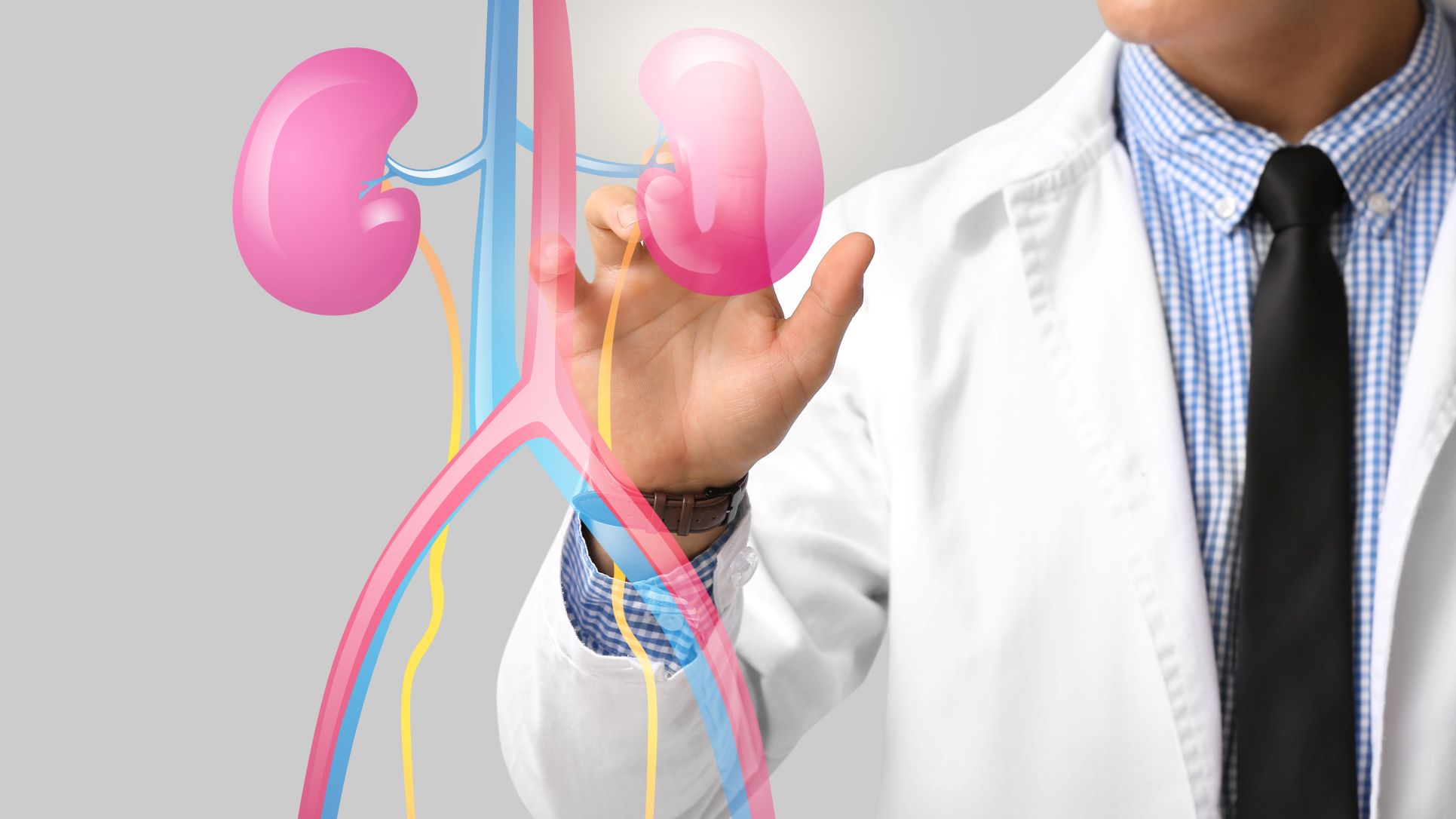
Kidney stones can begin with mild discomfort and sometimes progress to intense pain that interferes with everyday activities. When a stone moves through the urinary tract, it may cause sharp pain in the side or back, nausea, vomiting or changes in urination.
Many people initially search online for a kidney stone doctor when they experience these symptoms. However, not every episode of back or abdominal pain is caused by a kidney stone. Proper evaluation is important to confirm the diagnosis and determine whether the stone can pass naturally or requires treatment.
At Prabhakar Bhurke Clinic, Dr. Sandip Prabhakar Bhurke, super specialist nephrologist and transplant physician, provides specialist evaluation and management for kidney and urinary tract conditions.
When should you see a kidney stone doctor?
A medical evaluation is particularly important when you have:
- Severe pain in the side, back or lower abdomen
- Pain that comes and goes in waves
- Blood in the urine
- Burning or discomfort while urinating
- Nausea or vomiting associated with flank pain
- Repeated kidney stones
- Difficulty passing urine
- A previously diagnosed stone that is not passing
- A history of kidney disease
- Recurrent urinary infections
A doctor can determine whether your symptoms are actually caused by a kidney stone or another urinary, abdominal or musculoskeletal condition.
What does a kidney stone doctor evaluate?
A specialist generally looks beyond the presence of a stone and considers the patient's overall kidney and urinary health.
Evaluation may include:
Medical history
Your doctor may ask about:
- Previous kidney stones
- Family history of stones
- Fluid intake
- Dietary habits
- Previous urinary infections
- Existing medical conditions
- Current medicines
- Previous stone procedures
Physical examination
Depending on your symptoms, the doctor may examine the abdomen, back and other relevant areas.
Urine testing
Urine testing can help identify:
- Blood
- Infection
- Protein
- Other abnormalities
Blood tests
Blood investigations may assess kidney function and substances associated with stone formation.
Imaging
Imaging is often important for identifying:
- Stone size
- Stone location
- Number of stones
- Urinary obstruction
- Swelling of the urinary system
- Other abnormalities
The appropriate imaging method depends on the patient's symptoms and clinical circumstances.
Does every kidney stone require surgery?
No.
Treatment depends on the characteristics of the stone and the patient's condition.
A small stone that is likely to pass naturally may sometimes be managed with observation and appropriate medical treatment.
A procedure may be considered when the stone is:
- Large
- Causing significant obstruction
- Persistently painful
- Unlikely to pass naturally
- Associated with complications
- Causing recurrent infections
- Affecting kidney function
The decision should be made after appropriate assessment rather than based only on the presence of a stone.
Common kidney stone treatment options
Medical management
Selected patients may be managed initially with medication and observation.
Treatment can include appropriate pain relief and, in specific circumstances, medicines that may facilitate passage of certain ureteric stones.
Medication selection should be based on the patient's medical history and kidney function.
Shock wave lithotripsy
Shock wave lithotripsy uses externally generated energy to break selected kidney stones into smaller fragments.
The fragments may then pass through the urinary tract.
Whether this treatment is suitable depends on stone size, location, composition and other factors.
Ureteroscopy
During ureteroscopy, a thin scope is introduced through the urinary tract to reach the stone.
The stone can be removed or fragmented using specialized instruments, including laser technology when appropriate.
RIRS
Retrograde intrarenal surgery, commonly called RIRS, uses a flexible scope to reach stones inside the kidney.
Laser energy can be used to fragment the stone, with fragments subsequently removed or allowed to pass depending on the clinical situation.
Percutaneous nephrolithotomy
For larger or complex kidney stones, percutaneous nephrolithotomy may be considered.
This procedure uses a small access route through the skin into the kidney to allow removal or fragmentation of the stone.
Kidney stone pain does not always mean kidney stones
Pain in the back or side can have several causes.
Possible alternatives include:
- Muscle strain
- Urinary infection
- Kidney infection
- Gallbladder problems
- Gastrointestinal conditions
- Nerve-related pain
- Other urinary tract disorders
This is why self-diagnosing based only on pain location can be misleading.
Kidney stones and urinary infection
A kidney stone can sometimes obstruct urine flow and contribute to urinary complications.
A particularly important warning combination is urinary obstruction with infection.
Seek urgent medical assessment if kidney stone symptoms occur together with:
- Fever
- Chills
- Severe weakness
- Persistent vomiting
- Difficulty passing urine
- Severe worsening pain
An infected and obstructed urinary system may require urgent treatment.
Can kidney stones damage kidney function?
Many uncomplicated kidney stones can be treated successfully without permanent kidney damage.
However, prolonged obstruction, recurrent infections and repeated episodes of severe stone disease can potentially affect kidney function.
People with reduced kidney function should therefore have persistent or recurrent stone symptoms evaluated promptly.
What causes kidney stones?
Kidney stones form when certain substances become concentrated in urine and crystallize.
Risk factors can include:
- Low fluid intake
- High dietary sodium
- Certain dietary patterns
- Family history
- Previous kidney stones
- Obesity
- Certain metabolic conditions
- Some medications
- Recurrent urinary infections
- Specific inherited disorders
The exact cause varies between patients.
How can a kidney stone doctor help prevent future stones?
Treatment should not necessarily end once a stone has been removed.
For patients with recurrent stones, the doctor may recommend investigating why stones are forming.
Depending on the situation, this can involve:
- Stone composition analysis
- Blood tests
- Urine testing
- Assessment of urine volume
- Evaluation of urinary calcium
- Evaluation of urinary oxalate
- Assessment of urinary citrate
- Uric acid assessment
The results can help develop an individualized prevention strategy.
Lifestyle habits that may reduce kidney stone risk
Stay adequately hydrated
Adequate fluid intake helps dilute substances that can contribute to stone formation.
The appropriate amount varies between individuals, especially in people with kidney, heart or other medical conditions.
Avoid excessive salt
High sodium intake can increase urinary calcium in some individuals.
Reducing excessive salt consumption may therefore be beneficial for many people prone to calcium stones.
Follow a personalized diet
There is no single kidney stone diet suitable for everyone.
Dietary advice should take into account the type of stone and individual urine and blood results.
Maintain a healthy weight
Maintaining a healthy body weight and regular physical activity may support overall metabolic and kidney health.
Kidney stone care at Prabhakar Bhurke Clinic
At Prabhakar Bhurke Clinic, Dr. Sandip Prabhakar Bhurke provides specialist kidney care and evaluation for patients experiencing kidney stone-related problems.
Depending on individual needs, assessment may include:
- Review of symptoms and medical history
- Kidney function evaluation
- Urine and blood investigations
- Imaging review
- Assessment of urinary obstruction
- Medical management
- Prevention planning
- Evaluation for appropriate stone removal treatment
- Long term monitoring for recurrent stone disease
The treatment approach is selected according to the patient's condition rather than using the same treatment for every stone.
Frequently Asked Questions
Which doctor should I see for kidney stones?
A nephrologist can evaluate kidney function and medical aspects of stone disease, while a urologist commonly manages procedures for removing urinary stones. Depending on the patient's condition, coordinated specialist care may be appropriate.
Can a kidney stone pass naturally?
Some smaller stones can pass naturally. The likelihood depends on the stone's size, location and other factors.
What is the best treatment for kidney stones?
There is no single best treatment for every stone. Options may include observation, medication, shock wave lithotripsy, ureteroscopy, RIRS or percutaneous nephrolithotomy depending on the clinical situation.
When is a kidney stone an emergency?
A stone accompanied by fever or chills, significant urinary obstruction, inability to pass urine, severe persistent symptoms or deterioration in kidney function requires prompt medical evaluation.
Can kidney stones come back after treatment?
Yes. Removing an existing stone does not necessarily eliminate the tendency to form new stones. Identifying risk factors and following preventive measures can help reduce recurrence.
Conclusion
Choosing the right kidney stone doctor is important when symptoms are persistent, stones are recurrent or complications are suspected. Kidney stone treatment should begin with an accurate diagnosis and assessment of stone size, location, obstruction, kidney function and overall health.
While some stones may pass naturally, others may require procedures such as shock wave lithotripsy, ureteroscopy, laser treatment, RIRS or percutaneous nephrolithotomy.
Long-term prevention is equally important. Identifying the type and cause of kidney stones can help reduce the likelihood of recurrence.
For specialist evaluation and kidney-focused care, patients can consult Dr. Sandip Prabhakar Bhurke at Prabhakar Bhurke Clinic.
Medical Disclaimer
This blog is intended for general educational purposes only and does not constitute medical advice, diagnosis or treatment. Kidney stone symptoms can have several causes, and treatment depends on stone size, location, composition, urinary obstruction, kidney function and other individual factors. Do not self-prescribe medicines or delay medical evaluation because of information found online. Fever, chills, severe or worsening pain, persistent vomiting, inability to pass urine or symptoms suggesting infection with urinary obstruction require prompt medical attention. Always consult a qualified healthcare professional for personalized diagnosis and treatment.