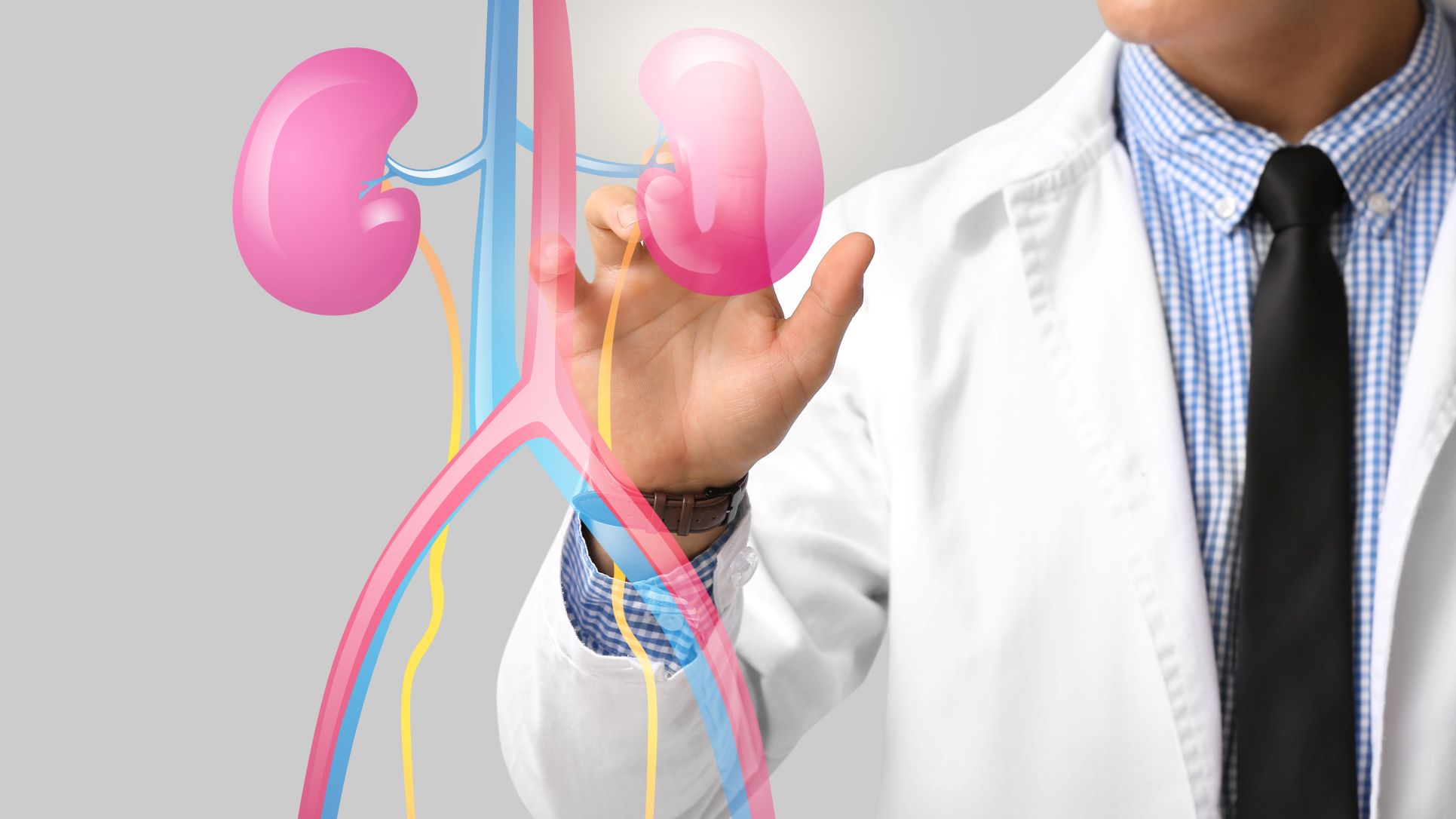
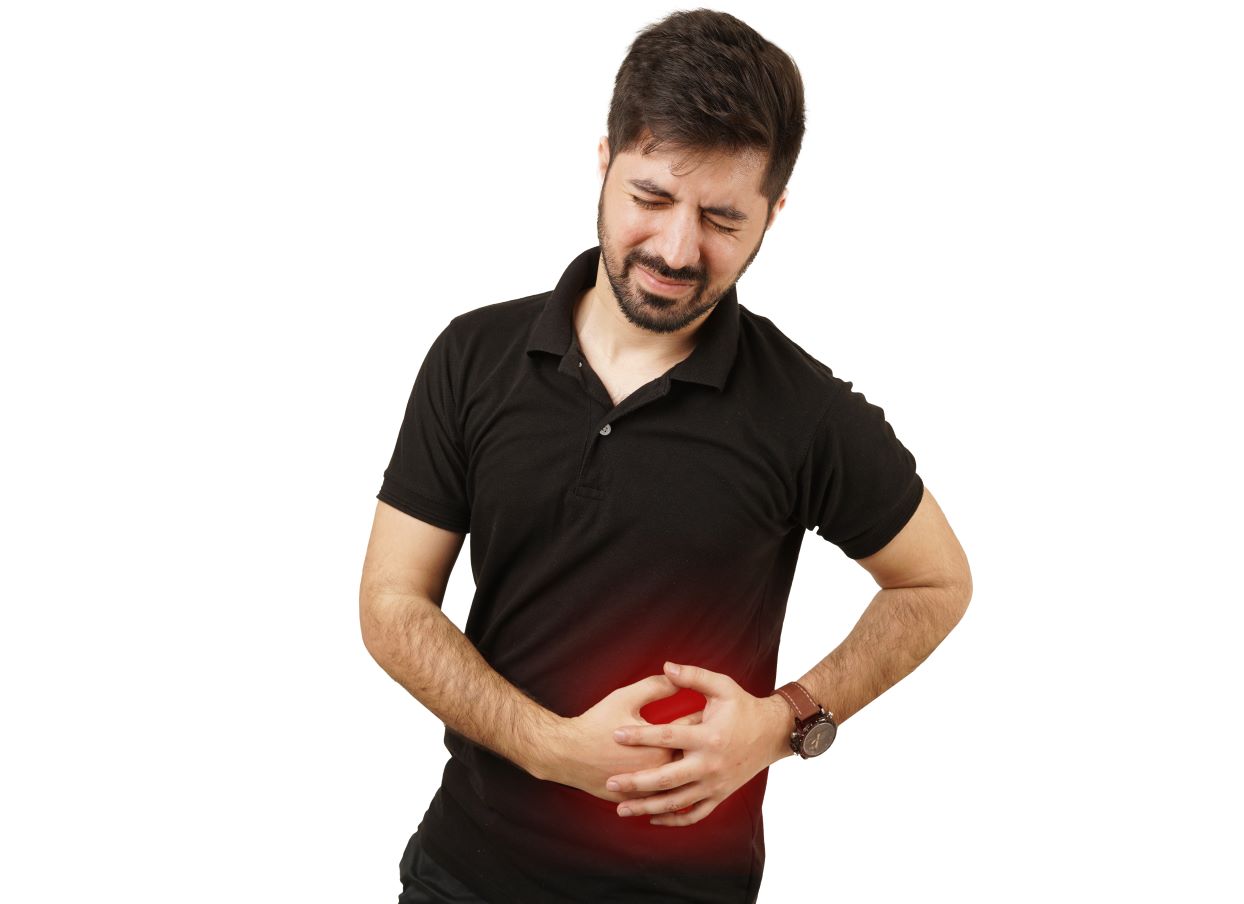
Kidney stone pain is one of the most intense types of pain experienced by many patients. The pain usually begins suddenly in the back or side below the ribs and may spread to the lower abdomen or groin. Many people search for kidney stone pain treatment because the discomfort can become severe enough to require emergency medical attention.
The treatment of kidney stone pain involves two important goals: relieving the pain quickly and treating the stone that is causing the blockage or irritation. Pain relief alone is not enough if the stone is causing obstruction, infection or kidney damage.
At Prabhakar Bhurke Clinic, Dr. Sandip Prabhakar Bhurke, super specialist nephrologist and transplant physician, provides expert evaluation and treatment for kidney stones, recurrent stone disease and kidney related complications.
Why Do Kidney Stones Cause Severe Pain?
Kidney stone pain, also called renal colic, occurs when a stone moves from the kidney into the ureter, the tube that carries urine from the kidney to the bladder.
The pain is usually caused by:
-
Obstruction of urine flow
-
Increased pressure within the kidney
-
Spasm of the ureter
-
Irritation of the urinary tract
Even a relatively small stone can cause severe pain if it becomes lodged in the ureter.
Common Symptoms of Kidney Stone Pain
Symptoms may include:
-
Sudden severe flank pain
-
Pain radiating to the groin
-
Lower abdominal pain
-
Blood in the urine
-
Nausea
-
Vomiting
-
Frequent urination
-
Burning during urination
-
Difficulty finding a comfortable position
Pain often comes in waves and may vary in intensity.
Immediate Kidney Stone Pain Treatment
The first priority is pain control.
Doctors may recommend:
-
Pain relieving medications
-
Anti inflammatory medicines when appropriate
-
Medicines for nausea and vomiting
-
Intravenous fluids in selected patients
-
Observation and monitoring
The choice of medication depends on kidney function, other medical conditions and the severity of symptoms.
Medicines Used for Kidney Stone Pain
Pain medicines are commonly used to control renal colic.
Doctors may prescribe medications that:
-
Reduce pain
-
Decrease inflammation
-
Relax the ureter in selected cases
-
Improve comfort while the stone passes
Patients with chronic kidney disease should avoid taking pain medications without medical advice because some medicines can affect kidney function.
Can Small Kidney Stones Pass Naturally?
Yes.
Many small stones may pass spontaneously, particularly if they are located in the lower ureter.
During this period, treatment may include:
-
Pain management
-
Hydration guidance
-
Medications that may help stone passage
-
Follow up imaging
Not all stones will pass naturally, and persistent symptoms require reassessment.
Hydration and Kidney Stone Pain
Adequate hydration is important for many patients with kidney stones.
However, drinking excessive amounts of water during severe acute pain does not necessarily relieve the obstruction.
Hydration recommendations should be individualized, especially for patients with kidney disease, heart failure or fluid restrictions.
When Is Emergency Treatment Needed?
Seek urgent medical care if kidney stone pain is accompanied by:
-
Fever
-
Chills
-
Persistent vomiting
-
Difficulty passing urine
-
Reduced urine output
-
Severe uncontrolled pain
-
Blood in the urine with significant symptoms
-
Pregnancy
-
Single functioning kidney
-
Known kidney disease with worsening symptoms
A kidney stone associated with infection can become a medical emergency.
Diagnostic Tests
Doctors may perform several tests.
Urine Tests
These can detect:
-
Blood
-
Infection
-
Crystals
-
Other abnormalities
Blood Tests
Kidney function and infection markers may be assessed.
Ultrasound
Useful for detecting hydronephrosis and some kidney stones.
CT Scan
CT imaging is often the most accurate test for diagnosing kidney stones and determining their size and location.
Treatment Based on Stone Size
Small Stones
Management may include:
-
Pain medication
-
Observation
-
Hydration
-
Medical expulsive therapy when appropriate
Medium Sized Stones
These may require closer monitoring and possible intervention.
Large Stones
Large stones are less likely to pass naturally and often require procedures.
ESWL for Kidney Stone Pain
Extracorporeal shock wave lithotripsy (ESWL) uses shock waves to break stones into smaller fragments.
ESWL may be suitable for selected stones depending on:
-
Stone size
-
Stone location
-
Stone composition
-
Patient anatomy
Ureteroscopy and Laser Stone Removal
When a stone causes persistent pain, obstruction or infection risk, ureteroscopy with laser lithotripsy may be recommended.
During the procedure:
-
A ureteroscope is passed through the urinary tract.
-
The stone is visualized directly.
-
A laser fragments the stone.
-
Fragments are removed or allowed to pass naturally.
This is a minimally invasive treatment commonly used for ureteric and kidney stones.
Percutaneous Nephrolithotomy
Very large or complex kidney stones may require percutaneous nephrolithotomy (PCNL).
This procedure is generally used for larger stone burdens that are less suitable for ureteroscopy or ESWL.
Recovery After Stone Treatment
Recovery depends on:
-
Stone size
-
Stone location
-
Treatment method
-
Presence of infection
-
Kidney function
-
Whether a stent was placed
Many patients recover within days to weeks after minimally invasive stone procedures.
Can Kidney Stone Pain Return?
Yes.
Pain may recur if:
-
A residual fragment remains
-
Another stone develops
-
A stone moves within the urinary tract
-
Obstruction recurs
Recurrent stone disease is common in some individuals.
Preventing Future Kidney Stone Pain
Long term prevention is extremely important.
Measures may include:
Adequate Hydration
Maintaining appropriate fluid intake can reduce stone recurrence risk.
Reduce Excessive Salt Intake
High sodium intake increases stone risk in many patients.
Appropriate Dietary Calcium
Very low calcium intake may not always be beneficial.
Oxalate Management
Some patients require dietary oxalate modification.
Weight Management
Obesity is associated with kidney stone formation.
Stone Analysis
Determining stone composition helps guide prevention.
Metabolic Evaluation
Patients with recurrent stones may benefit from a 24 hour urine metabolic evaluation.
Kidney Stone Pain During Pregnancy
Pregnancy requires special evaluation because both the mother and fetus must be considered.
Imaging and treatment choices differ from those used in non pregnant patients.
Pregnant patients with severe flank pain should seek immediate medical attention.
Kidney Stone Pain Care at Prabhakar Bhurke Clinic
At Prabhakar Bhurke Clinic, Dr. Sandip Prabhakar Bhurke provides comprehensive kidney stone evaluation and long term kidney care.
Assessment may include:
-
Symptom evaluation
-
Urine testing
-
Kidney function assessment
-
Ultrasound or CT review
-
Stone size evaluation
-
Metabolic assessment
-
Prevention planning
-
Coordination of minimally invasive stone treatment
Treatment is individualized according to the patient’s symptoms, kidney function and stone characteristics.
Frequently Asked Questions
What is the fastest treatment for kidney stone pain?
Medical pain relief is usually the fastest initial treatment, but definitive treatment depends on the stone’s size and location.
Can kidney stone pain be treated without surgery?
Yes. Many small stones can be managed with medicines, hydration and observation.
When is laser stone removal needed?
Laser ureteroscopy is often recommended for stones causing persistent pain, obstruction, infection or failure to pass naturally.
Does ESWL relieve pain immediately?
ESWL treats the stone, but pain relief may take time as fragments pass.
Can kidney stone pain damage the kidney?
Persistent obstruction can affect kidney function, especially if associated with infection or prolonged blockage.
Conclusion
Kidney stone pain treatment requires both effective pain relief and evaluation of the stone causing the symptoms. While some small stones may pass naturally, persistent pain, obstruction, infection or large stones often require specialized treatment such as ureteroscopy, laser lithotripsy or ESWL.
Early diagnosis and individualized treatment can relieve pain, protect kidney function and reduce the risk of future stone episodes.
For expert kidney stone pain evaluation and personalized treatment, consult Dr. Sandip Prabhakar Bhurke at Prabhakar Bhurke Clinic.
Medical Disclaimer
This article is intended for general educational purposes only and does not constitute medical advice, diagnosis or treatment. Kidney stone pain can sometimes indicate urinary obstruction, kidney infection or other serious conditions that require urgent medical care. Do not self medicate with painkillers or antibiotics without proper medical evaluation, especially if you have fever, chills, persistent vomiting, reduced urine output, chronic kidney disease or severe uncontrolled pain. Treatment depends on stone size, location, infection status, kidney function and other individual medical factors. Consult Dr. Sandip Prabhakar Bhurke or another qualified healthcare professional for an individualized evaluation and treatment plan.