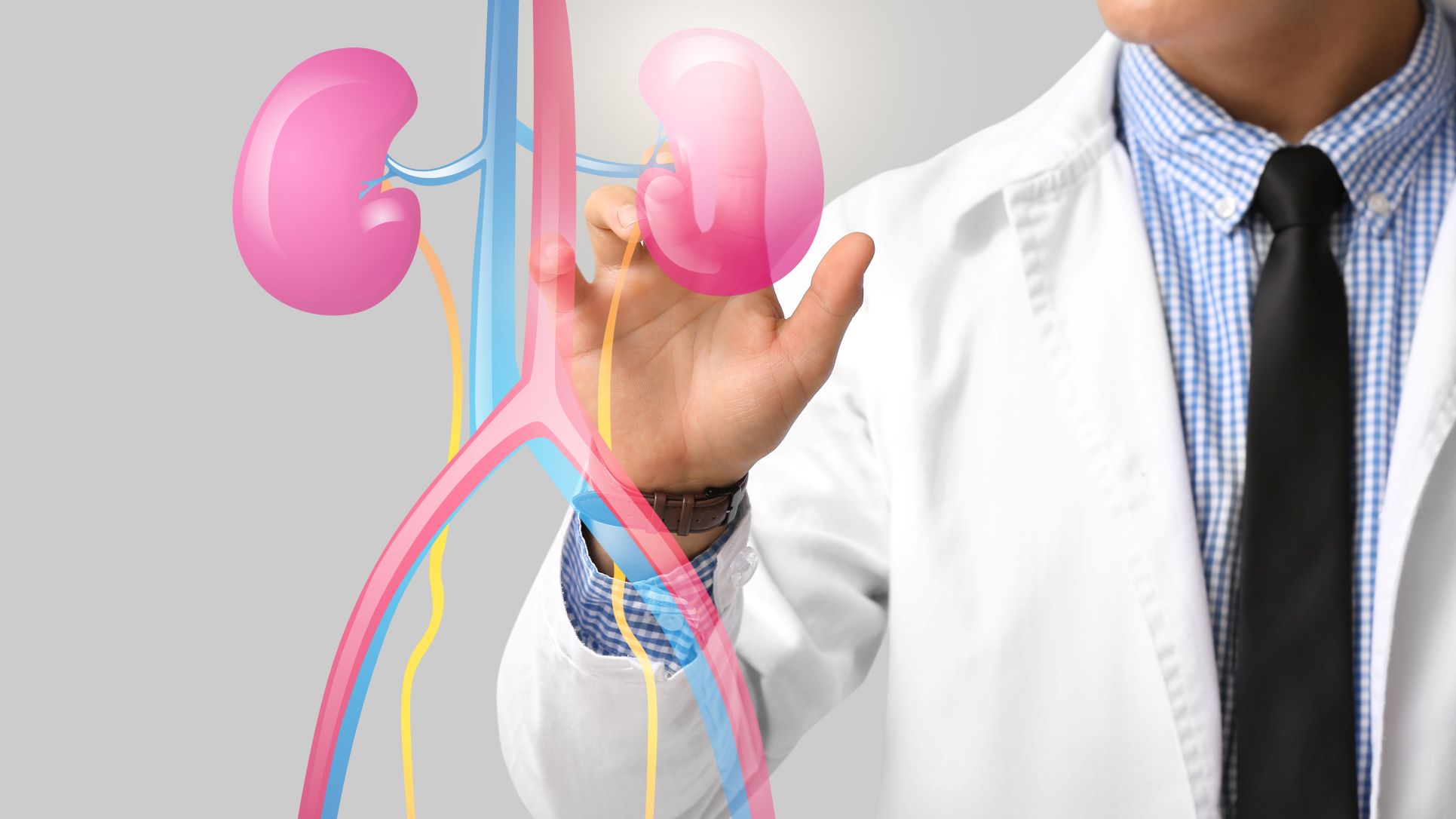
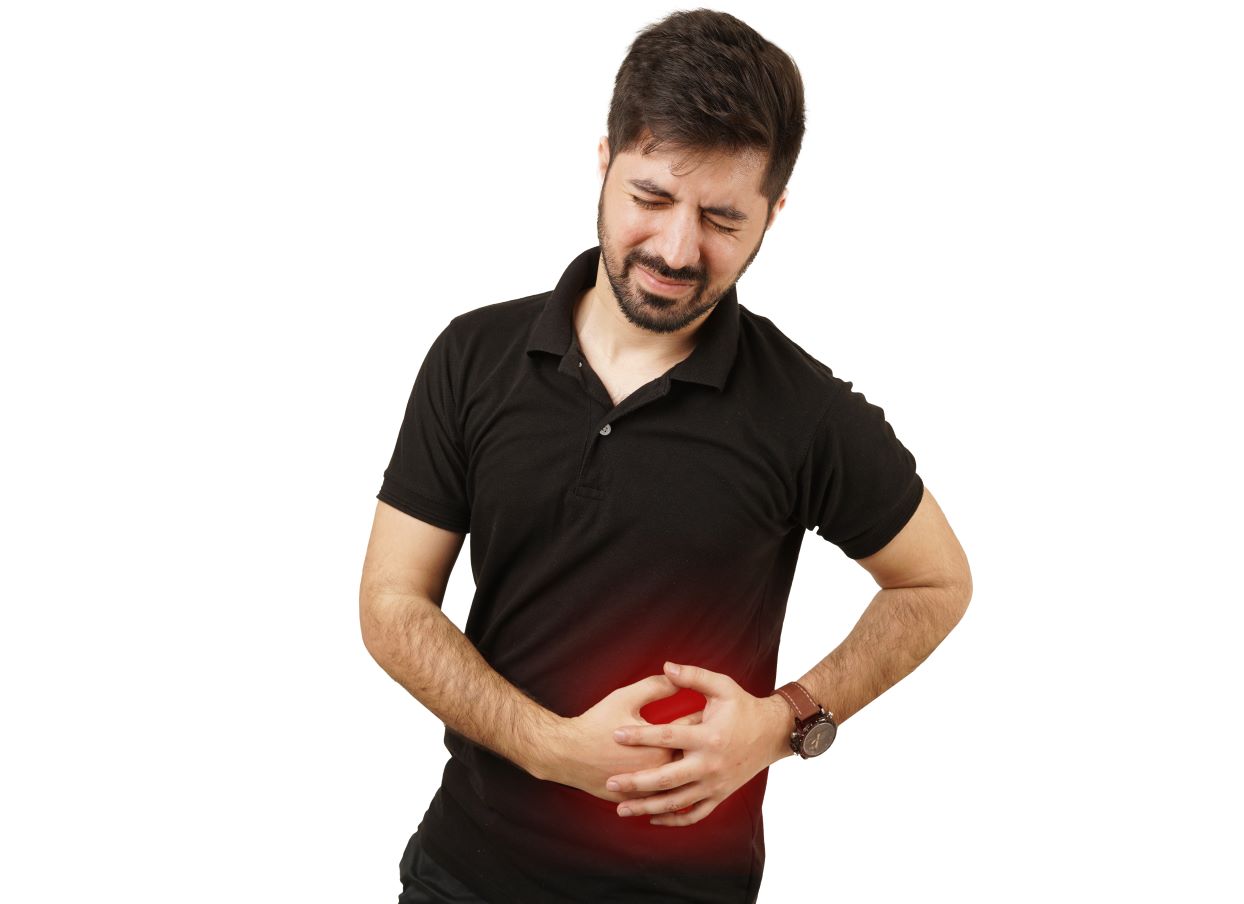
Kidney stones can cause sudden, intense pain and may leave patients wondering whether a kidney stone removal medicine can make the stone disappear without a procedure. The answer depends on several factors, including the stone's size, location, composition, symptoms and whether it is blocking urine flow.
Some small stones can pass naturally with appropriate medical treatment. Certain medicines can improve the chance of stone passage or control symptoms, while other types of stones may respond to specific medical therapy. However, there is no single tablet that safely removes every type of kidney stone.
At Prabhakar Bhurke Clinic, Dr. Sandip Prabhakar Bhurke, super specialist nephrologist and transplant physician, provides comprehensive evaluation and kidney care for patients with kidney stones and related kidney conditions.
Can Medicine Remove a Kidney Stone?
Some kidney stones can pass through the urinary tract without surgery, particularly smaller stones.
Medical treatment may focus on:
-
Controlling pain
-
Reducing nausea and vomiting
-
Helping the stone pass
-
Maintaining appropriate hydration
-
Treating urinary infection when present
-
Preventing future stones
-
Addressing the underlying cause of stone formation
The treatment approach should be selected after evaluating the stone and the patient's medical condition.
Medicines Used for Kidney Stone Treatment
1. Pain-Relieving Medicines
Kidney stones can cause severe flank or abdominal pain. Doctors may prescribe appropriate pain-relieving medicines based on the patient's kidney function, medical history and other medications.
Some commonly used pain medicines may not be suitable for people with kidney disease, stomach ulcers or certain cardiovascular conditions. Therefore, self-medication should be avoided.
2. Medicines That May Help Stone Passage
For selected patients with ureteric stones, doctors may prescribe medicines known as medical expulsive therapy.
Certain alpha-blockers may relax the ureter and potentially make it easier for an appropriate stone to pass.
Whether such treatment is suitable depends on:
-
Stone size
-
Stone location
-
Degree of obstruction
-
Symptoms
-
Blood pressure
-
Other health conditions
These medicines should be taken only after medical assessment.
3. Medicines for Nausea
A kidney stone attack can cause nausea or vomiting. A doctor may prescribe an anti-nausea medicine when necessary.
Persistent vomiting can also lead to dehydration, which may complicate stone management.
4. Antibiotics When Infection Is Present
Antibiotics do not dissolve ordinary kidney stones.
They are used when a bacterial urinary infection is diagnosed or strongly suspected. An obstructed infected urinary system can be a medical emergency and may require urgent drainage in addition to antibiotics.
Can Medicine Dissolve Kidney Stones?
The answer depends on the chemical composition of the stone.
Most kidney stones are made from calcium-containing compounds and generally cannot simply be dissolved with an ordinary tablet.
However, some uric acid stones may be dissolved or reduced in size through medically supervised urine alkalinization.
Treatment may involve medicines that alter urine chemistry, together with monitoring of urine pH and other laboratory parameters.
Taking alkalinizing medicines without knowing the stone type can be inappropriate and potentially harmful.
What About Calcium Oxalate Stones?
Calcium oxalate stones are among the most common kidney stones.
They generally cannot be dissolved with medication in the same way that some uric acid stones can. Management may therefore involve:
-
Allowing an appropriately sized stone to pass naturally
-
Medical expulsive therapy in selected ureteric stones
-
Pain management
-
Adequate fluid intake when medically appropriate
-
Dietary modifications
-
Treatment of underlying metabolic risk factors
-
A procedure if the stone is unlikely to pass or causes complications
Can Drinking More Water Remove Kidney Stones?
Adequate fluid intake is important for kidney stone prevention and may support passage of a small stone in selected patients.
However, drinking excessive amounts of water does not guarantee that a large or obstructing stone will pass.
Patients with advanced kidney disease, heart failure or certain other conditions may have fluid restrictions. Therefore, fluid recommendations should be individualized.
How Does Stone Size Affect Treatment?
Stone size is one of the factors doctors consider when deciding whether observation or intervention is appropriate.
Smaller stones have a greater chance of passing spontaneously than larger stones. Location within the urinary tract also matters.
A stone that remains stuck in the ureter can cause obstruction and potentially damage kidney function.
When Is Kidney Stone Surgery Required?
A procedure may be recommended when:
-
The stone is too large to pass naturally
-
Pain remains severe despite medication
-
Urine flow is significantly obstructed
-
Kidney function is affected
-
The stone continues to grow
-
There are recurrent infections
-
The stone is unlikely to pass
-
The patient has persistent symptoms
-
There is an infected obstruction
The specific procedure depends on stone size, location and characteristics.
Common Procedures for Kidney Stone Removal
Ureteroscopy and Laser Lithotripsy
A thin instrument is passed through the urinary tract to reach the stone. A laser can fragment the stone into smaller pieces that can be removed or passed.
Shock Wave Lithotripsy
Shock waves are used to break a suitable stone into smaller fragments. Whether this is appropriate depends on stone size, location and other factors.
Percutaneous Nephrolithotomy
For selected larger or complex kidney stones, a minimally invasive procedure may be used to access the kidney directly and remove the stone.
Why Stone Location Matters
A kidney stone located inside the kidney is managed differently from a stone lodged in the ureter.
The treatment decision considers:
-
Kidney versus ureter location
-
Stone dimensions
-
Degree of obstruction
-
Kidney function
-
Symptoms
-
Infection
-
Stone composition
-
Patient preferences and overall health
Therefore, treatment should not be chosen solely from the stone size mentioned in an online article.
Tests Used Before Choosing Treatment
A doctor may recommend:
-
Urine examination
-
Urine culture when infection is suspected
-
Serum creatinine
-
Blood tests
-
Ultrasound
-
X-ray in selected cases
-
CT scan when clinically appropriate
-
Stone analysis after removal or passage
These investigations help determine the safest treatment strategy.
Warning Signs That Need Urgent Medical Attention
A kidney stone requires urgent evaluation if it is accompanied by:
-
Fever or chills
-
Severe or worsening pain
-
Persistent vomiting
-
Very little or no urine
-
Significant weakness or confusion
-
Known obstruction with infection
-
A single functioning kidney with suspected obstruction
An infected blocked kidney can become a medical emergency. It should not be managed at home with painkillers or stone-removal tablets alone.
Preventing Future Kidney Stones
Removing a stone is only part of successful kidney stone care. Recurrence prevention is equally important.
Depending on the stone type and metabolic evaluation, preventive measures may include:
-
Maintaining appropriate fluid intake
-
Reducing excessive dietary sodium
-
Maintaining an appropriate dietary calcium intake
-
Avoiding unnecessary high-dose supplements
-
Moderating excessive intake of foods associated with stone risk
-
Maintaining a healthy weight
-
Treating metabolic abnormalities
-
Following individualized dietary advice
A recurrent stone former may benefit from a metabolic evaluation to identify why stones are developing.
Can Kidney Stones Damage the Kidneys?
Small stones that pass without complications may not cause lasting kidney damage. However, prolonged obstruction, repeated infections or untreated blockage can potentially affect kidney function.
This is particularly important for people with:
-
One functioning kidney
-
Existing chronic kidney disease
-
Recurrent urinary infections
-
Bilateral urinary obstruction
Why Self-Medicating for Kidney Stones Can Be Risky
Searching for a “kidney stone removal medicine” online may lead to products claiming to dissolve or flush out stones. Such products should not replace proper diagnosis.
A medicine may be ineffective if:
-
The stone is too large
-
The stone is calcium-based
-
There is significant obstruction
-
An infection is present
-
Kidney function is impaired
The correct treatment depends on the actual clinical situation.
Kidney Stone Evaluation at Prabhakar Bhurke Clinic
At Prabhakar Bhurke Clinic, Dr. Sandip Prabhakar Bhurke provides individualized evaluation for patients with kidney stones and related urinary problems.
Assessment may include:
-
Evaluation of stone symptoms
-
Kidney function testing
-
Imaging review
-
Assessment of urinary obstruction
-
Medical treatment when appropriate
-
Referral or planning for stone procedures when required
-
Recurrence prevention advice
-
Long-term kidney health monitoring
The objective is to choose an appropriate treatment rather than relying on a one-size-fits-all stone-removal medicine.
Frequently Asked Questions
What is the best medicine for kidney stone removal?
There is no single best medicine for every kidney stone. Treatment depends on stone size, location, composition, symptoms and kidney function.
Can a kidney stone pass with medicine?
Yes, some smaller ureteric stones can pass naturally, and selected patients may receive medicines that help facilitate passage and control symptoms.
Can tablets dissolve kidney stones?
Certain uric acid stones may respond to medically supervised urine alkalinization. Most calcium oxalate stones cannot simply be dissolved with tablets.
Should I drink a lot of water when I have a kidney stone?
Adequate hydration may be helpful for many patients, but excessive fluid intake is not appropriate for everyone and cannot reliably force a blocked stone to pass.
When should I see a kidney specialist?
Consult a specialist if you have recurrent stones, abnormal kidney function, persistent pain, urinary obstruction, repeated urinary infections or an underlying kidney disorder.
Conclusion
Kidney stone removal medicine can be useful in selected situations, but the right treatment depends on the stone's size, location, composition and effect on the urinary system. Some stones can pass naturally with medical management, while others require procedures such as ureteroscopy, shock wave lithotripsy or percutaneous stone removal.
For individualized kidney stone evaluation and treatment planning, consult Dr. Sandip Prabhakar Bhurke at Prabhakar Bhurke Clinic.
Medical Disclaimer
This article is intended for general educational purposes only and does not constitute medical advice, diagnosis or treatment. Kidney stone treatment must be individualized after appropriate clinical evaluation and imaging. Do not take prescription medicines, antibiotics, painkillers, urinary alkalinizing agents or herbal stone-removal products without medical guidance. Certain medicines may be unsafe in people with kidney disease or other medical conditions. Fever with suspected urinary obstruction, severe persistent pain, inability to urinate, repeated vomiting or markedly reduced urine output requires urgent medical evaluation. Always consult Dr. Sandip Prabhakar Bhurke or another qualified healthcare professional before starting treatment.