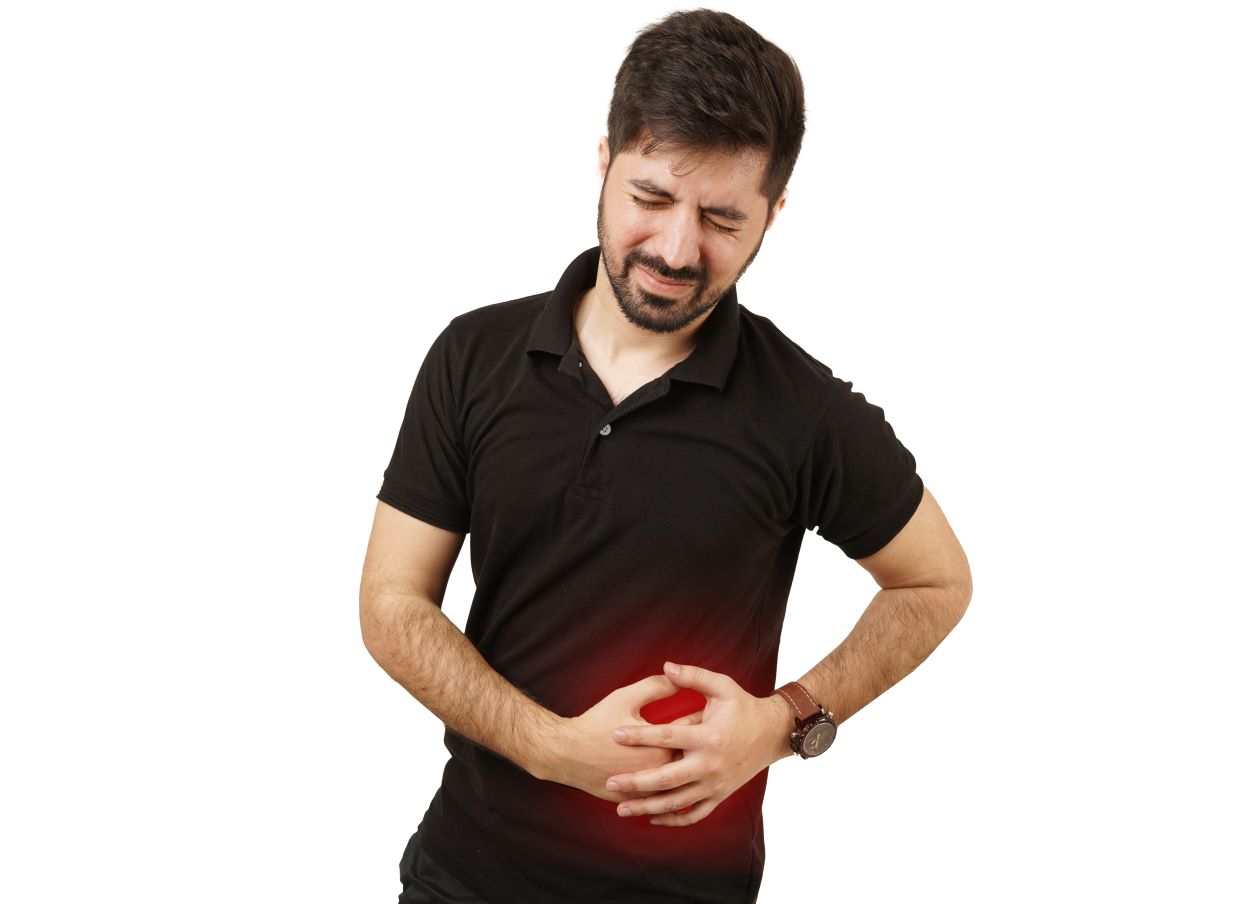
People searching for a kidney stone treatment tablet often want to know whether a tablet can make a stone disappear without a procedure.
The answer depends mainly on the size, location and chemical type of the stone.
Some medicines can:
-
Control pain caused by a stone
-
Help selected ureteric stones pass
-
Dissolve certain types of stones under medical supervision
-
Treat an infection associated with certain stones
-
Reduce the chance of developing new stones
However, most kidney stones cannot simply be broken or removed by taking a tablet. Larger stones, obstructing stones, stones causing persistent symptoms or stones associated with infection may require a procedure such as ureteroscopy, shock wave lithotripsy or PCNL.
At Prabhakar Bhurke Clinic, Dr. Sandip Prabhakar Bhurke, super specialist nephrologist and transplant physician, provides individualized evaluation of kidney stones, kidney function and related urinary problems.
What Determines Whether a Tablet Will Work?
Before prescribing medicine, the doctor needs to understand the stone rather than treating the word “stone” alone.
Important factors include:
-
Stone diameter
-
Stone location
-
Whether it is in the kidney or ureter
-
Whether urine flow is blocked
-
Stone composition
-
Presence of infection
-
Kidney function
-
Severity of pain
-
Number of stones
-
Previous history of stones
Imaging can determine the size and location, while stone analysis and metabolic evaluation can provide information about its composition and why it formed.
Which Tablets Are Used for Kidney Stones?
There is no universal kidney stone tablet that works for every patient.
Depending on the situation, a doctor may prescribe medicines from different categories.
1. Pain-Relief Medicines
A kidney stone moving through the ureter can cause intense renal colic.
Pain medicines may be prescribed to control symptoms while the stone is being observed or treated.
NSAIDs are commonly recommended as first-line treatment for renal colic when they are medically appropriate. NICE recommends considering paracetamol when NSAIDs are contraindicated or do not provide sufficient relief.
However, NSAIDs are not suitable for everyone.
Extra caution is required in people with:
-
Chronic kidney disease
-
Dehydration
-
Reduced kidney function
-
Certain stomach conditions
-
Certain cardiovascular conditions
-
Previous medication reactions
A kidney stone patient should therefore not repeatedly self-medicate with painkillers without medical advice.
2. Tamsulosin and Other Alpha Blockers
A doctor may prescribe an alpha blocker for selected ureteric stones to facilitate stone passage.
NICE guidance states that alpha blockers can be considered for adults, children and young people with distal ureteric stones smaller than 10 mm.
Tamsulosin is one of the medicines commonly associated with this type of treatment.
However, an alpha blocker does not physically dissolve a stone.
Its role is different: in appropriate patients, it may help the ureter relax and facilitate passage of a suitable distal ureteric stone.
The decision depends on stone size, location, symptoms, blood pressure, other medicines and individual medical factors.
3. Potassium Citrate Tablets
Potassium citrate has a different role from medicines used simply to help a ureteric stone pass.
It can be used in selected patients to alter urine chemistry and reduce the tendency to form certain stones. In some situations, it can also be part of medically supervised treatment for uric acid stones, because raising urine pH can help dissolve uric acid.
NIDDK lists potassium citrate among medicines that may be prescribed for selected calcium, uric acid and cystine stone conditions.
It should not be taken casually because potassium levels, kidney function and urine chemistry need to be considered.
4. Medicines for Uric Acid Stones
Some uric acid stones are different from the more common calcium-based stones.
When a stone is confirmed or strongly suspected to be uric acid, treatment may include urine alkalinization, often using potassium citrate under medical supervision.
The aim is to change the urine environment so that uric acid becomes more soluble.
In selected patients with excessive uric acid production or other indications, allopurinol may also be prescribed. NIDDK identifies potassium citrate and allopurinol among possible medicines used for uric acid stone disease.
These medicines should not be started simply because someone has “kidney stones.” The stone type and metabolic situation matter.
5. Antibiotics When Infection Is Involved
Antibiotics are not ordinary kidney stone removal tablets.
They may be required when a bacterial urinary infection is present.
Certain infection-related stones, including struvite stones, are associated with urinary infections. Treatment may therefore involve infection control as well as management or removal of the stone.
A particularly important situation is an infected urinary tract that is also obstructed by a stone.
This can become an emergency and may require urgent drainage rather than waiting for tablets alone.
Can a Tablet Break a Kidney Stone?
For most common kidney stones, no tablet can simply crush the stone into pieces inside the kidney.
This is an important distinction.
People often search for terms such as:
-
Kidney stone breaker tablet
-
Kidney stone crusher medicine
-
Tablet to break kidney stone
-
Medicine to dissolve kidney stones
Most commonly formed calcium stones do not disappear because a person takes a general “stone-breaking” tablet.
When a stone is too large to pass or is causing obstruction, physical stone removal or fragmentation may be necessary. Treatment options include ureteroscopy, shock wave lithotripsy and PCNL depending on the circumstances.
Can Tablets Dissolve Kidney Stones?
Only certain stone types may be medically dissolved.
Uric acid stones can sometimes respond to urine alkalinization.
This is different from calcium oxalate or calcium phosphate stones, which generally cannot be dissolved using ordinary tablets.
Therefore, before searching for a “stone dissolving medicine,” it is important to determine what type of stone is present.
Stone analysis, imaging characteristics and urine chemistry can help guide treatment.
Can a Tablet Remove a 5 mm Kidney Stone?
The answer depends on where the 5 mm stone is located.
A small ureteric stone may pass spontaneously, and selected distal ureteric stones may be managed with medical expulsive therapy under a doctor's supervision.
A 5 mm stone sitting inside the kidney is a different situation. It may not pass simply because an alpha blocker is prescribed.
The doctor may consider:
-
Observation
-
Pain management
-
Medical expulsive therapy when appropriate
-
Follow-up imaging
-
Active removal if the stone becomes problematic
Small stones are more likely to pass than large stones, but size alone does not determine the complete treatment plan.
What Tablet Is Used for a 10 mm Kidney Stone?
A 10 mm stone should not automatically be treated with tablets alone.
The location is especially important.
A 10 mm distal ureteric stone has different treatment considerations from a 10 mm stone located in the kidney.
As stones become larger, spontaneous passage becomes less likely, and active treatment may be considered when there is persistent obstruction, pain, infection or a low likelihood of spontaneous passage.
NIDDK notes that larger stones or stones blocking urine flow or causing significant pain may need treatment beyond medication.
What If the Stone Is Larger Than 10 mm?
A larger stone is less likely to pass naturally.
For larger renal stones, treatment may involve:
-
Shock wave lithotripsy
-
Ureteroscopy with laser fragmentation
-
Percutaneous nephrolithotomy
-
Staged or combined procedures
The appropriate option depends on stone size, location, anatomy, density, obstruction, infection and the patient's health.
Trying different tablets for a large obstructing stone can delay treatment when a procedure is actually required.
Kidney Stone Treatment Tablet for Pain: What Should You Know?
Pain treatment is often an important part of initial stone management.
Renal colic can produce severe, wave-like pain that may travel from the flank toward the lower abdomen or groin.
A doctor may recommend an appropriate analgesic based on:
-
Kidney function
-
Age
-
Other medicines
-
Pregnancy status
-
Stomach health
-
Cardiovascular health
-
Allergy history
NICE recommends NSAIDs as first-line treatment for suspected renal colic when suitable, with paracetamol considered when NSAIDs are contraindicated or insufficient.
Do not assume that an over-the-counter painkiller is automatically safe simply because it is sold without a prescription.
Can Kidney Stone Medicine Be Taken During Pregnancy?
Pregnancy changes how kidney stones and medicines should be managed.
A pregnant patient should not independently take tamsulosin, NSAIDs, antibiotics, potassium-containing medicines or other stone-related medicines.
Pain, infection, obstruction and medication safety need to be evaluated in the context of pregnancy.
If a pregnant woman develops severe flank pain, fever, vomiting, blood in urine or difficulty passing urine, prompt medical assessment is important.
What Happens If a Kidney Stone Blocks Urine?
A tablet may not be enough when a stone is causing significant obstruction.
Possible consequences include:
-
Increasing pain
-
Hydronephrosis
-
Reduced kidney function
-
Urinary infection
-
Kidney infection
-
Reduced urine output
If obstruction occurs together with infection, urgent treatment may be necessary.
In such cases, doctors may first need to restore urine drainage using a ureteral stent or nephrostomy before definitive stone treatment.
This is one reason why delaying medical assessment while trying different tablets can be unsafe.
Can Drinking Water Replace Kidney Stone Medicine?
Adequate hydration can be part of kidney stone management, particularly when a person can safely maintain normal fluid intake.
However, forcing large quantities of water does not guarantee that a stone will pass.
If a stone is obstructing urine flow, excessive fluid intake does not physically remove the obstruction.
People with kidney failure, advanced CKD, heart failure or prescribed fluid restrictions should follow their healthcare professional's fluid plan.
NIDDK also notes that fluid recommendations may need to be individualized when other health problems limit how much a person can safely drink.
What Tests Are Needed Before Choosing a Kidney Stone Tablet?
A doctor may recommend several assessments.
Ultrasound
Ultrasound can provide information about kidney stones, kidney swelling and urinary obstruction.
CT Scan
A non-contrast CT may provide more detailed information about stone size, location, number and urinary tract obstruction when clinically appropriate.
Urine Examination
Urinalysis can help identify:
-
Blood
-
Infection
-
Crystals
-
Other abnormalities
Blood Tests
Depending on the situation, doctors may check:
-
Creatinine
-
eGFR
-
Urea
-
Sodium
-
Potassium
-
Calcium
-
Uric acid
-
Blood count
Stone Analysis
If a stone is passed or removed, laboratory analysis can help determine its composition.
This information can be valuable for selecting preventive treatment. NIDDK recommends determining the type and cause of a previous stone to guide prevention.
Medicines to Prevent Future Kidney Stones
Some medicines are used not to remove an existing stone but to reduce the risk of new stones.
The choice depends on the underlying metabolic abnormality and stone type.
Possible treatments include:
-
Potassium citrate
-
Thiazide-type medicines in selected calcium-stone patients
-
Allopurinol in selected patients with uric acid-related stone risk
-
Antibiotic treatment for specific infection-related situations
-
Other specialist-directed medicines for particular stone disorders
NIDDK lists different medications according to stone type, reinforcing that prevention should be individualized rather than based on one universal kidney stone tablet.
Why Should You Avoid Self-Medicating for Kidney Stones?
Self-treatment can be risky because the same symptom may occur with very different stone situations.
For example:
A small uncomplicated ureteric stone may be suitable for observation.
A stone causing infection and obstruction may require urgent drainage.
A large renal stone may require a procedure.
A patient with CKD may not be able to safely take certain pain medicines.
A patient with high potassium may need to avoid or carefully monitor potassium-containing medicines.
Therefore, the right kidney stone treatment tablet depends on the individual patient.
When Is Surgery or a Procedure More Appropriate Than Tablets?
Active stone treatment may be considered when:
-
The stone is unlikely to pass
-
Pain continues despite appropriate medication
-
The stone is causing persistent obstruction
-
Kidney function is affected
-
Infection is associated with the stone
-
The stone is large
-
The stone is growing
-
Recurrent symptoms are affecting daily life
Depending on the stone, treatment may involve shock wave lithotripsy, ureteroscopy or PCNL.
The purpose of these procedures is to physically fragment or remove the stone when medication alone is unlikely to provide adequate treatment.
Kidney Stone Tablet vs Stone Removal Procedure
| Treatment approach | Main purpose | When it may be considered |
|---|---|---|
| Pain medicine | Controls renal colic | Pain caused by a stone |
| Alpha blocker | May facilitate passage of selected ureteric stones | Appropriate distal ureteric stones |
| Potassium citrate | Changes urine chemistry and prevents selected stones; may dissolve some uric acid stones | Selected stone types |
| Allopurinol | Reduces uric acid production in selected patients | Specific metabolic indications |
| Antibiotics | Treat bacterial infection | Infection-related stone disease |
| Shock wave lithotripsy | Breaks stone into fragments | Selected stones based on size and location |
| Ureteroscopy and laser | Directly fragments or removes stone | Many ureteric and renal stones |
| PCNL | Removes larger renal stone burden | Larger or complex kidney stones |
The choice should be made after evaluating the stone and the patient's health.
Warning Signs That Need Prompt Medical Attention
Do not rely on kidney stone tablets at home if you develop:
-
Fever or chills
-
Severe or worsening flank pain
-
Persistent vomiting
-
Very little or no urine
-
Difficulty passing urine
-
Severe weakness
-
Confusion
-
Blood in urine with worsening symptoms
-
Known obstruction with suspected infection
NIDDK identifies symptoms such as severe pain, urinary difficulty, fever and chills as reasons to seek medical care because kidney stones can cause more serious urinary complications.
An infected obstructed urinary tract requires particularly prompt medical assessment.
How Can Kidney Stones Be Prevented After Treatment?
Removing a stone does not necessarily remove the reason it formed.
After a stone episode, prevention may involve:
-
Identifying the stone composition
-
Reviewing dietary habits
-
Maintaining appropriate fluid intake
-
Reducing excessive sodium
-
Reviewing animal-protein intake when relevant
-
Assessing urine chemistry
-
Completing a 24-hour urine evaluation in selected recurrent stone patients
-
Taking prescribed preventive medicine
NIDDK notes that understanding the type and cause of the stone helps guide dietary and medication-based prevention.
Kidney Stone Treatment Evaluation at Prabhakar Bhurke Clinic
At Prabhakar Bhurke Clinic, Dr. Sandip Prabhakar Bhurke, super specialist nephrologist and transplant physician, provides individualized evaluation for patients with kidney stones and related kidney-function concerns.
Depending on the clinical situation, assessment may include:
-
Review of ultrasound or CT findings
-
Kidney-function evaluation
-
Urine examination
-
Assessment of stone size and location
-
Review of recurrent stone history
-
Evaluation of urinary obstruction
-
Assessment for infection
-
Review of current medicines
-
Stone-prevention planning
-
Management of associated kidney disease
-
Coordination with an appropriate urologist when a stone-removal procedure is required
The purpose is to determine whether medication, observation, stone prevention or an active removal procedure is appropriate.
Frequently Asked Questions
Which tablet is best for kidney stones?
There is no single tablet that is best for every kidney stone. Treatment depends on the stone's size, location, composition, symptoms, obstruction and the patient's kidney function.
Can a kidney stone be removed by tablets?
Some small ureteric stones can pass naturally with appropriate medical management. Certain uric acid stones may be medically dissolved under supervision. Most larger calcium-based stones cannot simply be removed with tablets.
Which tablet is used to pass a kidney stone?
Selected patients with appropriate distal ureteric stones may be prescribed an alpha blocker such as tamsulosin to facilitate passage. NICE recommends considering alpha blockers for distal ureteric stones smaller than 10 mm.
Can potassium citrate dissolve kidney stones?
Potassium citrate can help change urine chemistry and may be used for selected uric acid stones under medical supervision. It is also used to prevent certain recurrent stones. It does not dissolve every type of kidney stone.
Can medicine break a 10 mm kidney stone?
A tablet generally cannot physically break a 10 mm kidney stone. Depending on its location and clinical situation, a stone of this size may require active treatment such as ureteroscopy, shock wave lithotripsy or another procedure.
Can I take painkillers for kidney stone pain?
Pain medicines are commonly used for renal colic, but the safest option depends on your kidney function, medical history and other medicines. NSAIDs are commonly recommended when appropriate, but they are not suitable for everyone.
Does every kidney stone require surgery?
No. Some small stones can pass without a procedure. However, larger, obstructing, infected or persistently painful stones may require active removal.
Should I drink excessive water after taking a kidney stone tablet?
No. Adequate fluid intake may be recommended in appropriate patients, but excessive water does not guarantee stone passage and can be unsafe for people with certain kidney or heart conditions.
Conclusion
Searching for a kidney stone treatment tablet is understandable, particularly when someone wants to avoid a procedure. However, there is no universal tablet that removes every type of kidney stone.
Medicines can have specific roles: pain medicines can control renal colic, selected alpha blockers may facilitate passage of appropriate distal ureteric stones, potassium citrate can modify urine chemistry and may help selected uric acid stones, and other medicines can reduce the risk of future stones.
When a stone is large, obstructing urine, causing persistent pain, affecting kidney function or associated with infection, medication alone may not be sufficient. Imaging and specialist assessment help determine whether observation, medical treatment or a stone-removal procedure is appropriate.
For individualized evaluation of kidney stones and kidney-function concerns, consult Dr. Sandip Prabhakar Bhurke at Prabhakar Bhurke Clinic.
Medical Disclaimer
This article is intended for general educational and informational purposes only and should not be considered a substitute for medical diagnosis, treatment or individualized medical advice. There is no single kidney stone treatment tablet that is appropriate for every patient. Medicines such as painkillers, alpha blockers, potassium citrate, allopurinol and antibiotics have different indications and may carry important risks or require dose adjustments depending on kidney function and other medical conditions. Do not start, stop or change kidney stone medicines without professional guidance. Do not attempt to force an obstructing stone to pass by drinking excessive amounts of water. Fever, chills, severe or worsening pain, persistent vomiting, very little or no urine, difficulty passing urine or suspected infection with obstruction requires prompt medical assessment. Consult Dr. Sandip Prabhakar Bhurke or another qualified kidney or urinary stone specialist for an individualized treatment plan.