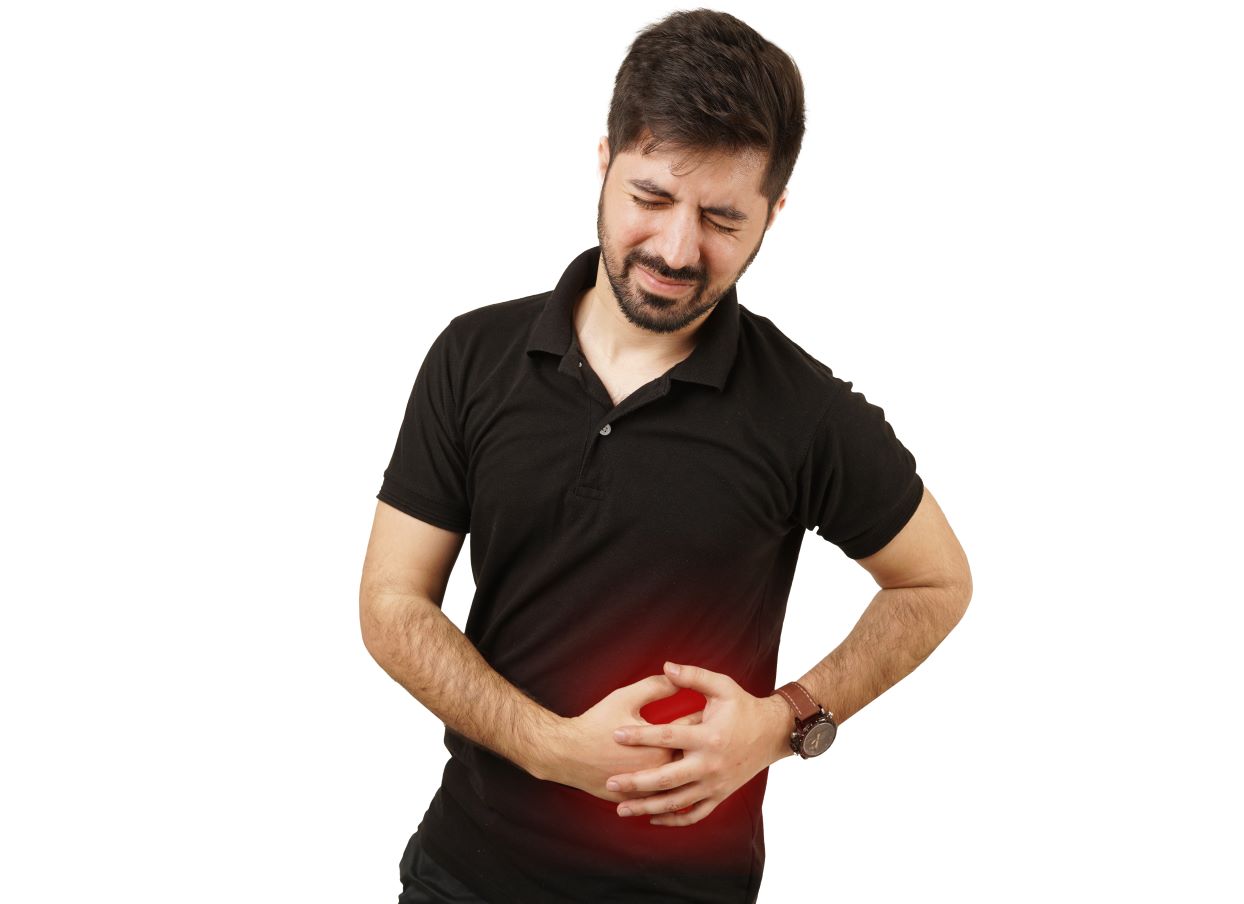
Kidney stones can cause severe pain, urinary discomfort, nausea, and blood in the urine. Fortunately, kidney stone treatment without surgery is possible for many patients, especially when stones are small, uncomplicated, and diagnosed early. Non-surgical treatment focuses on relieving pain, helping the stone pass naturally, preventing infection, and reducing the risk of future stone formation.
At Prabhakar Bhurke Clinic, Dr. Sandip Prabhakar Bhurke, a super specialist nephrologist and transplant physician, provides comprehensive kidney stone evaluation, medical management, and long-term prevention strategies tailored to each patient.
Can kidney stones be treated without surgery?
Yes. Many kidney stones can be managed without surgery depending on:
-
Stone size
-
Stone location
-
Stone composition
-
Severity of symptoms
-
Presence of infection
-
Degree of urinary obstruction
-
Kidney function
Small stones often pass naturally with appropriate medical treatment and hydration.
When is non-surgical treatment possible?
Kidney stone treatment without surgery is commonly considered when:
-
The stone is small
-
Pain can be controlled
-
There is no severe obstruction
-
Kidney function is preserved
-
No serious infection is present
-
The stone has a reasonable chance of passing naturally
A nephrologist determines the most appropriate treatment after imaging and laboratory evaluation.
Medicines used for kidney stone treatment without surgery
Pain relief medications
Pain management is often the first step because kidney stone pain can be extremely intense.
Medical expulsive therapy
Certain medications may help relax the ureter, allowing small stones to pass more easily.
Medicines for uric acid stones
Some uric acid stones may dissolve with appropriate medical treatment, making surgery unnecessary in selected cases.
Infection treatment
If a urinary tract infection is present, antibiotics may be required before or along with stone treatment.
Hydration therapy
Adequate fluid intake is one of the most important parts of non-surgical kidney stone treatment.
Proper hydration can:
-
Increase urine volume
-
Help flush small stones
-
Reduce stone concentration
-
Lower the risk of recurrence
The amount of fluid recommended depends on kidney function and other medical conditions.
ESWL: a non-surgical stone treatment option
Extracorporeal Shock Wave Lithotripsy (ESWL) is a non-surgical procedure that uses shock waves to break kidney stones into smaller fragments.
ESWL may be suitable for selected stones depending on:
-
Stone size
-
Stone location
-
Stone composition
-
Body anatomy
The fragmented stones are then passed naturally through the urinary tract.
Dietary changes that support stone treatment
Dietary modification can help both stone passage and prevention.
Recommendations may include:
-
Increased water intake
-
Reduced excessive salt intake
-
Balanced calcium intake
-
Limiting excessive oxalate-rich foods when appropriate
-
Managing uric acid levels
-
Avoiding dehydration
Diet should be individualized based on stone type and metabolic evaluation.
How long does non-surgical treatment take?
The time required depends on the stone size and location.
Small stones may pass within:
-
A few days
-
One to several weeks
-
Occasionally longer
Regular follow-up is important to ensure that the stone has passed completely and kidney function remains normal.
Symptoms during stone passage
Patients may experience:
-
Intermittent flank pain
-
Pain radiating to the groin
-
Frequent urination
-
Burning during urination
-
Blood in the urine
-
Mild nausea
Persistent severe pain or fever requires immediate medical evaluation.
When non-surgical treatment is not enough
Surgery or minimally invasive procedures may become necessary if:
-
The stone is large
-
Severe obstruction develops
-
Infection occurs
-
Kidney function declines
-
Pain remains uncontrolled
-
The stone fails to pass
-
Recurrent stone episodes occur
Delaying treatment in these situations may increase the risk of kidney damage.
Tests required before treatment
A nephrologist may recommend:
-
Urine examination
-
Blood tests
-
Kidney function tests
-
Ultrasound
-
CT scan when indicated
-
Stone analysis
-
Metabolic evaluation for recurrent stones
These tests help determine whether non-surgical treatment is appropriate.
Preventing future kidney stones
Many patients experience recurrent stones.
Long-term prevention may include:
-
Increased fluid intake
-
Dietary modification
-
Weight management
-
Treatment of metabolic abnormalities
-
Uric acid control
-
Calcium balance optimization
-
Regular kidney monitoring
-
Preventive medications when indicated
Comprehensive evaluation helps reduce recurrence.
Can kidney stones damage the kidneys?
Yes, especially if they cause prolonged obstruction or recurrent infections.
Potential complications include:
-
Hydronephrosis
-
Kidney infection
-
Reduced kidney function
-
Chronic kidney disease
-
Recurrent stone formation
Early treatment helps protect kidney health.
Why choose Dr. Sandip Prabhakar Bhurke?
Patients searching for kidney stone treatment without surgery often need expert evaluation to determine whether medical treatment, ESWL, or another approach is most appropriate.
Dr. Sandip Prabhakar Bhurke provides:
-
Super-specialized nephrology expertise
-
Kidney stone evaluation
-
Medical stone management
-
ESWL suitability assessment
-
Metabolic stone prevention
-
Kidney function monitoring
-
Personalized long-term kidney care
At Prabhakar Bhurke Clinic, the focus is on accurate diagnosis, effective non-surgical treatment whenever appropriate, and prevention of future kidney stone episodes.
Early treatment can help avoid surgery
Many kidney stones can be treated successfully without surgery when diagnosed early and managed appropriately. Prompt nephrology evaluation can relieve symptoms, prevent complications, and reduce the risk of future stone formation.
Medical Disclaimer: This article is intended for educational and informational purposes only and should not be considered medical advice, diagnosis, or treatment. The suitability of kidney stone treatment without surgery depends on stone size, location, infection status, and kidney function. Consult Dr. Sandip Prabhakar Bhurke or another qualified nephrologist for a comprehensive evaluation and personalized treatment plan.