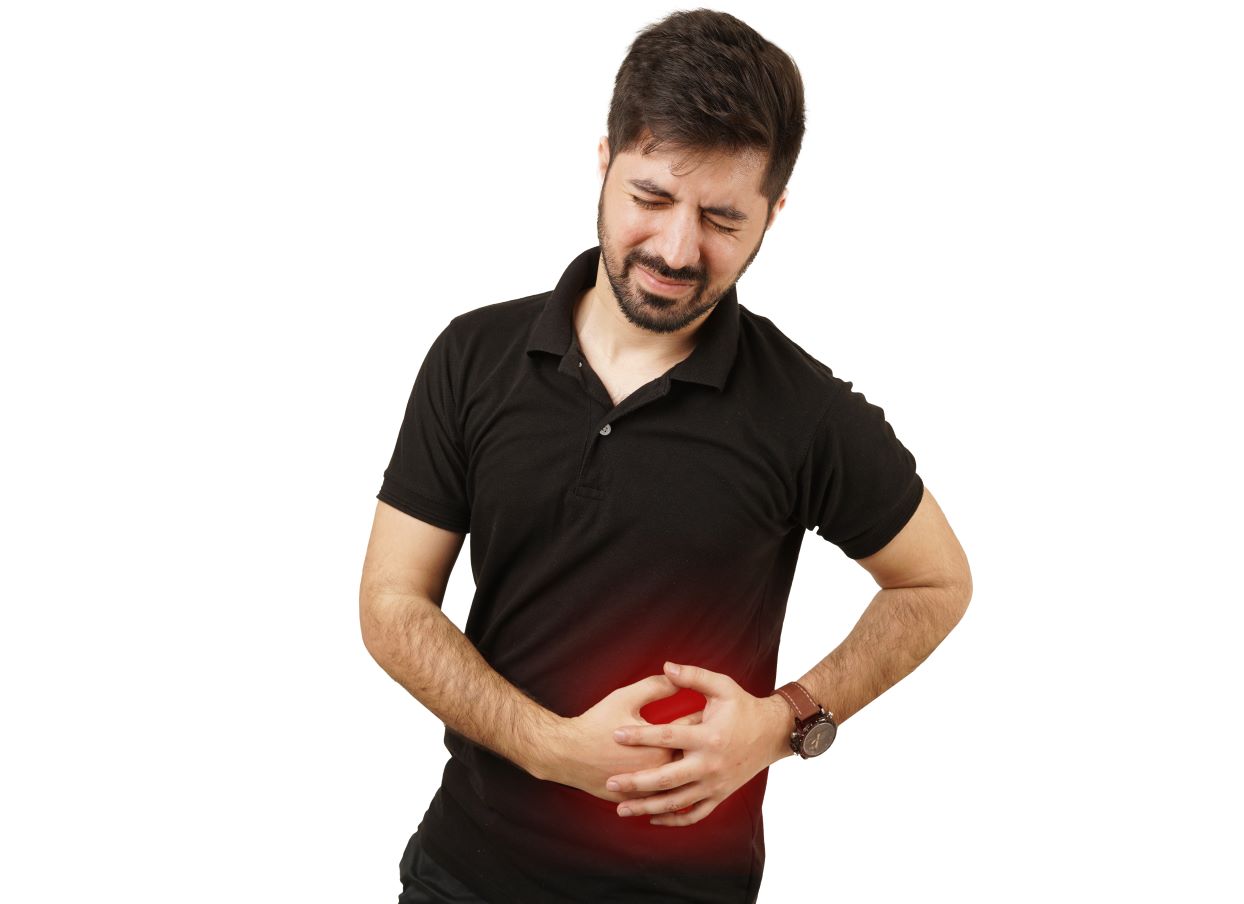
Left side kidney stone pain can occur when a stone develops in the left kidney or moves into the left ureter. The pain may begin around the side or back below the ribs and can sometimes travel toward the lower abdomen or groin.
Kidney stone pain is often described as sharp, severe or cramping. It may come in waves as the ureter contracts around the stone.
However, not every pain on the left side is caused by a kidney stone. Muscular problems, gastrointestinal conditions, urinary infections and other medical conditions can produce similar symptoms.
At Prabhakar Bhurke Clinic, Dr. Sandip Prabhakar Bhurke, super specialist nephrologist and transplant physician, provides specialized evaluation for kidney-related conditions and helps determine the appropriate medical or specialist treatment.
Where Is Left Kidney Stone Pain Usually Felt?
Pain associated with a left kidney stone may occur in:
-
The left side of the back
-
The area below the left ribs
-
The left flank
-
The lower abdomen
-
The groin
-
Occasionally the genital region
The location may change as the stone moves from the kidney toward the bladder.
A stone located higher in the urinary tract may cause more flank or back discomfort, while a stone farther down the ureter may produce pain closer to the lower abdomen or groin.
Why Do Kidney Stones Cause Pain?
The stone itself does not always cause pain while it remains inside the kidney.
Pain commonly develops when a stone moves into the ureter and interferes with urine flow.
This can result in:
-
Stretching of the urinary tract
-
Increased pressure above the obstruction
-
Ureteral muscle spasms
-
Inflammation around the stone
These changes can produce the characteristic severe, intermittent pain associated with renal colic.
Common Symptoms Along With Left Kidney Stone Pain
A urinary stone can cause several symptoms depending on its size and location.
Sharp or Cramping Flank Pain
The pain may suddenly become intense and may fluctuate in severity.
Pain That Moves Toward the Groin
As the stone travels down the ureter, discomfort may shift from the side or back toward the lower abdomen or groin.
Blood in Urine
A stone can irritate the lining of the urinary tract and cause microscopic or visible blood in the urine.
Nausea and Vomiting
Severe renal colic can stimulate nausea and vomiting.
Frequent Urination
A stone closer to the bladder may cause an increased urge to urinate.
Burning During Urination
Pain or burning while passing urine can occur, particularly when the stone is near the bladder or when a urinary infection is also present.
Does Left Side Pain Always Mean a Kidney Stone?
No.
Pain on the left side can have many causes.
Possible alternatives include:
-
Muscle strain
-
Spinal problems
-
Gas or intestinal disorders
-
Constipation
-
Urinary tract infection
-
Kidney infection
-
Other urinary conditions
-
Problems involving nearby abdominal or pelvic organs
Because symptoms overlap, diagnosis should not be based on pain location alone.
Kidney Stone Pain vs Muscle Pain
The two can sometimes feel similar, but there are useful differences.
Kidney stone pain often:
-
Starts suddenly
-
Comes in waves
-
Is difficult to find a comfortable position for
-
May move toward the groin
-
Can occur with nausea or urinary symptoms
Musculoskeletal pain may:
-
Follow physical activity or injury
-
Become worse with certain movements
-
Be associated with tenderness in muscles
-
Improve with rest or changes in position
These are general patterns rather than diagnostic rules. Medical assessment may be necessary when the cause is uncertain.
What Causes Kidney Stones on the Left Side?
The causes of left-sided and right-sided kidney stones are generally similar.
Factors that may increase the risk include:
-
Inadequate fluid intake
-
High urinary calcium
-
High urinary oxalate
-
Increased uric acid
-
Certain dietary patterns
-
Obesity
-
Family history of kidney stones
-
Some metabolic conditions
-
Recurrent urinary infections
-
Certain medicines
-
Inherited disorders such as cystinuria
The presence of a stone does not necessarily mean that a person is dehydrated or has a poor diet. Several factors can contribute to stone formation.
How Are Left Kidney Stones Diagnosed?
A healthcare professional may use a combination of medical history, examination and investigations.
Urine Tests
Urine testing may detect:
-
Blood
-
Infection
-
Crystals
-
Other abnormalities
A urine culture may be required if infection is suspected.
Blood Tests
Blood tests may evaluate:
-
Creatinine and kidney function
-
Electrolytes
-
Calcium
-
Uric acid
-
Other relevant markers
Ultrasound
A kidney and urinary tract ultrasound can identify many stones and may show urinary obstruction or swelling of the kidney.
CT Scan
In selected patients, a non-contrast CT scan can provide detailed information about the size and location of a urinary stone.
The appropriate imaging test depends on the patient's symptoms and clinical circumstances.
Left Side Kidney Stone Pain Treatment
Treatment depends on several factors, including:
-
Stone size
-
Stone location
-
Degree of obstruction
-
Symptoms
-
Infection status
-
Kidney function
-
Previous history of stones
1. Observation and Medical Management
Some small stones can pass naturally.
A doctor may recommend appropriate pain management, monitoring and medication in selected situations.
Fluid intake should be individualized. Patients with kidney failure, heart failure or prescribed fluid restrictions should not increase fluid intake without medical advice.
2. Medicines to Help Stone Passage
Certain medicines may help facilitate passage of selected ureteral stones.
They are not appropriate for every stone and should only be used under medical guidance.
3. Shock Wave Lithotripsy
Shock wave lithotripsy (SWL/ESWL) uses externally generated shock waves to fragment certain urinary stones.
Suitability depends on the stone's:
-
Size
-
Location
-
Composition
-
Patient anatomy
-
Clinical circumstances
4. Ureteroscopy
During ureteroscopy, a small instrument is passed through the urinary tract to reach the stone.
The stone can then be removed or fragmented, sometimes using laser technology.
5. Percutaneous Nephrolithotomy
For selected large or complex kidney stones, percutaneous nephrolithotomy (PCNL) may be recommended.
The procedure creates a small access route into the kidney through the back, allowing the stone to be fragmented and removed.
Can Left Kidney Stone Pain Go Away on Its Own?
It can.
If a small stone passes from the urinary tract, the associated pain may resolve.
However, disappearance of pain does not always prove that the stone has passed. A stone can occasionally stop causing symptoms while remaining in the urinary tract.
Follow-up may therefore be recommended to confirm stone passage or resolution of obstruction.
Can a Kidney Stone Damage the Kidney?
A stone can potentially cause kidney damage if it produces prolonged obstruction, particularly when obstruction is associated with infection.
Repeated or untreated obstruction may affect kidney function.
This is one reason persistent or severe kidney stone symptoms should be medically evaluated rather than repeatedly treated with pain medication alone.
Left Kidney Stone Pain With Fever: Why It Matters
Pain accompanied by fever or chills can be a warning sign.
An infected urinary system that is also obstructed by a stone can become a serious medical emergency.
Urgent medical evaluation is particularly important if you have:
-
Fever or chills
-
Severe flank pain
-
Vomiting
-
Difficulty passing urine
-
Very little urine
-
Significant weakness
-
Confusion
In an infected obstructed system, urgent drainage and antibiotic treatment may be required before definitive stone removal.
How Can Kidney Stones Be Prevented?
After a stone episode, prevention is an important part of long-term care.
Depending on the type of stone and individual risk factors, recommendations may include:
-
Drinking an appropriate amount of fluid
-
Reducing excessive sodium intake
-
Maintaining a balanced diet
-
Avoiding excessive intake of stone-forming foods when medically indicated
-
Maintaining an appropriate dietary calcium intake
-
Managing uric acid abnormalities
-
Treating recurrent urinary infections
-
Taking prescribed preventive medicines
-
Undergoing metabolic evaluation for recurrent stones
Stone analysis can help determine the most appropriate prevention strategy.
Can Drinking Water Stop Kidney Stone Pain?
Drinking an appropriate amount of fluid is important for preventing many kidney stones, but rapidly consuming large quantities of water does not necessarily remove an obstructing stone or immediately stop severe renal colic.
If a stone is causing significant obstruction, medical treatment may be necessary.
People with advanced kidney disease, heart failure or other fluid restrictions should follow their physician's fluid recommendations.
When Should You See a Kidney Specialist?
A nephrologist may be involved when kidney stones occur alongside:
-
Reduced kidney function
-
Recurrent stones
-
Metabolic abnormalities
-
Chronic kidney disease
-
Electrolyte disorders
-
Complex medical conditions
For stones requiring surgical or endoscopic removal, a urologist may be the appropriate procedural specialist.
Some patients may benefit from coordinated nephrology and urology care.
Kidney Stone Evaluation at Prabhakar Bhurke Clinic
At Prabhakar Bhurke Clinic, Dr. Sandip Prabhakar Bhurke, super specialist nephrologist and transplant physician, provides specialized kidney evaluation and medical management.
Patients with recurrent or complicated stone-related concerns may require assessment of:
-
Kidney function
-
Urine abnormalities
-
Stone recurrence risk
-
Uric acid levels
-
Calcium metabolism
-
Electrolyte abnormalities
-
Associated kidney disease
-
Long-term stone prevention
When a stone requires a surgical procedure, appropriate urological evaluation can be arranged based on the patient's clinical needs.
Frequently Asked Questions
How do I know if left side pain is a kidney stone?
Kidney stone pain often affects the flank or side of the back and may move toward the lower abdomen or groin. Blood in urine, nausea, vomiting or urinary symptoms may occur. Imaging and urine testing may be required to confirm the diagnosis.
Can a left kidney stone cause back pain?
Yes. A stone in the left kidney or left ureter can cause pain in the left flank or back, particularly when it obstructs urine flow.
How long does kidney stone pain last?
The duration varies. Pain may come in waves while a stone moves through the ureter. Persistent or severe pain should be medically evaluated.
Can a small kidney stone pass naturally?
Some small stones can pass without a procedure. The likelihood depends on factors such as size, location and urinary anatomy.
Is left kidney stone pain an emergency?
Not always. However, severe pain accompanied by fever, chills, vomiting, difficulty passing urine or significant reduction in urine output requires urgent medical assessment.
Which doctor treats kidney stones?
A nephrologist can evaluate medical and metabolic kidney issues, while a urologist commonly manages procedures for stones requiring removal. Depending on the patient's condition, both specialists may be involved.
Conclusion
Left side kidney stone pain can occur when a stone develops in the left kidney or moves through the left ureter. The pain may be sharp, severe and intermittent, sometimes extending from the flank toward the lower abdomen or groin.
Because several other conditions can cause similar pain, proper diagnosis is important. Treatment ranges from observation and medication to procedures such as shock wave lithotripsy, ureteroscopy or PCNL, depending on the individual stone.
Most importantly, left-sided flank pain accompanied by fever or chills should not be ignored, as an infected obstructed urinary system can require urgent treatment.
For specialized kidney evaluation and medical management, Dr. Sandip Prabhakar Bhurke at Prabhakar Bhurke Clinic provides super specialist nephrology and transplant-related care.
Medical Disclaimer
This article is provided for general educational purposes only and does not constitute medical advice, diagnosis or treatment. Left-sided abdominal, flank or back pain can have many causes and cannot be diagnosed as a kidney stone based on symptoms alone. Treatment depends on the stone's size, location, obstruction, infection status and the patient's overall health. Do not self-medicate or attempt unverified stone-removal remedies. Seek urgent medical attention for severe pain with fever or chills, repeated vomiting, difficulty passing urine, very little or no urine, confusion or rapidly worsening symptoms. Always consult a qualified healthcare professional for personalized evaluation and treatment.