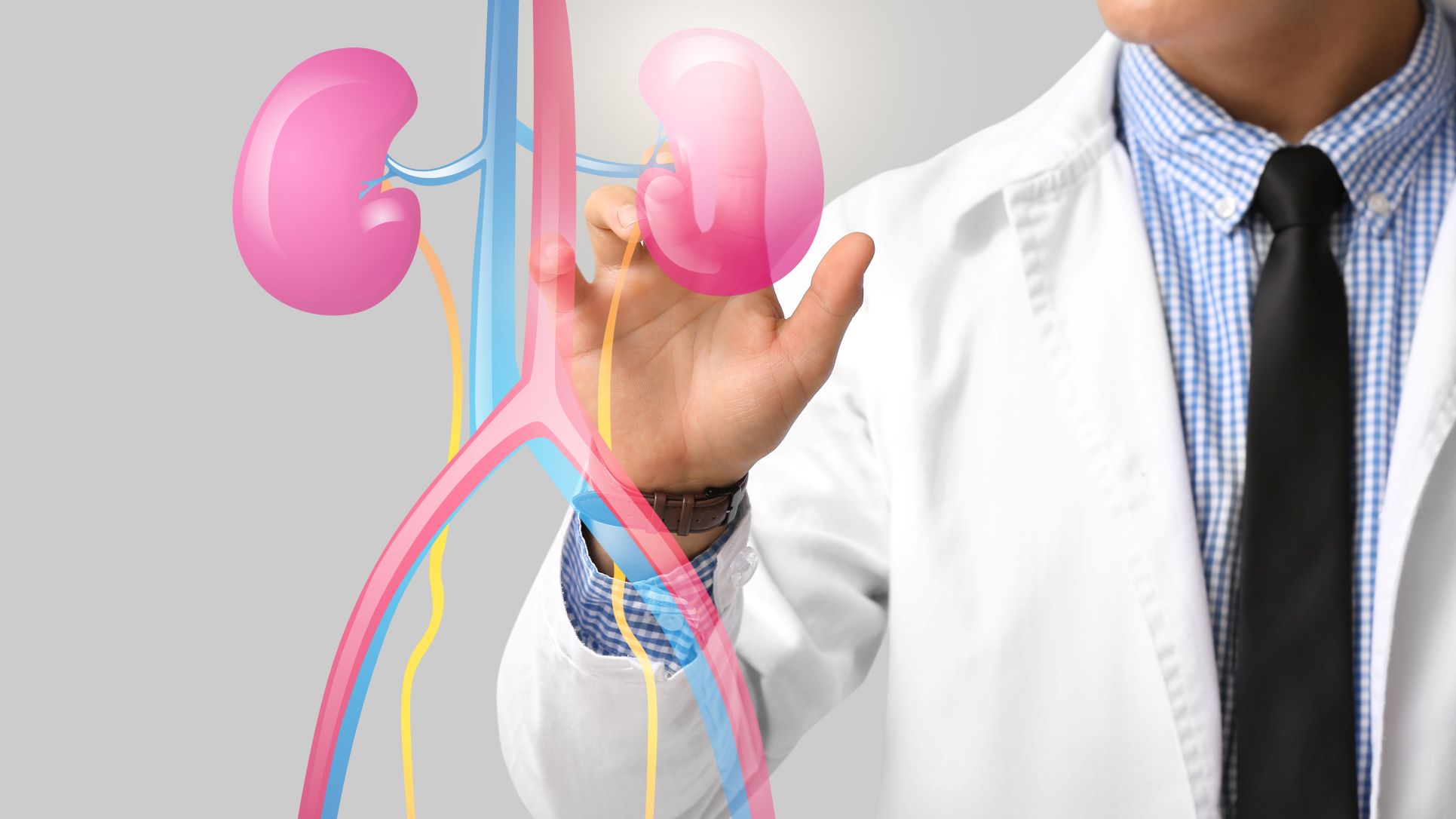
A mild ache or discomfort in the side of the back is sometimes described as mild kidney pain. However, pain in this area does not always originate from the kidneys. Muscles, the spine, nerves and other abdominal or urinary structures can cause similar discomfort.
Kidney-related pain is commonly felt in the flank, the area between the lower ribs and the hip, and may occur on one side or both sides.
The nature of the pain can provide clues, but it cannot establish the cause by itself. Persistent or recurring discomfort should be evaluated, particularly when it occurs together with urinary or systemic symptoms.
At Prabhakar Bhurke Clinic, Dr. Sandip Prabhakar Bhurke, super specialist nephrologist and transplant physician, provides evaluation and management for kidney-related conditions.
Common Causes of Mild Kidney Pain
Several conditions can cause discomfort around the kidney region.
1. Kidney Stones
A small kidney stone may cause intermittent discomfort, while a stone moving into the ureter can produce more intense pain.
Possible accompanying symptoms include:
-
Pain in the side or back
-
Pain that moves toward the lower abdomen or groin
-
Blood in the urine
-
Nausea or vomiting
-
Frequent urination
-
Burning during urination
The severity of pain does not necessarily indicate the size of a stone.
2. Kidney or Urinary Tract Infection
A urinary infection that spreads to the kidney can cause pain in the flank or back.
Other symptoms may include:
-
Fever
-
Chills
-
Burning while urinating
-
Frequent urination
-
Cloudy or unusual-smelling urine
-
Nausea or vomiting
-
Feeling generally unwell
Pain accompanied by fever or chills requires timely medical evaluation because kidney infections can become serious.
3. Muscle Strain
Not every ache near the kidneys is actually kidney pain.
Muscle strain may occur after:
-
Exercise
-
Heavy lifting
-
Sudden movements
-
Prolonged sitting
-
Poor posture
Musculoskeletal pain may change with movement or certain positions, whereas kidney-related pain may not behave in the same way.
4. Urinary Obstruction
A blockage that interferes with urine flow can sometimes cause flank discomfort.
Possible causes include:
-
Kidney stones
-
Ureteral narrowing
-
Enlarged prostate in adults
-
Structural abnormalities
-
Certain masses
Persistent obstruction can potentially damage kidney function and therefore should be investigated.
5. Kidney Cysts
Simple kidney cysts are common, particularly with increasing age, and often cause no symptoms.
A cyst may occasionally cause discomfort if it becomes large, bleeds, becomes infected or causes pressure on surrounding structures.
6. Other Causes of Flank Pain
Pain around the kidney area can also originate from:
-
Spine-related problems
-
Nerve irritation
-
Gastrointestinal conditions
-
Gallbladder disease
-
Certain gynecological conditions
-
Abdominal wall problems
This is why identifying the actual source of pain is important before starting treatment.
Where Is Kidney Pain Usually Felt?
Kidney-related discomfort is commonly located in the flank, beneath the lower ribs and toward the side of the back.
Depending on the underlying problem, pain may also radiate toward:
-
Lower abdomen
-
Groin
-
Side of the body
Kidney stone pain may come in waves, while infection-related discomfort may be more constant.
Pain location alone cannot confirm a kidney condition.
Mild Kidney Pain on One Side
Pain affecting only the right or left side can have many causes.
For example, one-sided discomfort may occur with:
-
A kidney stone
-
Urinary obstruction
-
Kidney infection
-
A kidney cyst
-
Muscle strain
-
Spinal problems
If one-sided pain persists, repeatedly returns or occurs with urinary symptoms, medical evaluation can help determine the cause.
Mild Kidney Pain Without Other Symptoms
Sometimes people experience mild flank discomfort without fever, urinary changes or other symptoms.
This does not automatically indicate kidney disease.
Possible explanations include:
-
Muscle tension
-
Minor injury
-
Poor posture
-
Dehydration
-
Kidney stones
-
Other abdominal or back conditions
If the discomfort does not improve, becomes recurrent or gradually worsens, consult a healthcare professional rather than assuming that it is kidney-related.
Symptoms That Can Accompany Kidney Pain
Depending on the underlying condition, kidney-related pain may occur alongside:
-
Blood in urine
-
Foamy urine
-
Burning while urinating
-
Increased urinary frequency
-
Urgency to urinate
-
Fever
-
Chills
-
Nausea
-
Vomiting
-
Swelling
-
Changes in urine output
-
High blood pressure
The combination of symptoms can help a doctor determine which investigations are appropriate.
When Is Mild Kidney Pain a Warning Sign?
Even mild pain deserves medical attention when it is associated with potentially concerning symptoms.
Consult a doctor if you experience:
-
Persistent or recurring flank pain
-
Blood in the urine
-
Fever or chills
-
Painful urination
-
Repeated urinary infections
-
Difficulty passing urine
-
Significant changes in urine output
-
Unexplained swelling
-
Known kidney disease
-
A history of kidney stones
-
A single functioning kidney
Early assessment may help identify a condition before complications develop.
When Should You Seek Urgent Medical Care?
Seek urgent medical attention if mild pain suddenly becomes severe or is accompanied by:
-
High fever or chills
-
Repeated vomiting
-
Very little or no urine
-
Severe weakness
-
Confusion
-
Fainting
-
Severe abdominal or flank pain
-
Difficulty breathing
-
Significant blood in urine
A combination of urinary obstruction and infection, for example, can require urgent treatment.
How Is the Cause of Kidney Pain Diagnosed?
A doctor may begin with a medical history and physical examination.
Depending on the symptoms, investigations can include:
Urine Examination
Urine testing may look for:
-
Blood
-
Protein
-
White blood cells
-
Bacteria
-
Other abnormalities
Blood Tests
Blood tests may include:
-
Serum creatinine
-
eGFR
-
Urea
-
Electrolytes
-
Complete blood count when appropriate
These tests help evaluate kidney function and identify signs of infection or other problems.
Ultrasound
Ultrasound may help identify:
-
Kidney stones
-
Urinary obstruction
-
Cysts
-
Kidney size and structure
CT Imaging
In selected patients, a CT scan may provide more detailed information about stones or other causes of flank pain.
The choice of imaging depends on symptoms, age, pregnancy status and clinical circumstances.
Treatment for Mild Kidney Pain
There is no single medicine for kidney pain because treatment depends on its cause.
If the Cause Is a Kidney Stone
Management may include observation for suitable small stones, pain management, hydration advice and, when necessary, procedures to remove or fragment the stone.
Larger or obstructing stones may require specialist treatment.
If the Cause Is an Infection
Bacterial kidney infections generally require appropriate antibiotics prescribed by a healthcare professional.
Severe infections may require hospital-based treatment.
If the Cause Is Muscle Pain
Musculoskeletal pain may improve with appropriate rest and treatment after other causes have been excluded.
If There Is Urinary Obstruction
The obstruction may need to be relieved depending on its cause and severity.
Can Drinking More Water Relieve Mild Kidney Pain?
Adequate hydration is important for general kidney health and can be useful for some people with kidney stones.
However, drinking excessive amounts of water is not a universal treatment for kidney pain.
People with advanced kidney disease, heart failure or certain other conditions may actually require fluid restrictions.
Therefore, fluid intake should be appropriate for the individual's medical condition.
Can Mild Kidney Pain Be a Sign of Kidney Disease?
It can be, but pain is not a reliable early warning sign of chronic kidney disease.
Many people with CKD have no pain or obvious symptoms during the early stages.
Kidney disease may instead be detected through:
-
Blood tests
-
Urine tests
-
Blood pressure measurement
-
Imaging
Persistent kidney-related symptoms should be investigated, but the absence of pain does not guarantee normal kidney function.
How Can You Protect Your Kidney Health?
General kidney-protective habits include:
Control Blood Pressure
High blood pressure can damage the kidneys over time.
Manage Diabetes
Good blood sugar control can reduce the risk of diabetic kidney disease.
Avoid Unnecessary Painkillers
Some pain-relieving medicines can affect kidney function, particularly with frequent or inappropriate use.
Maintain a Healthy Weight
A healthy lifestyle can reduce several risk factors for kidney disease.
Stay Appropriately Hydrated
Drink an appropriate amount of fluid based on your health needs rather than following excessive hydration advice.
Do Not Ignore Urinary Symptoms
Persistent blood in urine, recurrent infections or significant changes in urination should be medically evaluated.
Mild Kidney Pain in Different Age Groups
Kidney-related discomfort can occur in children, adults and older adults, but the causes can differ.
In children, urinary abnormalities, infections and congenital conditions may require particular attention.
In adults, kidney stones, infections, obstruction and other urinary conditions are possible causes.
Older adults may have multiple medical conditions or medications that influence kidney function.
A proper medical assessment is therefore important rather than assuming that the cause is the same for everyone.
Kidney Pain and Kidney Function Are Not the Same Thing
One important point is that pain severity does not directly measure kidney function.
A person can have:
-
Severe pain with relatively preserved kidney function, such as from a stone
-
Significant kidney disease without noticeable pain
Therefore, kidney function should be assessed through appropriate medical tests rather than judging it from pain intensity.
Kidney Care at Prabhakar Bhurke Clinic
At Prabhakar Bhurke Clinic, Dr. Sandip Prabhakar Bhurke, super specialist nephrologist and transplant physician, provides evaluation and management for kidney-related complaints.
Depending on the patient's symptoms, assessment may include:
-
Kidney-function testing
-
Urine examination
-
Blood pressure evaluation
-
Kidney and urinary tract imaging
-
Kidney stone assessment
-
Evaluation of recurrent urinary infections
-
CKD evaluation
-
Management of acute kidney problems
-
Long-term kidney disease monitoring
The appropriate treatment is selected after determining the underlying cause of the discomfort.
Frequently Asked Questions About Mild Kidney Pain
Is mild kidney pain something to worry about?
Not necessarily. Mild flank discomfort can result from muscle strain or other non-kidney causes. However, persistent, recurrent or unexplained pain should be assessed, especially if urinary or systemic symptoms are present.
How can I tell if pain is from my kidney?
Kidney-related pain is often felt in the flank beneath the ribs, but location alone cannot confirm its source. Urine tests, blood tests and imaging may be needed.
Can a kidney stone cause mild pain?
Yes. Some stones cause mild or intermittent discomfort, while stones moving through the ureter can cause severe colicky pain.
Can kidney infection cause mild pain?
Yes. A kidney infection may cause flank or back discomfort, often accompanied by fever, chills or urinary symptoms.
Does kidney disease always cause pain?
No. Chronic kidney disease can progress without noticeable pain, particularly during its early stages.
Should I take a painkiller for kidney pain?
Do not routinely self-medicate for unexplained kidney-area pain. Some pain medicines can affect kidney function, especially when used frequently or in people with existing kidney disease. Ask a healthcare professional which option is appropriate.
Conclusion
Mild kidney pain can have many explanations, ranging from muscle strain to kidney stones, urinary infections or obstruction. Pain alone cannot determine whether the kidneys are responsible.
Persistent or recurrent flank discomfort, particularly when accompanied by blood in urine, fever, painful urination, changes in urine output or vomiting, should be medically evaluated. Appropriate blood tests, urine testing and imaging can help identify the underlying cause.
For specialized assessment of kidney-related symptoms and conditions, Prabhakar Bhurke Clinic provides nephrology care under Dr. Sandip Prabhakar Bhurke, super specialist nephrologist and transplant physician.
Medical Disclaimer
This article is intended only for general educational purposes and does not constitute medical advice, diagnosis or treatment. Mild kidney-area pain can have numerous causes, and only a qualified healthcare professional can determine the appropriate diagnosis and treatment. Do not start prescription medicines or antibiotics or change your fluid intake without medical advice. Seek urgent medical attention for severe or rapidly worsening pain, fever with flank pain, repeated vomiting, very low or absent urine output, confusion, fainting, difficulty breathing or significant blood in the urine.