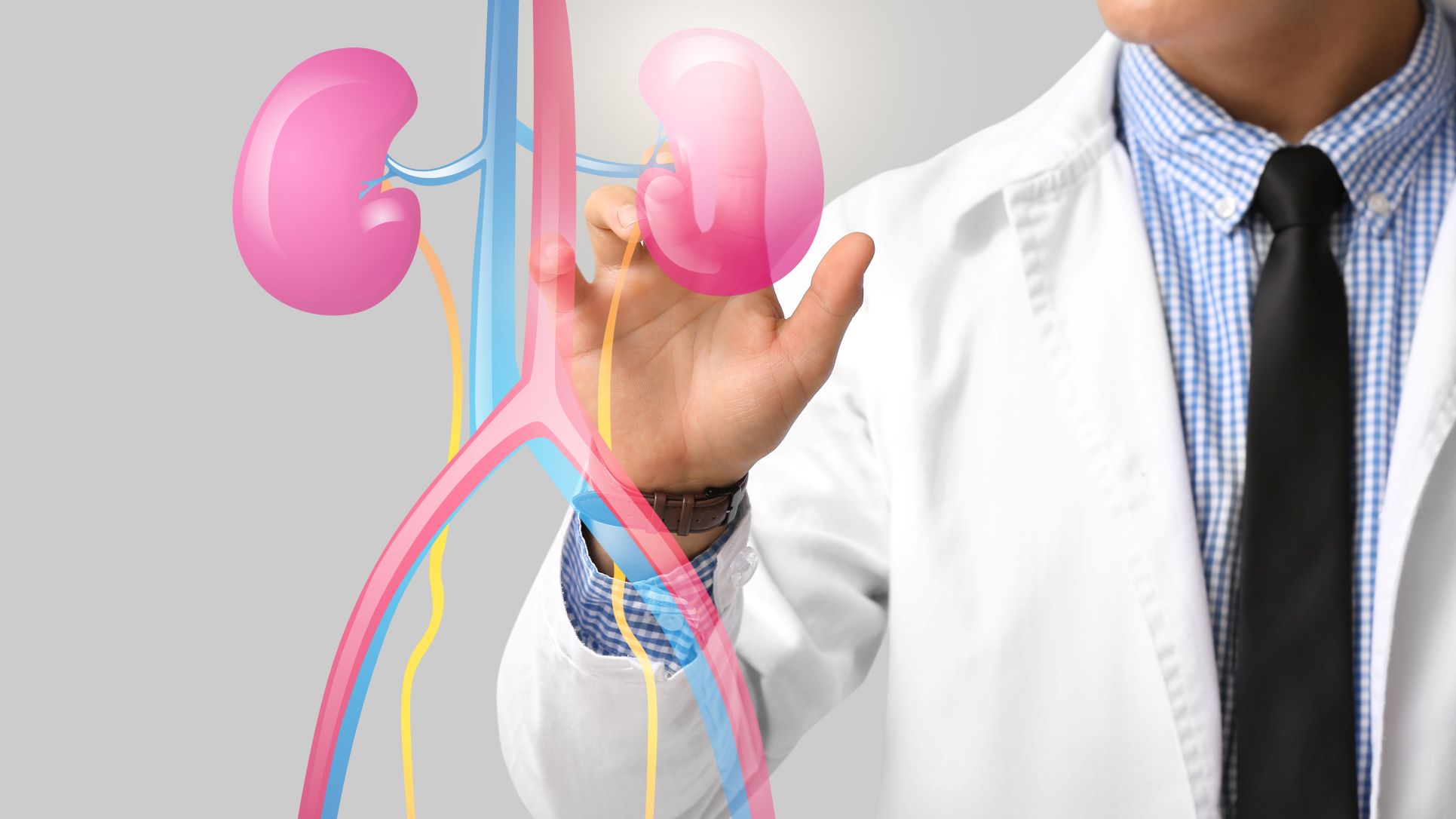
Renal disease is a broad term used for conditions that affect the kidneys.
The kidneys perform several important functions, including filtering waste from the blood, regulating fluid and electrolyte levels, helping control blood pressure and supporting the production of red blood cells and healthy bones.
Renal disease can be temporary or long-lasting.
Some kidney problems develop suddenly and may improve with timely treatment. Others cause progressive, permanent damage and require long-term monitoring.
Because there are many types of renal disease, there is no single renal disease treatment that is appropriate for every patient.
The first step is identifying the underlying condition and determining how significantly kidney function has been affected.
At Prabhakar Bhurke Clinic, Dr. Sandip Prabhakar Bhurke, super specialist nephrologist and transplant physician, provides individualized evaluation and management for a wide range of renal conditions.
Different Conditions Require Different Renal Disease Treatment
The treatment approach may vary considerably depending on the diagnosis.
Renal disease can include:
-
Acute kidney injury
-
Chronic kidney disease
-
Diabetic kidney disease
-
Hypertension-related kidney disease
-
Glomerular diseases
-
Polycystic kidney disease
-
Kidney infections
-
Kidney stones and obstruction
-
Proteinuria
-
Electrolyte disorders
-
Advanced kidney failure
A person should therefore avoid choosing a kidney medicine simply because a blood test shows an elevated creatinine level.
How Doctors Identify the Right Treatment
Before treatment begins, a nephrologist may determine:
-
What caused the kidney problem
-
Whether the condition is acute or chronic
-
How much kidney function has changed
-
Whether protein or albumin is being lost in urine
-
Whether an obstruction is present
-
Whether an infection is present
-
Which complications have developed
-
Which medicines the patient is already taking
This assessment helps distinguish a condition that may be reversible from one requiring long-term kidney care.
Blood Tests Used in Renal Disease
Blood testing can provide important information about kidney function and complications.
Depending on the patient's condition, tests may include:
Serum Creatinine
Creatinine is commonly measured to assess kidney filtration.
An elevated creatinine result does not by itself identify the cause of kidney disease.
eGFR
Estimated glomerular filtration rate provides an estimate of kidney filtration and helps classify chronic kidney disease when interpreted appropriately.
Urea
Blood urea can increase when kidney clearance is reduced, although it can also be influenced by factors other than kidney function.
Electrolytes
Potassium, sodium and bicarbonate may be monitored because kidney disease can disturb electrolyte and acid-base balance.
Hemoglobin
Advanced kidney disease can contribute to anemia, making hemoglobin monitoring important in appropriate patients.
Urine Testing Is an Important Part of Diagnosis
Kidney disease can sometimes be detected through urine abnormalities before severe symptoms develop.
A nephrologist may recommend testing for:
-
Albumin
-
Protein
-
Blood
-
Infection
-
Crystals
-
Other urinary abnormalities
The urine albumin-to-creatinine ratio may be used to assess albumin loss when appropriate.
The combination of eGFR and urine findings can provide more information about kidney health than creatinine alone.
Imaging for Renal Disease
Imaging may be recommended when the doctor needs information about kidney structure or urinary drainage.
Ultrasound
An ultrasound can help assess:
-
Kidney size
-
Obstruction
-
Hydronephrosis
-
Kidney stones
-
Cysts
-
Structural abnormalities
CT or Other Imaging
More detailed imaging may be appropriate in selected patients, particularly when stones, obstruction, masses or other structural conditions are suspected.
The choice of imaging depends on the clinical question and the patient's circumstances.
Treatment for Acute Kidney Injury
Acute kidney injury (AKI) involves a sudden deterioration in kidney function.
Possible causes include:
-
Dehydration
-
Severe infection
-
Low blood pressure
-
Certain medicines
-
Urinary obstruction
-
Major illness
-
Other medical conditions
Treatment focuses on correcting the underlying problem.
For example, appropriate fluid management may be required when dehydration contributes to AKI, while an obstruction may require restoration of urine flow.
Some patients recover substantial kidney function after the cause is treated.
Severe AKI can sometimes require temporary dialysis.
Treatment for Chronic Kidney Disease
Chronic kidney disease involves persistent kidney damage or reduced kidney function over time.
Treatment generally aims to:
-
Slow further kidney-function decline
-
Control the underlying cause
-
Reduce cardiovascular risk
-
Manage complications
-
Preserve remaining kidney function
Depending on the diagnosis, treatment may include blood-pressure control, diabetes management, management of albuminuria, dietary adjustments and treatment of anemia or mineral abnormalities.
Regular monitoring is important because CKD can progress gradually without obvious symptoms.
Renal Disease Treatment for Diabetes-Related Kidney Damage
Diabetes is an important cause of chronic kidney disease.
Kidney care in people with diabetes may include:
-
Appropriate blood-glucose management
-
Blood-pressure control
-
Urine albumin monitoring
-
eGFR monitoring
-
Kidney-protective medicines when appropriate
-
Cardiovascular risk reduction
-
Individualized dietary advice
Treatment should take kidney function and other health conditions into account.
Managing Kidney Disease Caused by High Blood Pressure
Hypertension can damage kidney blood vessels over time.
At the same time, kidney disease can contribute to high blood pressure.
This relationship makes blood-pressure management an important part of renal disease treatment.
The choice of medication depends on factors such as:
-
Kidney function
-
Potassium level
-
Albuminuria
-
Other medical conditions
-
Current medications
Blood-pressure medicines should not be started, stopped or changed without appropriate medical guidance.
Treatment for Protein in the Urine
Persistent protein or albumin in urine can indicate kidney damage.
When significant albuminuria is present, certain kidney-protective medicines may be appropriate depending on the underlying condition and kidney function.
Treatment may also include:
-
Blood-pressure management
-
Diabetes control
-
Dietary guidance
-
Monitoring of eGFR
-
Repeat urine testing
Proteinuria should be investigated rather than treated as an isolated laboratory abnormality.
Renal Disease Treatment for Glomerular Disorders
The glomeruli are microscopic filtering structures inside the kidneys.
Diseases affecting these structures may cause:
-
Proteinuria
-
Blood in urine
-
Swelling
-
High blood pressure
-
Declining kidney function
Treatment depends on the specific diagnosis.
Some glomerular diseases may require immunosuppressive or other disease-specific treatment, while others may be managed with supportive kidney-protective measures.
In selected cases, additional blood tests or a kidney biopsy may be necessary to establish the diagnosis.
Kidney Stones and Obstructive Renal Disease
Kidney stones can sometimes obstruct urine flow.
Depending on the stone's size, location and symptoms, treatment may include observation, medication, shock-wave treatment or endoscopic procedures.
If a stone causes significant obstruction, infection or deterioration in kidney function, prompt intervention may be required.
An infected obstructed urinary system can be a medical emergency.
Treatment for Kidney Infections
Kidney infections require appropriate medical assessment.
When a bacterial infection is identified or strongly suspected, suitable antibiotics may be prescribed.
If a urinary obstruction is preventing drainage, simply treating the infection may not be sufficient.
The obstruction may also need to be relieved.
Fever, chills, severe flank pain and urinary symptoms should receive prompt medical attention.
Treatment for Polycystic Kidney Disease
Polycystic kidney disease is an inherited condition in which multiple cysts develop in the kidneys.
Treatment does not simply involve removing individual cysts.
Management may include:
-
Blood-pressure control
-
Monitoring kidney function
-
Management of pain and infections
-
Assessment of kidney stones
-
Monitoring complications
-
Genetic and family counseling when appropriate
-
Disease-modifying treatment in selected eligible patients
Some adults with rapidly progressing autosomal dominant polycystic kidney disease may be considered for specific therapy such as tolvaptan under specialist supervision.
Medicines and Renal Disease Treatment
There is no universal “kidney medicine.”
Medication selection depends on the disease being treated.
A nephrologist may prescribe medicines to:
-
Control blood pressure
-
Reduce albuminuria
-
Manage diabetes-related kidney risk
-
Treat anemia
-
Correct mineral abnormalities
-
Manage fluid retention
-
Control certain immune-mediated kidney diseases
-
Treat infections when appropriate
Some medicines require dose adjustments when kidney filtration is reduced.
This is why medication review is an important part of renal disease management.
Why You Should Be Careful With Painkillers
Some over-the-counter painkillers, particularly certain NSAIDs, can affect kidney function in susceptible individuals.
The risk may be higher in people with:
-
Reduced kidney function
-
Dehydration
-
Heart failure
-
Certain blood-pressure conditions
-
Older age
-
Certain medication combinations
Do not assume that an over-the-counter medicine is automatically safe for the kidneys.
Ask your doctor or pharmacist before using regular pain medication if you have kidney disease.
Can Renal Disease Be Treated Naturally?
The answer depends on the underlying disease.
Healthy habits can support kidney health, but natural remedies cannot reliably reverse established kidney scarring.
Be cautious about products marketed as:
-
Kidney detoxes
-
Kidney cleansers
-
Herbal kidney cures
-
Creatinine-lowering supplements
Some supplements may interact with prescribed medicines or potentially harm kidney function.
Lifestyle measures should complement—not replace—appropriate medical treatment.
Renal Diet and Kidney Disease Treatment
Dietary recommendations depend on the patient's diagnosis and laboratory results.
A renal diet may involve individualized adjustments to:
-
Sodium
-
Protein
-
Potassium
-
Phosphorus
-
Fluid
Not everyone with kidney disease needs the same dietary restrictions.
For example, nutritional requirements can differ between a person with early CKD and someone receiving dialysis.
A renal dietitian can help create an appropriate nutrition plan.
Can Renal Disease Be Reversed?
Some kidney problems are potentially reversible.
Acute kidney injury caused by a treatable condition may improve substantially.
Examples include certain cases related to:
-
Dehydration
-
Infection
-
Medication-related injury
-
Urinary obstruction
-
Low blood pressure
Established chronic kidney scarring generally cannot be completely reversed.
In such cases, treatment focuses on preserving the remaining kidney function and reducing complications.
When Is Dialysis Part of Renal Disease Treatment?
Dialysis is a form of kidney replacement therapy.
It may become necessary when severely reduced kidney function leads to complications that cannot be adequately controlled through medical treatment.
Possible reasons include:
-
Persistent dangerous potassium elevation
-
Severe metabolic acidosis
-
Significant fluid overload
-
Uremic complications
-
Severe symptoms caused by kidney failure
-
Certain toxin exposures
There is no single creatinine number that automatically means dialysis is required.
The nephrologist considers the patient's complete clinical condition.
Types of Dialysis
Hemodialysis
Blood is passed through a dialyzer to remove waste products and excess fluid.
Peritoneal Dialysis
Dialysis fluid is introduced into the abdominal cavity, where the peritoneal membrane acts as a filtering surface.
The choice between dialysis options depends on medical suitability, lifestyle considerations and patient preference.
Kidney Transplant as a Renal Disease Treatment Option
For eligible patients with advanced kidney failure, transplantation can provide functioning kidney filtration.
Before transplantation, patients undergo detailed evaluation to assess:
-
Overall health
-
Cardiovascular condition
-
Infection risk
-
Cancer screening
-
Surgical suitability
-
Donor compatibility and availability
Transplant evaluation may begin before dialysis becomes necessary in selected patients.
Conservative Management for Advanced Renal Disease
Dialysis is not the only possible approach for every person with advanced kidney disease.
Depending on age, overall health, symptoms and personal preferences, some patients may choose comprehensive conservative kidney management.
This approach can focus on:
-
Symptom control
-
Fluid management
-
Anemia treatment
-
Blood-pressure management
-
Nutrition
-
Quality of life
-
Advance care planning
These decisions should be made together with a nephrologist and healthcare team.
How to Protect Kidney Function During Treatment
Medical treatment works best when combined with appropriate long-term kidney care.
Patients may be advised to:
-
Monitor blood pressure regularly.
-
Manage diabetes appropriately.
-
Take prescribed medicines consistently.
-
Avoid unnecessary NSAIDs.
-
Avoid unverified supplements.
-
Follow individualized dietary recommendations.
-
Maintain appropriate fluid intake.
-
Attend scheduled blood and urine tests.
-
Report changes in urine output.
-
Keep regular nephrology appointments.
The specific recommendations should be tailored to the individual's condition.
Who Is at Higher Risk of Renal Disease?
Kidney-function testing may be particularly important for people with:
-
Diabetes
-
High blood pressure
-
Cardiovascular disease
-
Family history of kidney disease
-
Previous acute kidney injury
-
Recurrent kidney stones
-
Recurrent urinary infections
-
Certain autoimmune conditions
-
Known kidney abnormalities
Early detection may provide an opportunity to address risk factors before kidney disease becomes advanced.
Symptoms That Need Medical Evaluation
Kidney disease may remain silent for a long time.
Possible warning signs include:
-
Persistent swelling
-
Foamy urine
-
Blood in urine
-
Changes in urine output
-
Persistent fatigue
-
High blood pressure
-
Recurrent urinary infections
-
Nausea
-
Itching
-
Breathlessness
These symptoms have many possible causes and do not establish renal disease on their own.
Medical evaluation is important when symptoms are persistent, unexplained or accompanied by abnormal kidney-function tests.
When Is Renal Disease an Emergency?
Seek urgent medical attention for:
-
Very little or no urine
-
Severe breathlessness
-
Chest pain
-
Confusion
-
Seizures
-
Severe swelling
-
Persistent vomiting
-
Severe flank pain with fever or chills
-
Rapidly worsening weakness
-
Sudden deterioration in health
These symptoms may indicate serious kidney, urinary or systemic complications.
Renal Disease Treatment at Prabhakar Bhurke Clinic
At Prabhakar Bhurke Clinic, Dr. Sandip Prabhakar Bhurke, super specialist nephrologist and transplant physician, provides individualized nephrology care for patients with different renal conditions.
Depending on the clinical situation, services may include:
-
Kidney-function assessment
-
Creatinine and eGFR monitoring
-
Urine protein and albumin evaluation
-
Acute kidney injury management
-
Chronic kidney disease care
-
Diabetes-related kidney assessment
-
Hypertension-related kidney care
-
Evaluation of kidney stones and urinary obstruction
-
Management of kidney-related complications
-
Dialysis assessment and planning
-
Kidney transplant-related evaluation
The treatment plan is based on the patient's diagnosis, kidney function, laboratory findings and overall health.
Frequently Asked Questions
What is the best treatment for renal disease?
There is no single best treatment for all renal diseases. Treatment depends on the specific diagnosis, cause, kidney-function level and complications.
Can renal disease be cured?
Some acute kidney conditions can improve or resolve when the underlying cause is treated. Established chronic kidney damage may not be completely reversible, but treatment can help slow progression and manage complications.
What medicine is used for renal disease?
There is no universal renal disease medicine. Depending on the condition, doctors may prescribe blood-pressure medicines, kidney-protective therapies, diabetes treatments, medicines for anemia or mineral abnormalities, immune-directed treatments or antibiotics when indicated.
Can kidney disease be treated without dialysis?
Yes, depending on the stage and complications. Many patients with chronic kidney disease are managed medically for years without dialysis. Dialysis is considered when kidney replacement therapy becomes medically necessary.
Does high creatinine always require kidney treatment?
An elevated creatinine result requires interpretation rather than automatic treatment. The doctor may investigate dehydration, medication effects, acute kidney injury, obstruction or chronic kidney disease before deciding on management.
Can drinking more water treat renal disease?
No. Adequate hydration is important for many people, but excessive water does not repair damaged kidneys and can be harmful in certain kidney and heart conditions.
When should I see a nephrologist?
A nephrologist should be considered when there is persistent creatinine elevation, reduced eGFR, significant proteinuria, difficult-to-control hypertension, recurrent kidney injury, electrolyte abnormalities or progressive kidney-function decline.
Conclusion
Renal disease treatment depends on finding the specific kidney problem rather than using one medicine or home remedy for every patient.
Some renal conditions are acute and potentially reversible, while chronic diseases require long-term strategies to preserve remaining kidney function and prevent complications.
Treatment may involve medicines, blood-pressure and diabetes management, dietary adjustments, management of proteinuria, treatment of infections or obstruction and monitoring of complications.
For advanced kidney disease, dialysis, peritoneal dialysis, transplantation or conservative kidney management may be considered according to the patient's medical condition and preferences.
If you have abnormal creatinine, reduced eGFR, protein in urine, recurrent kidney problems or other concerns about kidney function, specialist evaluation can help identify the cause and determine the appropriate treatment pathway.
For individualized renal and transplant-related care, consult Dr. Sandip Prabhakar Bhurke at Prabhakar Bhurke Clinic.
Medical Disclaimer
This article is intended for general educational and informational purposes only and should not be considered medical advice, diagnosis or treatment. “Renal disease” includes many different conditions, and the appropriate treatment depends on the underlying diagnosis, kidney function, laboratory results, medications and overall health. Do not start, stop or change prescription medicines, painkillers, supplements, herbal products, diet or fluid intake based solely on this article. Some medicines that affect the kidneys require dose adjustment or monitoring when renal function is reduced. Seek urgent medical attention for very little or no urine, severe breathlessness, chest pain, confusion, seizures, severe swelling, persistent vomiting, severe flank pain with fever or chills or rapidly worsening symptoms. Consult Dr. Sandip Prabhakar Bhurke or another qualified nephrologist for individualized medical care.