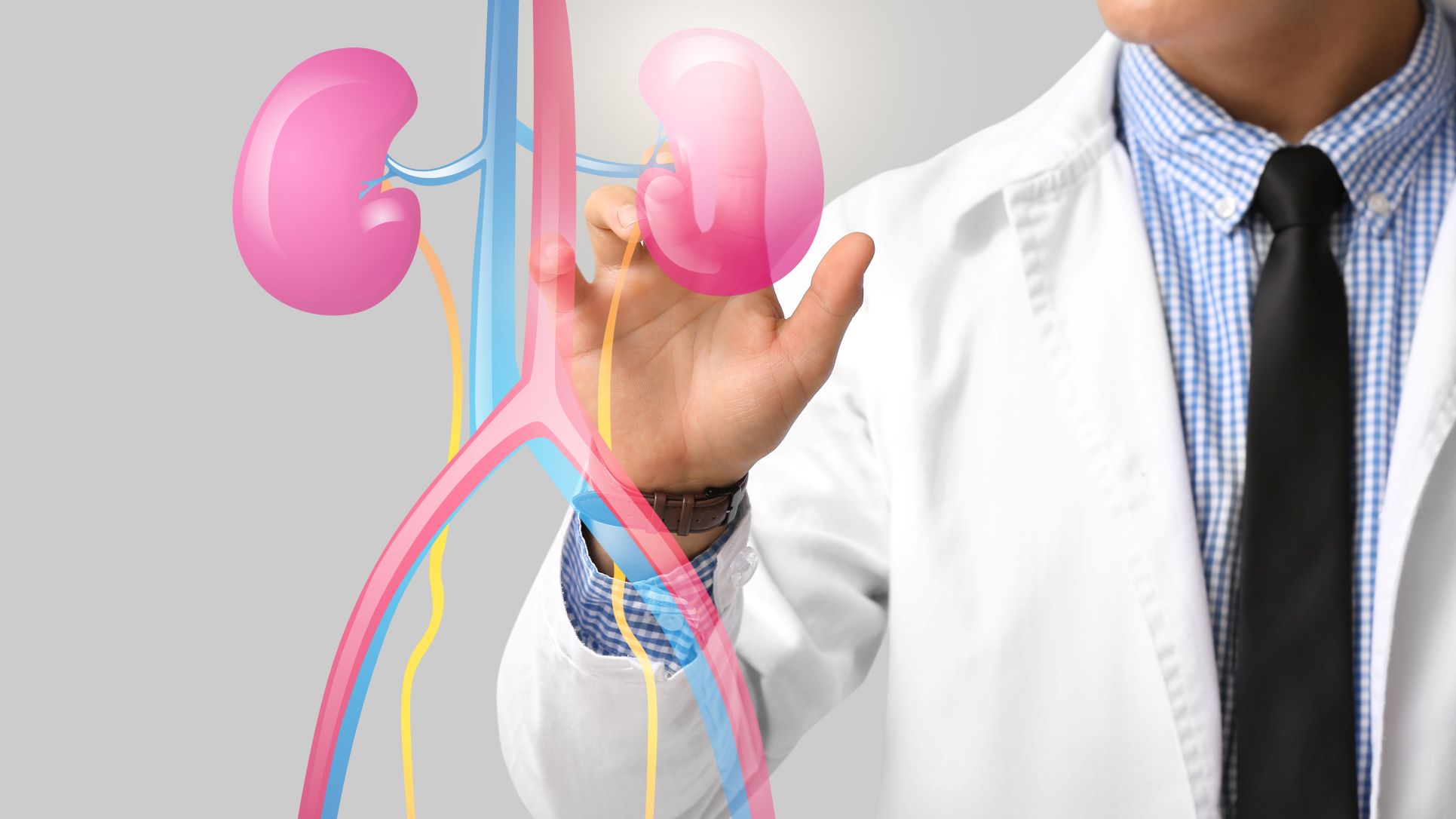
When people receive a diagnosis of stage 1 kidney disease, one of their first questions is often about life expectancy.
The good news is that stage 1 chronic kidney disease (CKD) represents an early stage of kidney disease. At this stage, eGFR may still be in the normal or near-normal range, while there is evidence of kidney damage, such as persistent albumin in the urine or structural abnormalities.
Stage 1 CKD does not automatically mean that a person will develop kidney failure.
The long-term outlook varies considerably between individuals. Factors such as the underlying cause, urine albumin level, blood pressure, diabetes, cardiovascular health, age, smoking status and changes in kidney function over time can influence prognosis.
At Prabhakar Bhurke Clinic, Dr. Sandip Prabhakar Bhurke, super specialist nephrologist and transplant physician, provides individualized evaluation and long-term management for kidney disease.
What Is the Life Expectancy With Stage 1 Kidney Disease?
There is no single life-expectancy number that applies to everyone with stage 1 CKD.
Many people with early kidney disease remain stable for a long time, particularly when the underlying cause and cardiovascular risk factors are appropriately managed.
In some patients, kidney abnormalities remain stable without progressing to advanced kidney failure. Others may have a higher risk of progression because of significant albuminuria, poorly controlled diabetes, uncontrolled blood pressure or another progressive kidney condition.
Therefore, stage 1 CKD should be viewed as a reason for monitoring and risk reduction, rather than as a prediction of a shortened lifespan.
Does Stage 1 Kidney Disease Mean Kidney Failure Is Coming?
No.
Stage 1 CKD is not the same as kidney failure.
Kidney disease is classified into stages based largely on eGFR and other evidence of kidney damage. Stage 1 indicates preserved or near-preserved filtration with evidence of kidney damage.
The risk of progression depends on the cause and the individual's risk profile.
Some people remain at an early stage for many years, while others may experience faster progression.
Regular follow-up helps identify changes early.
Why Can Stage 1 Kidney Disease Be Difficult to Notice?
Early kidney disease often causes few or no symptoms.
A person may feel completely healthy even when urine testing shows albumin or another marker of kidney damage.
Stage 1 CKD may be discovered during testing for:
-
Diabetes
-
High blood pressure
-
A family history of kidney disease
-
Abnormal urine findings
-
Kidney stones
-
Another medical condition
-
A routine health evaluation
This is one reason kidney testing can be valuable for people at increased risk.
What Tests Confirm Stage 1 Kidney Disease?
A diagnosis should not generally be based on one abnormal test alone.
eGFR
The estimated glomerular filtration rate provides an estimate of kidney filtering capacity.
In stage 1 CKD, eGFR is generally 90 mL/min/1.73 m² or higher, but an eGFR in this range by itself does not mean a person has CKD.
There must also be evidence of kidney damage or another relevant abnormality that persists over time.
Urine Albumin
A urine albumin-to-creatinine ratio (UACR) can detect albumin leakage.
Persistent albuminuria can be an important marker of kidney damage even when eGFR remains relatively preserved.
Urinalysis
Urine testing may identify:
-
Protein
-
Blood
-
Infection
-
Other abnormalities
Imaging
Ultrasound, CT, MRI or other imaging may be used when structural kidney abnormalities are suspected.
What Factors Affect Stage 1 CKD Prognosis?
Life expectancy and progression risk are influenced by several factors.
Cause of Kidney Disease
The underlying condition matters.
For example, kidney damage related to diabetes may have a different progression pattern from a structural kidney abnormality or certain inherited conditions.
Albuminuria
The amount of albumin in the urine is an important indicator of kidney and cardiovascular risk.
Higher levels generally indicate greater risk than minimal or absent albuminuria.
Blood Pressure
Poorly controlled hypertension can accelerate kidney damage.
Appropriate blood-pressure management is therefore an important part of long-term kidney care.
Diabetes
Persistent high blood glucose can damage the kidney's filtering structures.
Good diabetes management can help reduce the risk of kidney disease progression.
Cardiovascular Health
People with CKD can have an increased risk of cardiovascular disease.
Managing cholesterol, blood pressure, diabetes, smoking and other cardiovascular risk factors can therefore be important.
Kidney Function Trend
One eGFR result provides less information than a series of measurements over time.
A stable kidney function result can be reassuring, while a persistent decline requires further evaluation.
Can Stage 1 Kidney Disease Progress?
Yes, progression is possible, but it is not inevitable.
The likelihood varies according to the individual's underlying condition and risk factors.
Factors that may increase concern include:
-
Significant or increasing albuminuria
-
Poorly controlled blood pressure
-
Poorly controlled diabetes
-
Smoking
-
Recurrent acute kidney injury
-
Certain progressive kidney diseases
-
Persistent urinary abnormalities
-
A family history of significant kidney disease
Regular monitoring can help identify changes before substantial kidney-function loss occurs.
How Is Stage 1 Kidney Disease Treated?
Treatment is directed at the underlying cause and risk factors rather than simply trying to increase or decrease the eGFR.
Depending on the patient's condition, management may include:
-
Blood-pressure control
-
Diabetes management
-
Treatment to reduce albuminuria when appropriate
-
Kidney-protective medicines when indicated
-
Cholesterol management
-
Healthy dietary habits
-
Appropriate physical activity
-
Avoiding unnecessary kidney-harming medicines
-
Monitoring creatinine and eGFR
-
Monitoring urine albumin
-
Treating specific kidney disorders
Not every patient needs the same medicines or treatment plan.
Can Medicine Prevent Stage 1 Kidney Disease From Getting Worse?
Certain medicines can reduce the risk of kidney disease progression in appropriately selected patients.
For example, ACE inhibitors or ARBs may be used in people with certain patterns of albuminuria and hypertension.
SGLT2 inhibitors may also provide kidney and cardiovascular benefits for selected patients with CKD, depending on their clinical circumstances.
Other medicines may be appropriate for specific kidney diseases.
Medication choices depend on kidney function, potassium levels, blood pressure, diabetes status, albuminuria and other factors.
Never start or stop kidney-related medicines without medical advice.
Does Stage 1 Kidney Disease Require a Special Diet?
Not necessarily a highly restrictive diet.
Many people with early CKD can follow a balanced eating pattern while paying particular attention to:
-
Excessive salt
-
Highly processed foods
-
Excessive sugar
-
Appropriate protein intake
-
Healthy body weight
Specific restrictions on potassium, phosphorus, protein or fluids are not automatically required for every person with stage 1 CKD.
Dietary recommendations should be individualized according to kidney function, laboratory results and other health conditions.
Is Drinking More Water Helpful?
Adequate hydration is important for general health, but drinking excessive amounts of water does not cure chronic kidney disease.
Fluid requirements depend on factors such as:
-
Kidney function
-
Heart health
-
Climate
-
Physical activity
-
Medications
-
Urine output
If a healthcare professional has prescribed a fluid restriction, it should be followed.
Can Exercise Help With Stage 1 Kidney Disease?
Regular physical activity can support overall cardiovascular and metabolic health.
Depending on fitness level and medical conditions, activities such as walking, cycling, swimming and strength training may be suitable.
Exercise can help with:
-
Blood-pressure management
-
Weight control
-
Cardiovascular health
-
Blood-sugar management
-
General fitness
People with other significant medical conditions should discuss an appropriate exercise plan with their healthcare professional.
Should People With Stage 1 CKD Avoid Painkillers?
Certain painkillers, especially some NSAIDs, can affect kidney function in susceptible individuals.
The risk can increase in situations such as dehydration or acute illness.
If you have kidney disease, ask your doctor or pharmacist before using painkillers regularly.
Do not discontinue an essential prescribed medicine without consulting the prescribing clinician.
How Often Should Stage 1 Kidney Disease Be Monitored?
There is no universal follow-up schedule.
Monitoring may depend on:
-
Cause of kidney disease
-
eGFR
-
Urine albumin level
-
Blood pressure
-
Diabetes
-
Medication use
-
Previous kidney-function changes
-
Overall cardiovascular risk
Your nephrologist can recommend an appropriate testing interval.
Monitoring may include creatinine, eGFR, urine albumin, blood pressure and other tests when indicated.
What Are the Warning Signs of Worsening Kidney Function?
Early CKD may cause no symptoms, but worsening kidney dysfunction can eventually be associated with:
-
Increasing swelling
-
Changes in urine output
-
Persistent nausea
-
Reduced appetite
-
Increasing fatigue
-
Muscle cramps
-
Breathlessness
-
Itching
-
Difficult-to-control blood pressure
These symptoms are not specific to kidney disease and should be medically evaluated rather than assumed to represent progression.
Can Stage 1 Kidney Disease Be Reversed?
It depends on what caused the kidney abnormality.
Some findings may improve if the underlying cause is temporary or reversible.
However, chronic kidney disease is generally considered a long-term condition.
Even when existing structural damage cannot be reversed, treatment can focus on:
-
Preventing additional injury
-
Controlling the underlying disease
-
Reducing albuminuria when appropriate
-
Managing cardiovascular risk
-
Monitoring kidney function
-
Slowing further progression
Can People With Stage 1 CKD Live a Normal Life?
Many people with early CKD continue their normal work, family and social activities.
Having stage 1 CKD does not automatically mean that a person will need dialysis or a kidney transplant.
The most useful approach is to understand the cause of the kidney abnormality and maintain appropriate follow-up.
Healthy lifestyle habits and evidence-based medical management can help reduce avoidable kidney and cardiovascular risks.
When Should You Consult a Nephrologist?
A nephrologist may be appropriate if you have:
-
Persistent albumin or protein in urine
-
Abnormal kidney imaging
-
Blood in urine without an identified cause
-
A family history of kidney disease
-
Diabetes with kidney abnormalities
-
High blood pressure with kidney abnormalities
-
Declining kidney function
-
Recurrent kidney stones
-
Repeated acute kidney injury
-
An established kidney disorder
Specialist evaluation can help determine whether the kidney abnormality is stable and identify measures that may reduce future risk.
Stage 1 Kidney Disease Evaluation at Prabhakar Bhurke Clinic
At Prabhakar Bhurke Clinic, Dr. Sandip Prabhakar Bhurke, super specialist nephrologist and transplant physician, provides individualized assessment and management of kidney conditions.
Depending on the patient's medical history, evaluation may include:
-
Review of creatinine and eGFR
-
Urine albumin assessment
-
Urinalysis
-
Blood-pressure evaluation
-
Diabetes assessment
-
Medication review
-
Kidney imaging review
-
Evaluation of kidney stones or structural abnormalities
-
Monitoring of kidney-function trends
-
Long-term kidney-protection planning
The treatment approach is tailored to the underlying cause, laboratory findings and individual risk factors.
Frequently Asked Questions
What is the life expectancy for someone with stage 1 kidney disease?
There is no fixed life-expectancy figure for stage 1 CKD. Many people with early kidney disease remain stable for years, but prognosis depends on the underlying cause, albuminuria, diabetes, blood pressure, cardiovascular health and kidney-function trends.
Is stage 1 kidney disease serious?
It should be taken seriously because it indicates evidence of kidney damage, but it is an early stage. It does not mean that kidney failure is inevitable.
Can stage 1 kidney disease progress to kidney failure?
It can in some people, but progression is not inevitable. The risk varies considerably depending on the cause and individual risk factors.
Does stage 1 CKD require dialysis?
No. Stage 1 CKD does not normally require dialysis. Dialysis is used for advanced kidney failure or certain severe acute kidney conditions when clinically indicated.
Can stage 1 kidney disease be reversed?
Some underlying causes may be reversible, but established chronic kidney disease may persist. Appropriate management can help protect kidney function and reduce the risk of progression.
What is the most important thing to do with stage 1 CKD?
Identify the cause, monitor kidney function and urine albumin, manage blood pressure and diabetes when applicable, follow an appropriate lifestyle and attend recommended medical follow-up.
Conclusion
Questions about stage 1 kidney disease life expectancy can understandably cause concern. However, a stage 1 CKD diagnosis does not by itself determine how long someone will live or mean that kidney failure is inevitable.
Many people with early kidney disease remain stable for extended periods, particularly when the underlying cause and cardiovascular risk factors are appropriately managed.
The most useful indicators of individual prognosis include the cause of kidney disease, urine albumin levels, blood pressure, diabetes status and how kidney function changes over time.
Rather than focusing only on life expectancy, the priority should be early identification of risk factors, appropriate treatment and regular monitoring to protect kidney function.
For individualized kidney evaluation and long-term care, consult Dr. Sandip Prabhakar Bhurke at Prabhakar Bhurke Clinic.
Medical Disclaimer
This article is intended for general educational and informational purposes only and does not constitute medical advice, diagnosis or treatment. There is no single life-expectancy estimate that applies to everyone with stage 1 kidney disease. Prognosis depends on the underlying cause, kidney-function measurements, urine albumin, blood pressure, diabetes, cardiovascular health, age, medications and other individual factors. An eGFR of 90 or higher alone does not establish chronic kidney disease; persistent evidence of kidney damage or another qualifying abnormality is also required. Do not start, stop or change prescription medicines, supplements, painkillers, diet or fluid intake based solely on this article. Consult Dr. Sandip Prabhakar Bhurke or another qualified nephrologist for personalized evaluation, prognosis and treatment.