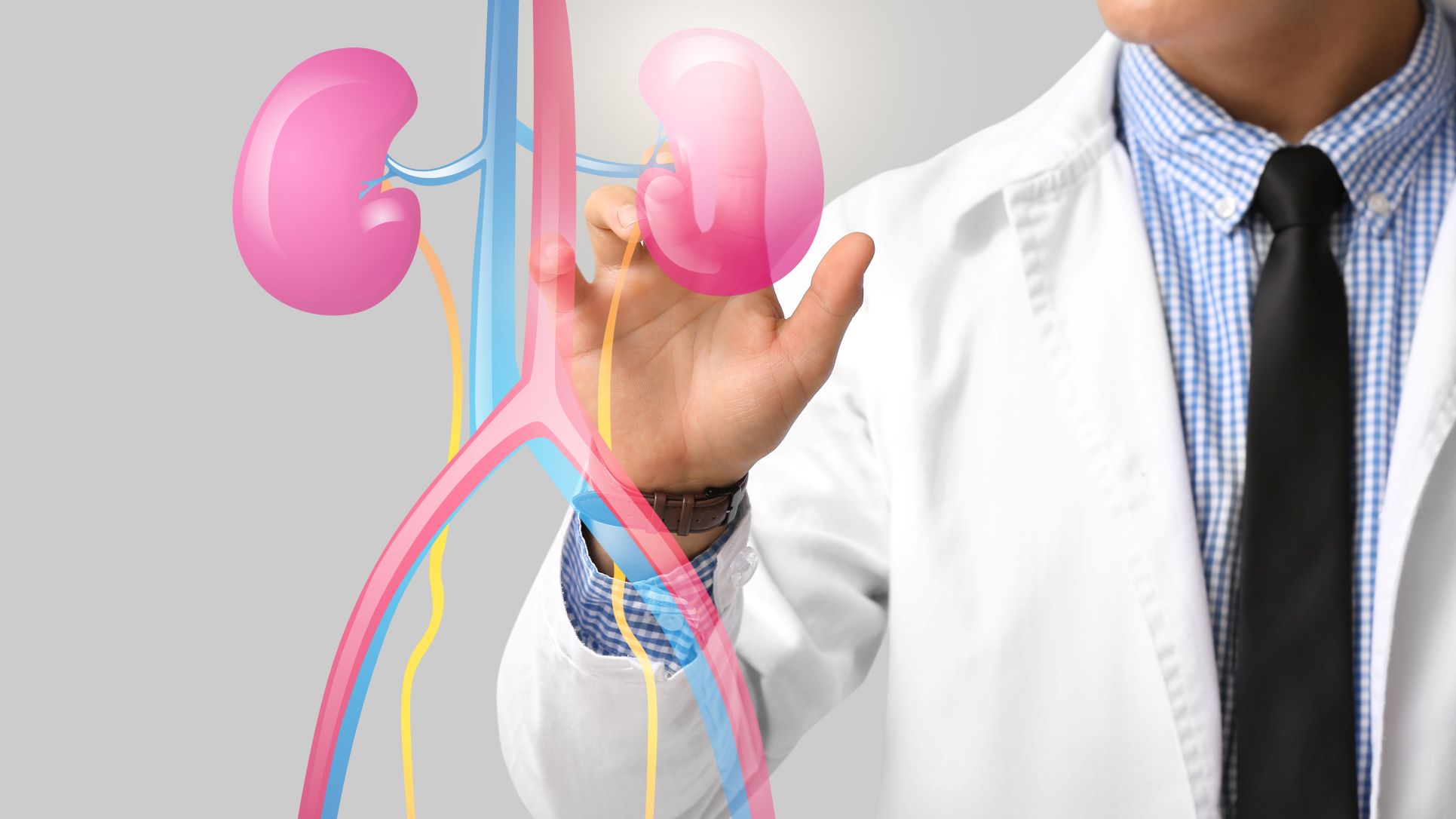
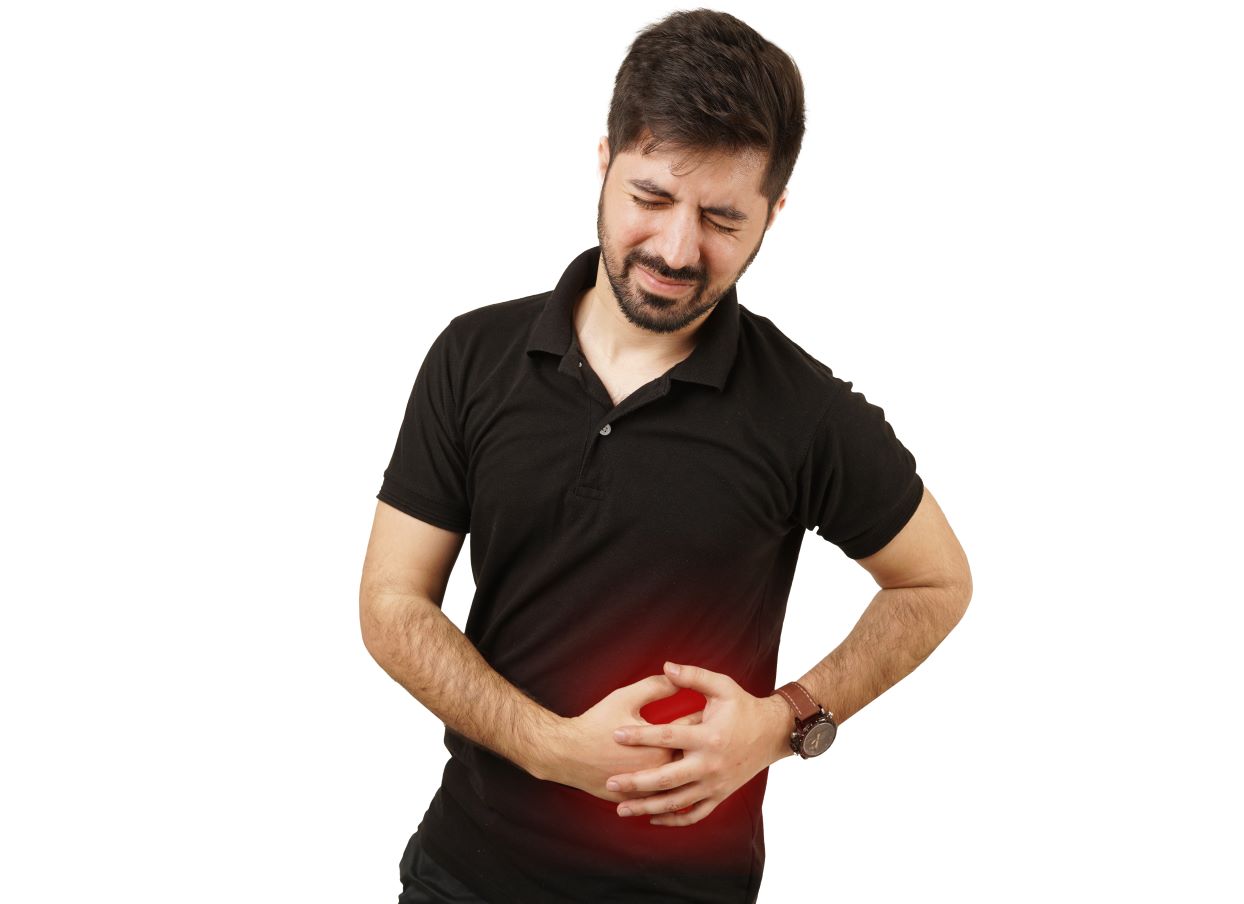
Kidney stone pain can begin suddenly and may become severe enough to interfere with normal activities.
People searching for a stone pain remedy often want immediate relief. However, the safest approach depends on the stone's size, location, whether urine flow is blocked and whether an infection is present.
Kidney stone pain commonly occurs when a stone moves from the kidney into the ureter. The ureter can contract around the stone, producing intense pain that may come and go in waves.
Pain may be felt in the:
-
Side or flank
-
Lower back
-
Abdomen
-
Groin
-
Lower abdomen
Nausea and vomiting can accompany severe stone pain.
At Prabhakar Bhurke Clinic, Dr. Sandip Prabhakar Bhurke, super specialist nephrologist and transplant physician, provides specialist evaluation for kidney stones, urinary obstruction and associated kidney-function problems.
Why Does a Kidney Stone Cause So Much Pain?
The intensity of stone pain is not simply determined by the size of the stone.
When a stone enters the ureter, it can interfere with the normal flow of urine.
This may result in:
-
Stretching of the urinary tract
-
Muscle contractions around the stone
-
Increased pressure within the urinary system
-
Inflammation and irritation
These changes can produce severe, intermittent pain.
A relatively small ureteral stone can therefore sometimes cause more acute pain than a larger stone that remains quietly within the kidney.
Fast Stone Pain Relief: What Can Help?
For an otherwise stable patient with suspected kidney stone pain, treatment may involve appropriate pain-relieving medication.
Commonly used options include:
Nonsteroidal Anti-Inflammatory Drugs
NSAIDs can be effective for renal colic in appropriate patients.
However, they are not suitable for everyone.
People with reduced kidney function, certain stomach problems, dehydration, some cardiovascular conditions or other medical issues may need to avoid them or use them only under medical supervision.
Paracetamol
Paracetamol may be considered for pain relief in appropriate patients.
The correct dose depends on age, health conditions, other medicines and the specific product being used.
Stronger Prescription Pain Relief
Severe pain that does not respond adequately to initial treatment may require additional prescription medication under medical supervision.
The choice depends on the patient's condition and whether complications are present.
Can Heat Help Kidney Stone Pain?
A warm heating pad or warm compress placed over the painful area may provide temporary comfort for some people.
Heat can help relax muscles and may make discomfort more manageable.
However, heat does not remove the stone and should not be considered a substitute for medical evaluation when symptoms are severe or persistent.
Avoid excessive heat that could burn the skin.
Does Drinking Water Relieve Stone Pain?
Adequate hydration is important for urinary health and may support the passage of some smaller stones.
However, forcing large quantities of water during an acute episode of severe stone pain is not recommended.
If a stone is obstructing urine flow, drinking excessive amounts of fluid does not remove the blockage and may increase discomfort.
Fluid intake should be appropriate for the individual's kidney function and medical condition.
Can Walking Help a Kidney Stone Pass?
Movement may be comfortable for some people and may be reasonable when pain is mild and there are no concerning symptoms.
However, walking cannot guarantee that a stone will pass.
The likelihood of spontaneous passage depends largely on factors such as:
-
Stone size
-
Stone location
-
Stone shape
-
Urinary anatomy
-
Degree of obstruction
A larger stone is much less likely to pass naturally than a small stone.
Medicines That May Help a Stone Pass
For selected ureteral stones, a doctor may prescribe medication to facilitate stone passage.
Alpha-blockers may be considered for certain distal ureteral stones, particularly in appropriately selected patients.
These medicines are not suitable for every stone or every patient.
A doctor may first review imaging to determine the stone's size and location before recommending medical expulsive therapy.
How Do You Know If the Pain Is From a Kidney Stone?
Kidney stone pain often has a characteristic pattern.
Possible features include:
-
Sudden severe pain in the flank
-
Pain that comes in waves
-
Pain moving toward the lower abdomen or groin
-
Nausea or vomiting
-
Blood in urine
-
Urinary urgency
-
Burning while urinating in some cases
However, several other conditions can cause similar pain.
For example:
-
Muscle or spine problems
-
Appendicitis
-
Gallbladder disease
-
Gastrointestinal conditions
-
Gynecological conditions
-
Urinary infections
A diagnosis may require urine testing and imaging.
Why Imaging Matters When Stone Pain Is Severe
Pain relief is only one part of kidney stone management.
Imaging can help determine whether the stone is:
-
Still inside the kidney
-
Located in the ureter
-
Causing obstruction
-
Associated with swelling of the kidney
-
Large enough to make spontaneous passage unlikely
Ultrasound may be useful in many situations, while a non-contrast CT scan can provide detailed information about stone size and location when clinically appropriate.
The imaging findings help determine whether observation, medication or active stone removal is more appropriate.
When Is Stone Pain More Than a Pain Problem?
A patient may initially focus on getting rid of the pain, but the underlying obstruction can sometimes be more important.
A stone may require active treatment when there is:
-
Persistent or recurrent severe pain
-
Urinary obstruction
-
Reduced kidney function
-
Low likelihood of spontaneous passage
-
Recurrent infection
-
Increasing stone size
-
Other complications
In these situations, simply continuing pain medication may not solve the underlying problem.
Stone Pain With Fever: Why It Is Different
Kidney stone pain accompanied by fever or chills requires urgent medical attention.
An obstructed urinary system combined with infection can become a serious medical emergency.
Warning symptoms include:
-
Fever
-
Chills
-
Severe flank pain
-
Vomiting
-
Weakness
-
Confusion
-
Reduced urine output
When infection occurs behind an obstruction, urgent drainage of the urinary system may be required.
This may involve a ureteral stent or nephrostomy, followed by definitive stone treatment once the infection has been appropriately managed.
Can Kidney Stone Pain Be Treated Without Surgery?
Sometimes.
Small stones with a reasonable chance of spontaneous passage may be managed conservatively when the patient is stable and there are no complications.
Treatment may include:
-
Pain management
-
Appropriate fluid intake
-
Medical expulsive therapy in selected cases
-
Follow-up imaging
-
Monitoring for passage
However, a large stone, persistent obstruction, uncontrolled pain or declining kidney function may require a procedure.
What Procedures Can Treat the Cause of Stone Pain?
If the stone is unlikely to pass or is causing complications, active stone treatment may be recommended.
Depending on the stone, options can include:
Ureteroscopy
A small endoscope is passed through the urinary tract to reach the stone. The stone can then be fragmented, often using laser energy, and removed.
Shock Wave Lithotripsy
External shock waves are used to fragment selected stones.
Percutaneous Nephrolithotomy
PCNL creates a small access tract through the back into the kidney and is generally considered for larger or complex renal stones.
The appropriate procedure depends on stone size, location, density, anatomy and the patient's medical condition.
Why Pain May Return After Temporary Relief
Pain medicine can reduce discomfort, but it does not necessarily remove the stone.
If the stone remains in the urinary tract, pain can return when the stone changes position or obstruction persists.
Repeated episodes of pain should therefore not simply be managed with repeated self-medication.
A specialist assessment can determine whether the stone is progressing toward spontaneous passage or requires active treatment.
What Should You Avoid During Kidney Stone Pain?
Some commonly suggested remedies can be inappropriate or unsafe.
Avoid:
-
Taking painkillers repeatedly without checking the correct dose
-
Using antibiotics without medical advice
-
Taking herbal stone remedies without knowing the stone type
-
Drinking excessive amounts of water to force the stone out
-
Delaying care despite fever or reduced urine output
-
Assuming severe pain will always resolve naturally
People with kidney disease should be particularly careful about self-medicating with NSAIDs or supplements.
What Tests May Be Needed?
When kidney stone pain is suspected, a healthcare professional may recommend:
Urine Testing
This may detect:
-
Blood
-
Infection
-
Crystals
-
Other abnormalities
Blood Tests
Depending on the situation, testing may include:
-
Creatinine
-
eGFR
-
Electrolytes
-
Blood count
-
Other relevant tests
Imaging
Ultrasound or CT imaging can help establish the stone's location and size and determine whether obstruction is present.
Can Stone Pain Damage the Kidney?
The pain itself does not necessarily damage the kidney.
However, the underlying obstruction caused by a stone can potentially impair kidney function if it is significant or prolonged.
Risk may be greater when obstruction is associated with:
-
Infection
-
Reduced urine output
-
Pre-existing kidney disease
-
Obstruction affecting both kidneys or a solitary functioning kidney
This is why persistent stone symptoms should not be ignored.
What If There Is a Stone in Only One Kidney?
A stone in the left or right kidney can cause symptoms depending on its location and whether it moves into the ureter.
If the opposite kidney is functioning normally, overall kidney function may sometimes remain stable despite a problem on one side.
However, obstruction should still be evaluated because prolonged blockage can damage the affected kidney.
Stone Pain Remedy for Different Stone Sizes
The appropriate approach varies according to stone size.
Small Stones
Some small stones may pass naturally with appropriate observation and symptom management.
Medium-Sized Stones
Passage depends on location and other factors. Medical expulsive therapy or active treatment may be considered.
Large Stones
Large renal stones are less likely to pass naturally and may require a procedure such as ureteroscopy, ESWL or PCNL depending on their characteristics.
The exact treatment should be based on imaging rather than size alone.
How Can Future Stone Episodes Be Reduced?
After the immediate pain has settled, prevention becomes important.
Depending on the stone type, your specialist may recommend:
-
Appropriate fluid intake
-
Reducing excessive dietary sodium
-
Maintaining a balanced diet
-
Stone analysis
-
Metabolic evaluation in selected patients
-
Treatment of recurrent urinary infections
-
Prescribed preventive medication when appropriate
-
Follow-up imaging
There is no single kidney-stone diet that is suitable for everyone.
When Should You Go to the Emergency Room?
Do not rely on a home stone pain remedy if you experience:
-
Fever or chills
-
Severe or uncontrollable pain
-
Very little or no urine
-
Persistent vomiting
-
Fainting
-
Confusion
-
Severe weakness
-
Significant blood in urine with worsening symptoms
-
Severe pain with known urinary obstruction
These symptoms may indicate infection, obstruction, dehydration or another serious condition.
Kidney Stone Pain Evaluation at Prabhakar Bhurke Clinic
At Prabhakar Bhurke Clinic, Dr. Sandip Prabhakar Bhurke, super specialist nephrologist and transplant physician, provides individualized kidney evaluation for patients experiencing kidney stone symptoms and related kidney-function concerns.
Assessment may involve:
-
Reviewing previous stone episodes
-
Evaluating kidney function
-
Reviewing ultrasound or CT reports
-
Assessing urinary obstruction
-
Checking for infection
-
Reviewing medications
-
Evaluating recurrent stone risk
-
Monitoring kidney function
-
Coordinating with appropriate urological specialists when a stone-removal procedure is required
The appropriate pain-management and stone-treatment plan depends on the patient's symptoms, imaging, kidney function and overall health.
Frequently Asked Questions
What is the fastest stone pain remedy?
Appropriate pain-relieving medicine can provide relief, but the safest option depends on your health and kidney function. Severe or persistent pain should be medically evaluated rather than repeatedly treated at home.
How can I reduce kidney stone pain at home?
Rest, a warm compress and appropriate fluid intake may provide some comfort. Pain medicines may also be used when suitable. Do not force excessive water intake or repeatedly self-medicate.
Does drinking water remove kidney stone pain?
Water does not directly treat the pain. Adequate hydration can support urinary health and may help selected small stones pass, but excessive water is not recommended during obstructive stone pain.
Can I take painkillers for kidney stone pain?
Some painkillers are effective for renal colic, but the appropriate medicine depends on kidney function, other health conditions and medications. NSAIDs can be unsuitable for some patients.
How long does kidney stone pain last?
The duration varies considerably. Pain may stop when the stone changes position, passes into the bladder or is treated. Persistent or recurrent pain warrants evaluation.
Can a kidney stone cause pain without blood in urine?
Yes. The absence of visible blood does not rule out a kidney stone.
When does stone pain require surgery?
Active treatment may be recommended when the stone is unlikely to pass, pain persists despite appropriate treatment, obstruction or infection develops, kidney function is threatened or other complications occur.
Conclusion
A stone pain remedy should do more than temporarily mask discomfort. The important step is understanding whether a kidney stone is present, where it is located and whether it is obstructing urine flow.
For selected small stones, appropriate pain management, observation and medical treatment may be enough while the stone passes naturally. Larger stones, persistent pain, obstruction, infection or impaired kidney function may require active stone removal.
Avoid unverified remedies and excessive water intake, particularly when severe pain or urinary obstruction is present.
If kidney stone pain is severe, recurrent or accompanied by fever, vomiting, reduced urine output or other warning signs, seek prompt medical assessment.
For individualized kidney evaluation and specialist care, consult Dr. Sandip Prabhakar Bhurke at Prabhakar Bhurke Clinic.
Medical Disclaimer
This article is intended for general educational and informational purposes only and should not be considered medical advice, diagnosis or treatment. Kidney stone pain can have different causes, and the appropriate stone pain remedy depends on stone size, location, obstruction, infection status, kidney function, other medical conditions and current medications. Some pain medicines, particularly NSAIDs, may be unsafe for people with reduced kidney function or certain other health conditions. Do not take prescription medicines, antibiotics, painkillers, herbal remedies or supplements without appropriate medical guidance. Do not attempt to force a stone through excessive water intake. Fever, chills, severe or uncontrollable pain, persistent vomiting, very little or no urine, confusion, fainting or rapidly worsening symptoms require urgent medical evaluation. Consult Dr. Sandip Prabhakar Bhurke or another qualified healthcare professional for an individualized diagnosis and treatment plan.