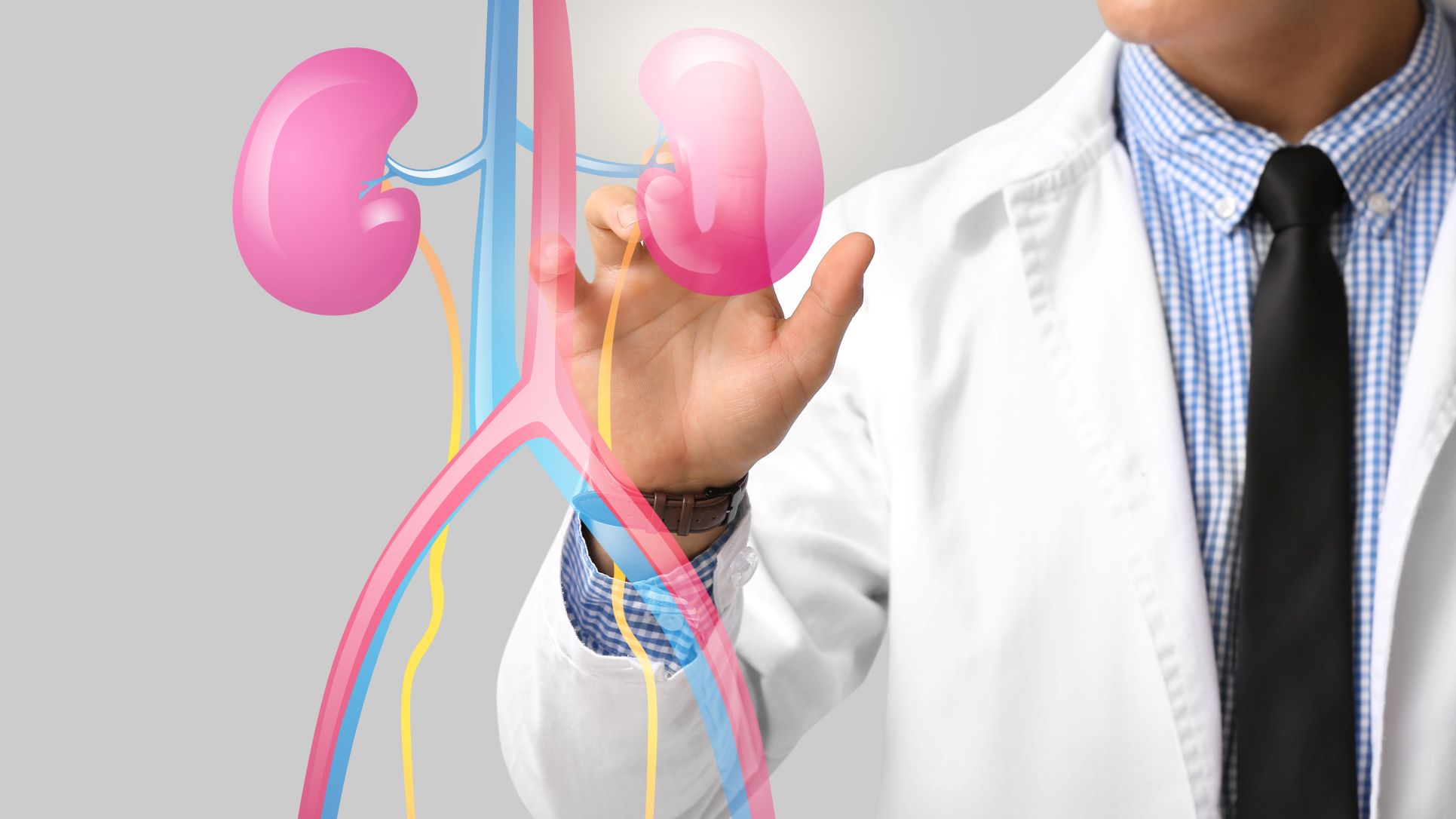
Kidney stones can cause severe pain, blood in the urine and urinary obstruction. While many small stones may pass naturally, stone removal surgery is often recommended when a stone is too large to pass, causes persistent pain, blocks urine flow or leads to infection. Modern kidney stone surgery is far less invasive than traditional open surgery, and many procedures can be performed using endoscopic or laser techniques.
Patients searching for stone removal surgery often want to understand whether surgery is necessary, which procedure is best, how long recovery takes and whether kidney function can be preserved. The answer depends on the size, location, composition and symptoms of the stone.
At Prabhakar Bhurke Clinic, Dr. Sandip Prabhakar Bhurke, super specialist nephrologist and transplant physician, provides comprehensive evaluation of kidney stones, treatment planning, kidney function assessment and long-term stone prevention strategies.
What Is Stone Removal Surgery?
Stone removal surgery refers to procedures used to remove or break kidney stones and ureteric stones when they are unlikely to pass naturally or are causing complications.
The main goal is to:
-
Relieve pain
-
Remove obstruction
-
Treat infection-related complications
-
Preserve kidney function
-
Prevent recurrent stone problems
When Is Stone Removal Surgery Needed?
Surgery may be recommended if a patient has:
-
A large kidney stone
-
A stone causing severe persistent pain
-
Urinary obstruction
-
Kidney swelling (hydronephrosis)
-
Recurrent urinary infections
-
Fever associated with a stone
-
Blood in urine with significant stone burden
-
Reduced kidney function
-
Failure of a stone to pass naturally
-
Recurrent stone episodes
Not every kidney stone requires surgery. Many small stones can be managed conservatively under medical supervision.
Common Types of Stone Removal Surgery
Ureteroscopy (URS) With Laser Stone Removal
A thin telescope is passed through the urinary passage to reach the ureter or kidney. A laser is used to break the stone into small fragments, which are then removed or allowed to pass naturally.
This is commonly used for:
-
Ureteric stones
-
Small to medium kidney stones
-
Stones that have not passed spontaneously
Percutaneous Nephrolithotomy (PCNL)
PCNL is used for large kidney stones, complex stones or stones occupying a significant portion of the kidney. A small incision is made in the back, and instruments are inserted directly into the kidney to remove the stone.
PCNL is often recommended for:
-
Large stones
-
Staghorn calculi
-
Multiple kidney stones
-
Stones unsuitable for other treatments
Extracorporeal Shock Wave Lithotripsy (ESWL)
ESWL uses shock waves from outside the body to break certain stones into smaller fragments that can pass through the urine.
It is suitable for selected stones based on size and location.
Is Laser Stone Removal Surgery Better?
Laser lithotripsy has become one of the most commonly used stone removal techniques because it is minimally invasive and highly effective for many ureteric and kidney stones.
Potential advantages include:
-
No large surgical incision
-
High stone clearance rates
-
Shorter hospital stay in many cases
-
Faster recovery
-
Ability to treat stones in different urinary tract locations
However, the best procedure depends on the individual patient and the stone characteristics.
How Is the Best Surgery Chosen?
Doctors consider several factors, including:
-
Stone size
-
Stone location
-
Stone density
-
Kidney anatomy
-
Presence of infection
-
Degree of obstruction
-
Previous stone surgeries
-
Kidney function
-
Overall health
Imaging studies help determine the most appropriate treatment approach.
What Happens Before Stone Removal Surgery?
Evaluation may include:
-
Urine analysis
-
Urine culture
-
Blood tests
-
Kidney function tests
-
Ultrasound
-
CT scan
-
X-ray in selected cases
Any urinary infection should usually be treated before definitive stone surgery whenever possible.
Is Stone Removal Surgery Painful?
Most modern stone removal procedures are performed under general or spinal anesthesia, so patients do not experience pain during the operation.
After surgery, patients may have temporary discomfort, burning during urination, mild blood in the urine or flank discomfort, which is usually manageable with medications.
Recovery After Stone Removal Surgery
Recovery depends on the procedure performed.
Many patients undergoing ureteroscopy can resume light activities within a few days, while recovery after PCNL may take longer.
Temporary symptoms may include:
-
Mild blood in urine
-
Urinary urgency
-
Burning urination
-
Flank discomfort
-
Fatigue for a few days
A ureteric stent may be placed temporarily after some procedures.
Risks of Stone Removal Surgery
Although generally safe, potential risks include:
-
Infection
-
Bleeding
-
Incomplete stone clearance
-
Ureteric injury
-
Temporary stent discomfort
-
Need for additional procedures
-
Rare kidney-related complications
The overall risk depends on the procedure and the patient's medical condition.
Can Stones Come Back After Surgery?
Yes. Surgery removes existing stones but does not automatically prevent new stones from forming.
Recurrence is common without preventive measures.
Preventing Kidney Stones After Surgery
Long-term prevention may include:
-
Adequate hydration
-
Stone analysis
-
Urine metabolic evaluation
-
Dietary modification
-
Sodium reduction
-
Oxalate management when appropriate
-
Uric acid control when indicated
-
Prescription medications for selected patients
Identifying the stone type is important for targeted prevention.
Why Kidney Function Evaluation Is Important
Kidney stones can affect kidney function by causing:
-
Urinary obstruction
-
Hydronephrosis
-
Recurrent infections
-
Kidney inflammation
-
Progressive kidney damage in severe cases
A nephrologist can assess whether the stone has affected kidney function and recommend appropriate monitoring.
Stone Removal Surgery and Diabetes or CKD
Patients with diabetes or chronic kidney disease require careful evaluation before stone surgery. Kidney function, medications, blood sugar control and infection risk must be considered during treatment planning.
When Should You Seek Urgent Medical Attention?
Seek immediate medical care if a kidney stone is associated with:
-
Fever
-
Chills
-
Severe uncontrolled pain
-
Persistent vomiting
-
Difficulty passing urine
-
Very little urine output
-
Confusion
-
Severe weakness
An infected obstructed kidney stone can become a medical emergency.
Kidney Stone Care at Prabhakar Bhurke Clinic
At Prabhakar Bhurke Clinic, Dr. Sandip Prabhakar Bhurke provides comprehensive kidney stone evaluation and long-term kidney care.
Assessment may include:
-
Kidney function testing
-
Stone risk evaluation
-
Urine analysis
-
Metabolic stone assessment
-
Imaging review
-
Stone prevention counseling
-
CKD evaluation in stone patients
-
Post-surgical kidney monitoring
Treatment planning focuses on both stone removal and prevention of future kidney damage.
Frequently Asked Questions
When is stone removal surgery necessary?
Surgery is usually recommended for large stones, obstructing stones, stones causing severe pain, infection, kidney damage or stones that fail to pass naturally.
Is laser stone removal surgery safe?
Laser ureteroscopy is generally considered a safe and effective minimally invasive treatment for many ureteric and kidney stones.
How long does recovery take after kidney stone surgery?
Recovery varies by procedure. Many patients recover relatively quickly after ureteroscopy, while PCNL recovery may take longer.
Can kidney stones return after surgery?
Yes. Recurrence is possible, so hydration, dietary modification and metabolic evaluation are important after stone removal.
Does stone surgery affect kidney function?
Stone removal is often performed to protect kidney function by relieving obstruction and preventing further kidney damage.
Conclusion
Stone removal surgery is often the most effective treatment for kidney stones that are too large to pass naturally or are causing pain, obstruction or infection. Modern minimally invasive procedures such as ureteroscopy with laser lithotripsy and PCNL provide excellent stone clearance with shorter recovery times than traditional surgery.
Equally important is preventing future stone formation through metabolic evaluation, hydration and long-term kidney care.
For expert kidney stone evaluation and personalized treatment planning, consult Dr. Sandip Prabhakar Bhurke at Prabhakar Bhurke Clinic.
Medical Disclaimer
This article is intended for general educational purposes only and does not constitute medical advice, diagnosis or treatment. Kidney stone treatment depends on the size, location, composition of the stone, kidney function, symptoms and the presence of infection or obstruction. Do not delay medical evaluation for severe flank pain, fever, chills, persistent vomiting, difficulty passing urine, blood in urine or reduced urine output. Some kidney stones require urgent treatment to prevent kidney damage or serious infection. Consult Dr. Sandip Prabhakar Bhurke or another qualified nephrologist or urologist for individualized evaluation and treatment.