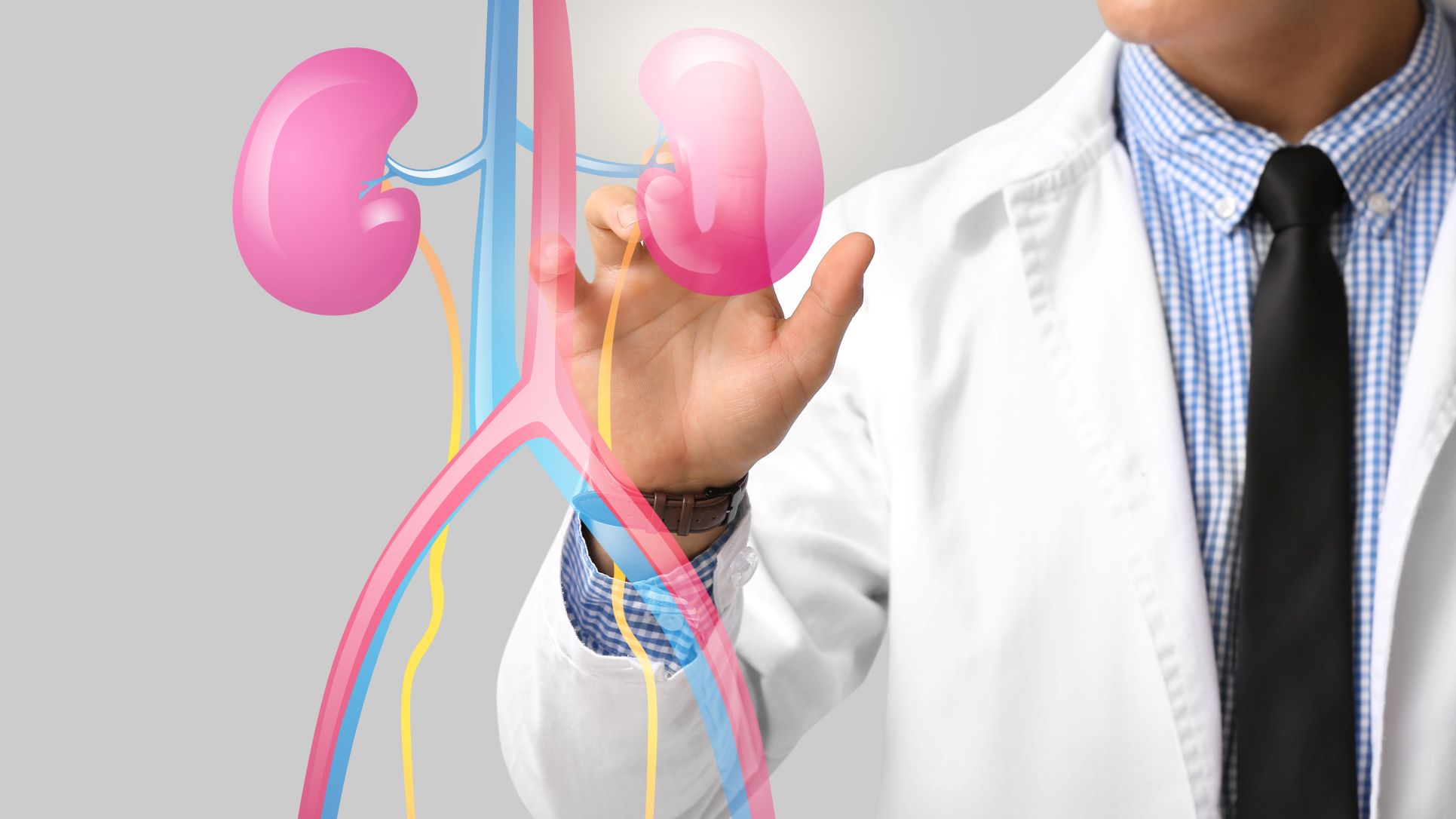
Early kidney disease means that there are signs of kidney damage or reduced kidney function, but the condition has not necessarily progressed to advanced kidney failure.
In many people, early chronic kidney disease (CKD) causes few or no obvious symptoms. It may be discovered through routine blood or urine testing, particularly in people with diabetes, high blood pressure or other risk factors.
The encouraging part is that identifying kidney disease early creates an opportunity to address its underlying causes, manage risk factors and protect remaining kidney function.
There is no single treatment that works for every person. The appropriate plan depends on the cause of kidney disease, eGFR, urine albumin levels, blood pressure, diabetes status and other medical conditions.
At Prabhakar Bhurke Clinic, Dr. Sandip Prabhakar Bhurke, super specialist nephrologist and transplant physician, provides specialist evaluation and individualized management for kidney conditions.
Why Is Early Treatment of Kidney Disease Important?
Kidney damage can progress gradually without producing noticeable symptoms.
Early treatment aims to:
-
Identify the cause of kidney damage
-
Reduce factors that can accelerate kidney decline
-
Control blood pressure
-
Manage diabetes appropriately
-
Reduce abnormal urine albumin when indicated
-
Avoid preventable kidney injury
-
Monitor kidney function over time
-
Reduce the risk of cardiovascular complications
The goal is not simply to make one blood-test value normal. It is to protect kidney function over the long term.
What Tests Are Used to Detect Early Kidney Disease?
A combination of blood and urine tests is usually more informative than a single measurement.
Serum Creatinine
Creatinine is a waste product filtered by the kidneys.
An elevated creatinine level can indicate reduced kidney filtration, but it must be interpreted in the context of age, body composition, medications and other clinical factors.
eGFR
The estimated glomerular filtration rate helps estimate how well the kidneys are filtering blood.
A persistently reduced eGFR can be an important sign of chronic kidney disease.
Urine Albumin-to-Creatinine Ratio
The urine albumin-to-creatinine ratio, commonly called UACR, can detect albumin leakage into the urine.
Albuminuria can be an important marker of kidney damage even when eGFR is still relatively preserved.
Blood Pressure
Blood pressure measurement is an essential part of kidney assessment because hypertension can damage the kidneys and kidney disease can also contribute to high blood pressure.
Blood Glucose and HbA1c
For people with diabetes or suspected diabetes, glucose and HbA1c testing can help assess blood-sugar control.
What Is the Main Treatment for Early Kidney Disease?
Treatment depends on the underlying cause.
For many people, early kidney disease management includes a combination of:
-
Blood pressure control
-
Diabetes management
-
Management of albuminuria
-
Appropriate kidney-protective medicines
-
Healthy dietary habits
-
Appropriate physical activity
-
Avoiding unnecessary kidney-harming medicines
-
Monitoring kidney function
-
Treating the underlying kidney disorder
A nephrologist can determine which measures are appropriate for an individual patient.
Blood Pressure Control and Kidney Health
High blood pressure is both a cause and a consequence of kidney disease.
Keeping blood pressure within the individualized target recommended by your doctor can help reduce stress on the kidneys.
Depending on the patient's condition, doctors may prescribe medicines such as:
-
ACE inhibitors
-
ARBs
-
Calcium-channel blockers
-
Diuretics
-
Other antihypertensive medicines
ACE inhibitors and ARBs can be particularly useful in selected patients with albuminuria.
However, these medicines are not appropriate for everyone and may require monitoring of creatinine and potassium after starting or changing treatment.
Never start or stop blood-pressure medication without medical advice.
Diabetes Management in Early Kidney Disease
Diabetes is one of the major causes of chronic kidney disease.
Good diabetes management can help reduce the risk of further kidney damage.
Treatment may involve:
-
Appropriate blood-glucose targets
-
Dietary management
-
Physical activity
-
Diabetes medicines
-
Regular HbA1c monitoring
-
Kidney-function monitoring
-
Urine albumin testing
Some glucose-lowering medicines may also provide kidney or cardiovascular benefits in appropriate patients.
The choice of treatment depends on kidney function and the individual's overall medical condition.
Can Medicines Slow Early Kidney Disease?
Yes, certain medicines can help slow kidney disease progression in appropriately selected patients.
Depending on the cause and clinical circumstances, treatment may include:
ACE Inhibitors or ARBs
These medicines can help control blood pressure and reduce albuminuria in selected patients.
SGLT2 Inhibitors
SGLT2 inhibitors are used in appropriate patients with diabetes and, in some circumstances, chronic kidney disease even without diabetes.
They can provide kidney and cardiovascular benefits for eligible patients.
Other Kidney- or Disease-Specific Medicines
Additional medicines may be considered depending on the underlying kidney disease, degree of albuminuria, diabetes status and cardiovascular risk.
Medication selection should always be individualized.
What Diet Is Recommended for Early Kidney Disease?
There is no universal kidney diet for every person with early CKD.
Dietary recommendations may focus on:
-
Reducing excessive sodium intake
-
Eating appropriate portions
-
Maintaining a healthy body weight
-
Avoiding excessive processed foods
-
Choosing appropriate protein intake
-
Managing blood sugar
-
Limiting foods according to potassium or phosphorus levels when medically necessary
People with early kidney disease should not automatically eliminate potassium, phosphorus or protein unless their healthcare professional recommends it.
A renal dietitian can provide individualized dietary guidance when needed.
Should Protein Intake Be Reduced?
Not necessarily to a very low level.
Excessive protein intake may not be appropriate for some people with CKD, but unnecessarily severe protein restriction can also create nutritional problems.
The appropriate protein intake depends on:
-
Kidney function
-
Age
-
Nutritional status
-
Body size
-
Diabetes
-
Other medical conditions
Discuss dietary protein with a doctor or renal dietitian instead of following an extreme high-protein or low-protein diet.
How Much Water Should You Drink?
Adequate hydration is important, but drinking excessive amounts of water does not reverse chronic kidney disease.
Fluid needs vary depending on:
-
Kidney function
-
Weather
-
Physical activity
-
Heart health
-
Urine output
-
Medications
-
Presence of swelling
Most people should avoid both unnecessary dehydration and excessive fluid intake.
Patients with advanced kidney disease or prescribed fluid restrictions should follow their healthcare professional's advice.
Exercise and Early Kidney Disease
Regular physical activity can support overall cardiovascular and metabolic health.
Depending on your health and fitness level, suitable activities may include:
-
Walking
-
Cycling
-
Swimming
-
Strength exercises
-
Other moderate physical activities
People with significant kidney disease or other medical conditions should discuss appropriate exercise intensity with their doctor.
Avoid Medicines That May Harm the Kidneys
People with kidney disease should be cautious about self-medicating.
Certain medicines, particularly some non-steroidal anti-inflammatory drugs (NSAIDs), can affect kidney function in susceptible people.
Risk can be greater during dehydration or acute illness.
Before taking over-the-counter painkillers, supplements or herbal preparations regularly, discuss them with your doctor.
Do not stop essential prescription medicines without professional guidance.
Are Herbal Remedies Effective for Early Kidney Disease?
There is no reliable herbal remedy that can universally reverse early chronic kidney disease.
Products marketed as:
-
Kidney cleansers
-
Kidney detoxes
-
Creatinine reducers
-
Natural kidney repair medicines
may not have adequate evidence and can sometimes contain ingredients that interact with prescribed medicines or potentially affect kidney function.
If you are considering a supplement, tell your nephrologist before taking it.
Can Early Kidney Disease Be Reversed?
The answer depends on the underlying cause.
Some kidney abnormalities may improve when a reversible cause is treated.
For example, kidney function may improve after addressing:
-
Dehydration
-
Certain medication-related kidney injury
-
Urinary obstruction
-
Some infections
-
Certain acute kidney conditions
Established chronic kidney disease is generally not described as completely reversible.
However, appropriate treatment can often slow progression, control complications and preserve kidney function for many years.
How Often Should Kidney Function Be Checked?
There is no single testing schedule for everyone.
Monitoring frequency depends on:
-
eGFR
-
Urine albumin
-
Rate of change in kidney function
-
Diabetes
-
Blood pressure
-
Medications
-
Underlying kidney disease
-
Overall health
Your nephrologist can recommend an appropriate follow-up schedule.
A sudden change in creatinine or urine output may require earlier assessment.
What Happens If Early Kidney Disease Is Ignored?
Untreated kidney disease can progress in some patients.
Potential complications of worsening kidney function include:
-
Increasing blood pressure
-
Anemia
-
Electrolyte abnormalities
-
Fluid retention
-
Bone and mineral disorders
-
Cardiovascular complications
-
Advanced kidney failure
Not everyone with early CKD progresses rapidly.
The rate of progression varies considerably between individuals, which is why regular monitoring and risk-factor management are important.
Who Is at Higher Risk of Kidney Disease?
You may have a higher risk if you have:
-
Diabetes
-
High blood pressure
-
Cardiovascular disease
-
A family history of kidney disease
-
Previous acute kidney injury
-
Recurrent kidney stones
-
Recurrent urinary infections
-
Certain autoimmune conditions
-
Obesity
-
Long-term exposure to certain kidney-affecting medicines
People at increased risk may benefit from periodic kidney-function and urine testing.
When Should You See a Nephrologist?
Consider specialist kidney evaluation if you have:
-
Persistently elevated creatinine
-
Reduced eGFR
-
Protein or albumin in urine
-
Unexplained blood in urine
-
Difficult-to-control blood pressure
-
Recurrent kidney stones
-
Repeated episodes of acute kidney injury
-
A known kidney disease
-
A family history of significant kidney disease
-
A progressive decline in kidney function
Early specialist assessment can help identify the cause and establish a personalized treatment strategy.
Treatment for Early Kidney Disease at Prabhakar Bhurke Clinic
At Prabhakar Bhurke Clinic, Dr. Sandip Prabhakar Bhurke, super specialist nephrologist and transplant physician, provides comprehensive kidney evaluation and long-term management.
Depending on the patient's condition, care may include:
-
Assessment of creatinine and eGFR
-
Urine albumin and protein evaluation
-
Blood-pressure management
-
Diabetes-related kidney care
-
Medication review
-
Evaluation of kidney stones and obstruction
-
Assessment of acute kidney injury
-
Chronic kidney disease monitoring
-
Dietary and lifestyle guidance
-
Monitoring for disease progression
-
Advanced kidney care when required
Treatment is individualized according to the cause of kidney disease, laboratory findings, medical history and overall health.
Frequently Asked Questions
What is the best treatment for early kidney disease?
There is no single treatment for everyone. Management usually focuses on identifying the cause, controlling blood pressure and diabetes, managing albuminuria when present, using appropriate medicines and protecting kidney function.
Can early kidney disease go away?
Some reversible kidney problems can improve substantially. Established chronic kidney disease generally requires ongoing management, although treatment can often slow progression.
Can I live a normal life with early kidney disease?
Many people with early kidney disease continue normal daily activities for years, particularly when the condition is identified early and risk factors are appropriately managed.
Should I stop eating protein if I have early kidney disease?
Do not drastically reduce protein without medical advice. Protein requirements should be individualized according to kidney function, nutritional status and other health factors.
Can drinking more water repair the kidneys?
No. Adequate hydration is important, but excessive water intake does not repair chronic kidney damage.
Is high creatinine always a sign of chronic kidney disease?
No. Creatinine can increase for several reasons, including acute kidney injury, dehydration, urinary obstruction and certain medicines. Persistent abnormalities need appropriate evaluation.
Conclusion
Treatment for early kidney disease is primarily about finding the underlying cause and protecting kidney function before significant damage develops.
For many patients, effective management involves controlling blood pressure and diabetes, reducing albuminuria when appropriate, using evidence-based medicines, following an individualized diet, avoiding unnecessary kidney-harming drugs and attending regular follow-up.
Early kidney disease may not cause obvious symptoms, so people with risk factors or abnormal blood and urine tests should not wait for symptoms before seeking medical advice.
With appropriate evaluation and long-term management, many patients can reduce their risk of kidney disease progression and protect their remaining kidney function.
For personalized kidney evaluation and treatment, consult Dr. Sandip Prabhakar Bhurke at Prabhakar Bhurke Clinic.
Medical Disclaimer
This article is provided for general educational and informational purposes only and should not be considered medical advice, diagnosis or treatment. Treatment for early kidney disease varies according to the underlying cause, eGFR, urine albumin levels, blood pressure, diabetes status, medications and other health conditions. Some medicines can be kidney-protective in appropriate patients but may require monitoring and are not suitable for everyone. Do not start, stop or change prescription medicines, supplements, painkillers or herbal products based on this article. Dietary and fluid requirements should be individualized, particularly for people with kidney, heart or other chronic conditions. Seek urgent medical attention for very little or no urine, severe breathlessness, chest pain, confusion, persistent vomiting, severe swelling or sudden deterioration in health. Consult Dr. Sandip Prabhakar Bhurke or another qualified nephrologist for personalized medical evaluation and treatment.