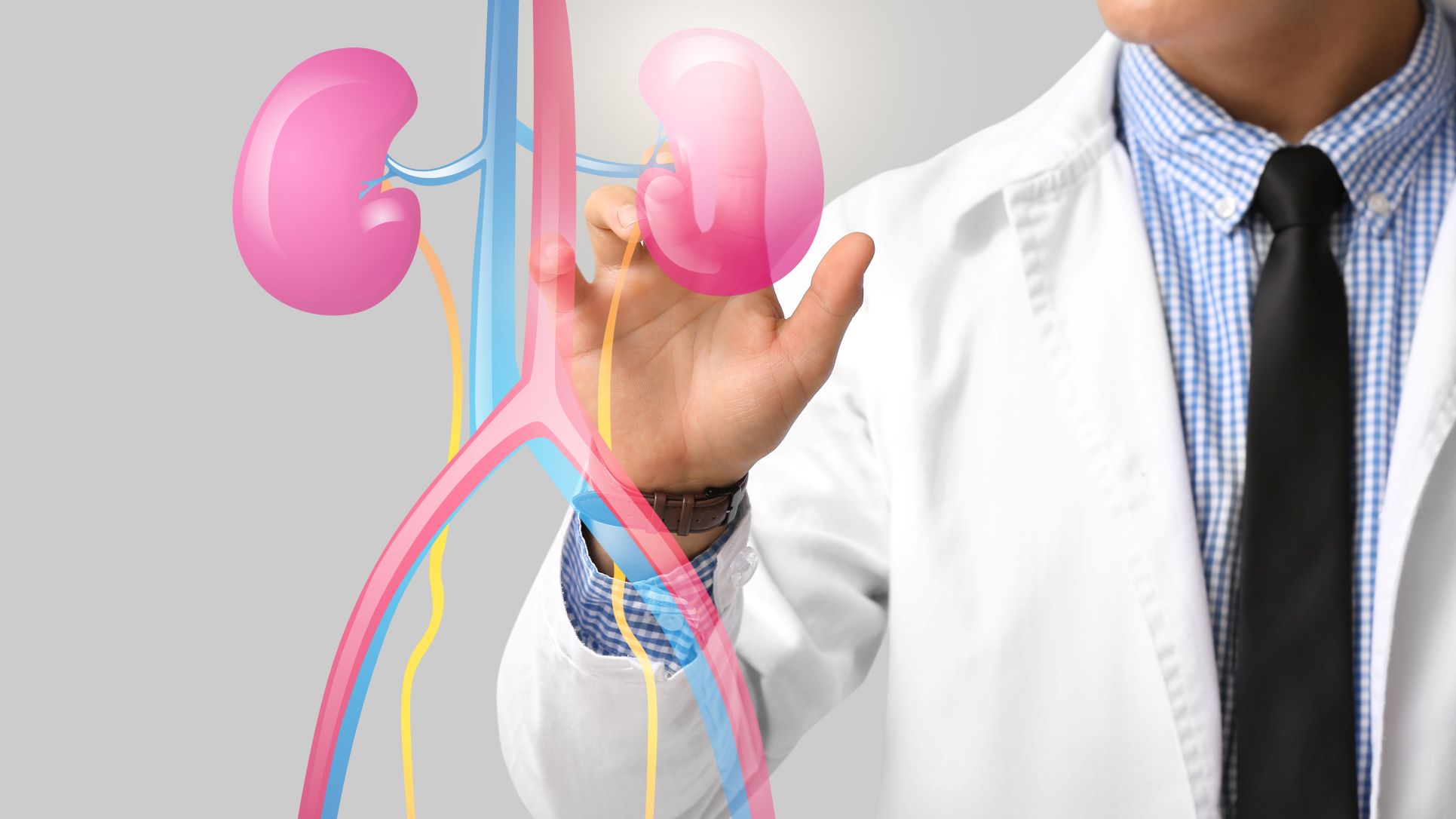
Uric acid kidney stones are a type of kidney stone that develops when uric acid becomes concentrated in the urine and forms crystals.
Unlike calcium-based stones, uric acid stones are strongly influenced by urine acidity. When urine remains too acidic, uric acid is less soluble and can crystallize.
This is important because some uric acid stones can potentially be dissolved with appropriate medical treatment, unlike many other types of kidney stones.
However, treatment depends on the stone's size, location, symptoms, urine chemistry, kidney function and whether there is urinary obstruction or infection.
At Prabhakar Bhurke Clinic, Dr. Sandip Prabhakar Bhurke, super specialist nephrologist and transplant physician, provides specialist evaluation and individualized management for kidney stone disease and associated kidney conditions.
What Causes Uric Acid Kidney Stones?
Several factors can increase the risk of uric acid stones.
Persistently Acidic Urine
Low urine pH is one of the most important factors.
Even when blood uric acid is not extremely high, persistently acidic urine can promote uric acid crystallization.
High Uric Acid Levels
Increased uric acid production or reduced uric acid excretion can increase the amount of uric acid reaching the urine.
This can occur in people with:
-
Gout
-
High-purine dietary patterns
-
Certain metabolic conditions
-
Some blood disorders
-
Increased cell breakdown
Dehydration
Low urine volume makes stone-forming substances more concentrated.
Insufficient fluid intake can therefore increase stone risk.
Obesity and Metabolic Conditions
Uric acid stones are associated with several metabolic conditions, including:
-
Obesity
-
Insulin resistance
-
Type 2 diabetes
-
Metabolic syndrome
Dietary Factors
A diet high in certain animal-derived foods can increase urinary uric acid production in susceptible individuals.
What Are the Symptoms of Uric Acid Kidney Stones?
Uric acid stones can cause the same types of symptoms as other kidney stones.
Possible symptoms include:
-
Sudden severe pain in the side or back
-
Pain radiating toward the lower abdomen or groin
-
Blood in the urine
-
Burning while urinating
-
Frequent urination
-
Nausea or vomiting
-
Restlessness during an episode of stone pain
Some stones cause no symptoms and are discovered during imaging for another reason.
A fever associated with urinary symptoms or severe flank pain requires prompt medical assessment because infection combined with urinary obstruction can be dangerous.
How Are Uric Acid Stones Diagnosed?
Correctly identifying the stone type is important because treatment differs according to stone composition.
Imaging
Ultrasound or CT imaging may identify:
-
Stone size
-
Stone location
-
Number of stones
-
Urinary obstruction
-
Hydronephrosis
Uric acid stones can have different imaging characteristics from some calcium-containing stones, and CT can provide useful information for diagnosis and treatment planning.
Urine Testing
Urine testing can help assess:
-
Urine pH
-
Urine volume
-
Uric acid excretion
-
Other stone-forming substances
A 24-hour urine collection may be recommended for people with recurrent or high-risk stone disease.
Blood Tests
Depending on the clinical situation, doctors may check:
-
Serum uric acid
-
Creatinine
-
eGFR
-
Electrolytes
-
Glucose
-
Other metabolic parameters
Stone Analysis
If a stone or fragment is retrieved, laboratory analysis can determine its composition.
Knowing whether a stone is actually made of uric acid can significantly influence preventive treatment.
Uric Acid Kidney Stones Treatment Options
Treatment depends on whether the goal is to relieve an acute obstruction, dissolve an existing stone or prevent future stones.
1. Increase Appropriate Fluid Intake
Maintaining adequate urine volume can reduce the concentration of uric acid in the urine.
However, fluid recommendations should be individualized.
People with advanced kidney disease, heart failure or prescribed fluid restrictions should not significantly increase their fluid intake without medical advice.
2. Urine Alkalinization
Urine alkalinization is one of the most important treatments for suitable uric acid stones.
Raising urine pH makes uric acid more soluble and can allow certain uric acid stones to dissolve gradually.
Doctors may prescribe an alkalinizing medicine, such as an appropriate citrate preparation, depending on the patient's urine chemistry and medical condition.
The target urine pH should be individualized.
Regular monitoring is important because excessively high urine pH can encourage the formation of other types of kidney stones.
Do not attempt to alkalinize your urine using unprescribed products.
3. Potassium Citrate and Other Alkalinizing Medicines
Potassium citrate is commonly used in appropriate patients to increase urinary citrate and raise urine pH.
The exact medicine and dose depend on:
-
Kidney function
-
Blood potassium level
-
Urine pH
-
Other medications
-
Heart and metabolic conditions
People with impaired kidney function or high potassium levels may not be suitable for potassium-containing medicines.
Medical supervision is therefore important.
4. Medicines That Reduce Uric Acid Production
In selected patients, medicines that reduce uric acid production may be considered.
Allopurinol, for example, may be prescribed when high uric acid production or certain metabolic circumstances contribute to recurrent uric acid stones.
However, allopurinol is not a substitute for urine alkalinization in every patient with uric acid stones.
The need for uric-acid-lowering medication should be determined by a doctor after evaluating the underlying cause.
5. Can Uric Acid Stones Be Dissolved Without Surgery?
Sometimes.
Uric acid is more soluble in alkaline urine, so appropriately selected uric acid stones can sometimes gradually dissolve with medical urine alkalinization.
The likelihood of successful dissolution depends on factors such as:
-
Confirmed stone composition
-
Stone size
-
Stone location
-
Urine pH
-
Degree of obstruction
-
Kidney function
-
Treatment adherence
Follow-up imaging is important to determine whether the stone is shrinking.
Not every kidney stone is a uric acid stone, and stones made from other materials generally do not dissolve through the same approach.
6. When Is a Procedure Needed?
Medical dissolution is not appropriate for every patient.
A procedure may be required when there is:
-
Significant urinary obstruction
-
Infection
-
Severe or persistent symptoms
-
Large stone burden
-
Failure of medical dissolution
-
Declining kidney function
-
A stone unlikely to pass or dissolve
Depending on the situation, treatment may include:
-
Ureteroscopy
-
Laser lithotripsy
-
ESWL
-
PCNL
-
Another appropriate stone procedure
The choice depends on stone size, location and the patient's anatomy and health.
Uric Acid Kidney Stones and Kidney Blockage
A stone can obstruct the flow of urine from the kidney.
Obstruction can cause:
-
Hydronephrosis
-
Severe flank pain
-
Reduced kidney function
-
Infection
An infected and obstructed urinary system can become a medical emergency.
If a patient with a suspected stone develops fever, chills, severe weakness or worsening symptoms, urgent medical assessment is necessary.
What Diet Helps Prevent Uric Acid Kidney Stones?
Dietary changes can complement medical treatment.
Moderate High-Purine Foods
Purines are metabolized into uric acid.
People prone to uric acid stones may be advised to moderate excessive intake of foods such as:
-
Organ meats
-
Large quantities of red meat
-
Certain seafood
-
Meat-based gravies
The appropriate dietary pattern depends on the individual's overall health.
Reduce Excessive Sugary Drinks
High intake of sugar-sweetened beverages, particularly those containing fructose, may increase uric acid production and stone risk.
Choosing water instead can be beneficial for many patients.
Maintain a Healthy Weight
Weight management can improve several metabolic risk factors associated with uric acid stone formation.
Crash diets and extreme fasting should be avoided unless medically supervised.
Does Drinking Water Dissolve Uric Acid Stones?
Water alone does not directly dissolve an established uric acid stone.
However, adequate fluid intake increases urine volume and can reduce the concentration of stone-forming substances.
For a uric acid stone, urine alkalinization is particularly important when medical dissolution is appropriate.
Fluid intake should be individualized rather than excessively increased.
Can Lemon Water Dissolve Uric Acid Kidney Stones?
Lemon and citrus foods can contribute citrate to the diet, but drinking lemon water should not be considered a reliable treatment for an established uric acid kidney stone.
A confirmed stone may require measured urine alkalinization and follow-up under medical supervision.
Do not replace prescribed treatment with home remedies.
Is High Uric Acid in Blood the Same as a Uric Acid Kidney Stone?
No.
A person can have elevated blood uric acid without developing a kidney stone.
Conversely, uric acid stones are strongly influenced by urine pH and urine chemistry.
Therefore, blood uric acid alone does not establish the type of kidney stone.
Stone analysis and appropriate metabolic evaluation can provide more useful information.
Uric Acid Kidney Stones and Gout
Gout and uric acid kidney stones can be related because both involve uric acid metabolism.
People with gout may have a higher risk of uric acid stones, particularly when uric acid levels remain elevated.
However, treatment should address the individual's specific condition.
A medicine prescribed for gout is not automatically the correct treatment for an existing kidney stone.
How Can Uric Acid Kidney Stones Be Prevented?
Prevention usually focuses on reducing the factors that caused the stone.
Depending on the patient's evaluation, prevention may include:
-
Maintaining adequate fluid intake
-
Keeping urine pH within the recommended range
-
Avoiding excessive purine intake
-
Reducing excessive sugary drinks
-
Maintaining a healthy weight
-
Managing diabetes
-
Treating gout when appropriate
-
Taking prescribed preventive medicines
-
Completing recommended urine and blood testing
People with recurrent stones may benefit from a structured metabolic evaluation.
How Often Should Follow-Up Be Done?
Follow-up depends on:
-
Stone size
-
Whether the stone is being medically dissolved
-
Urine pH
-
Kidney function
-
Symptoms
-
Previous stone history
-
Risk of recurrence
When medical dissolution is attempted, repeat imaging and urine monitoring may be particularly important.
When Should You See a Kidney Specialist?
Specialist evaluation is appropriate if you have:
-
Recurrent kidney stones
-
Known uric acid stones
-
High uric acid with kidney stones
-
Reduced kidney function
-
Recurrent urinary obstruction
-
Multiple kidney stones
-
Difficult-to-control blood pressure
-
Diabetes with kidney abnormalities
-
Repeated stone-related emergency visits
A nephrologist can evaluate kidney function and metabolic risk factors, while a urologist may be involved when a stone requires a procedure.
Uric Acid Kidney Stone Care at Prabhakar Bhurke Clinic
At Prabhakar Bhurke Clinic, Dr. Sandip Prabhakar Bhurke, super specialist nephrologist and transplant physician, provides individualized evaluation for patients with kidney stones and associated kidney conditions.
Depending on the patient's needs, assessment may include:
-
Review of ultrasound or CT findings
-
Evaluation of stone composition
-
Serum uric acid testing
-
Creatinine and eGFR assessment
-
Urine pH evaluation
-
24-hour urine metabolic assessment when appropriate
-
Evaluation of recurrent stone risk
-
Dietary and lifestyle guidance
-
Medical stone-prevention planning
-
Monitoring during medical dissolution
-
Kidney-function monitoring
-
Coordination with urological specialists when a procedure is required
The treatment plan is based on stone characteristics, urine chemistry, kidney function and the patient's overall health.
Frequently Asked Questions
What is the best treatment for uric acid kidney stones?
For suitable uric acid stones, urine alkalinization and adequate fluid intake can help dissolve or prevent stones. Some patients may also require uric-acid-lowering medication or a procedure.
Can uric acid kidney stones dissolve naturally?
Some confirmed uric acid stones can dissolve gradually when urine is appropriately alkalinized. This should be monitored medically rather than attempted through unverified home remedies.
Which medicine dissolves uric acid kidney stones?
Appropriately prescribed alkalinizing medicines, such as citrate preparations, may help dissolve uric acid stones by increasing urine pH. The medicine and dose must be individualized.
Can allopurinol dissolve a kidney stone?
Allopurinol reduces uric acid production and can be useful for selected patients with recurrent uric acid stones or specific metabolic conditions. It is not a universal stone-dissolving medicine.
What should I avoid if I have uric acid kidney stones?
Depending on your individual risk, your doctor may recommend limiting excessive intake of high-purine foods, sugary drinks and other dietary factors that increase uric acid production.
Is surgery always needed for uric acid stones?
No. Some uric acid stones can be medically dissolved. Surgery or another procedure may be necessary when stones are large, obstructing, infected, symptomatic or not responding to medical treatment.
Conclusion
Uric acid kidney stones treatment is different from the treatment of many other kidney stones because uric acid becomes considerably more soluble when urine is appropriately alkalinized.
For selected patients, medical treatment can therefore reduce or even dissolve an existing uric acid stone, potentially avoiding a procedure. The approach may include urine alkalinization, adequate hydration, dietary changes and, in appropriate cases, medication to reduce uric acid production.
However, treatment should begin with confirmation of the stone type and assessment of its size, location, obstruction status and effect on kidney function.
If you have recurrent kidney stones, high uric acid or a stone identified as uric acid on analysis, specialist evaluation can help create a treatment and prevention plan suited to your condition.
For personalized kidney and stone care, consult Dr. Sandip Prabhakar Bhurke at Prabhakar Bhurke Clinic.
Medical Disclaimer
This article is intended for general educational and informational purposes only and should not be considered medical advice, diagnosis or treatment. Uric acid kidney stones require individualized evaluation because treatment depends on stone composition, size, location, urine pH, kidney function, infection status and other medical factors. Medicines such as potassium citrate or allopurinol are not appropriate for everyone and may require blood and urine monitoring. Do not attempt to alter urine pH or start prescription medicines, supplements or herbal products without medical supervision. A blocked kidney combined with infection can be an emergency. Seek urgent medical attention for fever or chills with suspected kidney stones, severe or worsening flank pain, persistent vomiting, very little or no urine, confusion or sudden deterioration in health. Consult Dr. Sandip Prabhakar Bhurke or another qualified nephrologist/urological specialist for personalized evaluation and treatment.